
Zon der Gerechtigheid — History & Facts
Can beauty exist without sorrow? In Zon der Gerechtigheid, Dürer explores this profound question, inviting us to confront the emptiness that often accompanies divine justice. Look to the center of the composition, where the radiant sun, painted with meticulous detail, casts its golden light upon an intricate arrangement of figures. The bold contrasts of shadow and light reveal the emotional landscape of the piece, drawing your gaze around the intertwined forms that embody both heavenly grace and earthly struggle. Notice how the muted earth tones provide a somber backdrop, allowing the vibrant sunbeams to pulsate with life, underlining the weight of the justice they represent. Amidst the flowing robes and anguished expressions lies a tension between the ethereal and the corporeal.
The figures, some ascending toward the light and others seemingly left in shadow, symbolize the duality of human experience—hope intertwined with despair. This delicate balance invites contemplation on the price of righteousness and the longing for a justice that feels often out of reach. The emptiness in the composition echoes the souls caught in this moral struggle, underscoring the paradox of seeking beauty while grappling with sorrow. Dürer created Zon der Gerechtigheid between 1497 and 1501, during a time when he was deeply engaged with both the humanist ideals of the Renaissance and the upheaval of religious reformations.
Working in Nuremberg, he sought to blend scientific perspective with spiritual themes, reflecting a growing interest in the complexities of human emotion and moral dilemmas in the art world of his time.
More Artworks by Albrecht Dürer
Browse all →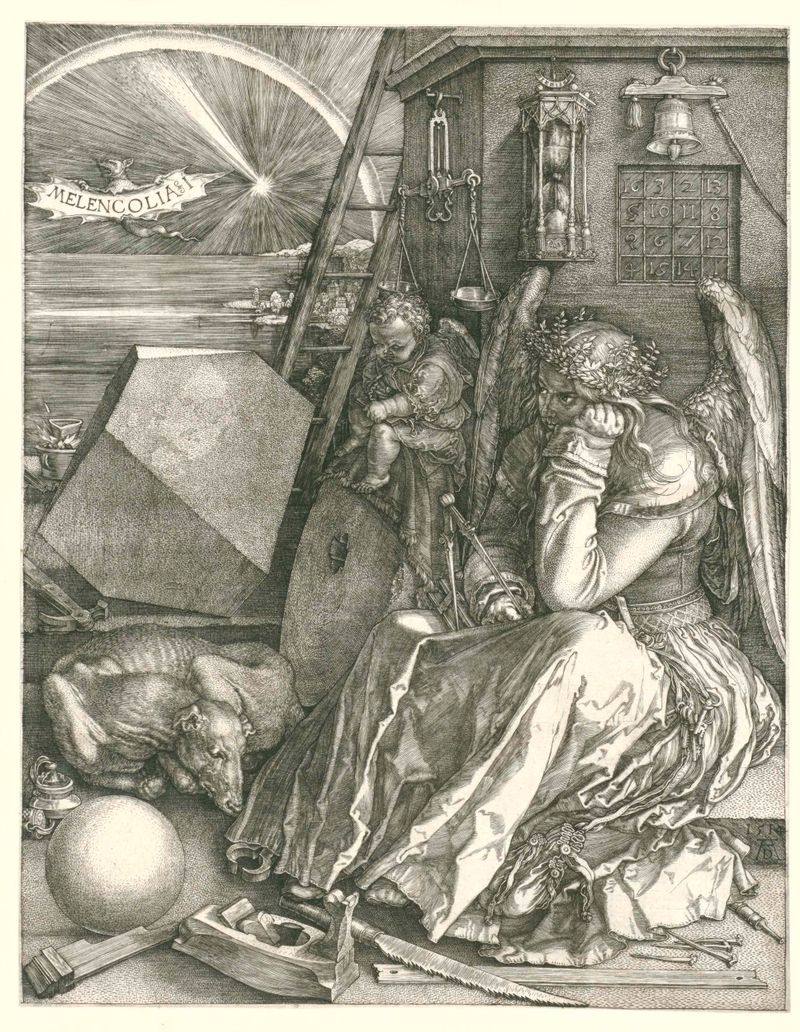
Melancholia
Albrecht Dürer
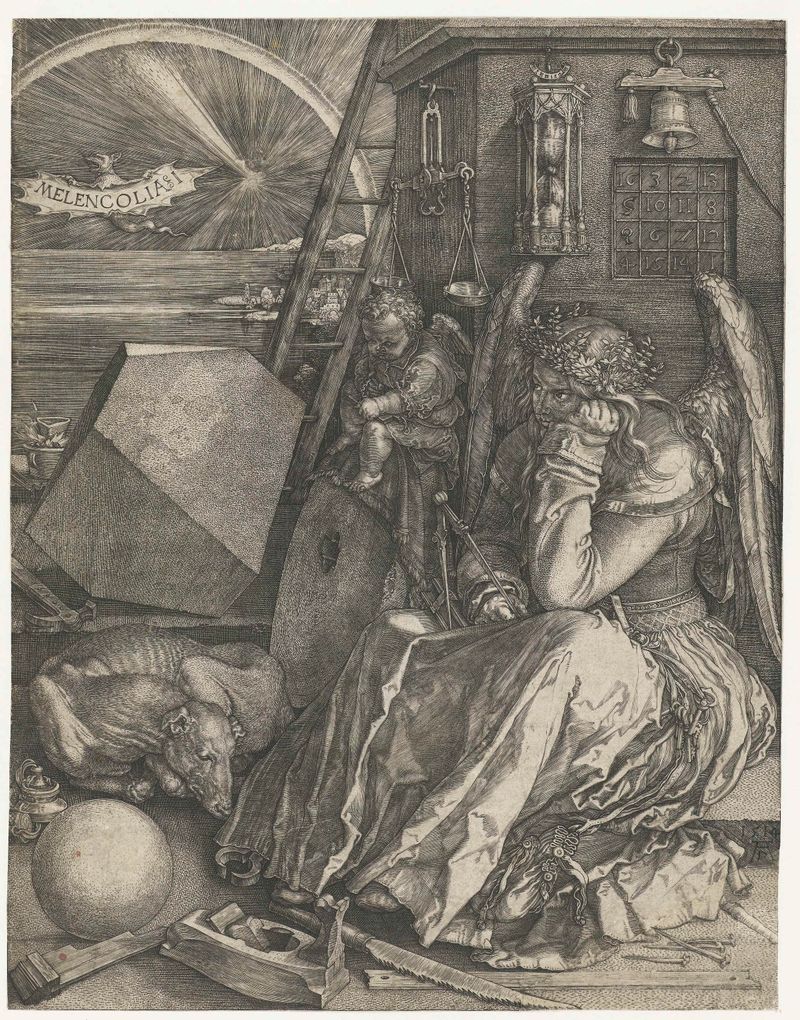
Melancholie
Albrecht Dürer
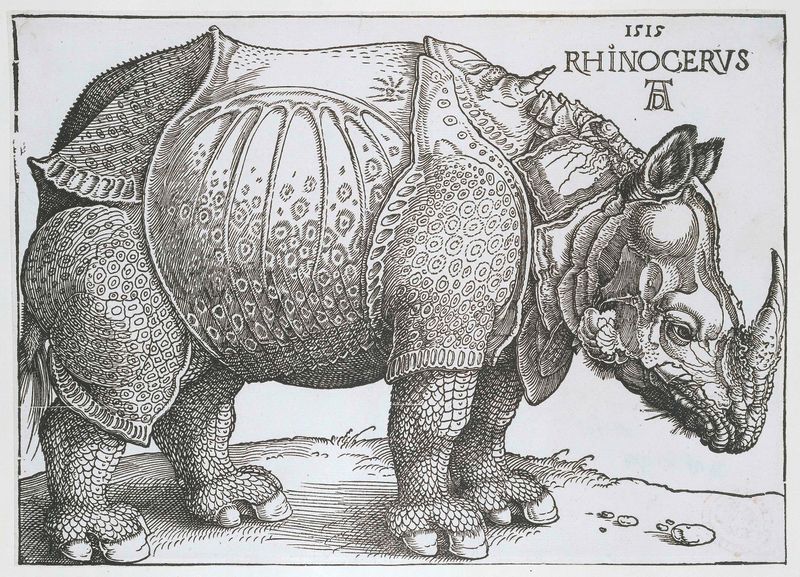
Neushoorn
Albrecht Dürer
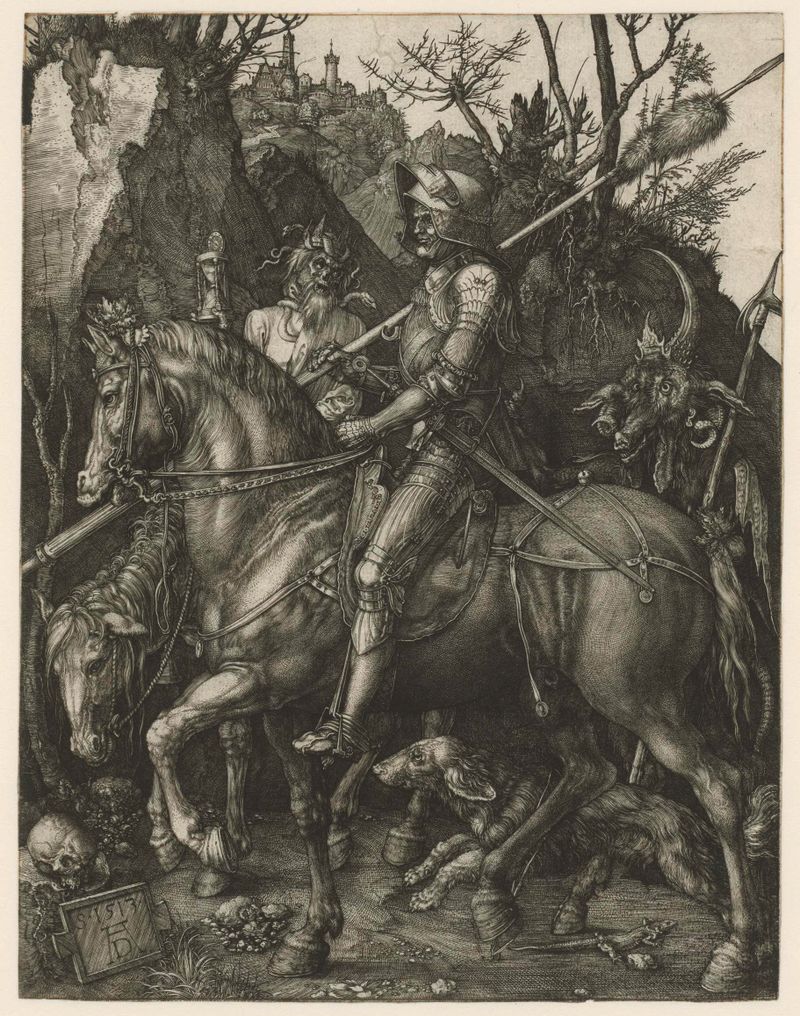
Knight, Death, and the Devil
Albrecht Dürer

De vier ruiters van de apocalyps
Albrecht Dürer

De vier ruiters van de apocalyps
Albrecht Dürer
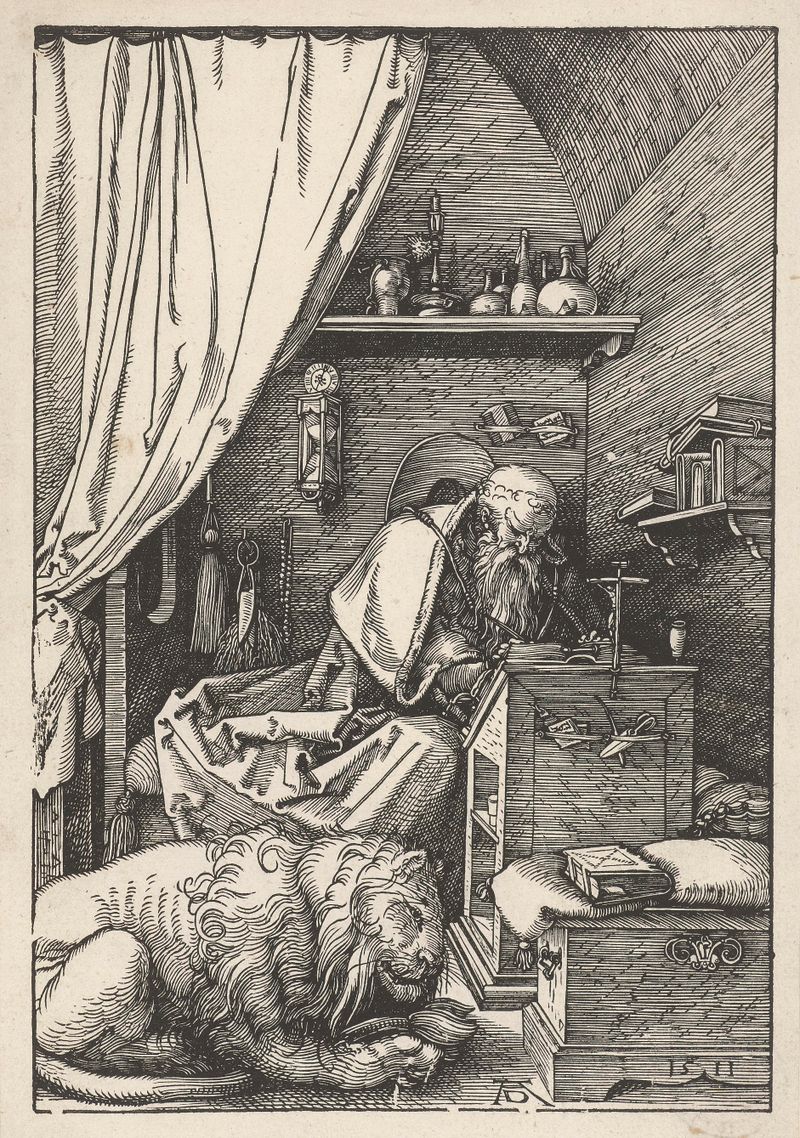
De Heilige Hiëronymus in zijn studeervertrek
Albrecht Dürer
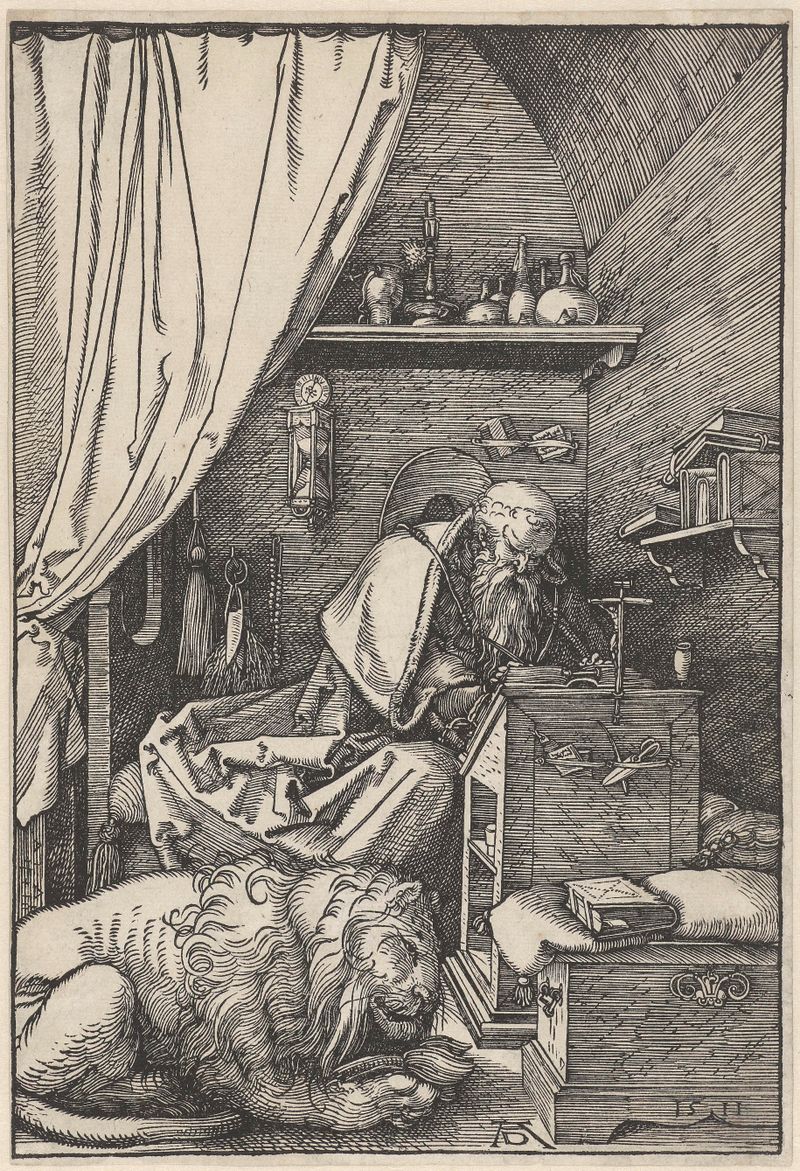
De Heilige Hiëronymus in zijn studeervertrek
Albrecht Dürer
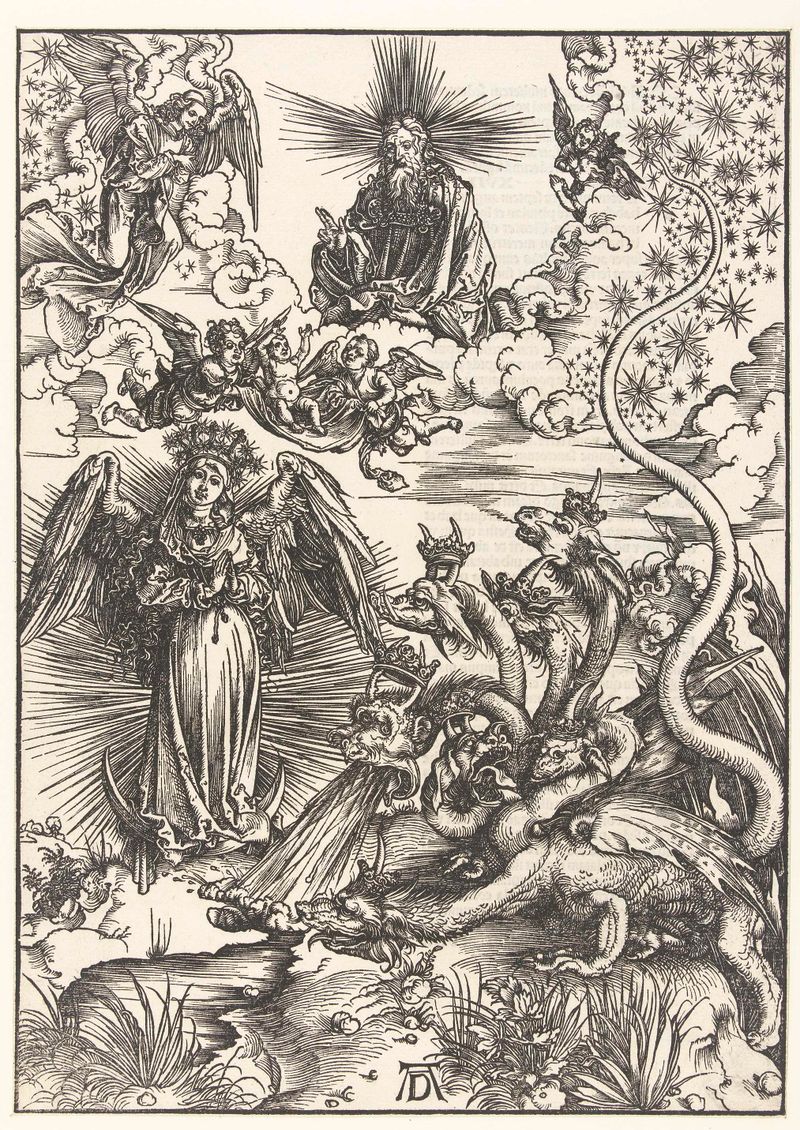
De apocalyptische vrouw en de zevenkoppige draak
Albrecht Dürer
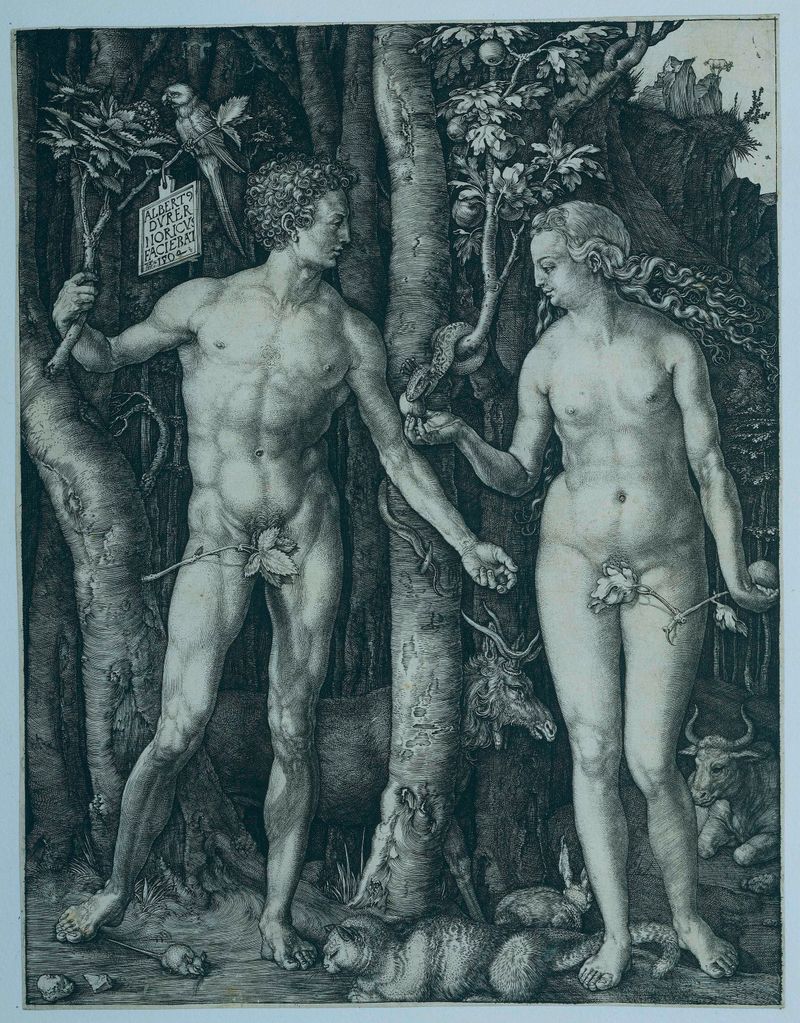
Adam en Eva
Albrecht Dürer
More Religious Art
Browse all →
The Return of the Prodigal Son
Rembrandt van Rijn

The Garden of Earthly Delights
El Bosco

Count Orgaz’ funeral
El Greco

The Hundred Guilder Print: the central piece with Christ preaching, the plate arched
Rembrandt van Rijn

The Descent from the Cross
Rogier van der Weyden

The return of the prodigal son
Rembrandt van Rijn