
Zondeval — History & Facts
In Zondeval, the viewer is invited into a realm where the divine meets the human experience, illuminating the struggle between earthly desires and celestial aspirations. Begin by looking closely at the centrally positioned figure, draped in rich, flowing garments. Notice how the soft light caresses the contours of their face, revealing a poignant mix of sorrow and prayer. The intricate details of the fabric, rendered with Dürer’s masterful technique, draw the eye upward to a vivid celestial backdrop, characterized by swirling clouds and radiant beams that suggest an otherworldly presence. Upon deeper reflection, consider the symbolism within the figures' posture and the surrounding elements.
Their hands are clasped in a gesture of supplication, embodying an enduring tension between guilt and hope. The stark contrast between the dark, oppressive shadows and the ethereal light serves as a reminder of the duality of human existence—a poignant interplay of sin and redemption. Here, Dürer captures the inescapable weight of divine judgment, yet also hints at the possibility of grace. Created in 1510, during a period marked by intense religious upheaval, the artist sought to navigate the complex relationship between faith and doubt.
Working in Nuremberg, Dürer was influenced by the burgeoning Reformation, which questioned the very foundations of spirituality and morality. In this moment of artistic innovation, Zondeval stands as both a reflection of personal introspection and a broader commentary on the human condition.
More Artworks by Albrecht Dürer
Browse all →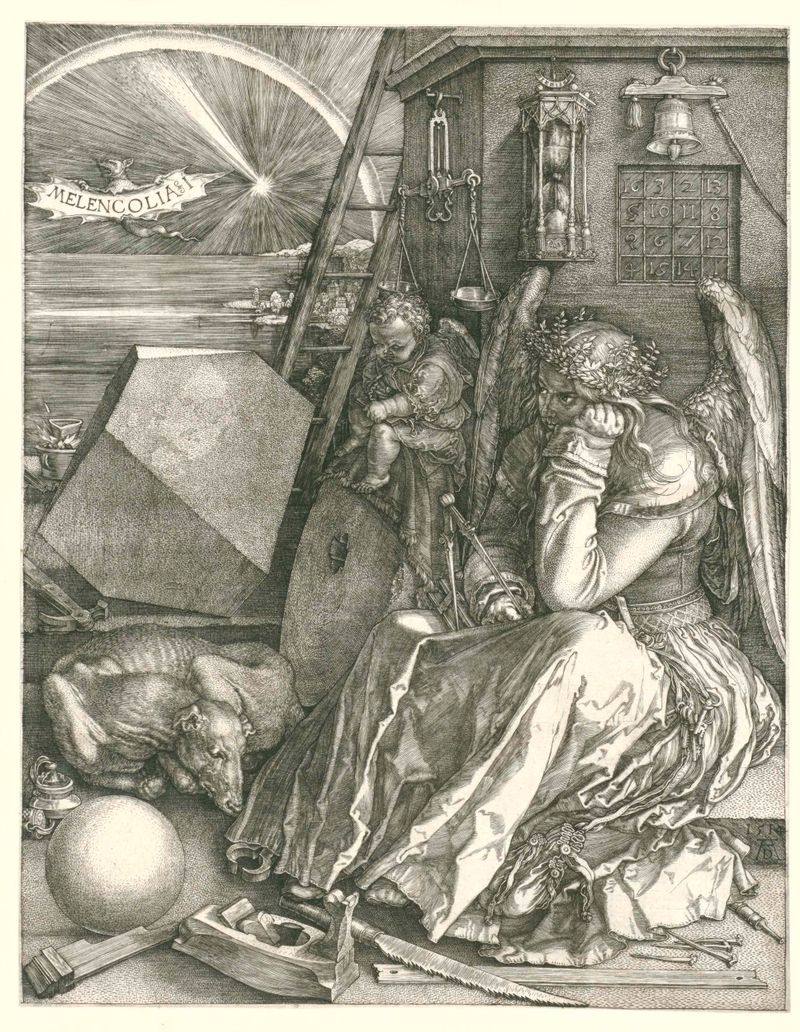
Melancholia
Albrecht Dürer
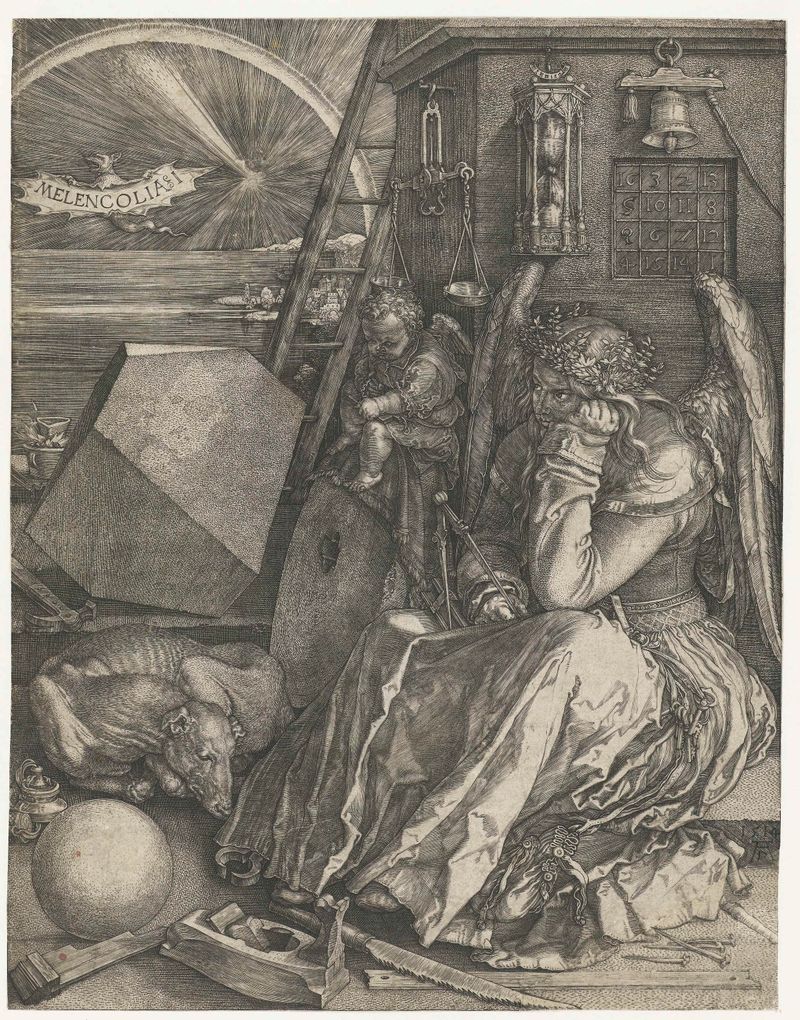
Melancholie
Albrecht Dürer

Neushoorn
Albrecht Dürer
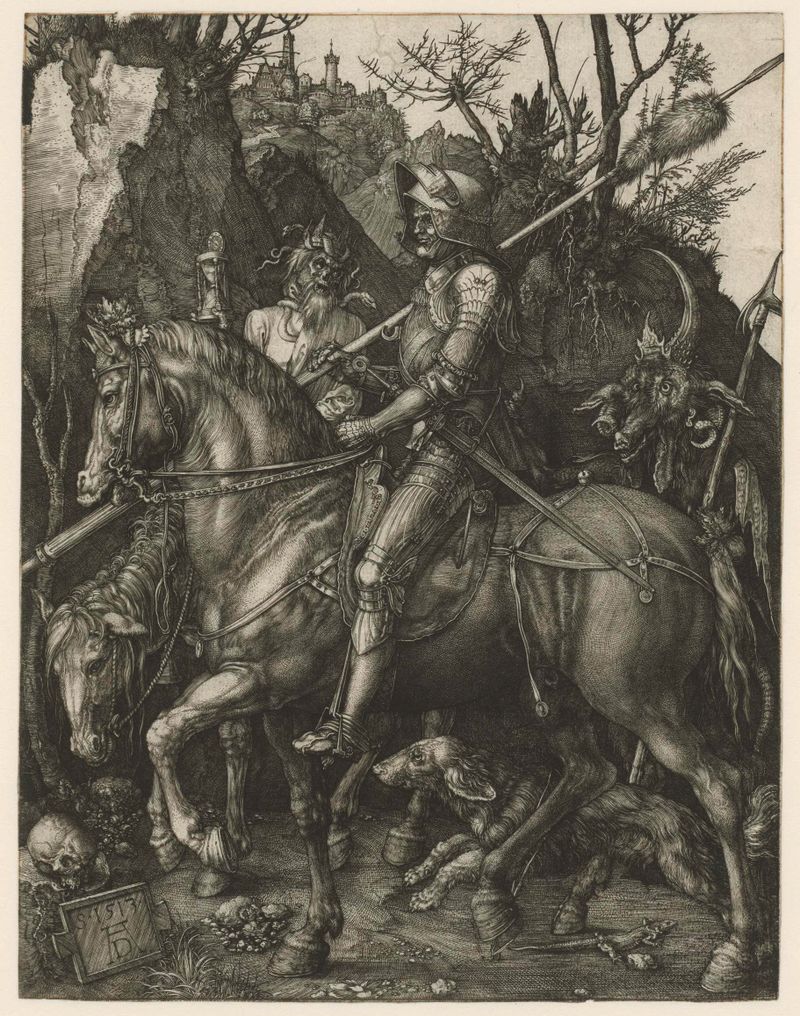
Knight, Death, and the Devil
Albrecht Dürer

De vier ruiters van de apocalyps
Albrecht Dürer

De vier ruiters van de apocalyps
Albrecht Dürer
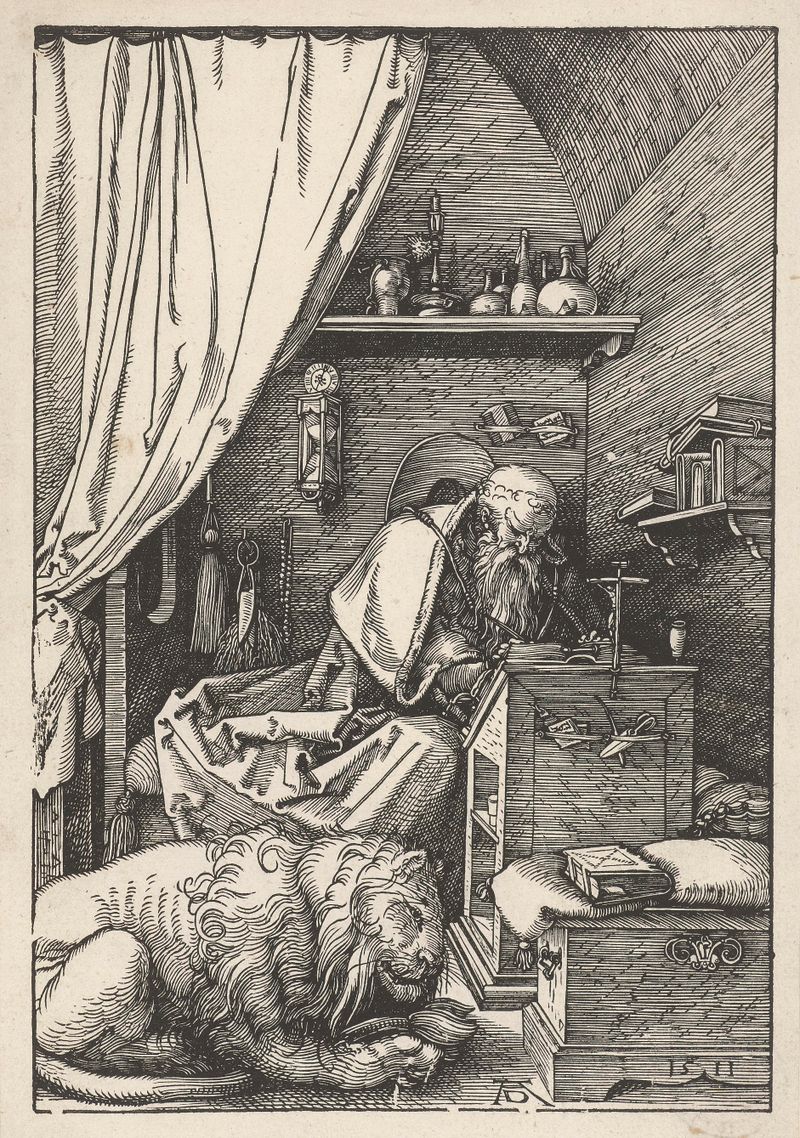
De Heilige Hiëronymus in zijn studeervertrek
Albrecht Dürer
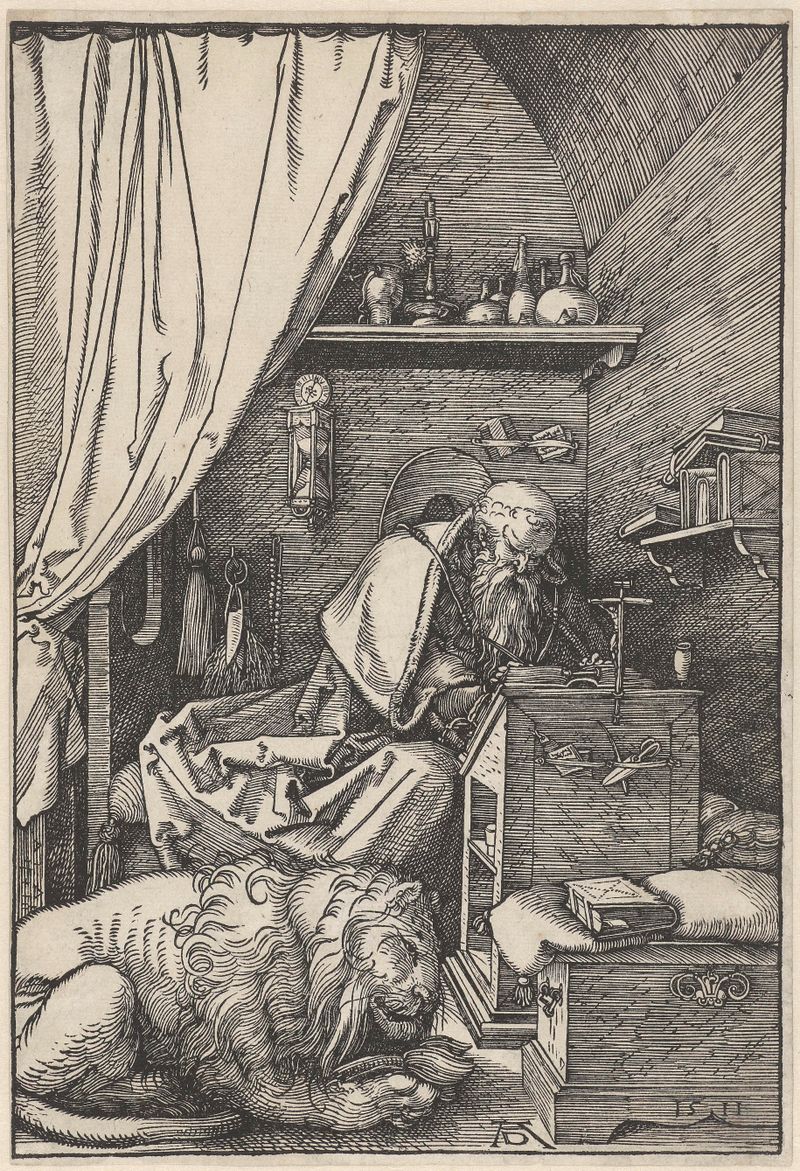
De Heilige Hiëronymus in zijn studeervertrek
Albrecht Dürer
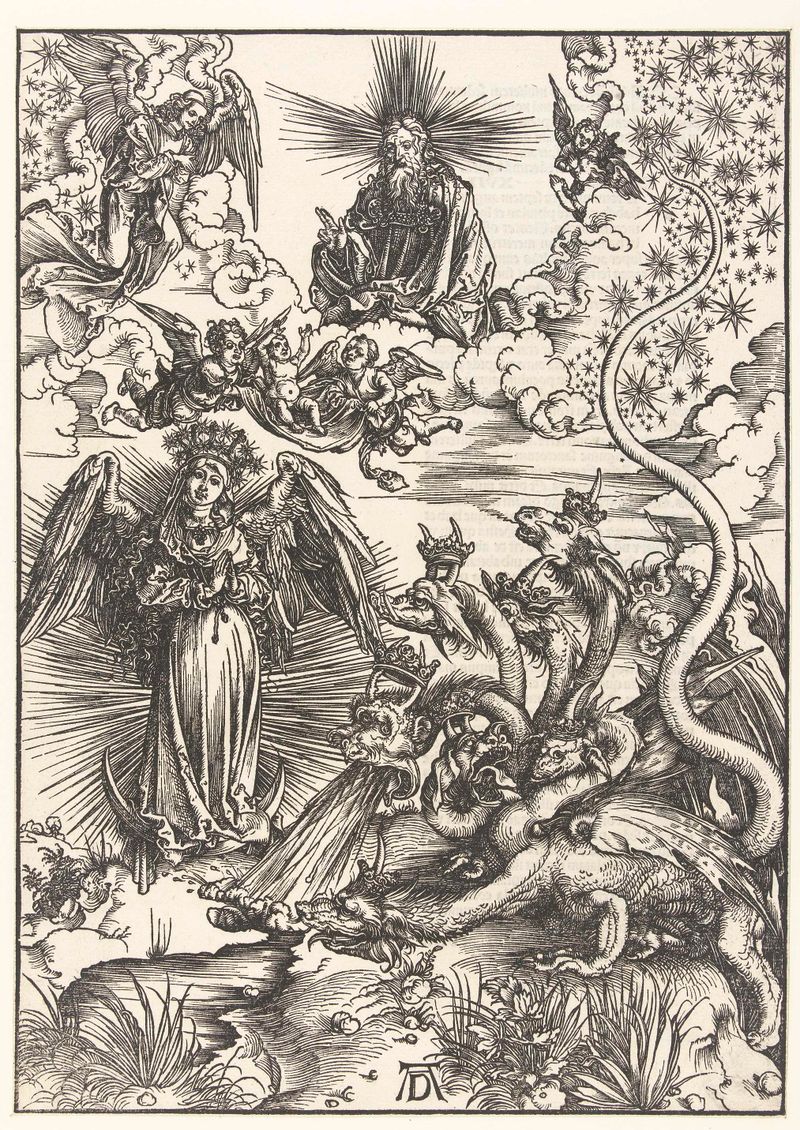
De apocalyptische vrouw en de zevenkoppige draak
Albrecht Dürer
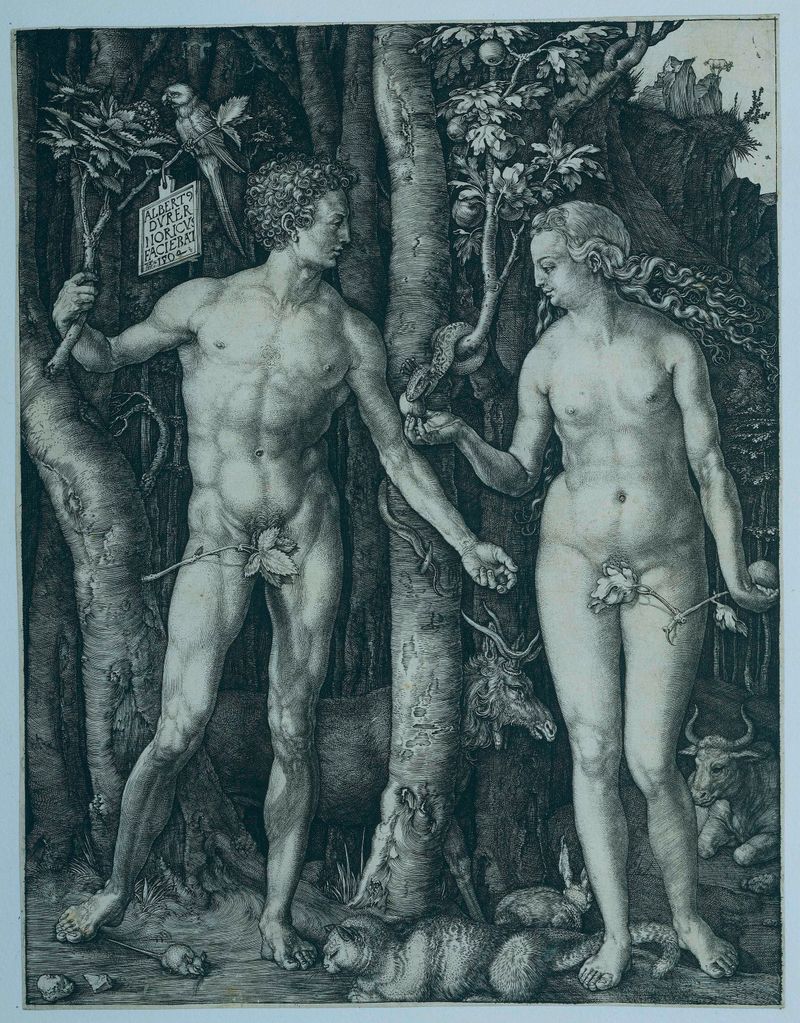
Adam en Eva
Albrecht Dürer
More Religious Art
Browse all →
The Return of the Prodigal Son
Rembrandt van Rijn

The Garden of Earthly Delights
El Bosco

Count Orgaz’ funeral
El Greco

The Hundred Guilder Print: the central piece with Christ preaching, the plate arched
Rembrandt van Rijn

The Descent from the Cross
Rogier van der Weyden

The return of the prodigal son
Rembrandt van Rijn