
Zoroaster Peak (Grand Canyon, Arizona) — History & Facts
Can paint confess what words never could? In the vibrant hues of Zoroaster Peak, we find a profound dialogue between nature's majesty and the artist's vision, each brushstroke whispering secrets of balance and harmony. Focus on the peak to the left, where subtle layers of ochre and crimson rise dramatically against a cerulean sky. The composition invites your gaze to trace the cliff's rugged edges, guiding you deeper into the expansive canvas. Notice how the play of light dances across the surface, illuminating the textures of rock and vegetation, creating a sense of depth that pulls you into this vast, untamed wilderness. Yet, amidst the grandeur, a delicate contrast emerges.
The warm earth tones of the cliffs juxtapose the cool serenity of the sky, portraying nature not just as a spectacle, but as a realm of emotional complexity. The gentle sweep of the valley below balances the towering peak, suggesting a quiet dialogue between strength and tranquility. Here, within the interplay of shadow and light, the piece captures both the majesty of the landscape and the intimate feeling of solitude it evokes. In 1918, Thomas Moran painted this masterpiece during a time when the American art scene was embracing the grandeur of the natural world.
Living in a post-war era, he sought to convey nature's power and beauty as a counter to human conflict. This work reflects his ongoing fascination with the American landscape, cementing his status as a pivotal figure in environmental art during a period of growing national consciousness around the preservation of natural spaces.
More Artworks by Thomas Moran
Browse all →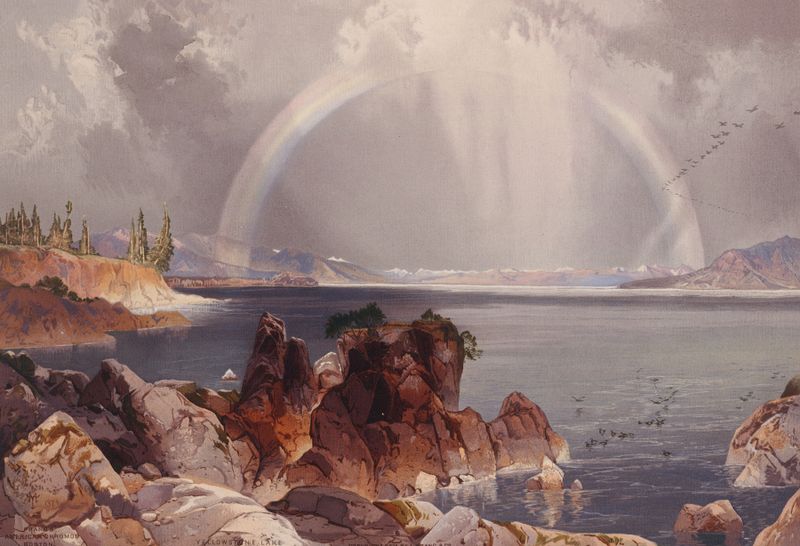
Yellowstone Lake
Thomas Moran

Grand Canyon of the Colorado River
Thomas Moran

Grand Canyon, Colorado River
Thomas Moran

The Towers of Tower Falls, Yellowstone
Thomas Moran
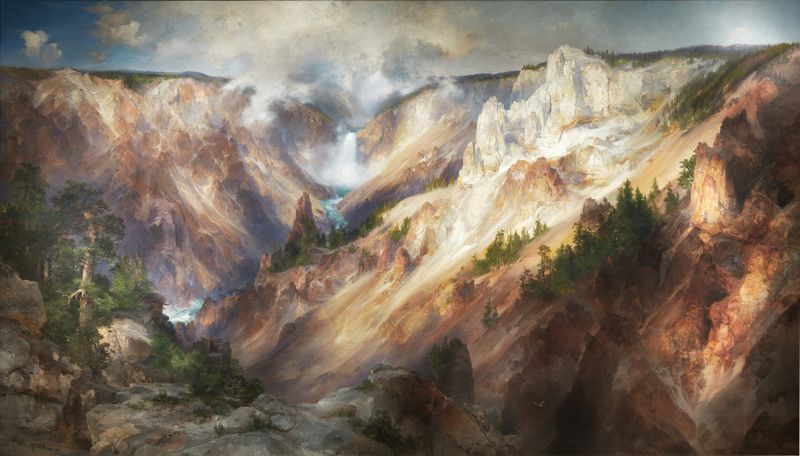
The Grand Canyon Of The Yellowstone
Thomas Moran

Mountain of the Holy Cross
Thomas Moran

Cliffs Of The Upper Colorado River, Wyoming Territory
Thomas Moran
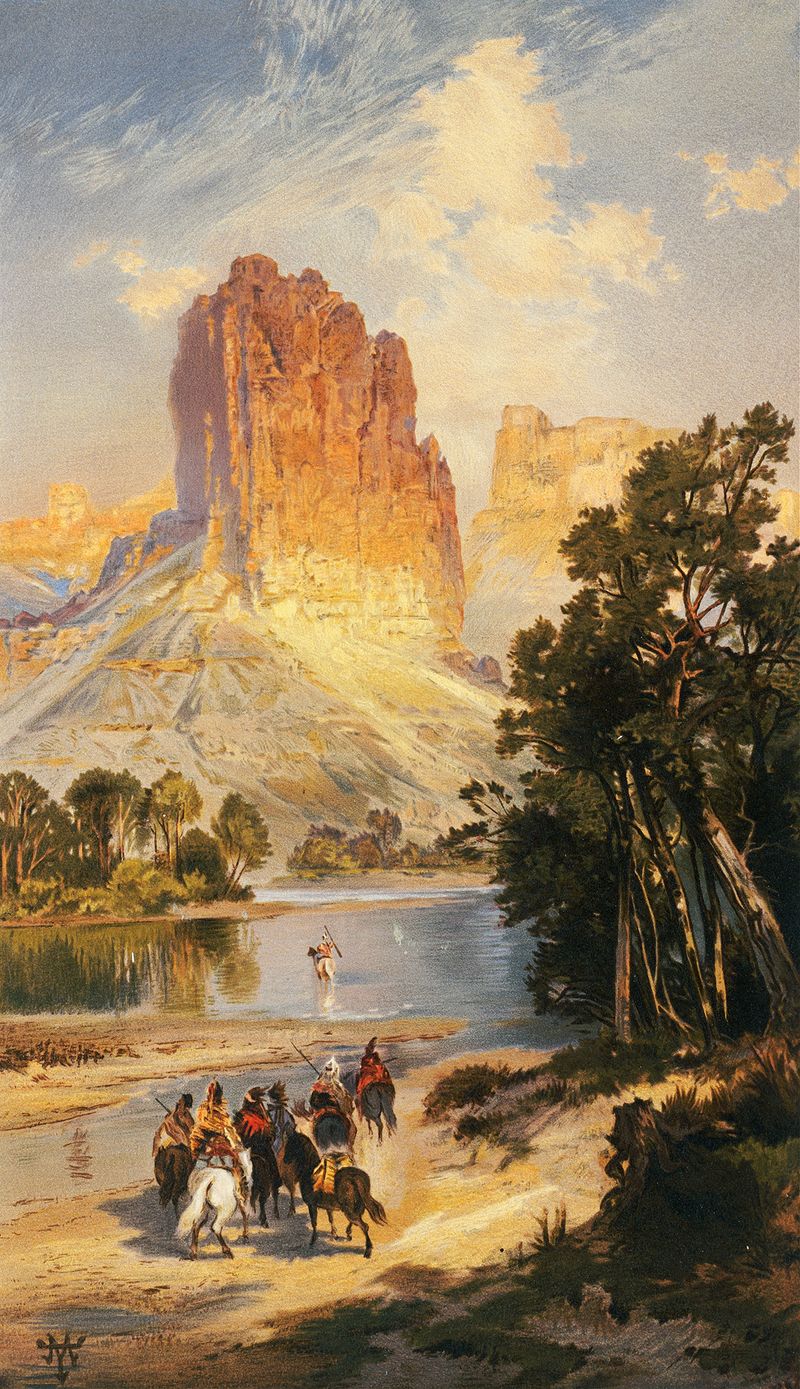
Cliffs of the Upper Colorado River, Wyoming Territory
Thomas Moran

Mammoth Hot Springs, Yellowstone
Thomas Moran
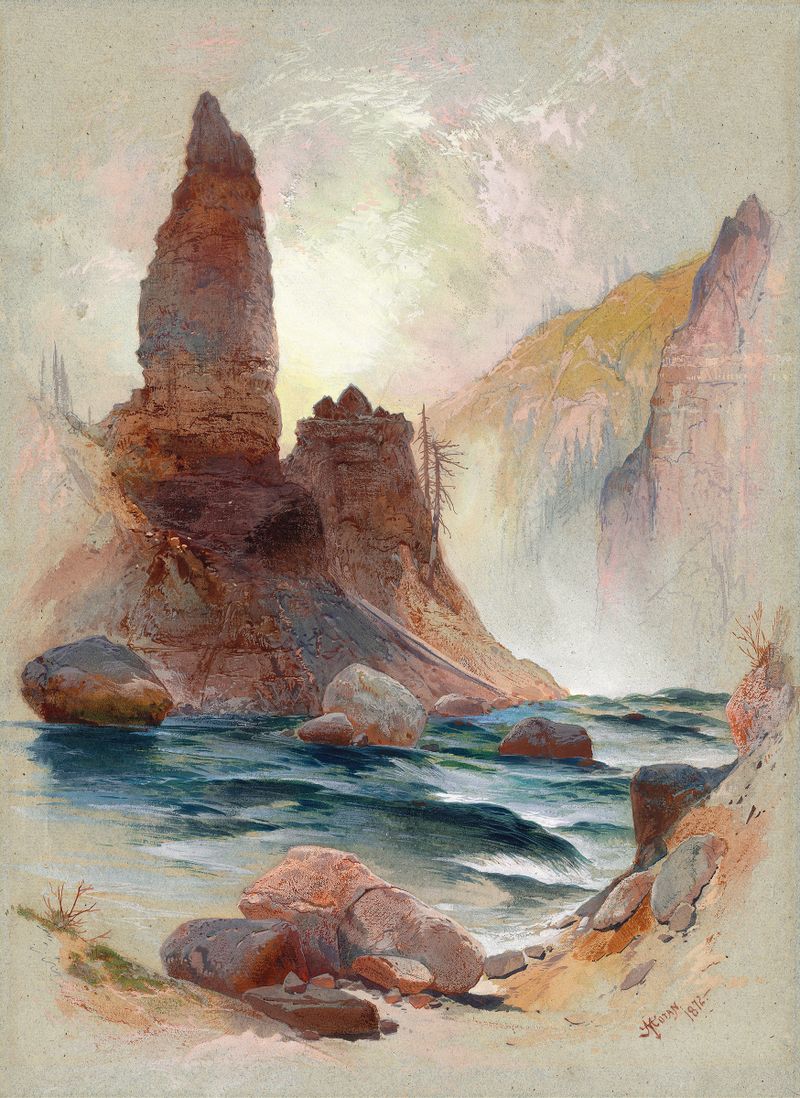
Tower at Tower Falls, Yellowstone
Thomas Moran





