
Zürsersee gegen die Wildgrubenspitze — History & Facts
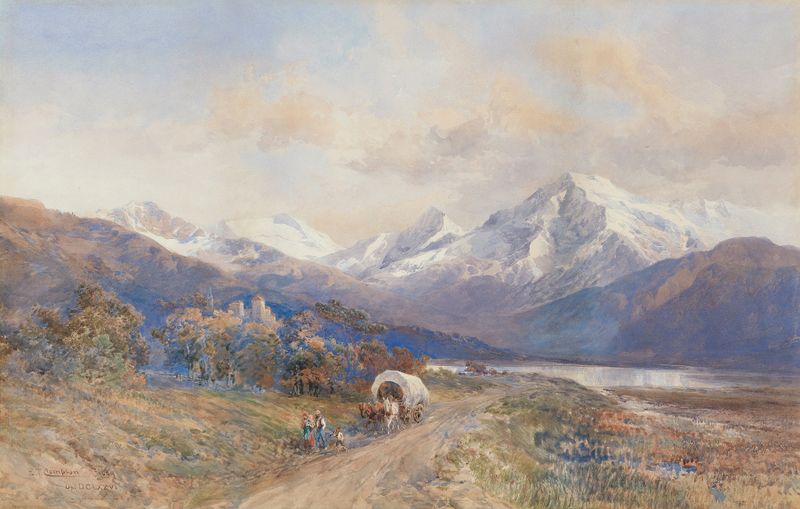
In that stillness lies an invitation to hope, to yearn for the beauty that exists beyond the visible. A landscape can hold our dreams, and in this case, the mountains stand as silent witnesses to aspirations yet to unfold. Look to the foreground where the tranquil waters of Zürsersee reflect the towering Wildgrubenspitze, capturing every nuance of the rugged peaks. The careful brushstrokes create a shimmering surface that invites your gaze deeper into the scene.
Notice how the hues blend seamlessly—calm greens and blues contrast with the imposing grays of the mountain, illustrating nature’s harmony amid grandeur. The composition draws the eye upward, as if beckoning the viewer to seek inspiration among the heavens. Within this serene depiction lies a subtle tension between the stillness of the water and the monumental presence of the mountains. The clarity of the reflection suggests a sense of tranquility, while the towering peaks remind us of nature’s might and permanence.
This interplay evokes a sense of balance—an acknowledgment of aspiration anchored by the formidable realities of life. Hope thrives in this delicate duality, urging us to embrace both the serene and the sublime. In 1905, Edward Theodore Compton painted this piece during his time in the Alps, where he was deeply influenced by the breathtaking landscapes surrounding him. This period marked a growing interest in capturing the beauty of nature, as artists sought to express their experiences of the world.
Compton’s dedication to plein air painting allowed him to convey not just the scenery, but also the emotions it inspired, reflecting a broader movement toward realism in art during that era.
More Artworks by Edward Theodore Compton
Browse all →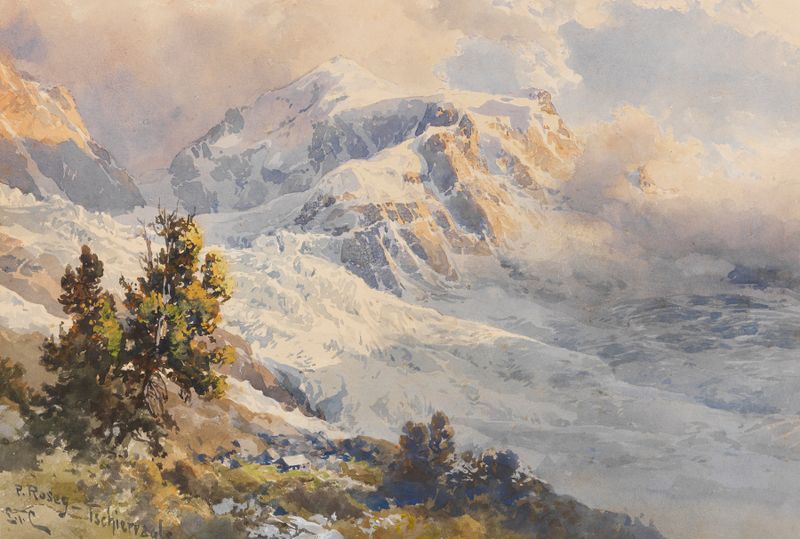
Piz Roseg – Tschiervagletscher
Edward Theodore Compton
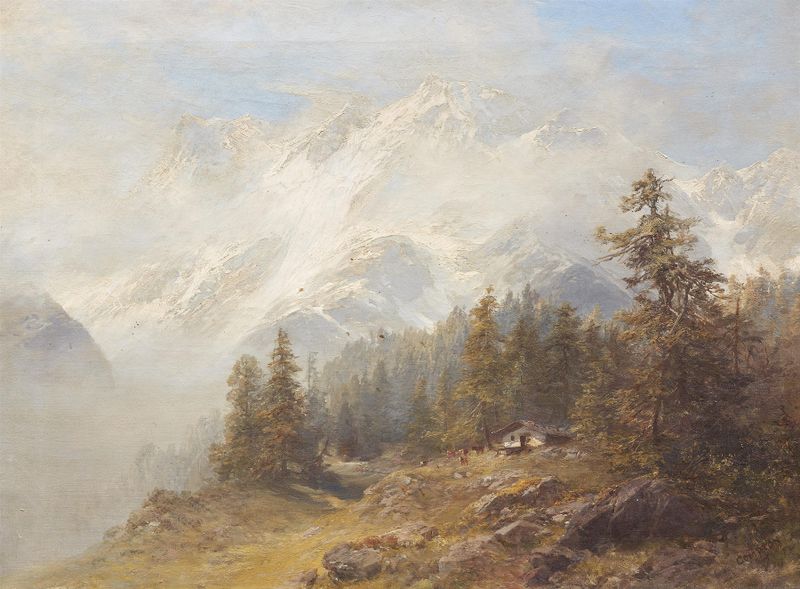
Alpenlandschaft vor schneebedecktem Massiv
Edward Theodore Compton
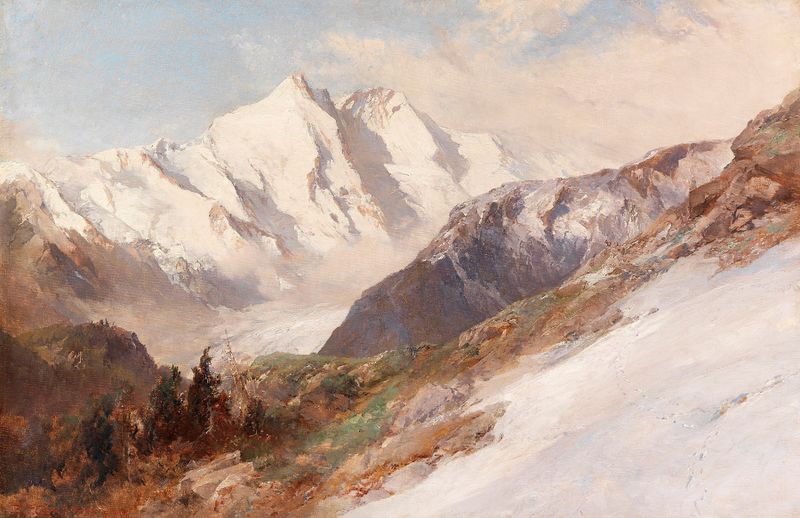
Blick auf die Nordseite des Großglockners
Edward Theodore Compton
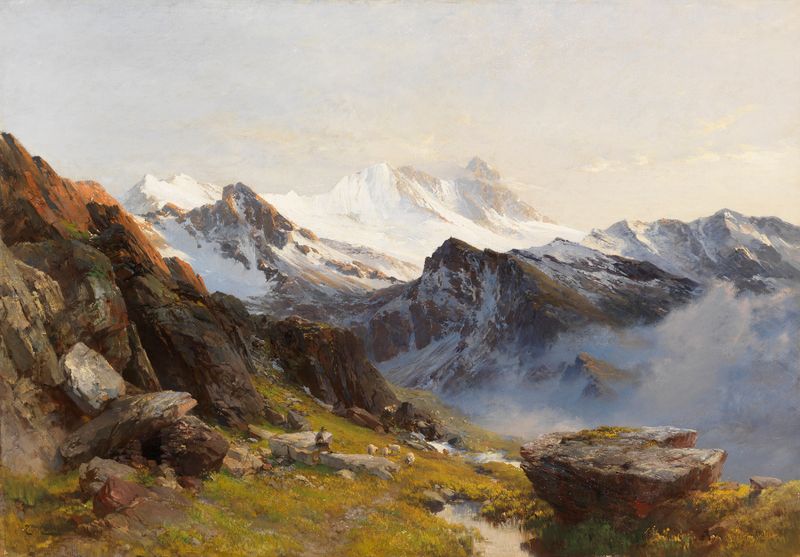
Großglockner von der Prager Hütte aus, früh
Edward Theodore Compton
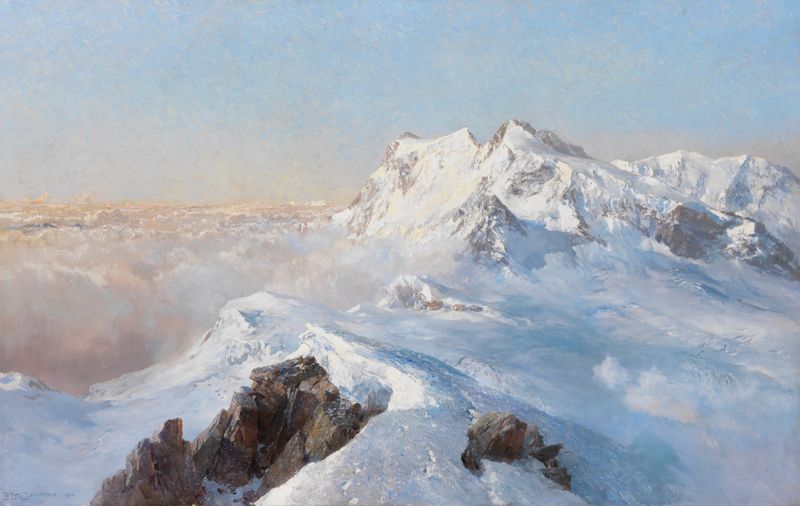
Über dem Nebelmeer (Monte Rosa vom Rimpfischhorn)
Edward Theodore Compton
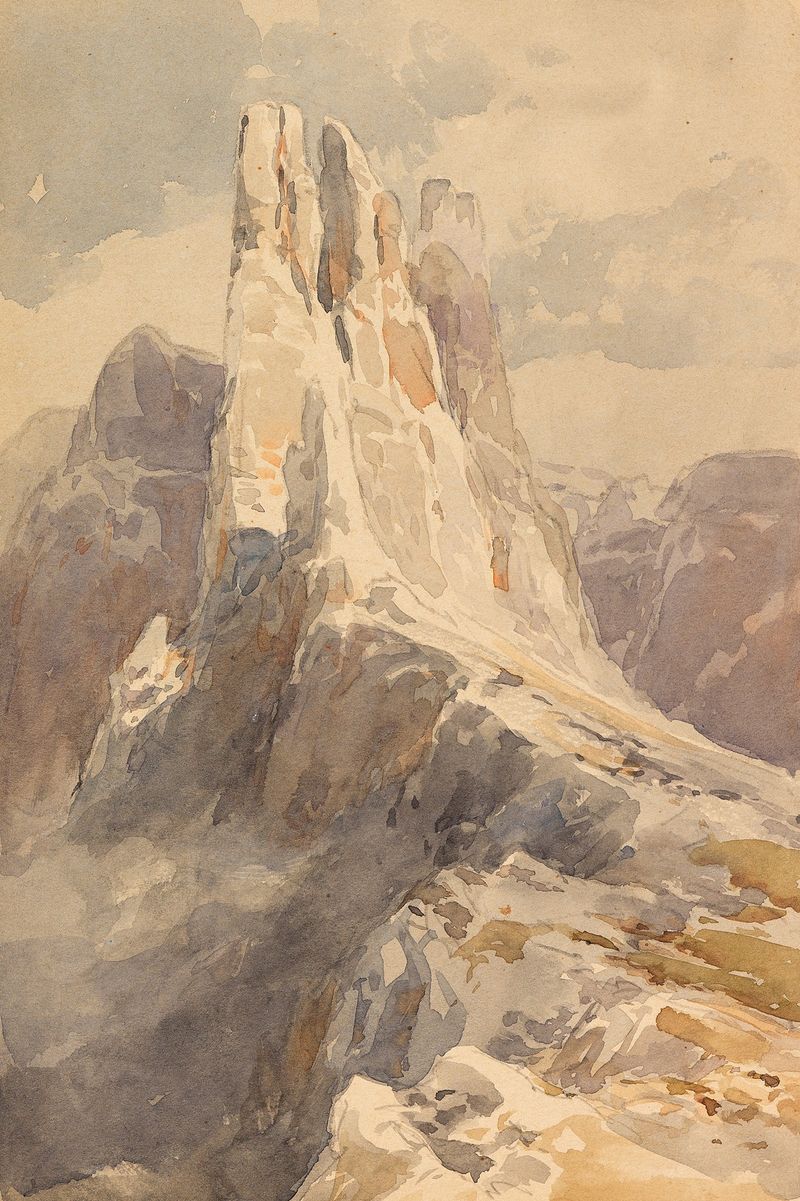
Blick auf die Vajolet-Türme in den Dolomiten
Edward Theodore Compton
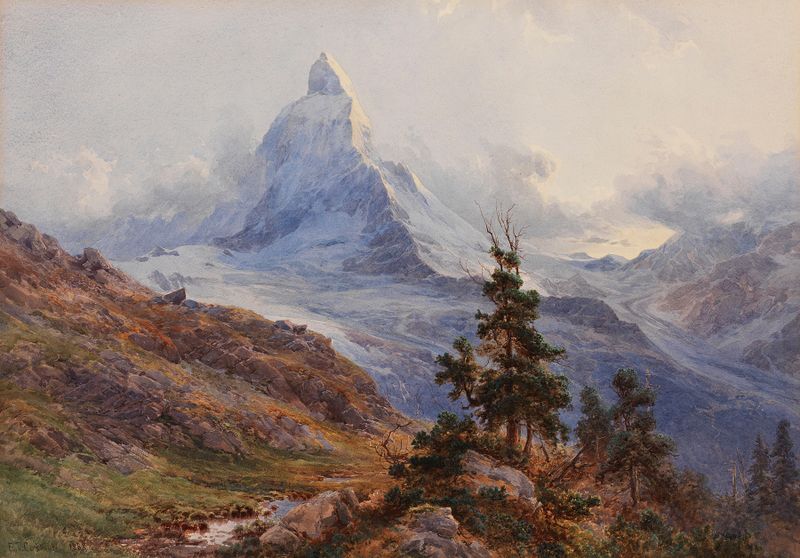
View of the Matterhorn
Edward Theodore Compton
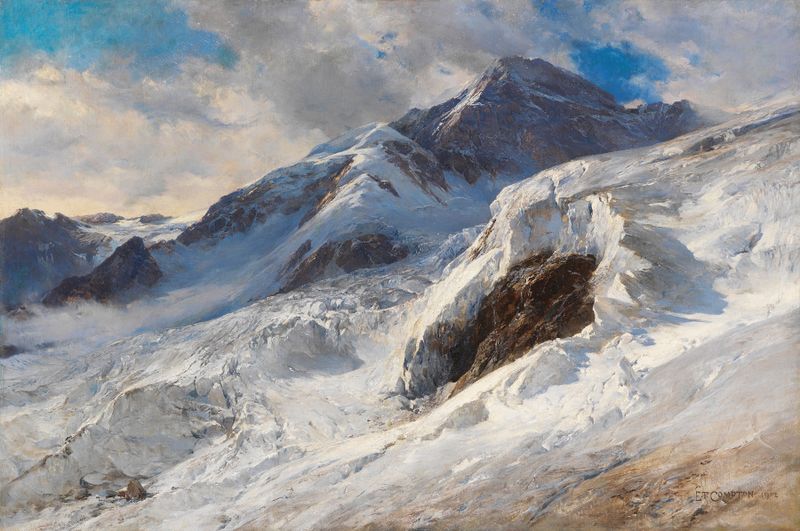
Lyskamm (Monte-Rosa)
Edward Theodore Compton
Blick auf den Ortler von St. Valentin
Edward Theodore Compton
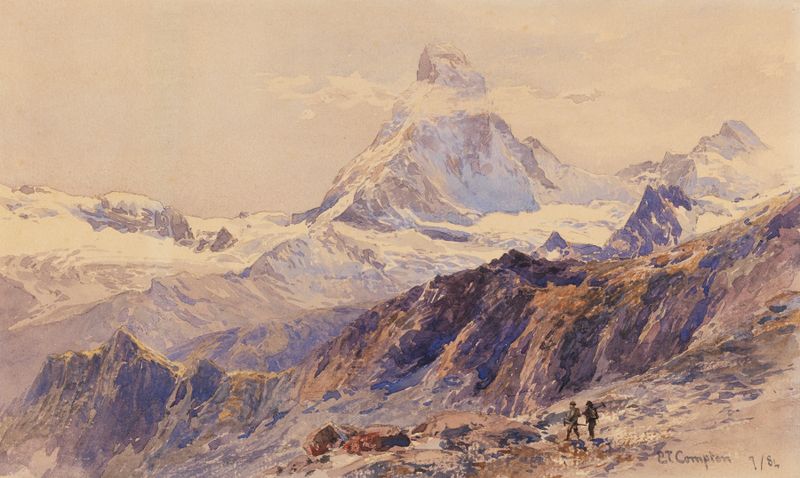
Das Matterhorn von der Triftkumme
Edward Theodore Compton





