
Museum of Fine Arts Boston Famous Paintings: 8 Unmissable Major works
The Museum of Fine Arts Boston famous paintings collection is a treasure trove of artistic brilliance. Housing works from renowned artists across different eras, the museum offers visitors a chance to engage with art history firsthand. From iconic modernism to intricate realism, each piece tells its own story, inviting viewers to explore the depths of human expression.
Edward Hopper's Nighthawks

Standing before Edward Hopper's Nighthawks, one is immediately struck by the stark contrast between the diner’s warm interior and the cool, dark cityscape outside. Painted in 1942, this piece captures a moment of urban isolation, with its three patrons and a server illuminated under the diner’s bright lights. Hopper’s use of light and shadow creates a depth that draws viewers into the scene, making them ponder the stories behind each figure.
Gustav Klimt's The Kiss

Gustav Klimt’s The Kiss envelops viewers in a golden embrace. Created between 1914 and 1915, this painting is a celebration of love and unity, with the couple adorned in intricate patterns and golden hues. Klimt’s signature use of gold leaf and decorative motifs creates a dreamlike atmosphere, inviting viewers to explore the textures and patterns that define the figures.
Albrecht Dürer's Melancholia

Albrecht Dürer's Melancholia is an enigmatic print from 1514 that continues to puzzle art historians. This allegorical piece depicts melancholy, a temperament associated with creative genius. The print's intricate details and symbolic elements invite viewers to ponder the nature of human creativity and the inevitable imperfections of man-made creations.
John Singer Sargent's The Daughters of Edward Darley Boit
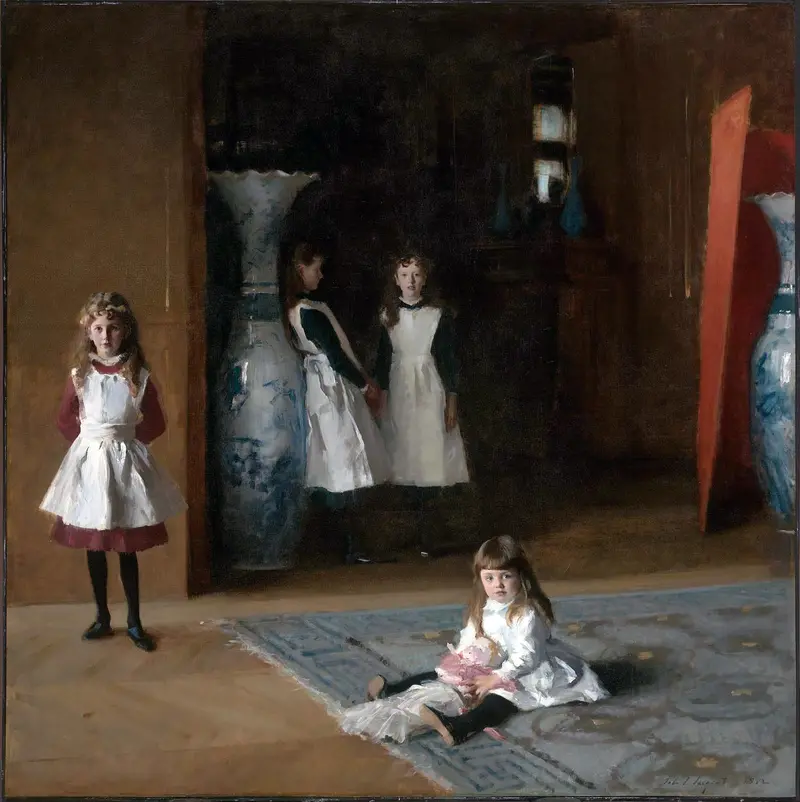
In The Daughters of Edward Darley Boit, John Singer Sargent captures the essence of childhood within a domestic setting. Painted in the 1880s, this portrait features four young girls arranged in a richly colored environment, with deep reds and soft pastels. The composition draws the viewer’s eye across the canvas, highlighting the individuality of each girl amidst the shadowy background.
Henri Matisse's Le Bonheur de vivre
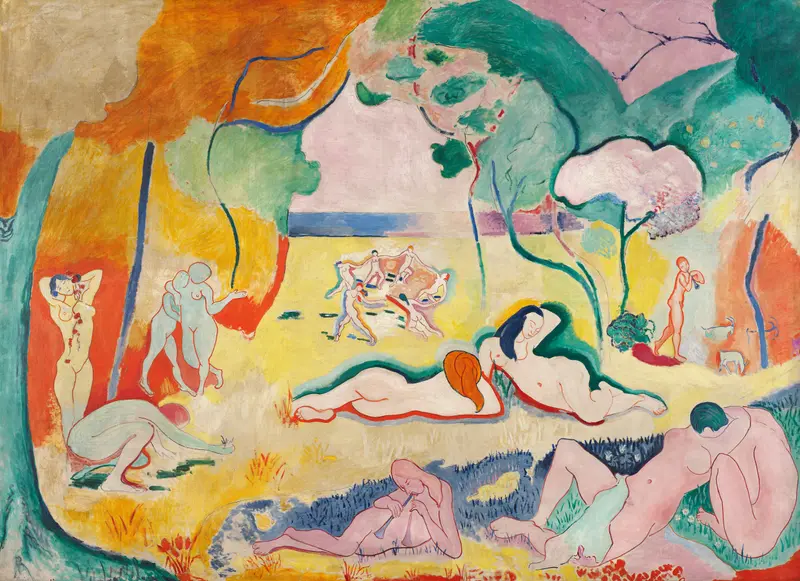
Henri Matisse's Le Bonheur de vivre is a celebration of color and form. Painted around 1905-1906, this large canvas features nude figures in a vibrant landscape, embodying the joy of life. Matisse’s bold use of color and fluid lines exemplifies the Modernism movement, creating a sense of movement and vitality that captivates viewers.
Johannes Vermeer's The Concert
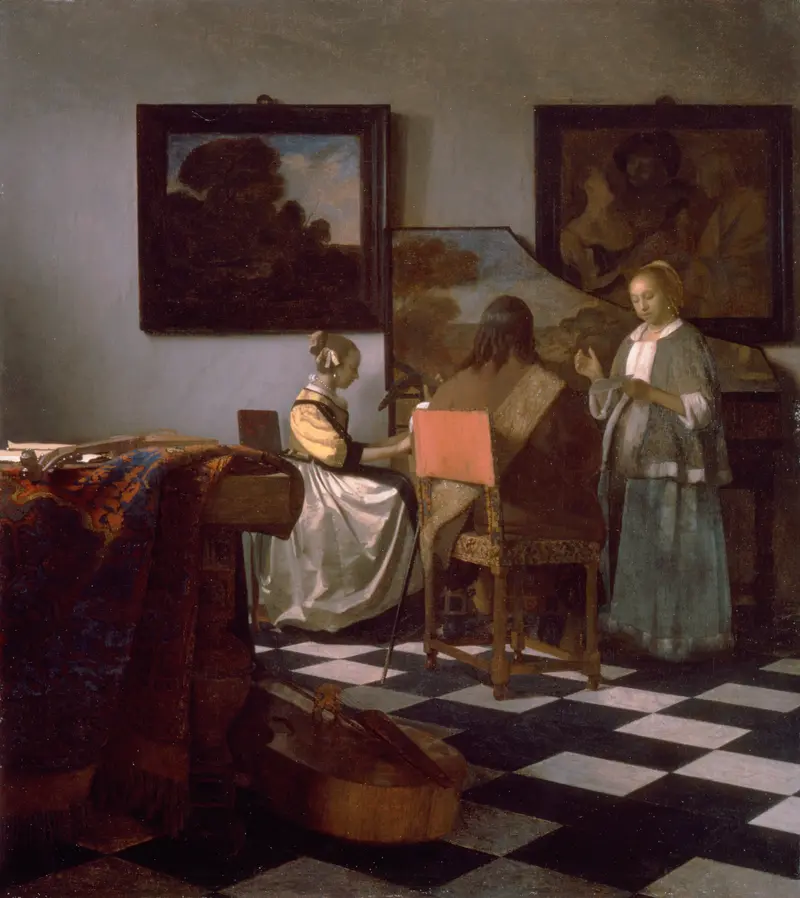
Although The Concert by Johannes Vermeer is no longer on display due to its 1990 theft, its legacy endures. This genre scene, painted in 1663, depicts three figures gathered around a harpsichord, creating a harmonious moment of music-making. Its absence is felt keenly, as the painting remains one of the most sought-after lost treasures in the art world.
Rembrandt van Rijn's The Storm on the Sea of Galilee
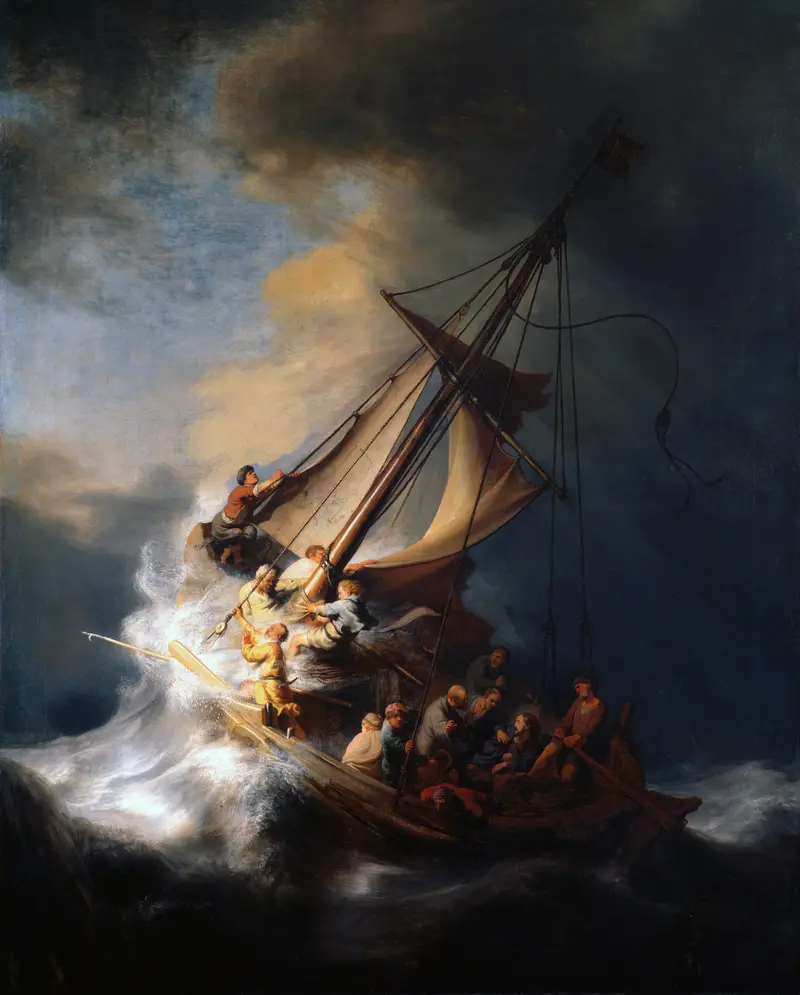
Rembrandt van Rijn's The Storm on the Sea of Galilee, another victim of the 1990 art heist, captures a dramatic biblical scene. Painted in 1633, it portrays the moment when a violent squall threatens to capsize the disciples’ boat. The painting's disappearance adds a layer of intrigue to its already powerful narrative.
Jan van Eyck's Adoration of the Lamb from the Ghent Altarpiece
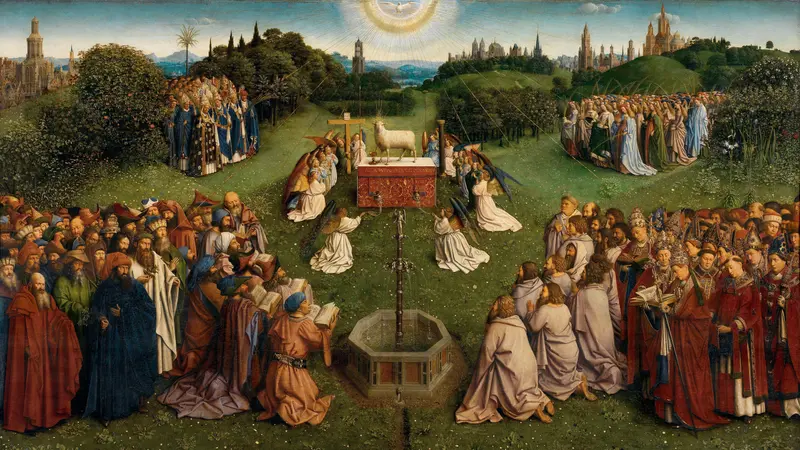
Jan van Eyck’s Adoration of the Lamb is a central panel of the Ghent Altarpiece, first unveiled in 1432. This religious scene is renowned for its dazzling realism and ambitious scale. Over the centuries, it has survived numerous threats, including theft and iconoclasm, mirroring the tumultuous history of Europe itself.
These major works at the Museum of Fine Arts Boston offer a glimpse into the rich tapestry of art history. Each piece invites contemplation and appreciation of its unique story and artistry. Visit FineArtFree to download these works in high resolution for free and bring a piece of art history into your own space.