
163 rue Saint-Denis — History & Facts
This sentiment resonates deeply in the framing of memory and mortality within the canvas. Each stroke captures the essence of fleeting moments, urging us to grasp the ephemeral nature of life before it slips away. Look closely at the foreground, where shadows stretch across the cobblestone street, hinting at the passage of time. The muted color palette envelops the scene in a soft, nostalgic haze, inviting you to linger in contemplation.
Notice how the warm light illuminates windows, as if they are portals into lives lived, fostering a delicate interplay between presence and absence. The careful details of the architecture evoke a sense of urban intimacy, yet the overarching stillness speaks volumes of silent stories lost to time. Within the composition, contrasts emerge between light and shadow, vitality and decay. The vibrant hues of the building juxtaposed against the somber shadows reflect the duality of existence — how joy and sorrow coexist in the human experience.
Each architectural element seems to whisper secrets of the past, entwining the viewer in a dialogue about what is remembered versus what fades, emphasizing the fragility of our narratives. In 1926, Boberg painted this piece during a period marked by both artistic exploration and personal introspection. Living in a time of profound social change, he sought to capture the essence of urban life amidst the backdrop of a modernizing world. This artwork stands as a testament to his ability to encapsulate the transient beauty around him, illustrating how he navigated the intertwining currents of memory, identity, and mortality.
More Artworks by Ferdinand Boberg
Browse all →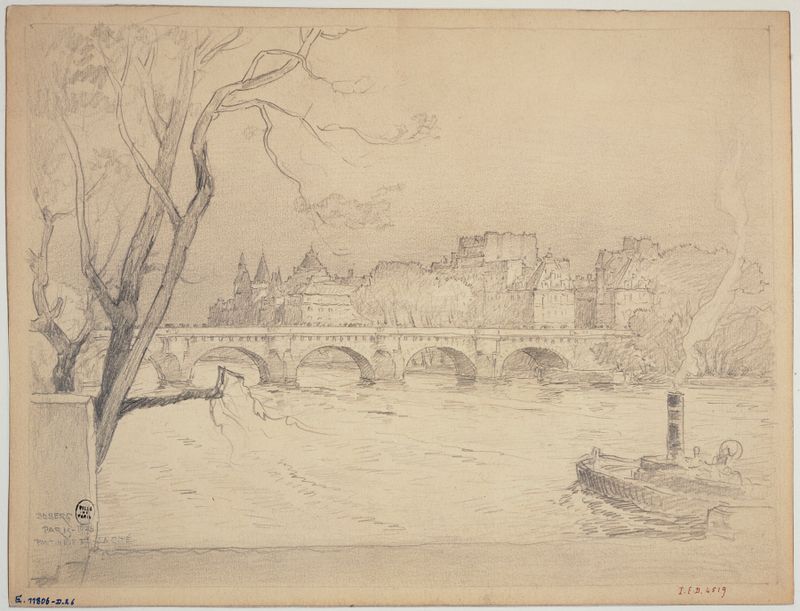
Le Pont-Neuf et la Cité
Ferdinand Boberg
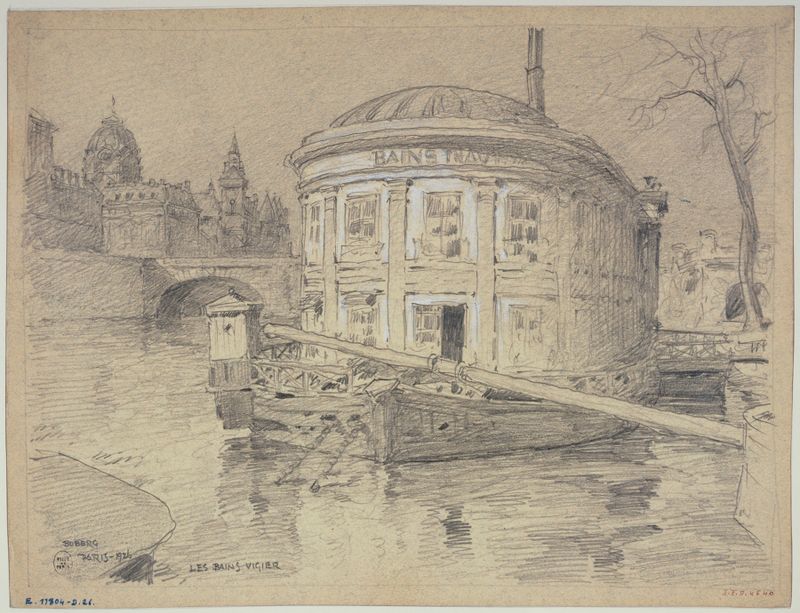
Les bains Vigier au Pont-Neuf
Ferdinand Boberg
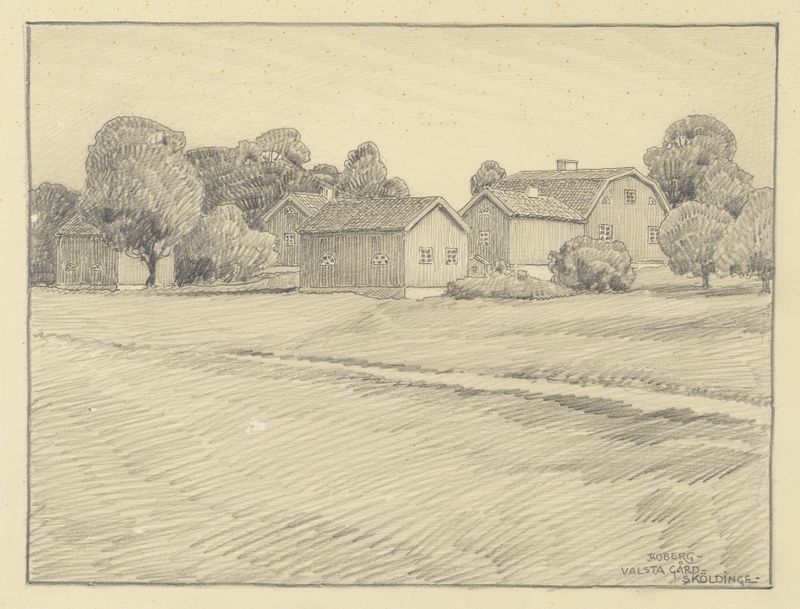
Valsta Gård
Ferdinand Boberg
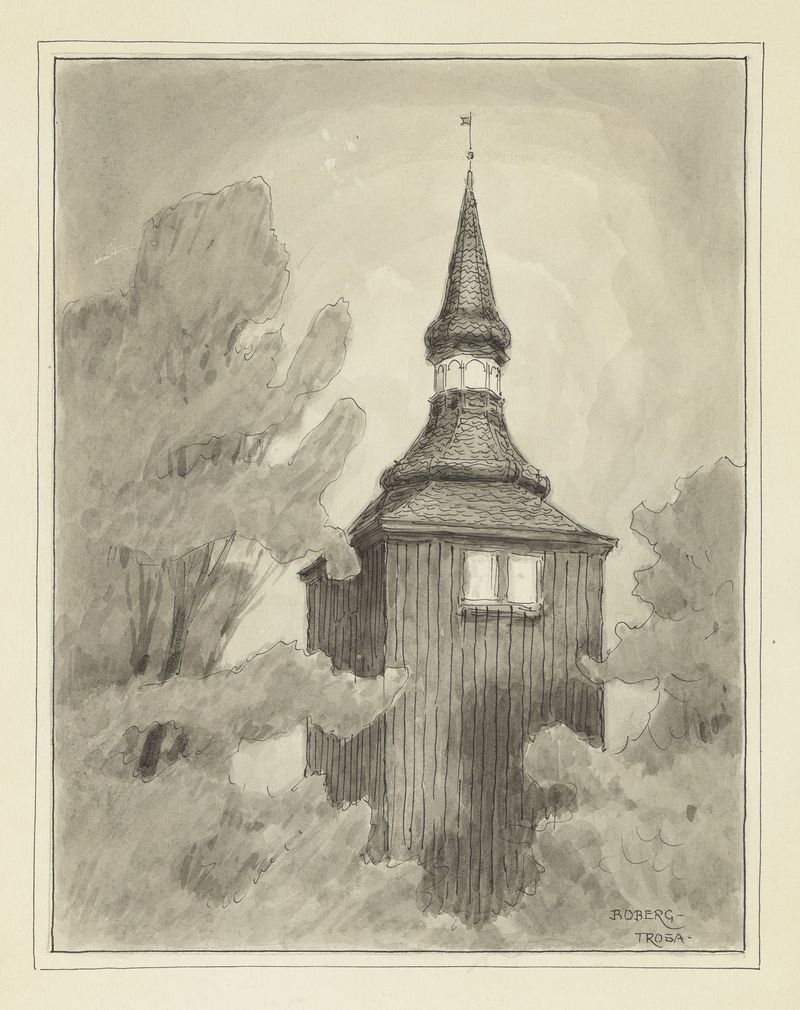
Trosa
Ferdinand Boberg
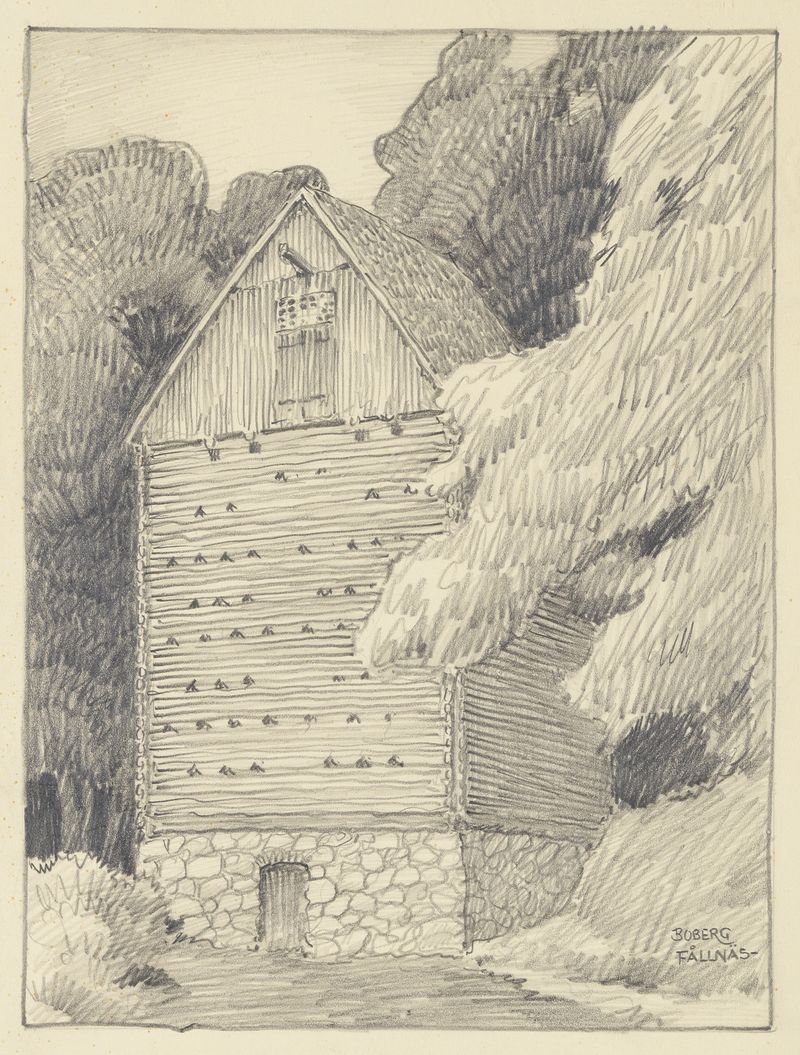
Fållnäs
Ferdinand Boberg
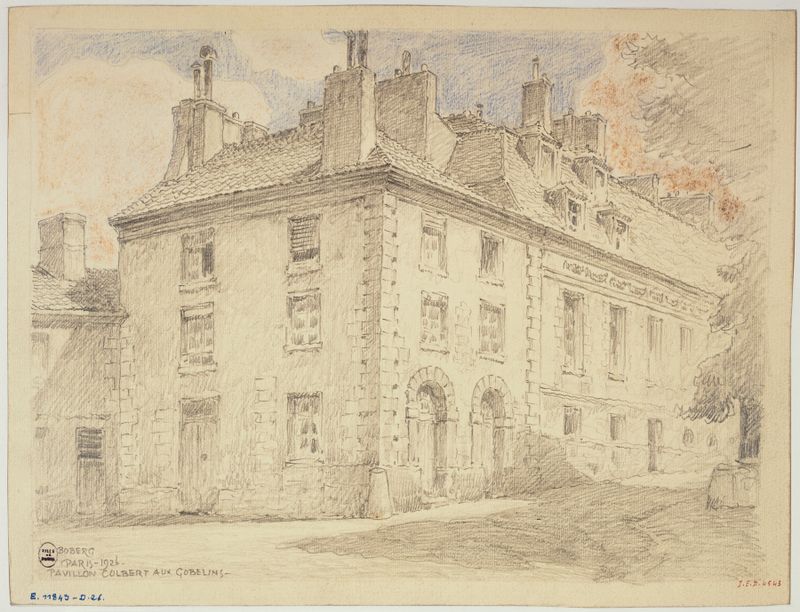
Le pavillon Colbert aux Gobelins
Ferdinand Boberg
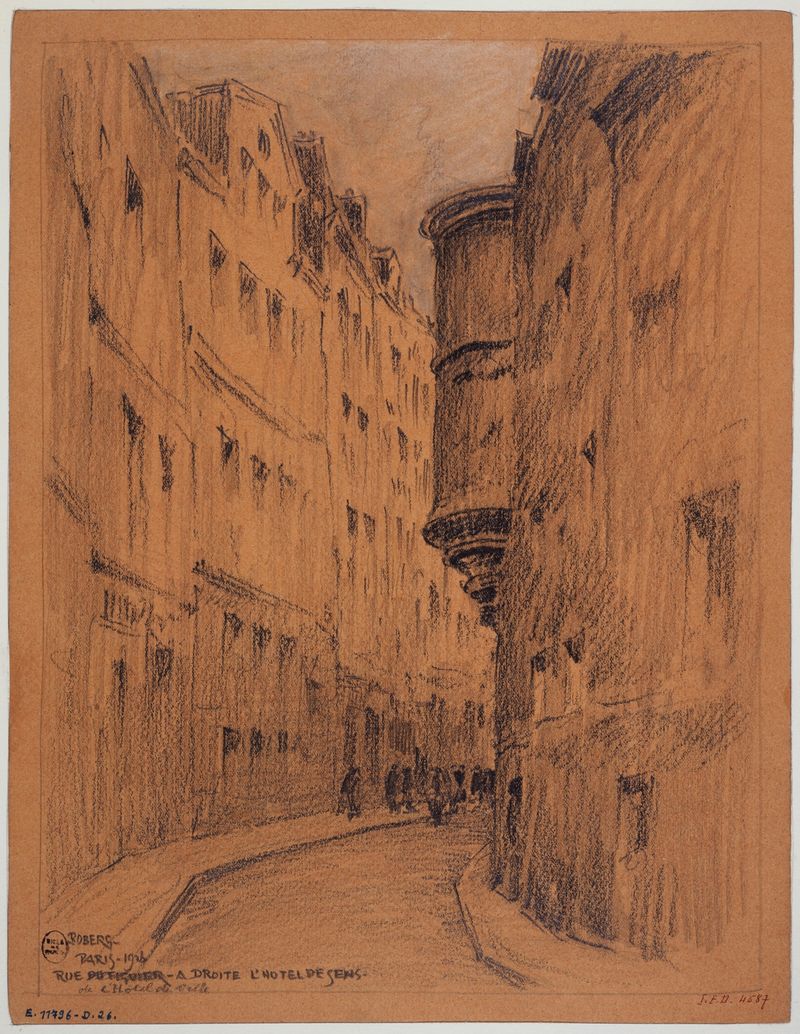
Rue de l’Hôtel de Ville; l’hôtel de Sens
Ferdinand Boberg
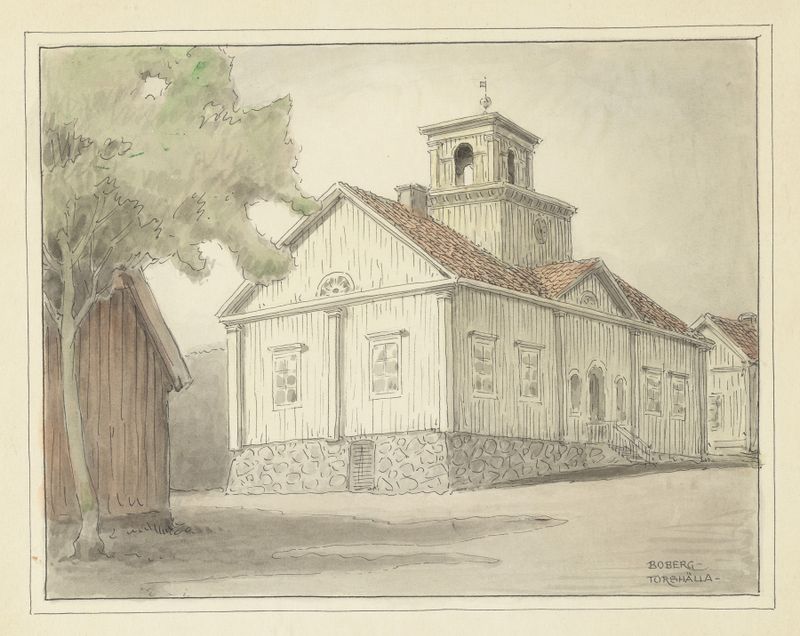
Torshälla
Ferdinand Boberg
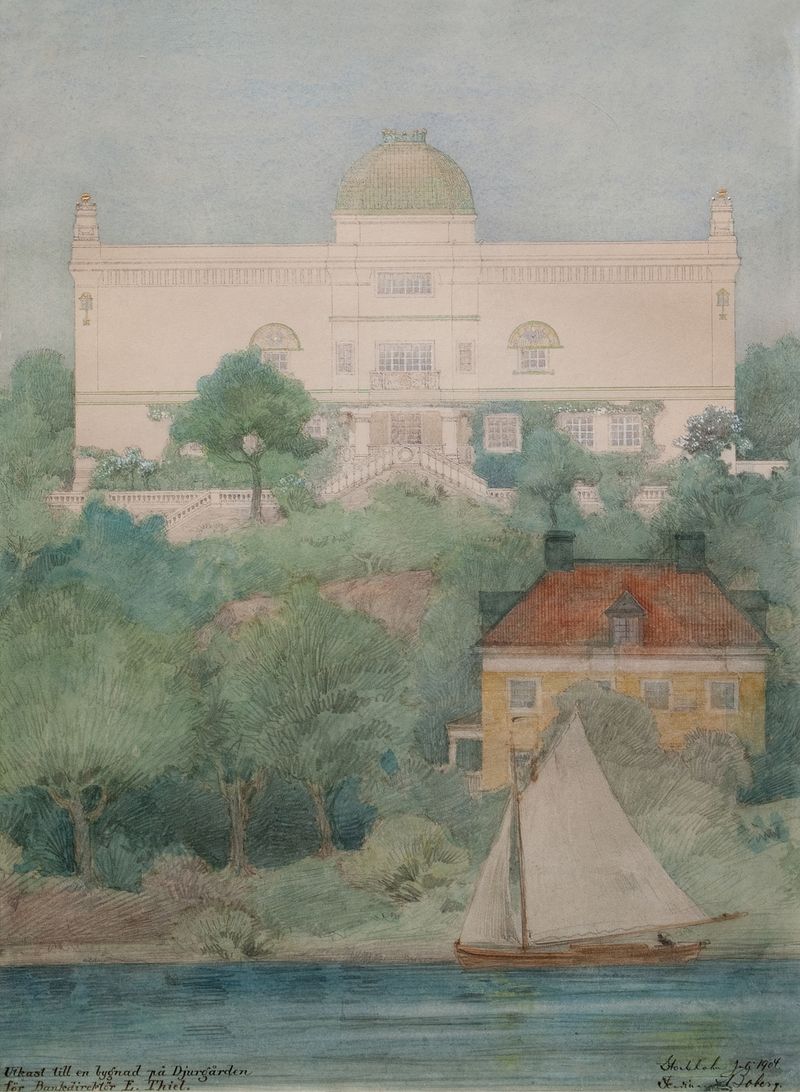
Sketch for a building for Thiel’s Gallery
Ferdinand Boberg
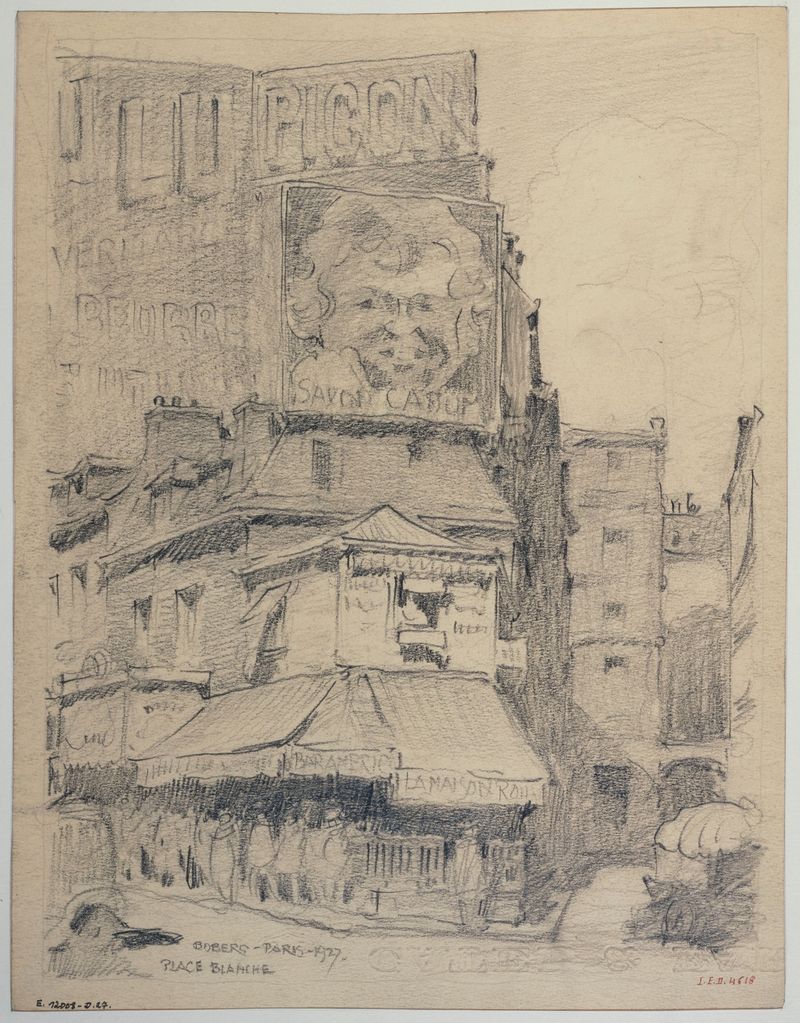
La place Blanche
Ferdinand Boberg
More Architecture Art
Browse all →
The statue of Liberty
Frédéric Auguste Bartholdi

View of Houses in Delft, Known as ‘The Little Street’
Johannes Vermeer

View of Houses in Delft, Known as ‘The Little Street’
Johannes Vermeer

The Cathedral in Rouen. The portal, Grey Weather
Claude Monet

The yellow house
Vincent van Gogh

The Church in Auvers-sur-Oise, View from the Chevet
Vincent van Gogh