
19-21, place Dauphine — History & Facts
In the echoes of history, the brush becomes a vessel for lost moments, transforming fleeting memories into eternal imagery. Focus on the left side of the canvas where a delicate interplay of light and shadow dances across the architectural forms. The elegant lines of the buildings rise majestically, harmonizing with the soft pastel hues that evoke a sense of nostalgia. Notice how the soft glow of twilight bathes the scene, casting long shadows that whisper stories of the lives once lived within those walls.
Each stroke carries a gentleness, inviting the viewer to linger in this serene moment. The juxtaposition of the warm tones against the cool shadows mirrors the tension between memory and reality. The empty street, devoid of people, speaks of solitude and reflection, encouraging an introspection that resonates deeply within the viewer. Small details, like the intricate ironwork on the balconies, hint at the richness of the past, while the absence of movement suggests a pause in time—an invitation to recall the faces and voices that once filled this vibrant space. In 1927, the artist painted this piece during a period of burgeoning modernity in Europe, when traditional forms were being redefined and the avant-garde was on the rise.
Boberg, then immersed in the cultural currents of Paris, sought to capture the essence of nostalgia amidst rapid change, reflecting a longing for a more serene, slower pace of life. His work resonates with the collective memory of a city, both cherished and fleeting, as it evolved.
More Artworks by Ferdinand Boberg
Browse all →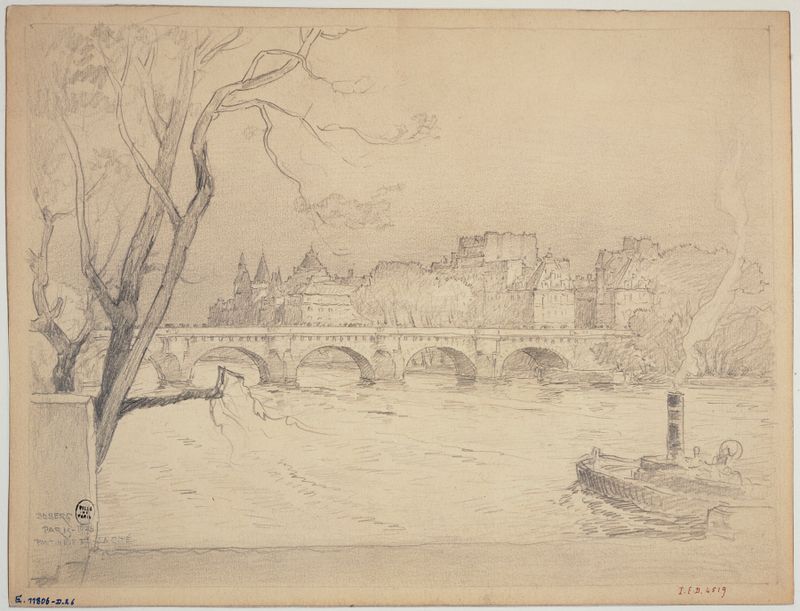
Le Pont-Neuf et la Cité
Ferdinand Boberg
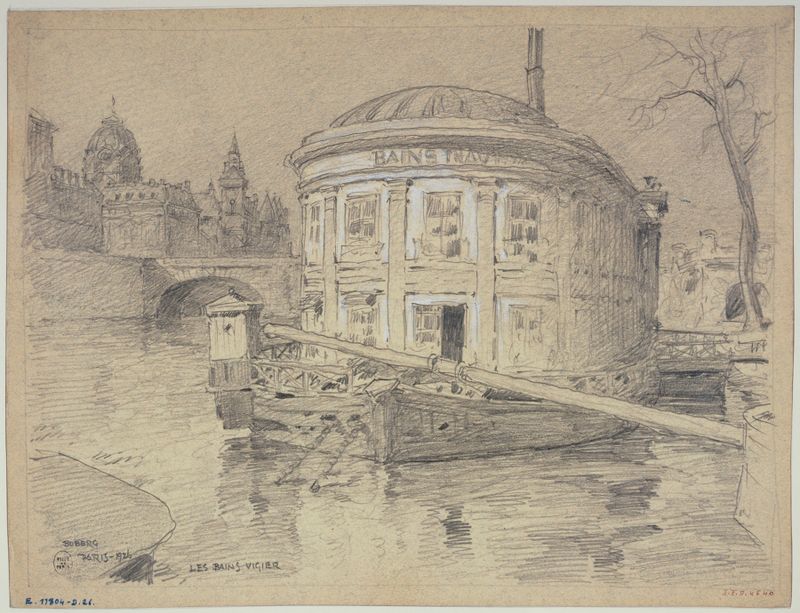
Les bains Vigier au Pont-Neuf
Ferdinand Boberg
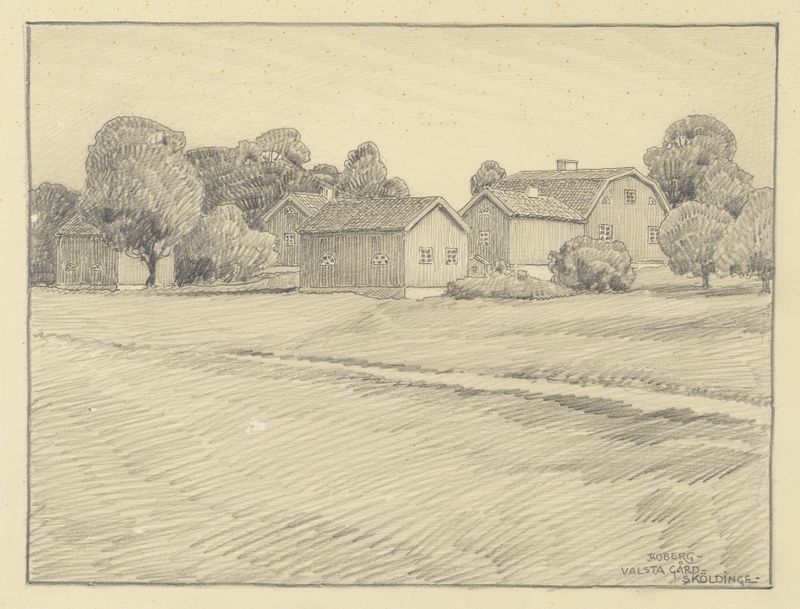
Valsta Gård
Ferdinand Boberg
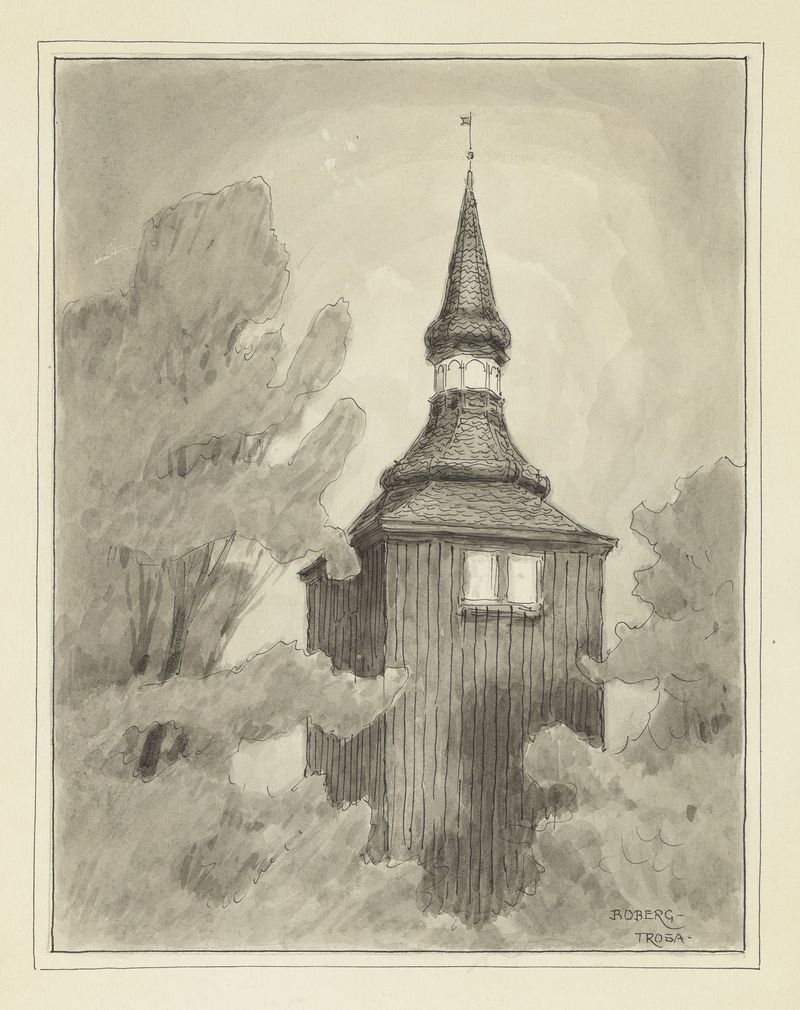
Trosa
Ferdinand Boberg
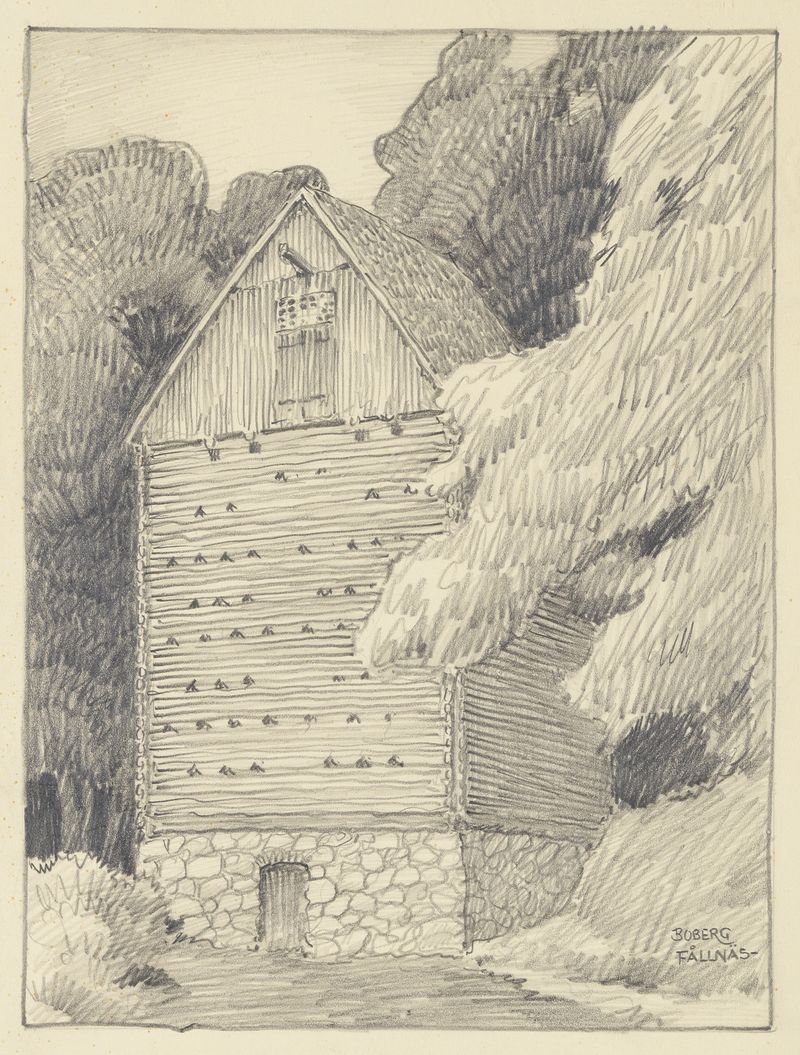
Fållnäs
Ferdinand Boberg
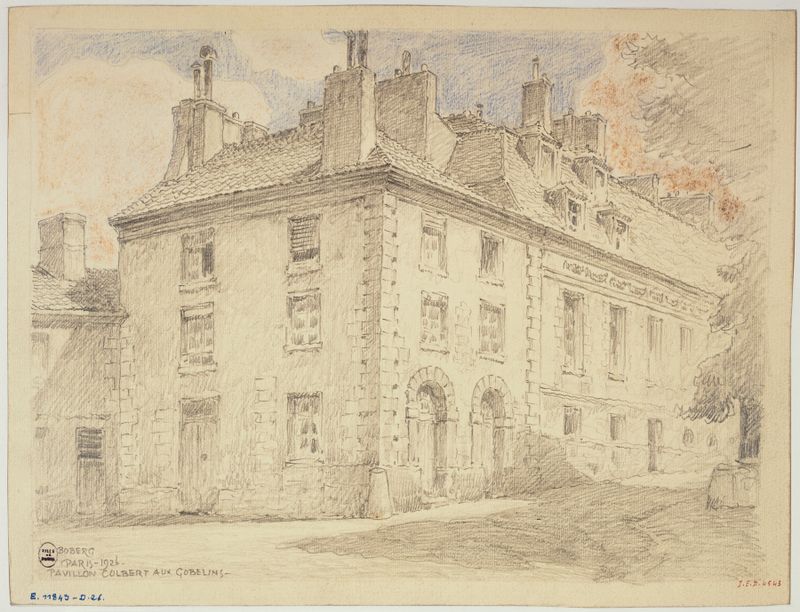
Le pavillon Colbert aux Gobelins
Ferdinand Boberg
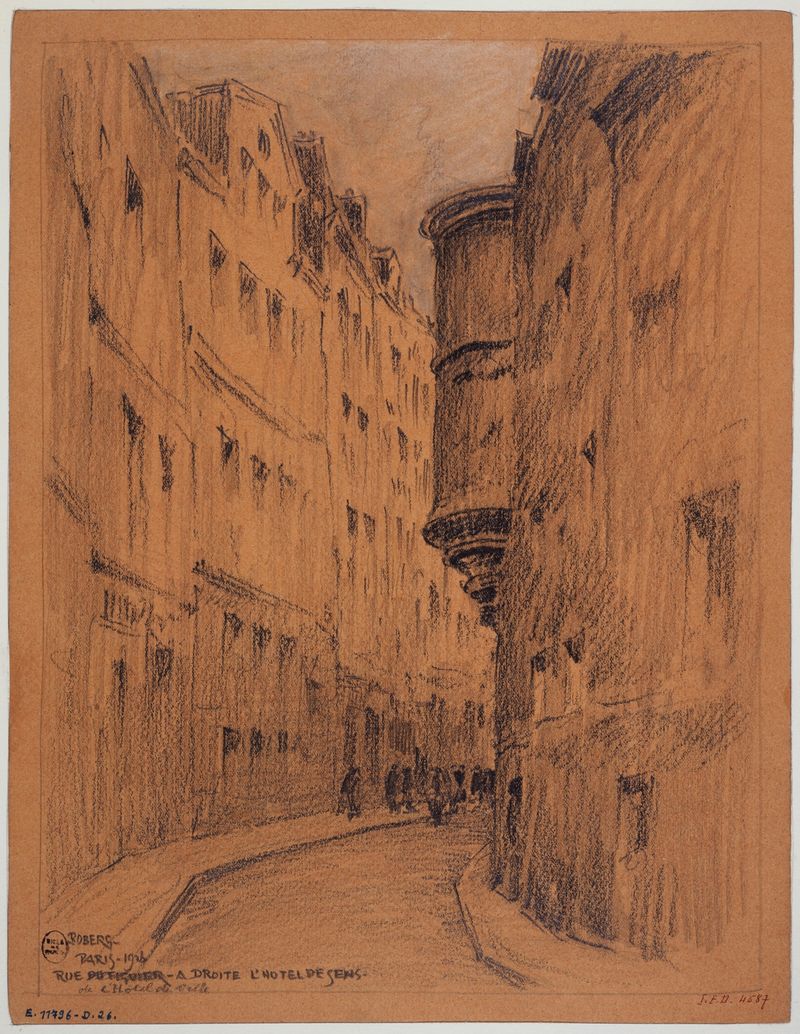
Rue de l’Hôtel de Ville; l’hôtel de Sens
Ferdinand Boberg
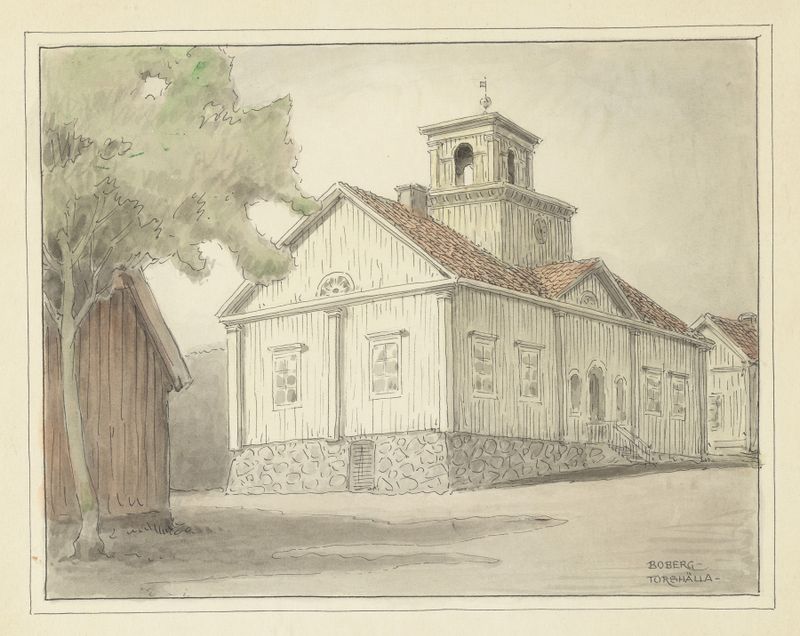
Torshälla
Ferdinand Boberg
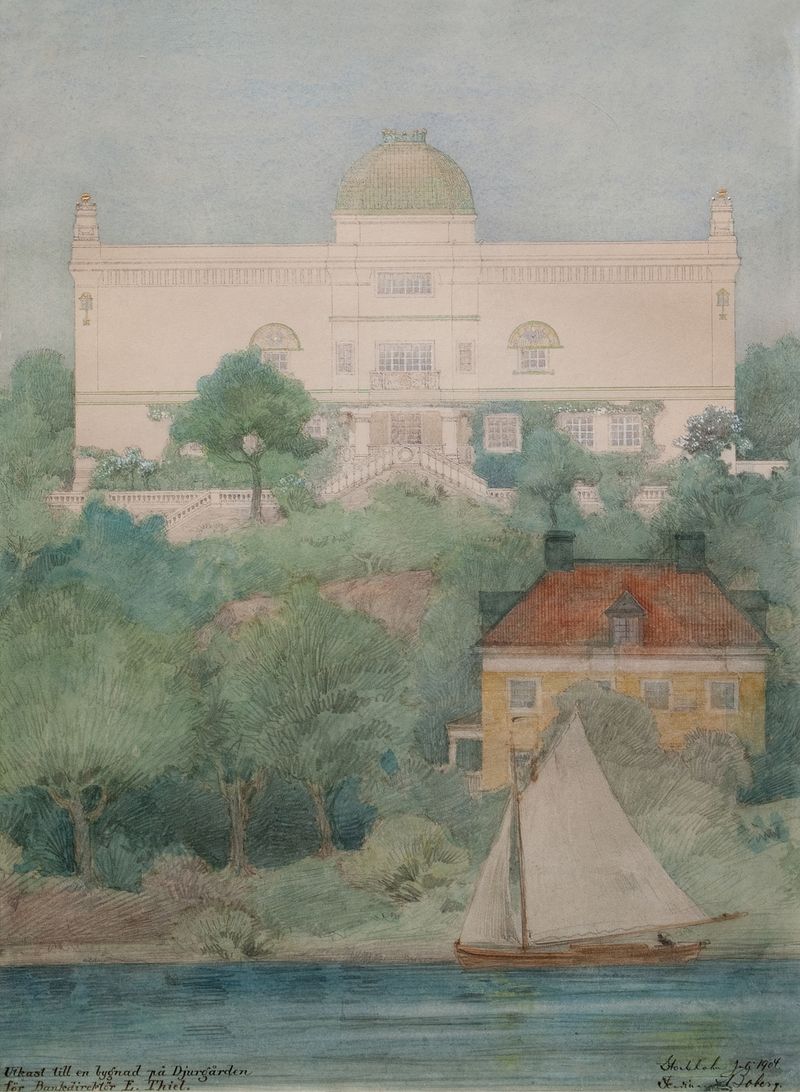
Sketch for a building for Thiel’s Gallery
Ferdinand Boberg
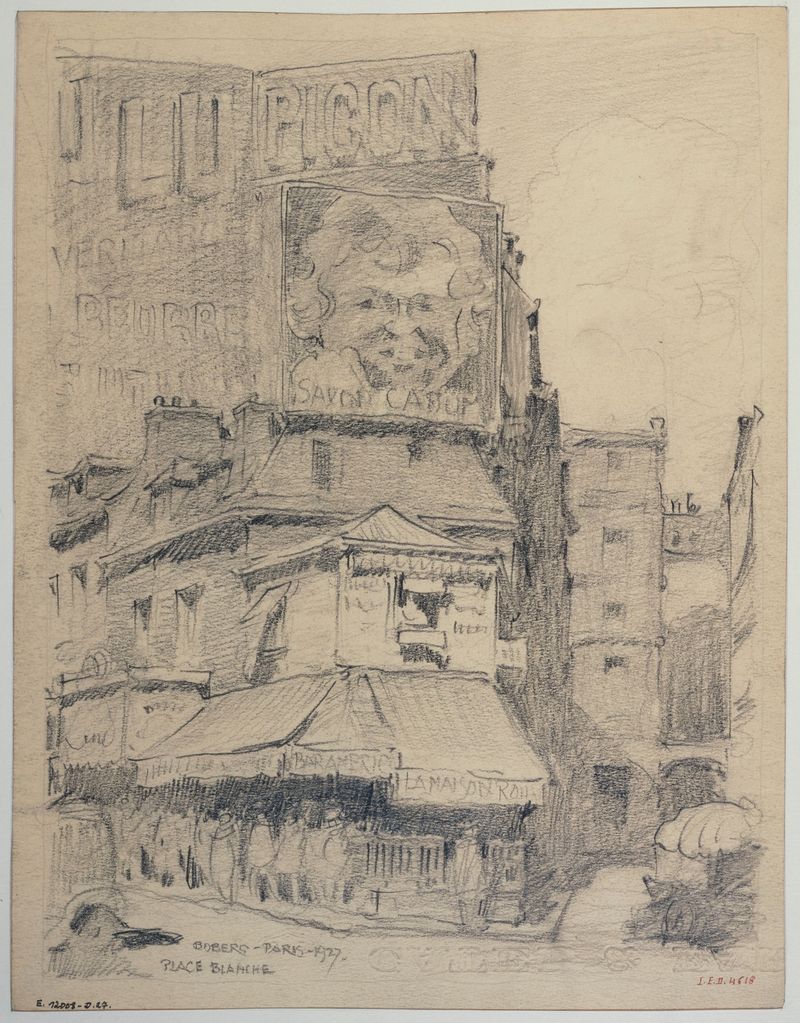
La place Blanche
Ferdinand Boberg
More Architecture Art
Browse all →
The statue of Liberty
Frédéric Auguste Bartholdi

View of Houses in Delft, Known as ‘The Little Street’
Johannes Vermeer

View of Houses in Delft, Known as ‘The Little Street’
Johannes Vermeer

The Cathedral in Rouen. The portal, Grey Weather
Claude Monet

The yellow house
Vincent van Gogh

The Church in Auvers-sur-Oise, View from the Chevet
Vincent van Gogh