
49 rue Didot (futur square du Moulin-Vert) — History & Facts
Where does light end, and longing begin? In the delicate interplay of shadow and illumination, we are invited to confront the very essence of truth nestled within the confines of a street corner. Look to the left, where an inviting golden light spills over the cobbled pathway, leading the eye toward the modest architecture that frames the scene. Notice how the warm hues of the sun contrast with the cool blues and grays of the buildings, creating a visual dialogue between warmth and solitude. The careful brushwork captures not just the physical details but also the emotions that linger in this quiet Parisian street, as if the city itself breathes through the canvas. In this moment, the viewer can sense a dichotomy between the vibrancy of urban life and the isolation that often accompanies it.
The stillness suggests a pause, where time seems to hold its breath; the empty street evokes a longing for connection. Each window reflects a world within, hinting at stories untold, while the soft shadows hint at the presence of absent figures, deepening the sense of yearning. Painted in 1926, the artist found inspiration in a city experiencing the aftermath of World War I, a time when artists sought to redefine their relationship with reality. Boberg, influenced by the burgeoning movements in modern art, sought to capture more than mere architecture; he endeavored to reflect the emotional landscape of a world reawakening to itself, a truth waiting to be illuminated amidst the shadows of the past.
More Artworks by Ferdinand Boberg
Browse all →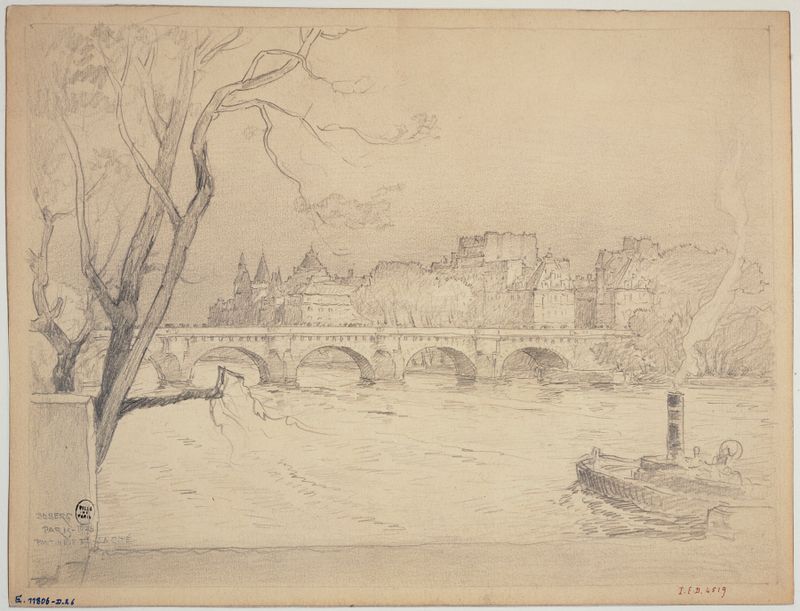
Le Pont-Neuf et la Cité
Ferdinand Boberg
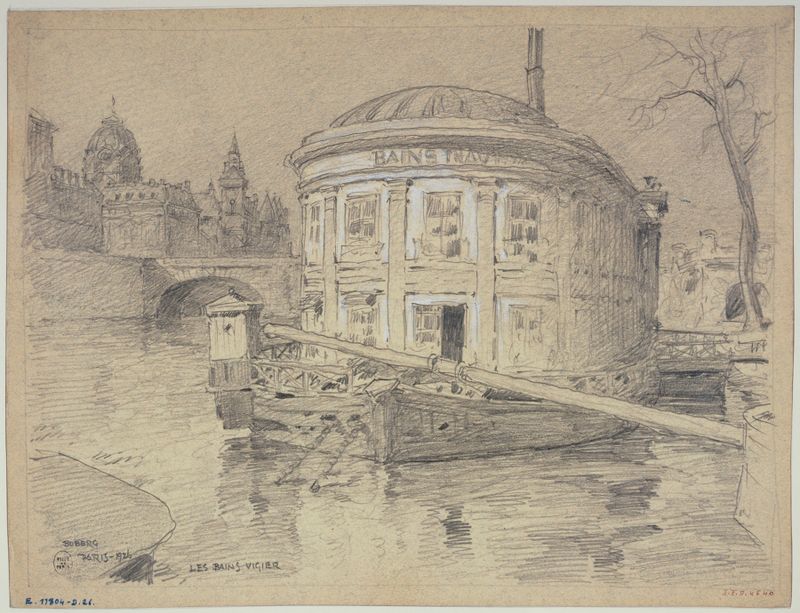
Les bains Vigier au Pont-Neuf
Ferdinand Boberg
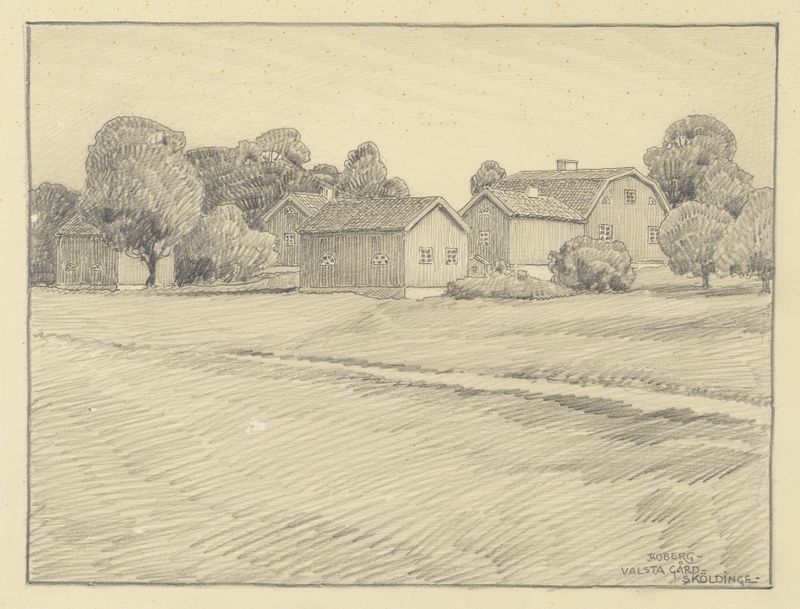
Valsta Gård
Ferdinand Boberg
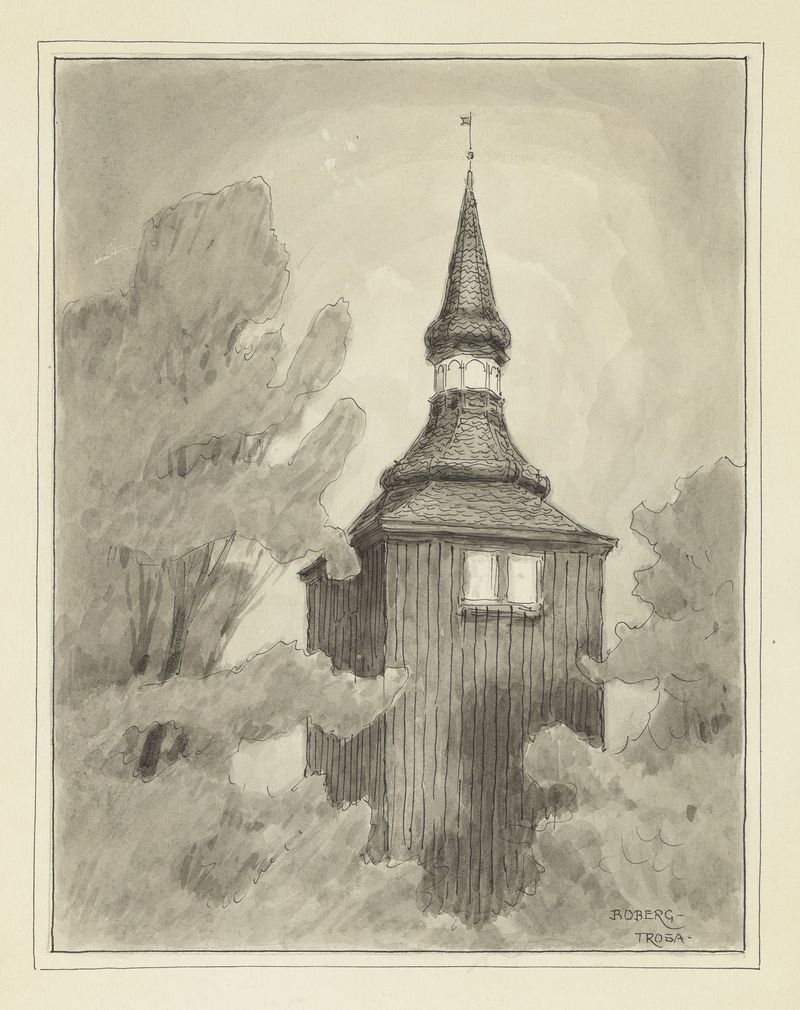
Trosa
Ferdinand Boberg
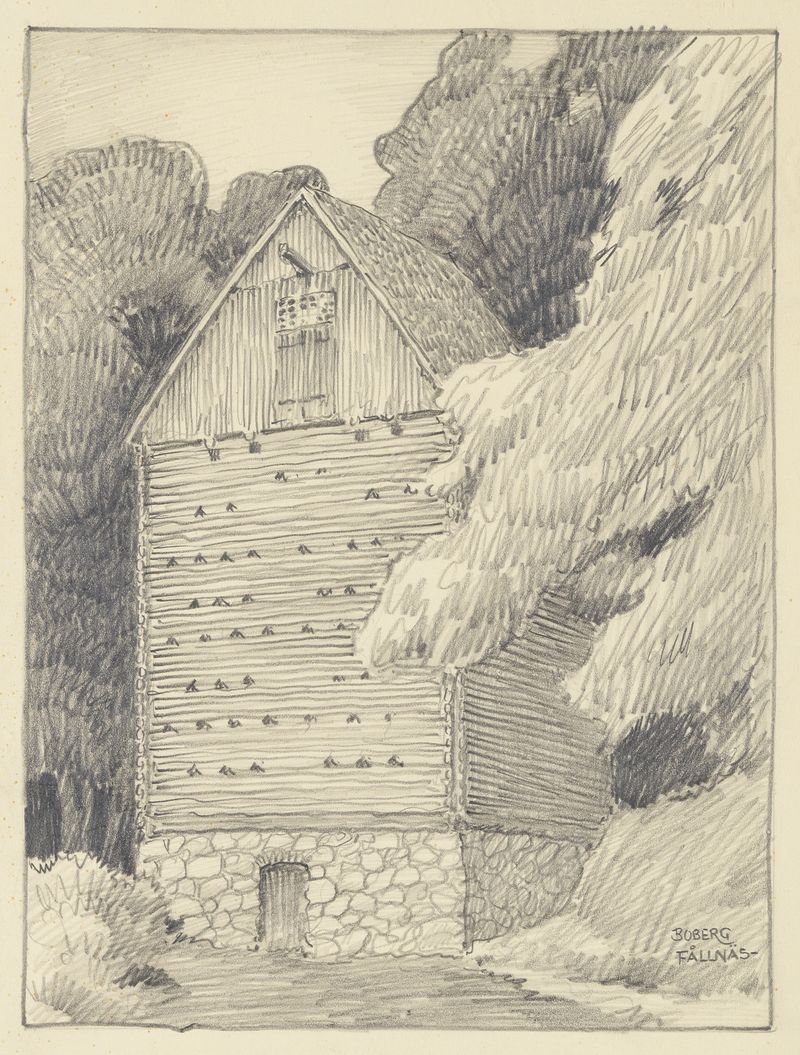
Fållnäs
Ferdinand Boberg
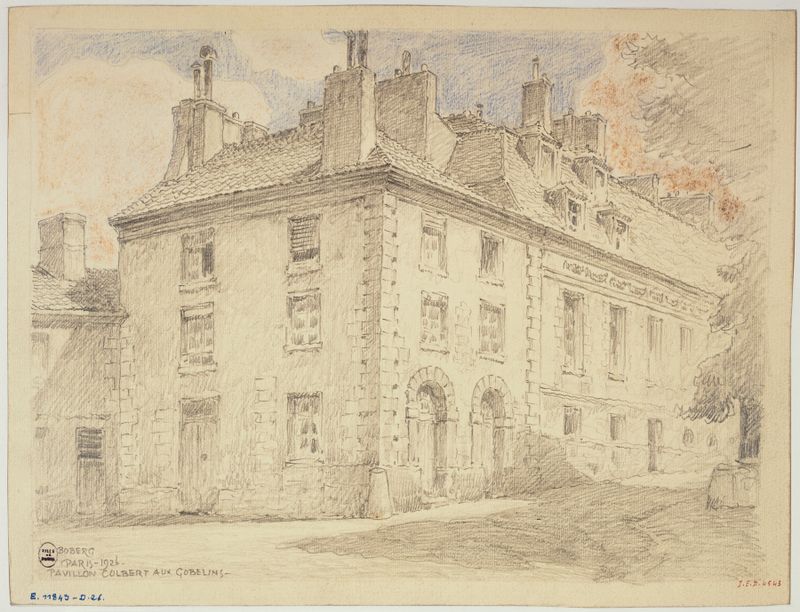
Le pavillon Colbert aux Gobelins
Ferdinand Boberg
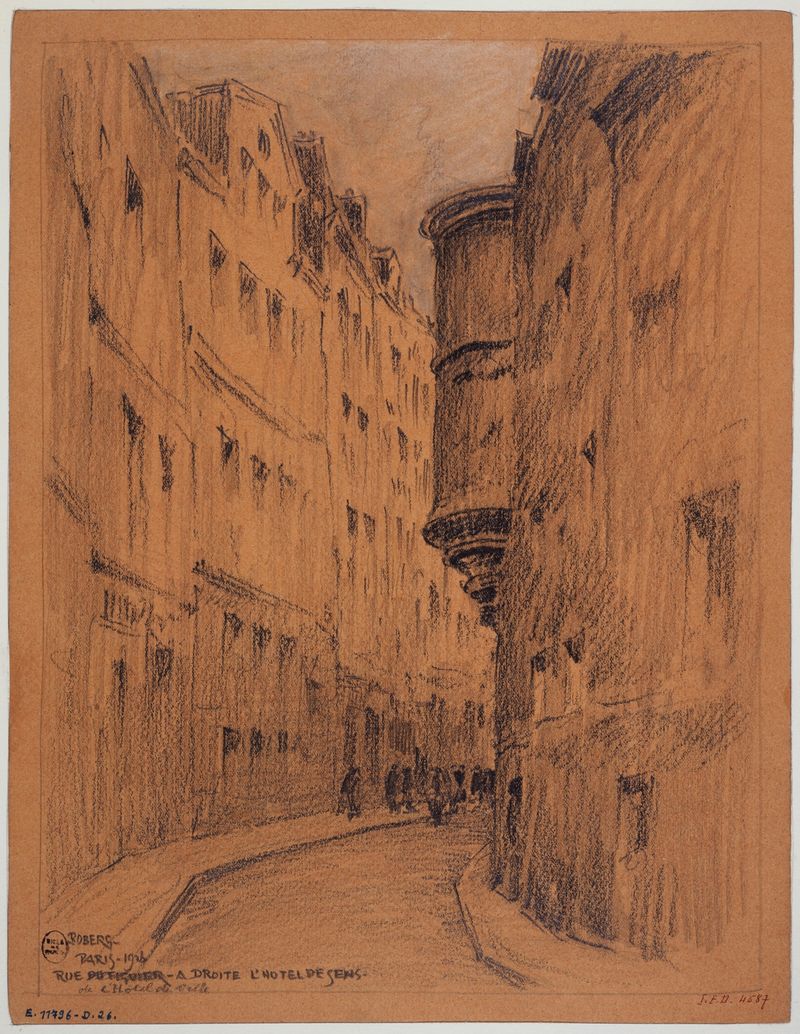
Rue de l’Hôtel de Ville; l’hôtel de Sens
Ferdinand Boberg
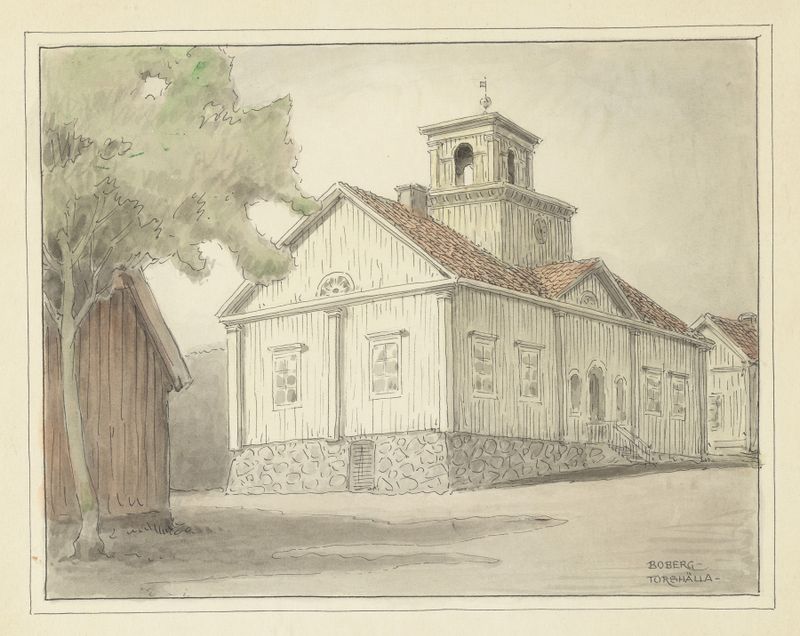
Torshälla
Ferdinand Boberg
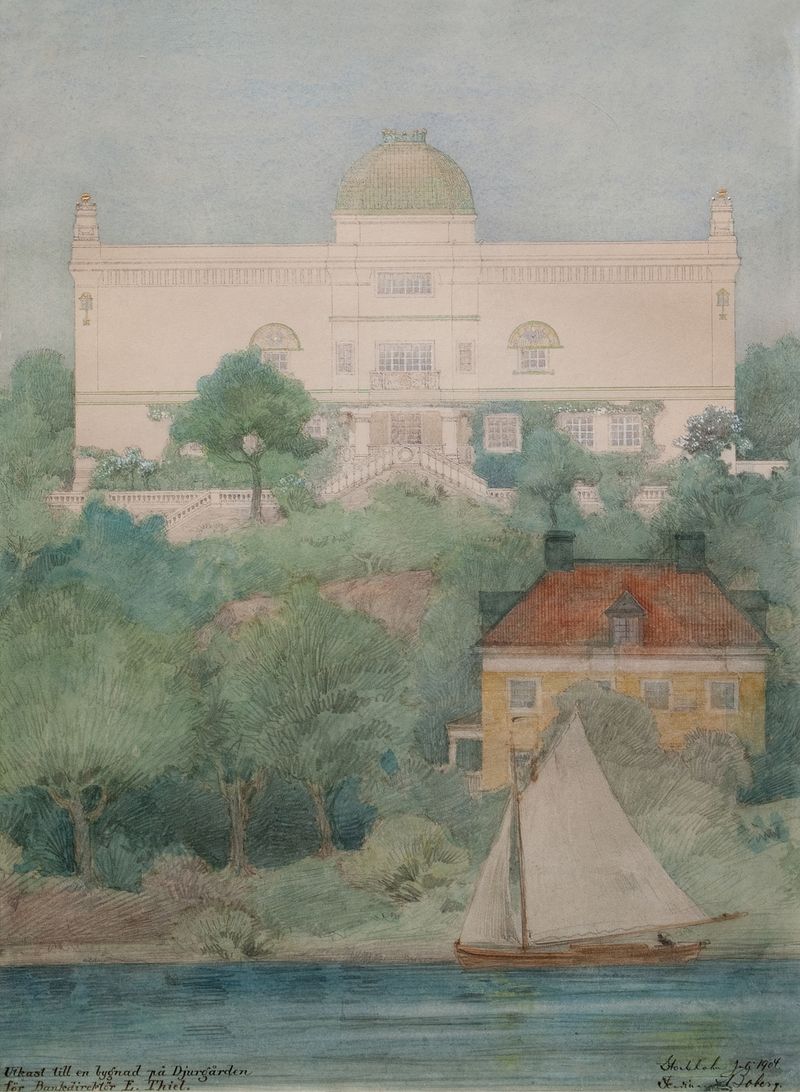
Sketch for a building for Thiel’s Gallery
Ferdinand Boberg
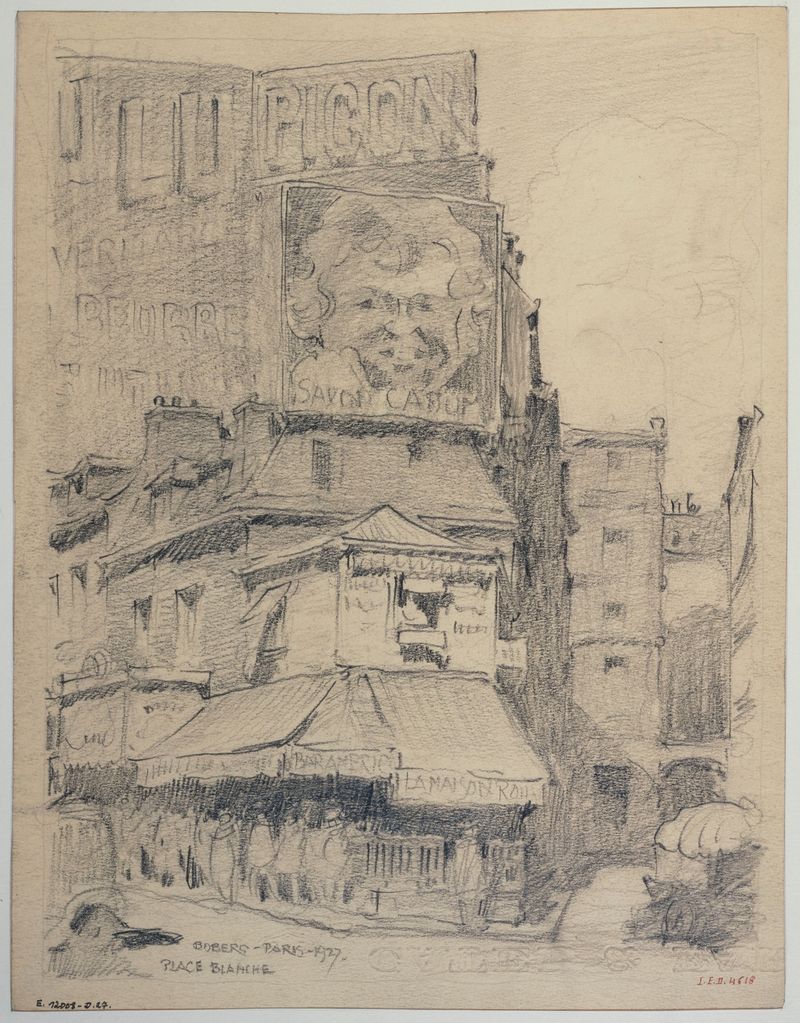
La place Blanche
Ferdinand Boberg





