A Bacchante — History & Facts
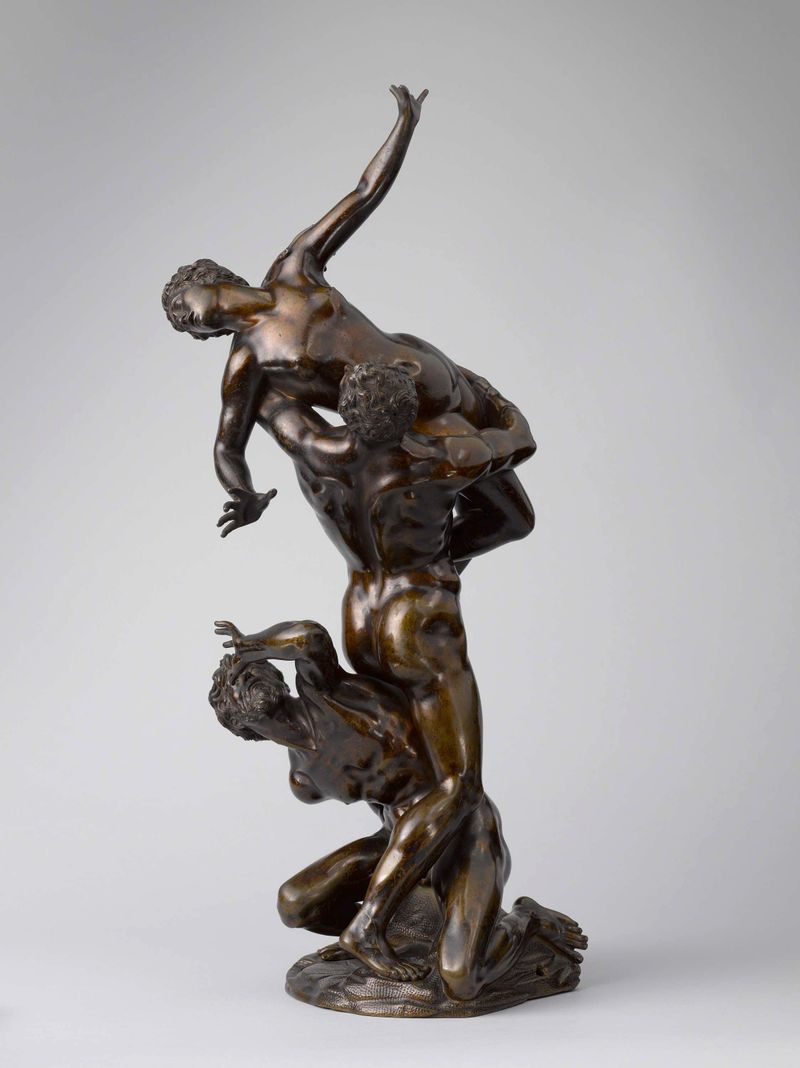
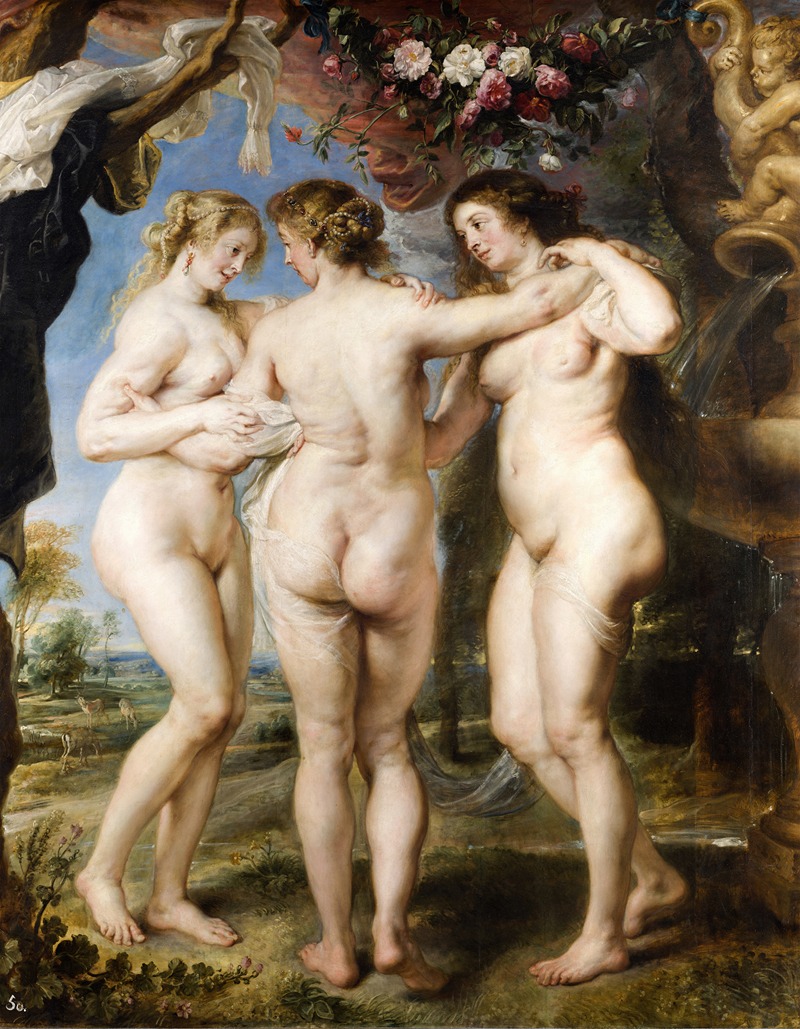
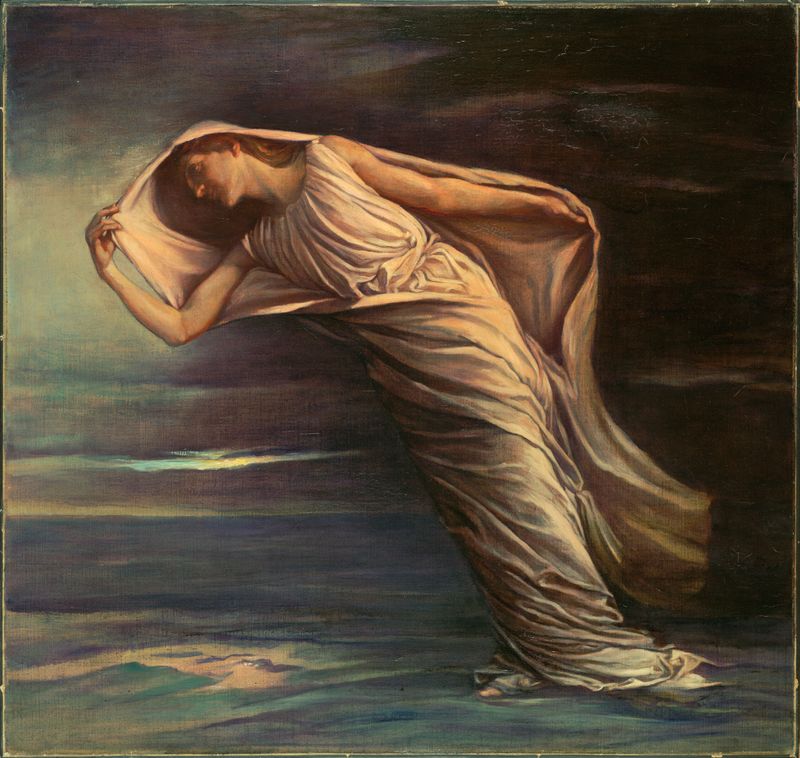
Where does light end, and longing begin? This question whispers through the brushstrokes of A Bacchante, inviting us to explore a world where shadows dance alongside desire. Look to the left at the figure of the Bacchante, her skin glowing with hues of gold and peach as sunlight cascades over her form. Notice how the background fades into moody blues and deep greens, creating a striking contrast that emphasizes her vivacity. The delicate play of light and shadow reveals the tension of her pose, with limbs gracefully extended, invoking both movement and stillness, a fleeting moment captured with exquisite detail.
La Farge’s mastery of color and texture pulls viewers into a rich, sensory experience, making the scene feel alive. Beyond the surface beauty lies a deeper narrative, one of duality and yearning. The vibrant light that illuminates her form symbolizes celebration and ecstasy, while the surrounding shadows hint at the underlying complexities of desire—perhaps a fleeting joy that is forever out of reach. Her expression, both ecstatic and contemplative, speaks to the paradox of indulgence: the sweet pleasure overshadowed by an inevitable longing for more.
This interplay between light and shadow encapsulates the essence of human experience, where joy is often intertwined with melancholy. In 1897, La Farge was immersed in a period of profound creativity, reflecting on themes of beauty and transcendence, as well as the ancient influences of myth and nature. Working primarily in Paris and New York, he was part of a wider artistic movement that sought to embrace color and emotion, drawing inspiration from both the Impressionists and the Symbolists. At this time, La Farge was also engaged with stained glass, a medium that further shaped his exploration of light, ultimately culminating in the creation of this enchanting work.
More Artworks by John La Farge
Browse all →
Red Pagoda, Nikko
John La Farge
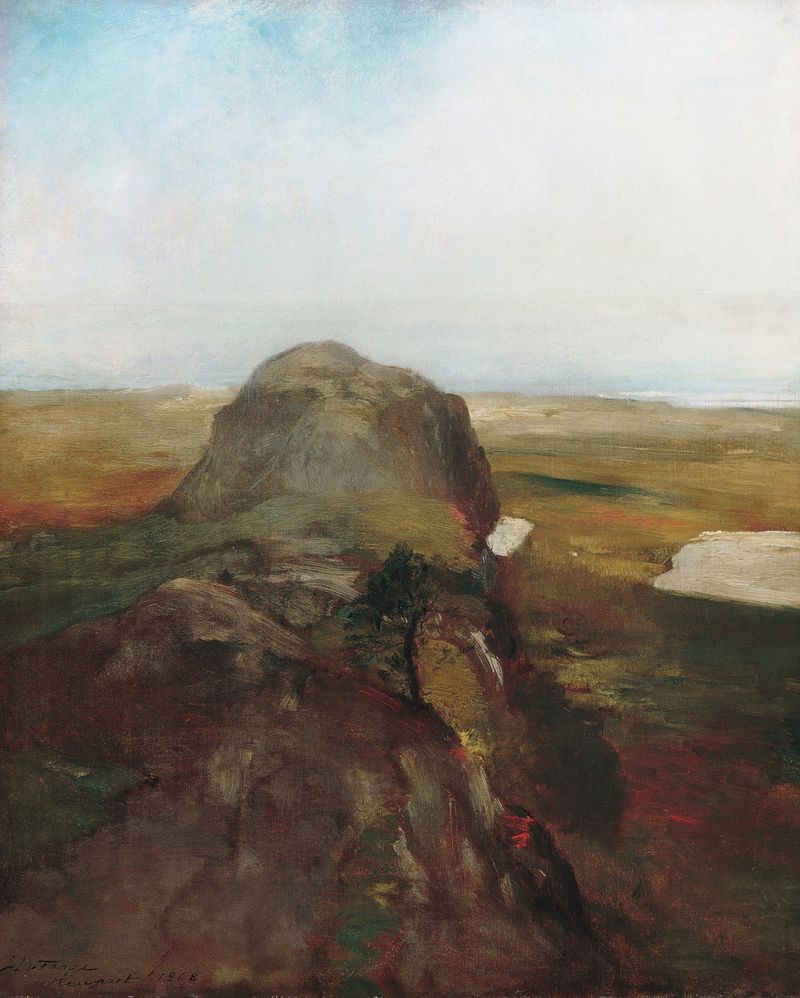
Autumn Study, View over Hanging Rock, Newport, R.I.
John La Farge
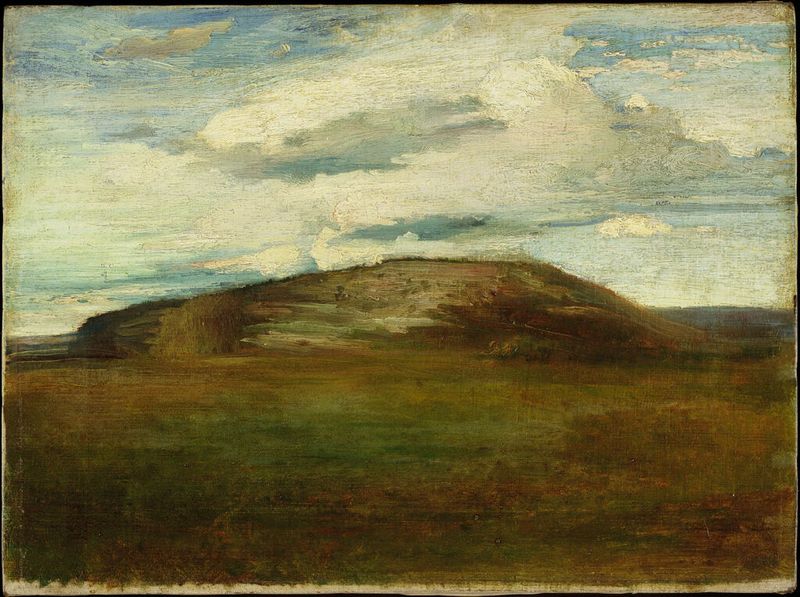
Autumn: Mid-Day, Looking North, Table-Rock Hill, Peekskill, New York
John La Farge
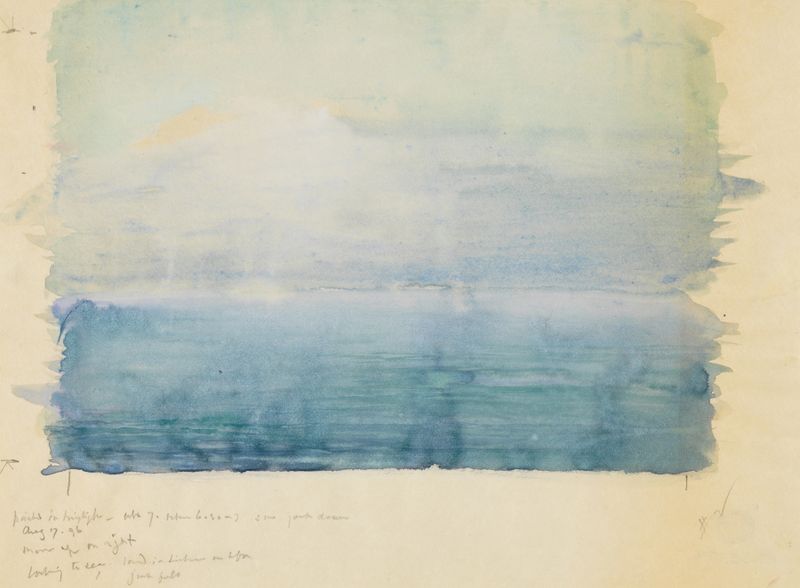
Bar Harbor, Twilight
John La Farge
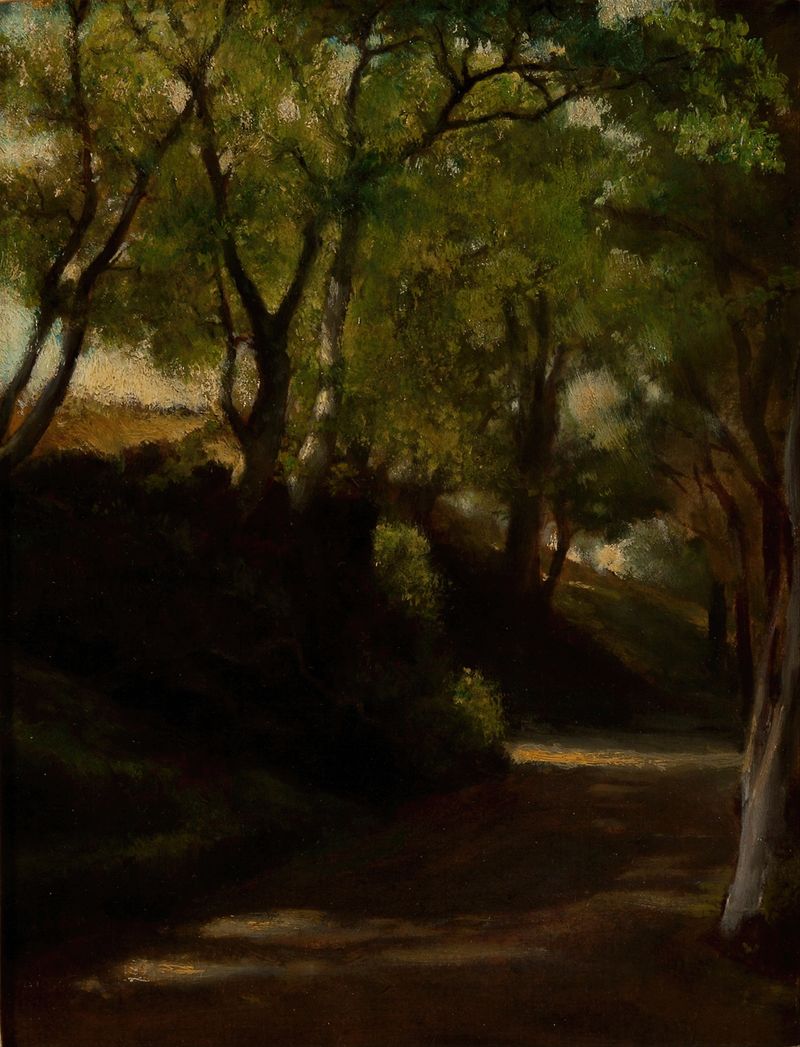
In ‘The Glen,’ Portsmouth, Rhode Island
John La Farge

The Island of Moorea Looking across the Strait from Tahiti, January 1891
John La Farge
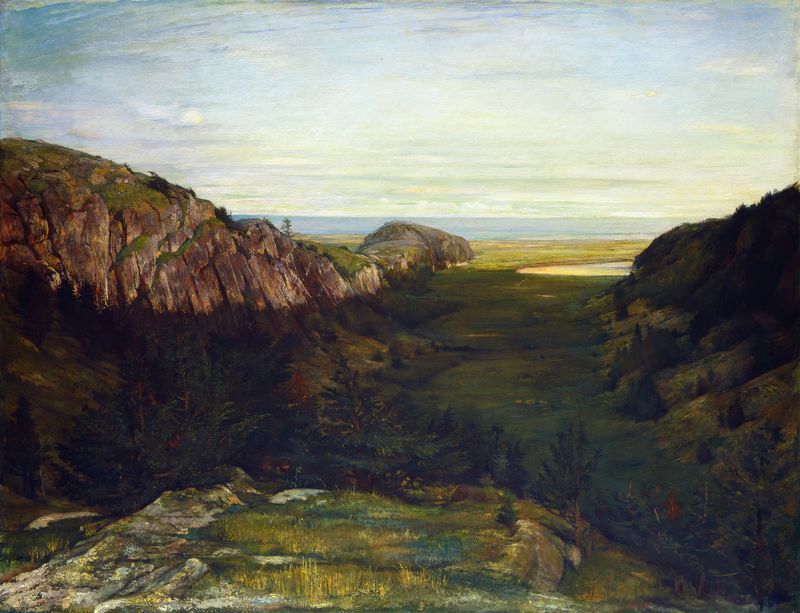
The Last Valley – Paradise Rocks
John La Farge
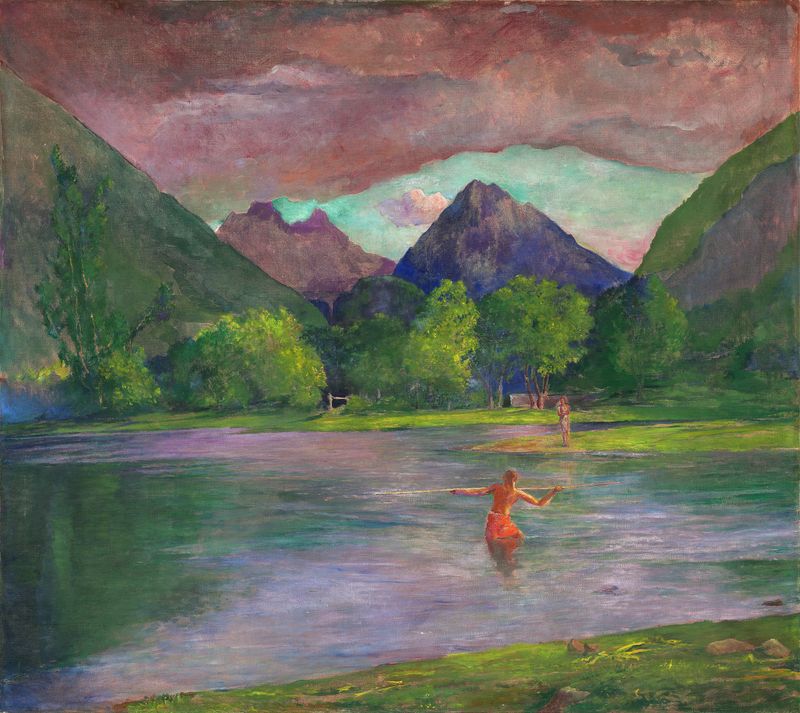
The Entrance to the Tautira River,Tahiti. Fisherman Spearing a Fish
John La Farge

Snow Field, Morning, Roxbury
John La Farge
The Dawn
John La Farge