A Bedfordshire Farmyard — History & Facts
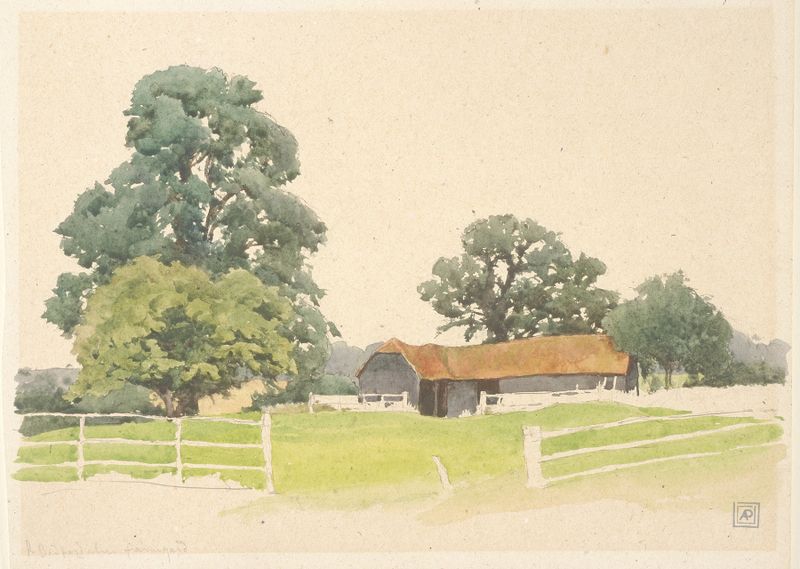
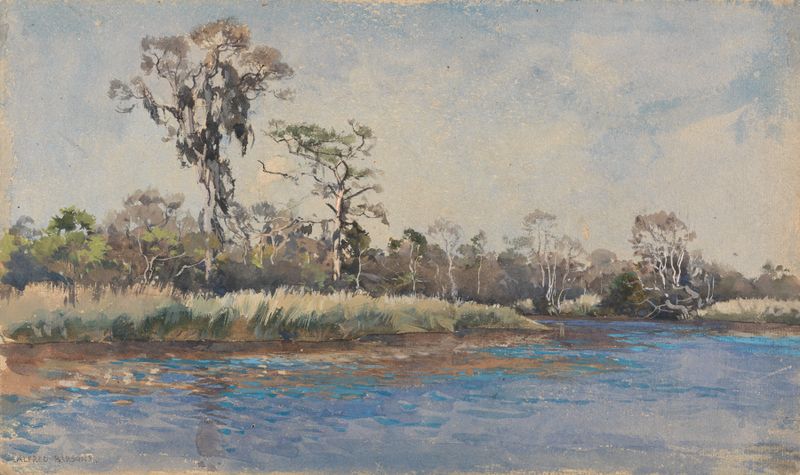
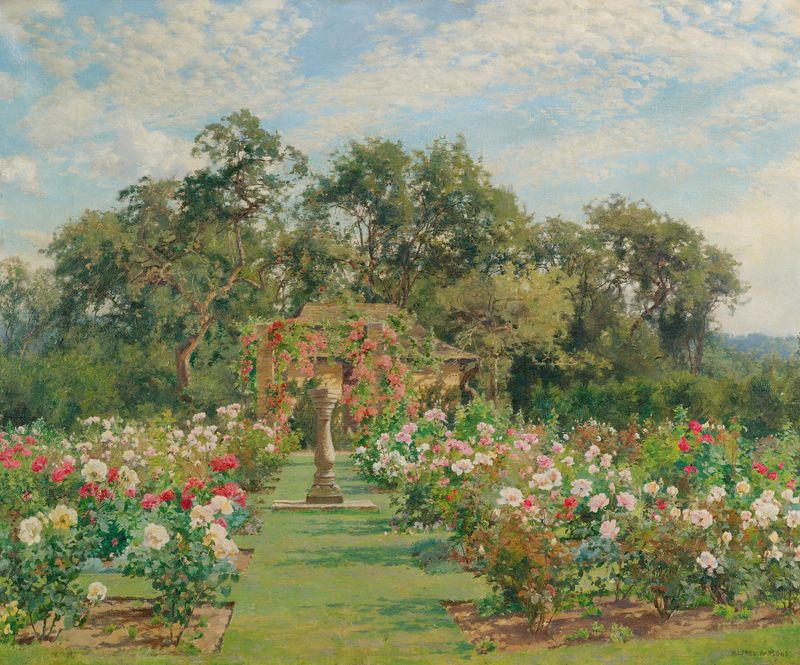
What if beauty was never meant to be finished? It lingers like a haunting echo, a bittersweet reminder of what was, and what could have been. Look to the left at the gentle curve of the path that winds through the farmyard, drawing your gaze into the heart of the scene. Notice how the soft, golden light bathes the weathered buildings, illuminating their rugged textures. Each brushstroke captures the essence of rural life, from the robust shades of green in the grass to the warm, earthy tones of the structures, evoking a sense of nostalgia.
The composition feels harmonious, inviting you to wander, yet there’s an unspoken tension that underlies the serene beauty. The emotional resonance deepens when you observe the subtle contrasts within the painting: the quiet stillness of the farmyard set against the vast expanse of the sky, suggesting both peace and a looming sense of melancholy. Each element, from the flutter of a bird to the distant trees, speaks to the passage of time, where moments of happiness coexist with the inevitability of loss. This duality invites introspection, a reflection on the fleeting nature of beauty itself. In the 19th century, Parsons created this work during a transformative era in art, marked by movements toward realism and the impressionistic portrayal of light.
He found inspiration in the English countryside, where he immersed himself in the natural world. At that time, the balance between industrialization and the pastoral life was a pressing concern, leading him to capture the serene yet vulnerable essence of rural existence, echoing the grief of change in his landscapes.