Rocky Landscape — History & Facts
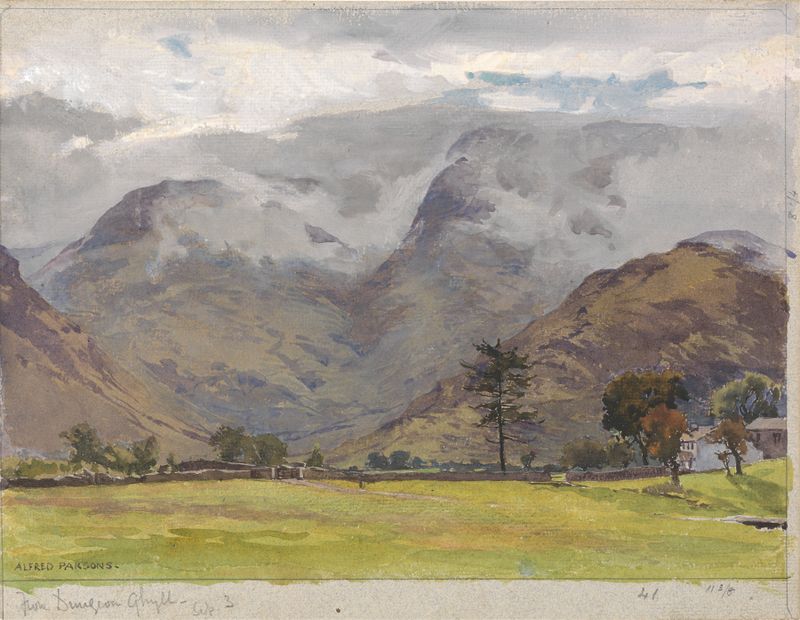
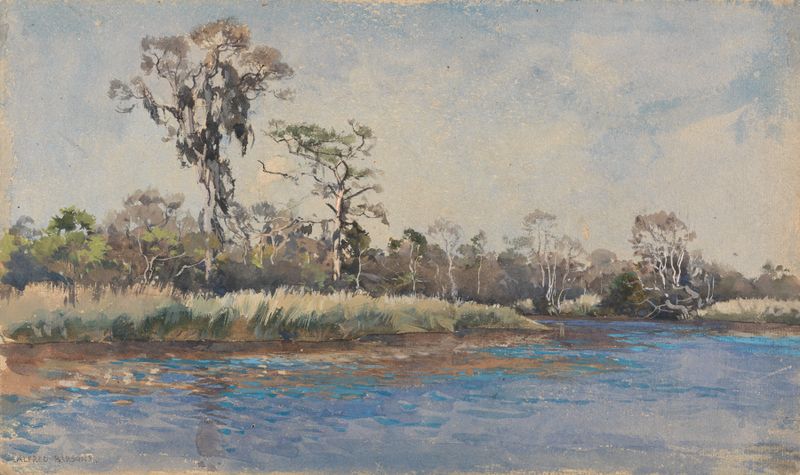
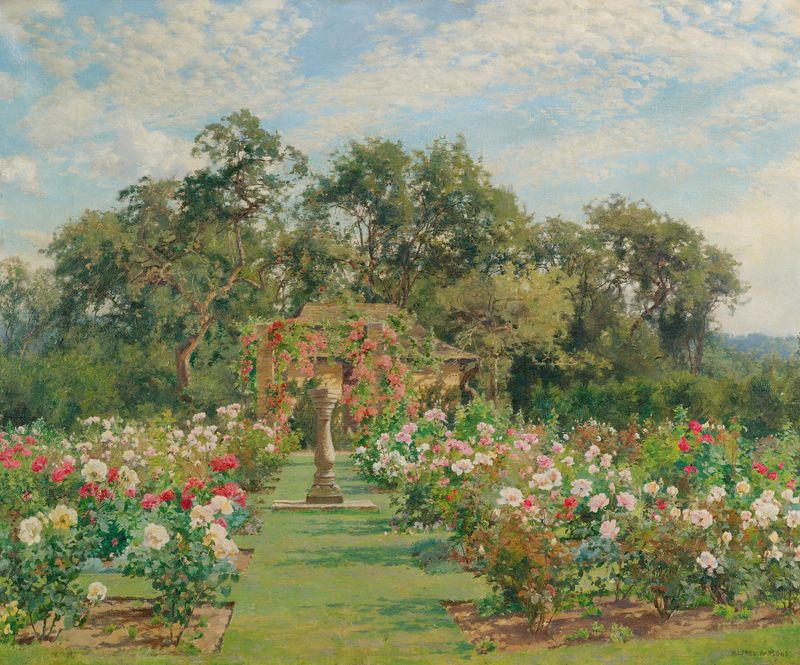
Did the painter know this moment would outlive them? The solitude captured in this expansive landscape resonates with a sense of timelessness, inviting reflection on the nature of existence itself. Look to the foreground, where rugged terrain rises starkly against the distant horizon. The sharp lines of the rocks contrast with the soft, muted earth tones that stretch endlessly towards the sky. Notice how the varied brushstrokes create a tangible texture, evoking the rawness of nature, while a subtle interplay of light and shadow hints at the passage of time.
The palette, dominated by earthy browns and cool grays, enhances the feeling of isolation, suggesting a world waiting patiently, untouched by human presence. Beneath its surface, the painting holds a profound emotional tension. The rugged landscape, while beautiful, speaks to the loneliness of existence—a desolate yet serene reminder of nature’s indifference. Each rock and crevice seems to echo the solitude of the individual, inviting viewers to ponder their place within the vastness.
The absence of any figures amplifies this sense of isolation, contrasting the serene beauty of nature with the deep yearning for connection that resides within us all. Created at an unknown time, Rocky Landscape reflects Parsons’s commitment to capturing the essence of the natural world. Active during the late 19th century, he navigated a period marked by increasing industrialization and the rise of urban life, which often overshadowed the quieter, more contemplative aspects of nature. In this work, he immortalizes a moment that speaks to the enduring power of solitude, offering a poignant reminder of the landscapes that remain long after we leave.