From Dungeon Ghyll — History & Facts
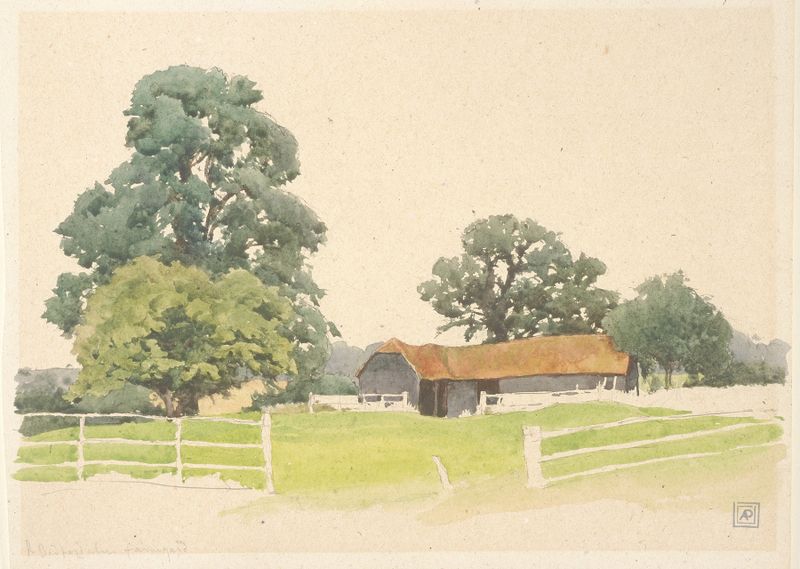
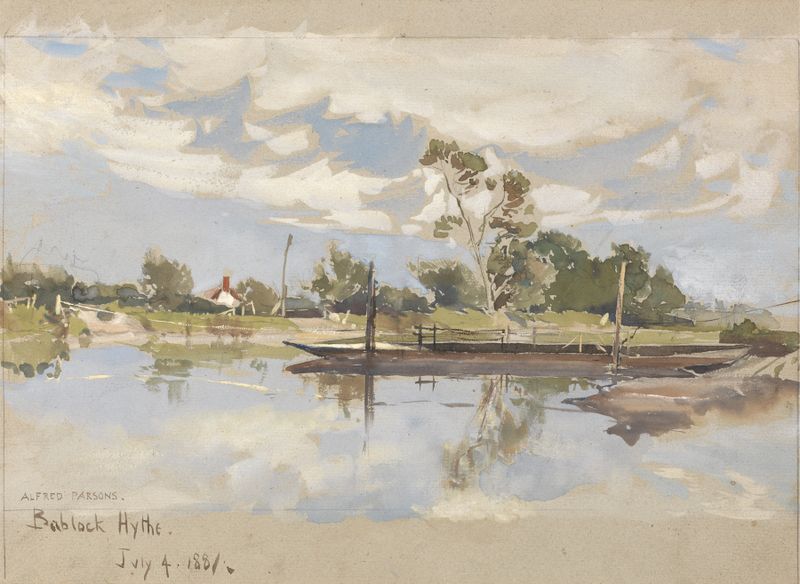
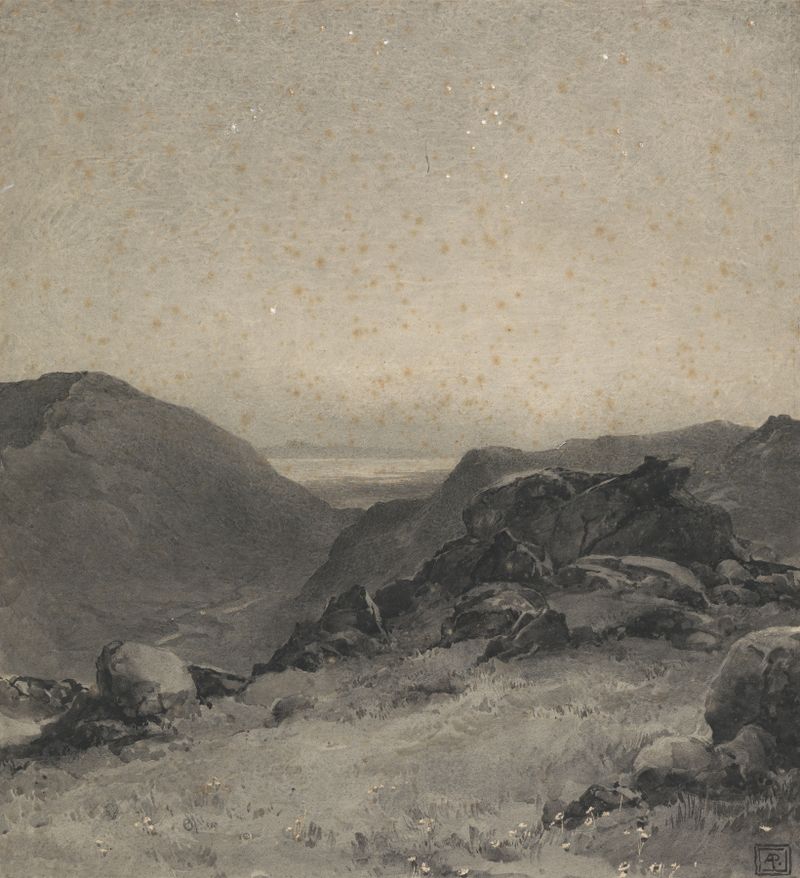
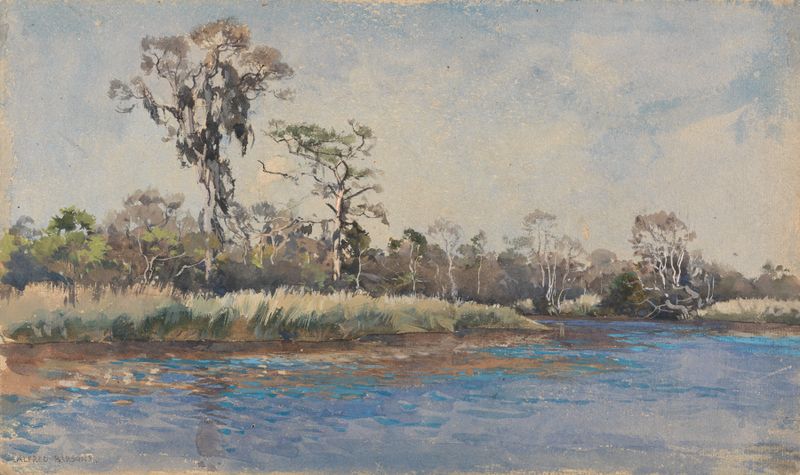
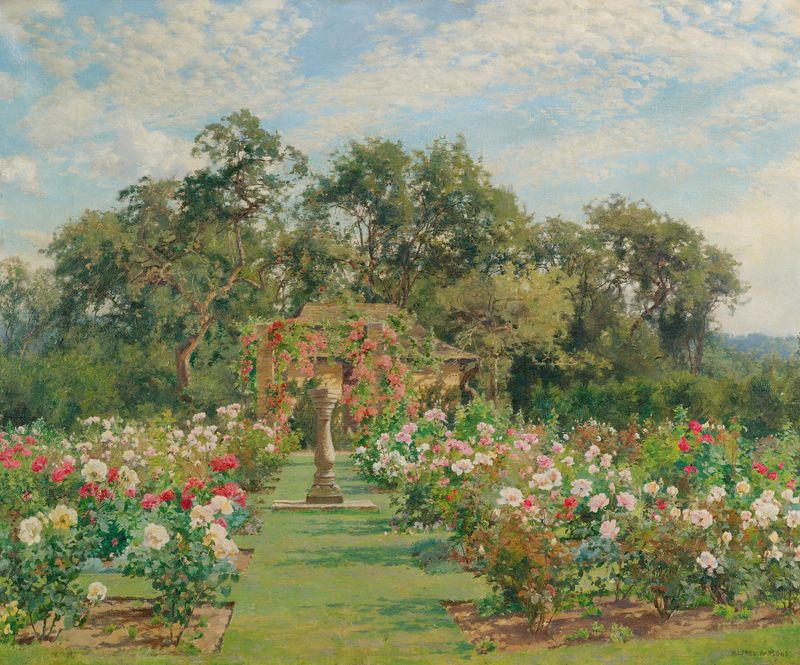
In the dance of nature, how does movement find its form in art? Focus on the center of the canvas where a gentle river meanders, flowing with a palpable rhythm that invites exploration. Notice the myriad of greens that blend seamlessly into one another, each stroke capturing the gentle sway of leaves and grass in a soft breeze. The light, filtered through the trees, casts a tranquil glow on the water’s surface, guiding your gaze along the path of the stream.
The sky above hangs in a delicate balance, with soft clouds that seem to cradle the scene below. Hidden within this serene vista lies a tension between tranquility and motion. Observe the ripples on the water, hinting at unseen forces at play—perhaps a breeze or a creature beneath the surface. The rugged rocks, steadfast yet weathered, contrast against the fluidity of the river, symbolizing the transient nature of time amid the permanence of the landscape.
Each detail, from the rustling foliage to the fleeting shadows, evokes a sense of life that breathes through the painting, reminding us that every moment is an interplay of stillness and movement. The painter created this scene during a period of quiet introspection, likely nestled in the English countryside. Though the exact date remains unknown, Parsons was known for his landscapes in the late 19th century, a time when artists were increasingly drawn to the beauty and restorative power of nature. Amidst a burgeoning appreciation for the natural world, his work reflects a personal journey and a connection to the serene landscapes that defined his artistic vision.