A Boatload — History & Analysis
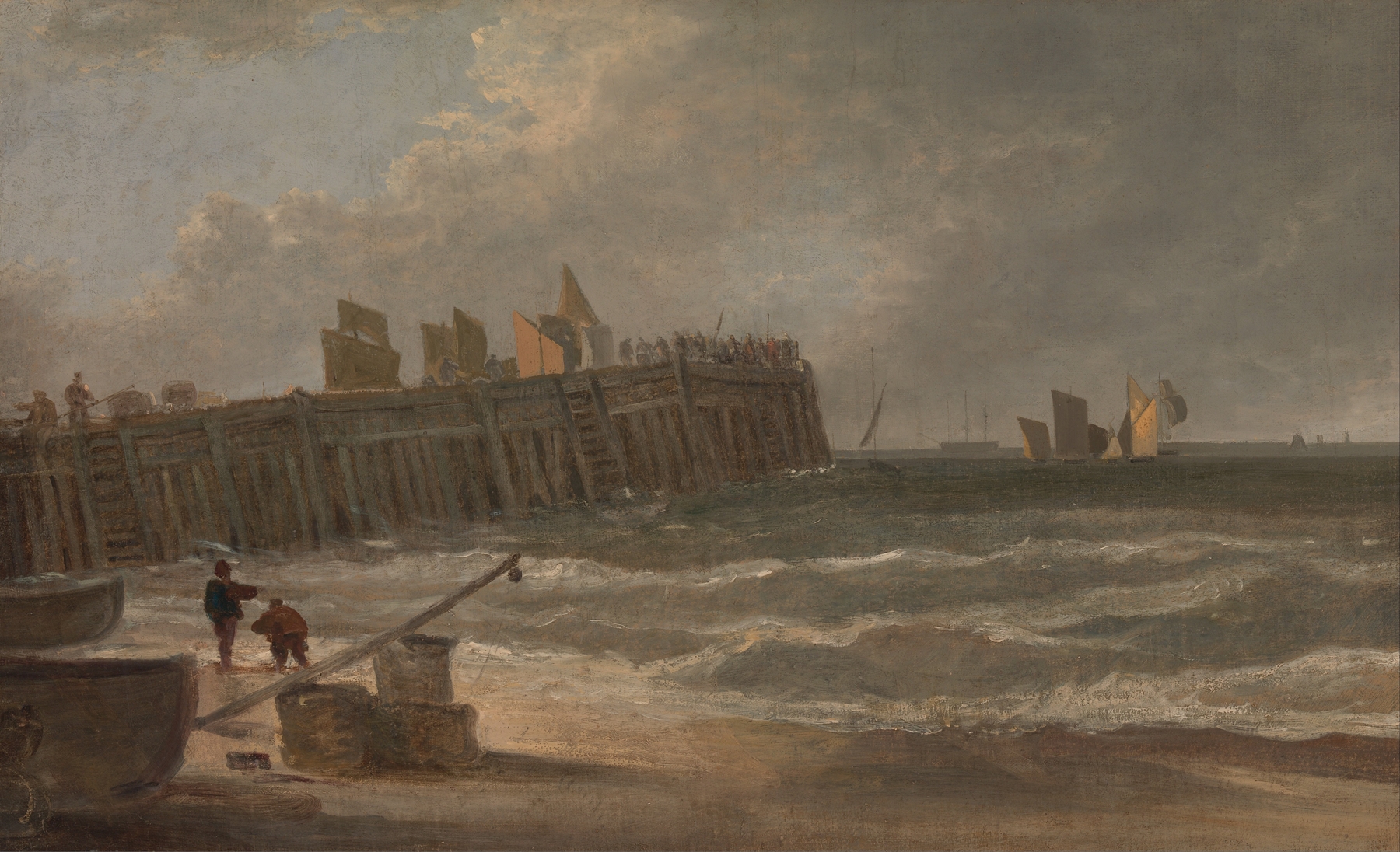
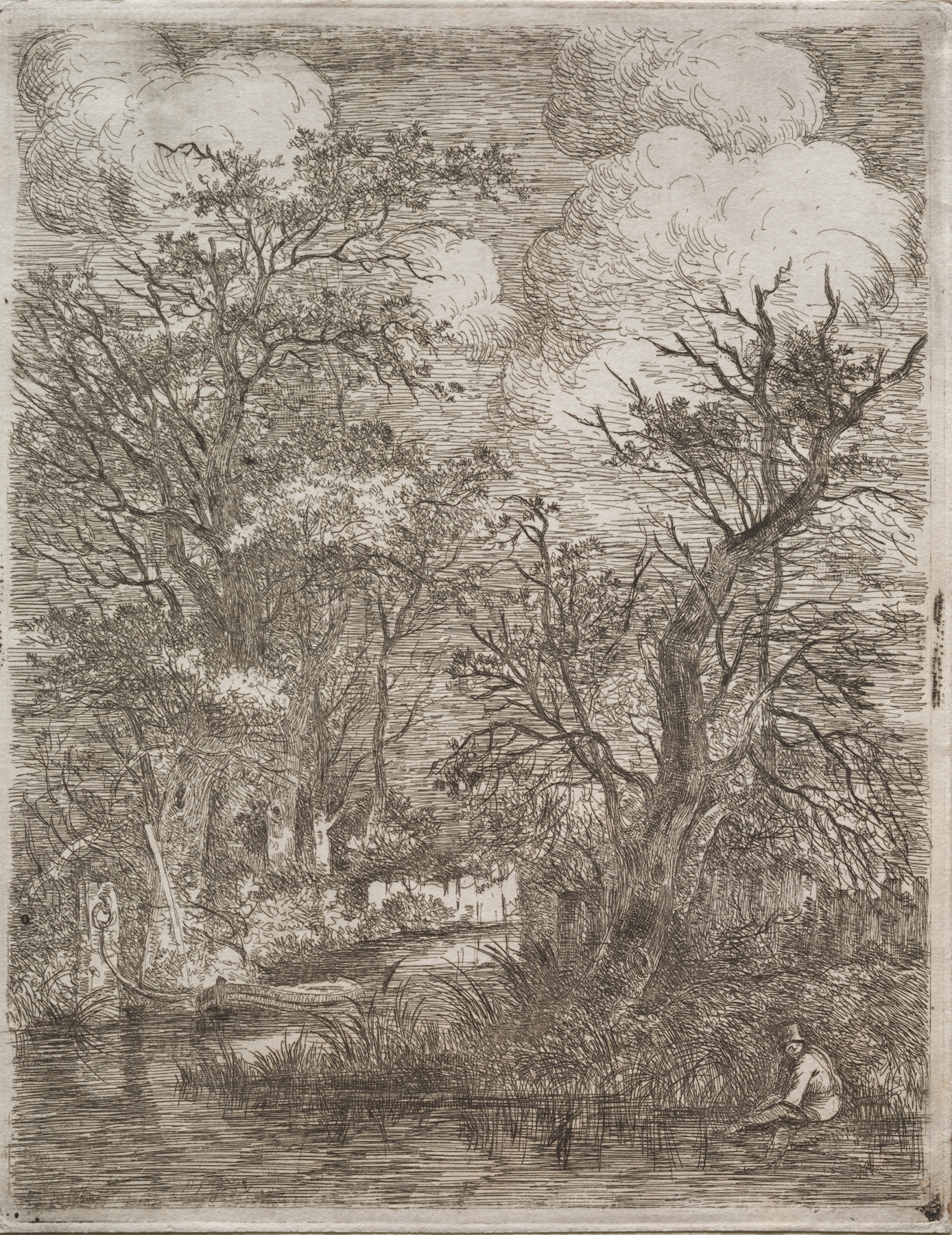
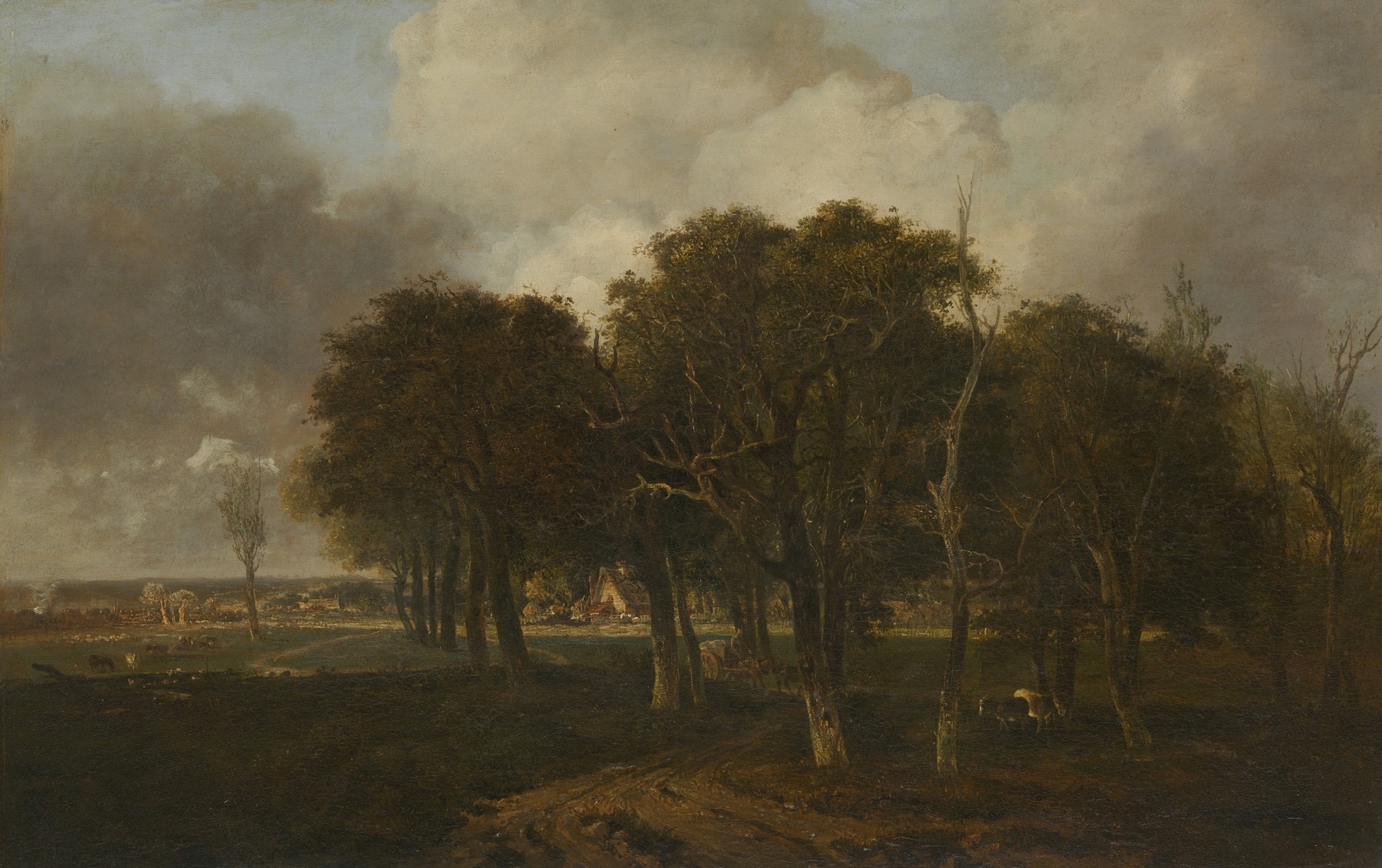
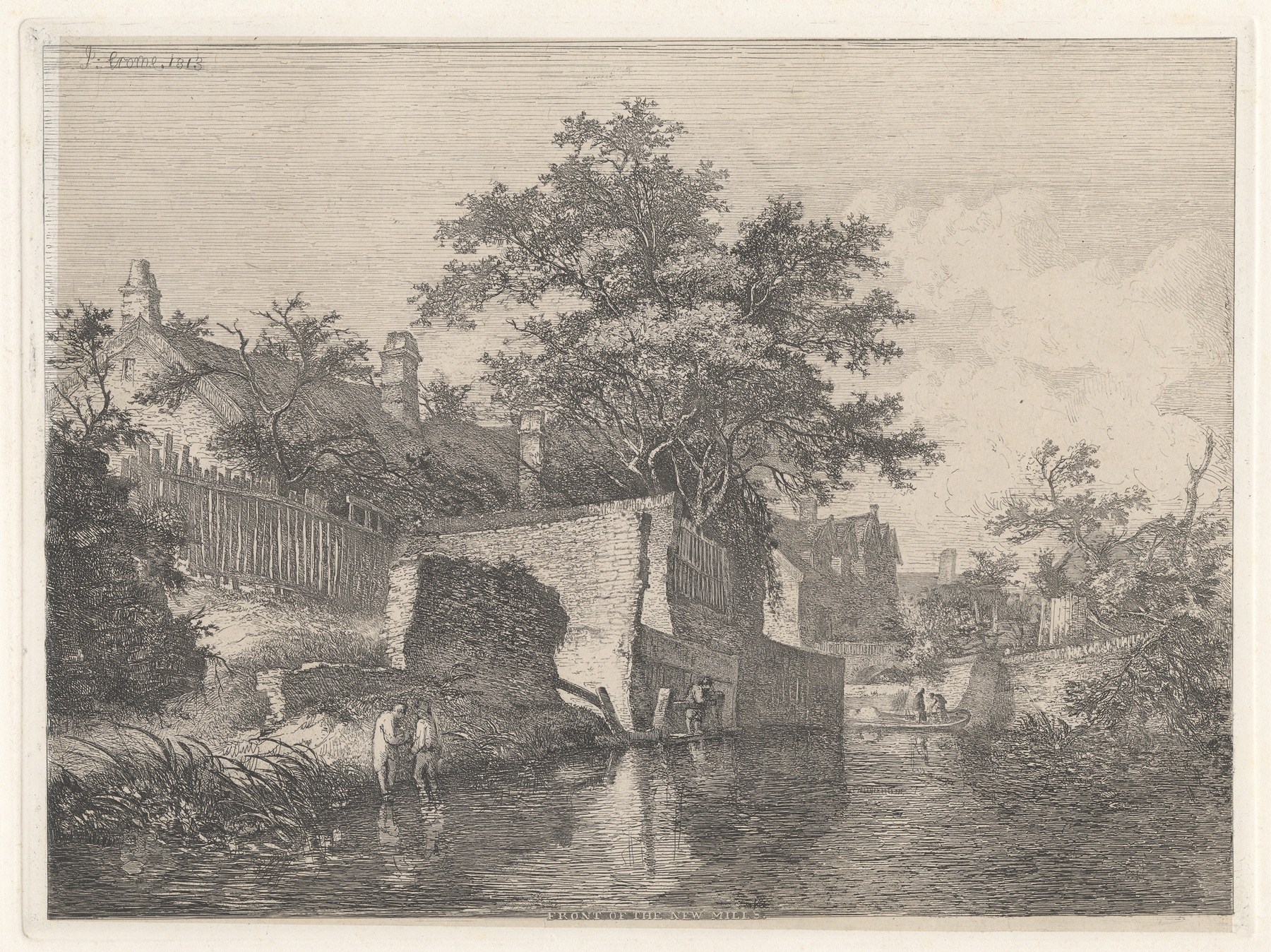
What if silence could speak through light? In John Crome's evocative painting, A Boatload, the interplay of natural elements articulates a profound truth that resonates within the stillness of the scene. Look to the bottom left at the small boat, its humble form cradled by the gentle ripples of water. The soft, muted colors echo the morning light as it filters through hazy clouds, casting a glow over the landscape. Notice how the serene water reflects the sky’s palette, creating a sense of harmony between the elements.
The composition invites you to trace the boat's journey, leading the eye through the serene expanse adorned with lush greenery and distant hills. Beneath the surface of this idyllic landscape lies a tension between nature and human presence. The stillness of the water juxtaposes the suggestion of movement, implying an unspoken narrative within the silence. The boat, with its modest passengers, represents the fragility of human endeavor against the vastness of the natural world, evoking a sense of humility in the face of nature's grandeur.
Each brushstroke captures not just a scene, but a delicate balance of coexistence, urging viewers to reflect on their place within this serene tableau. Created during the early 19th century, A Boatload emerged as Crome sought to capture the essence of the English landscape amid the burgeoning Romantic movement. At this time, the artist was immersed in a world of shifting artistic paradigms, where nature was not merely a backdrop but a central character in the narrative of human experience. This painting embodies his commitment to celebrating the beauty found in everyday life while making a subtle commentary on the human condition.