A Cabbage Garden — History & Facts
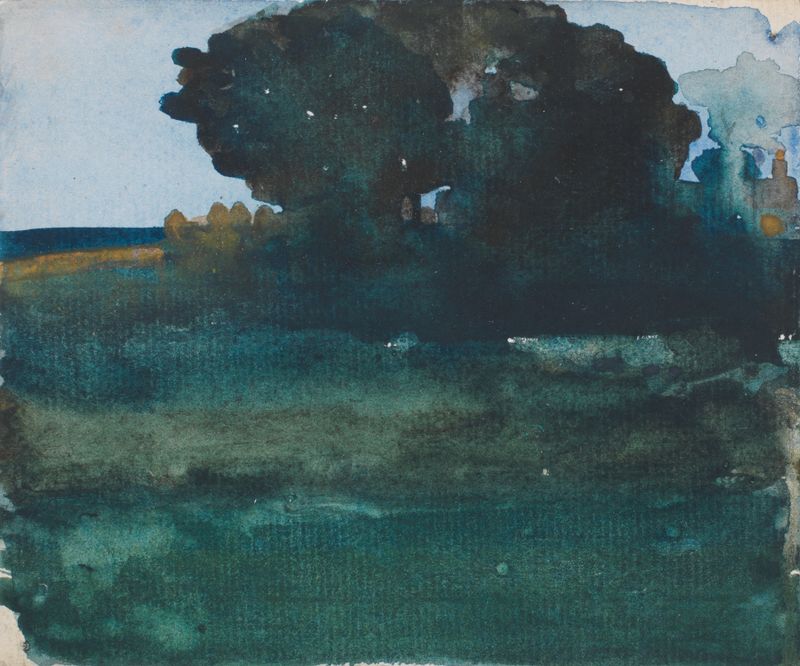
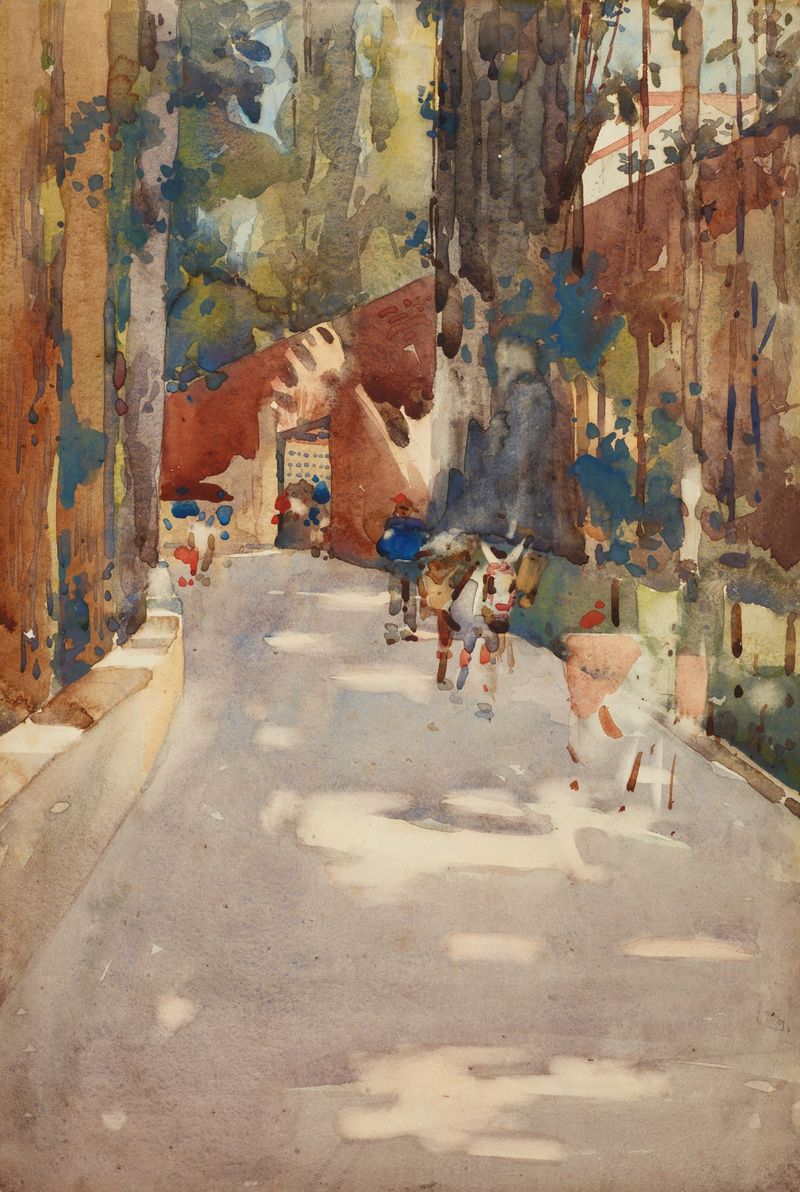
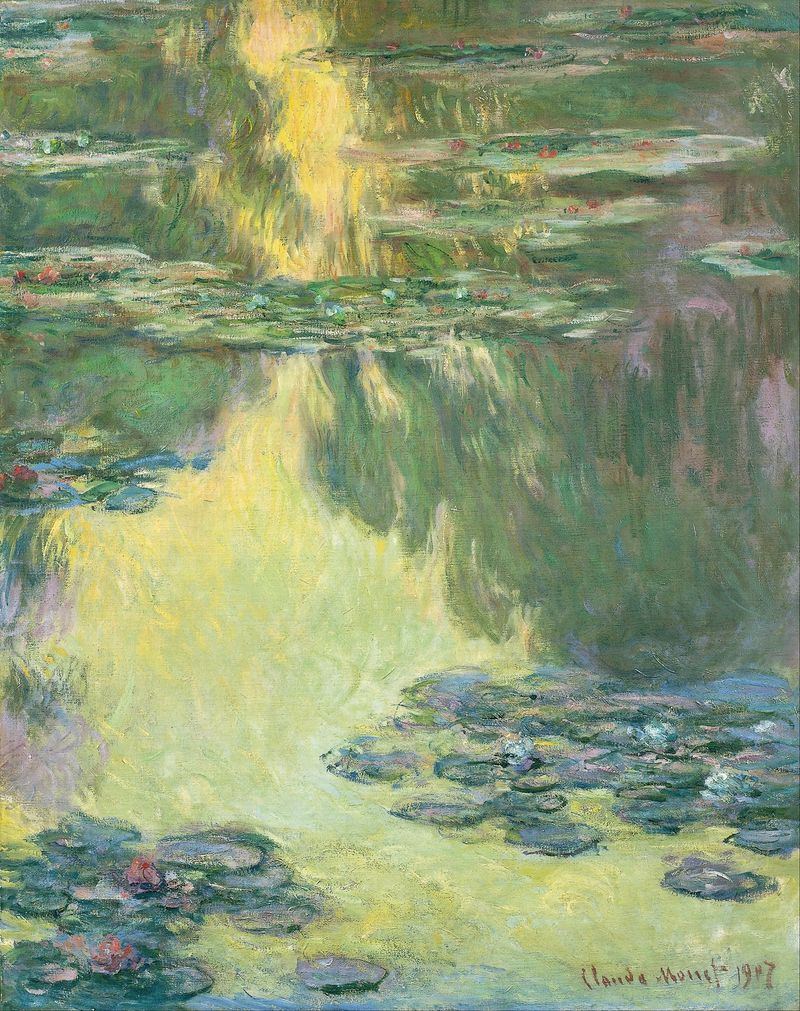
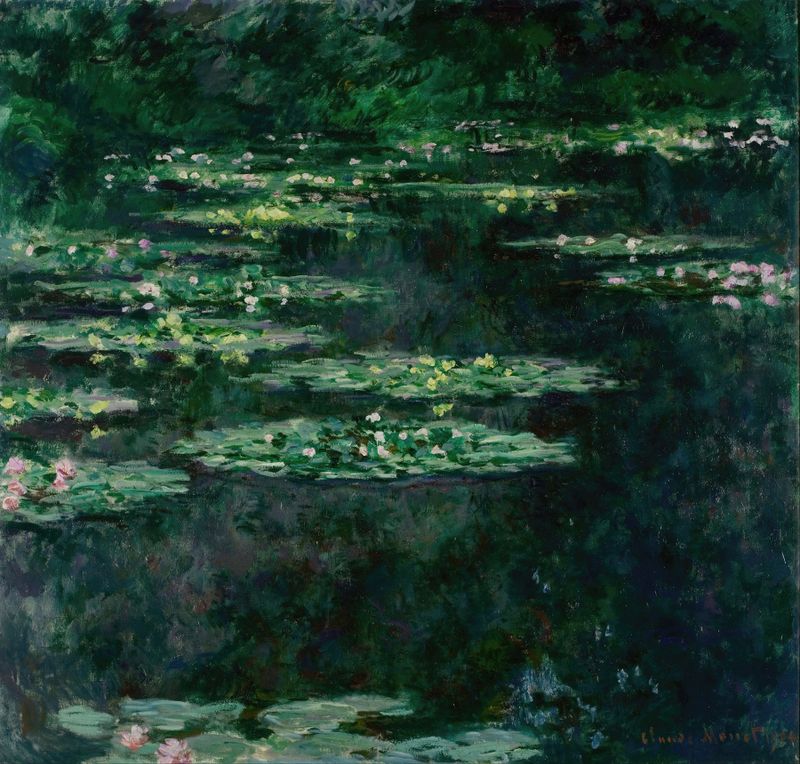
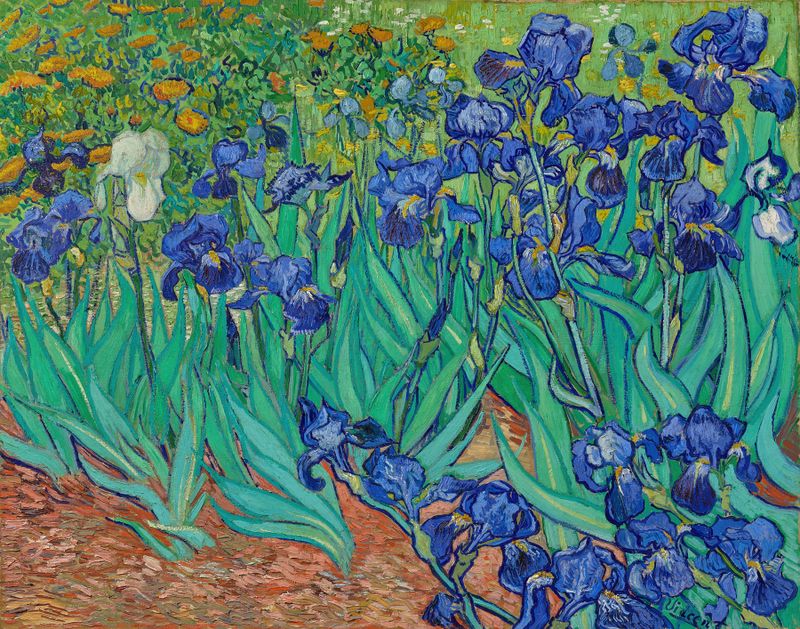
The sun spills golden light across a patchwork of green leaves, each cabbage head glistening with morning dew. In the midst of the garden, a figure kneels, hands deep in the earth, nurturing life from the soil. The air is alive with the sound of insects buzzing and the distant murmur of nature, creating a serene rhythm that vibrates with truth. Look to the left, where the vibrant greens of the cabbages contrast against the rich browns of the tilled earth, drawing your eye to the laborer at work.
Notice how the artist employs loose brushstrokes to create a sense of movement—each stroke seems to breathe life into the vegetables. The play of light highlights the curves of the cabbages, while shadows ripple across the ground, anchoring the scene in a feeling of authenticity and presence. Yet within this simple act of gardening lies a deeper narrative. The figure, immersed in their toil, embodies both humility and connection to the earth, representing all who cultivate nature’s bounty.
The surrounding foliage, lush yet untouched, speaks to the balance between human effort and the untamed wild, inviting viewers to reflect on their relationship with nature and the truths it harbors. During the late 19th century, when this piece was created, Melville was exploring the themes of everyday life, often in natural settings. Immersed in the artistic currents of the time, he sought to convey authenticity through his impressionistic style, capturing moments that resonate with the human experience. As he painted, the world was transitioning toward modernity, yet his focus on the intimate bond between humanity and nature remained steadfast.