Cornfield — History & Facts
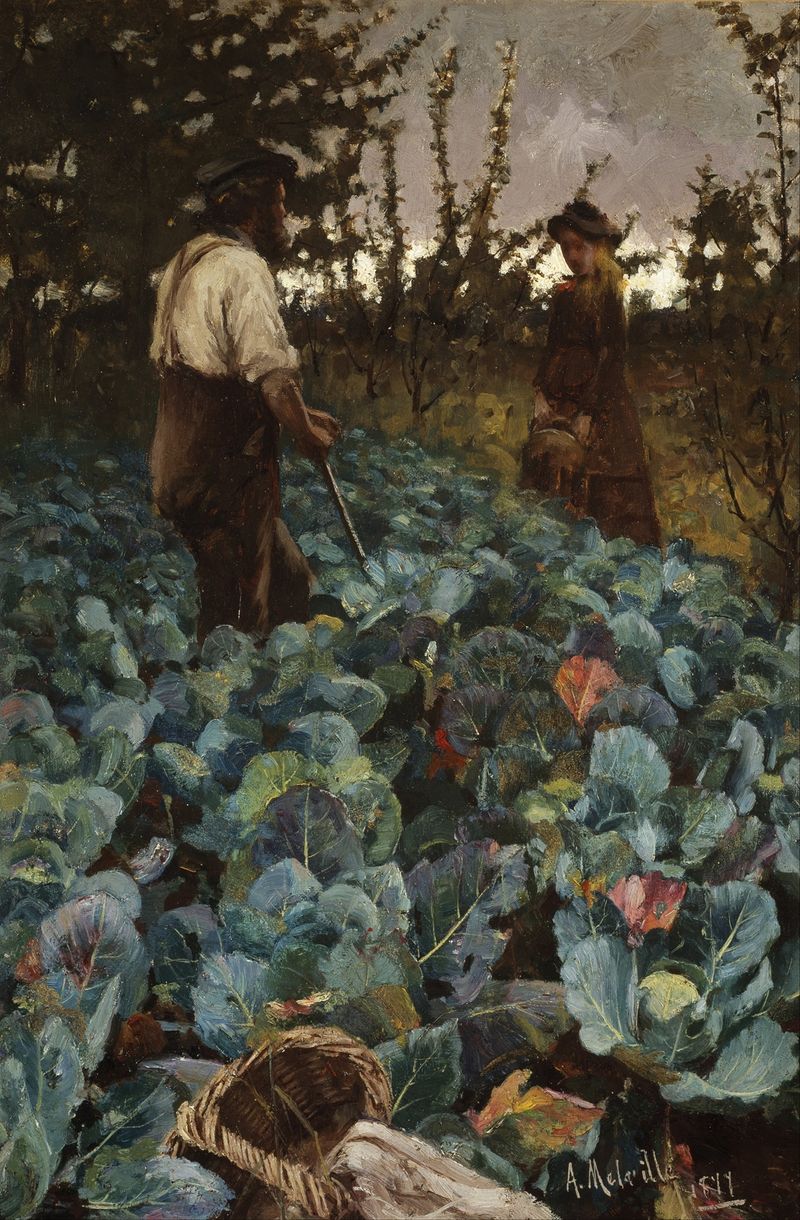
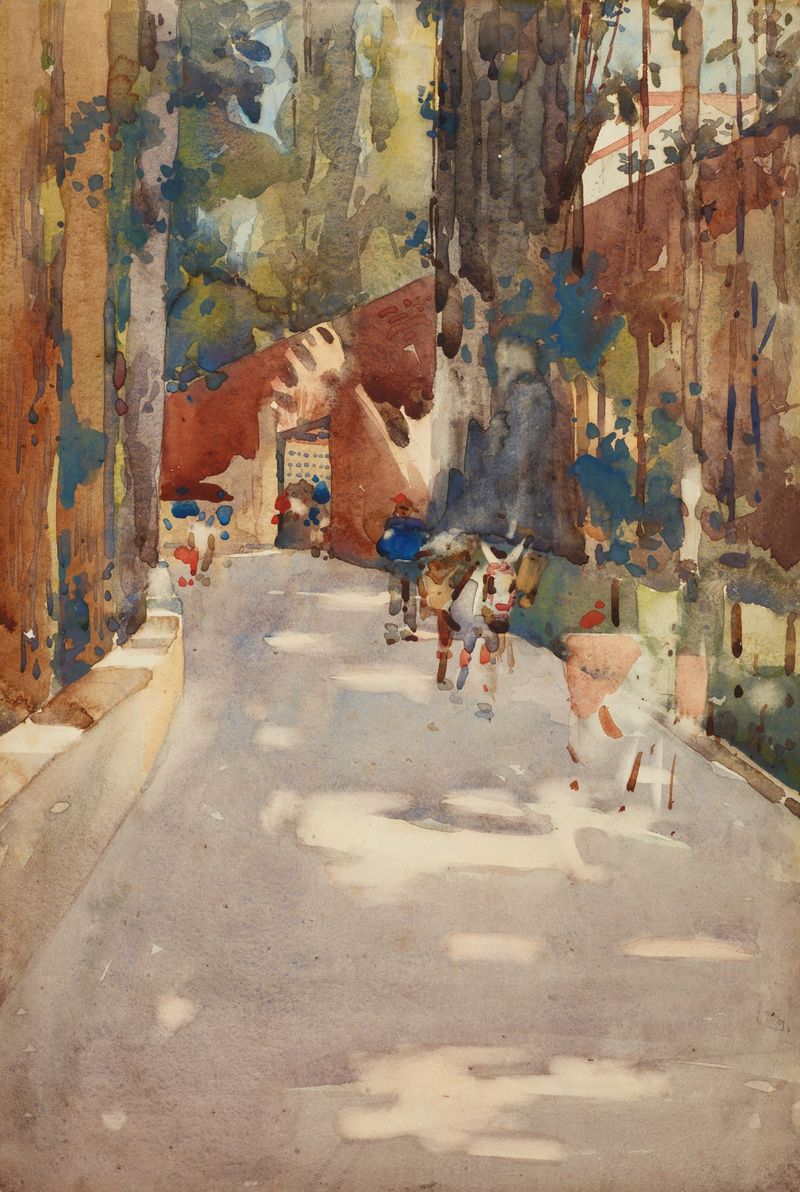
In a world painted with longing, desire simmers beneath the surface, waiting to be unveiled. The strokes of color dance between fervent expression and quiet introspection, inviting the viewer to delve deeper into the heart of the composition. Look toward the center, where fields of gold rise and fall like a gentle wave, an undulating sea of wheat that echoes the rhythm of the earth. Notice how the warm hues blend seamlessly into cooler shades, creating a soft gradient that draws your eye across the canvas.
The sky above, streaked with cerulean and wisps of white, suggests a fleeting moment—an ephemeral beauty balancing on the precipice of change, while the artist’s delicate brushwork lends texture and life to every blade of grass. As you explore further, consider the tension between the vibrant foreground and the serene backdrop. The cornfield pulses with energy, yet there is an underlying stillness that speaks to longing—perhaps for a simpler time or a deeper connection to nature. Each stroke is imbued with a desire to capture not just the physical beauty of the landscape, but also the emotional resonance it carries; the quiet whispers of dreams intertwined with the golden threads of the earth. Arthur Melville painted this masterpiece during a period of exploration and personal evolution, likely in the late 19th century.
Living in Scotland, he was influenced by the Impressionist movement, which sought to capture fleeting moments of light and atmosphere. In this context, the work reflects both his innovative spirit and the shifting artistic landscape of his time, as artists began to embrace the emotional depth of their subjects rather than merely their appearances.