
A Chaisse passing Through the Alps — History & Facts
When did color learn to lie? The vibrant hues of the landscape whisper truths of illusion, inviting viewers to question the world before their eyes. Look to the horizon, where the bold strokes of green and blue meld seamlessly, embracing the majestic peaks that rise proudly against the sky. Notice how the dappled light dances across the canvas, creating a rhythmic play that draws your gaze toward the chaisse, its form nestled delicately against the rugged backdrop. The contrasting colors of the foreground and the ethereal quality of the atmosphere give way to a sense of movement, as if the viewer can feel the crisp mountain air. Beneath this picturesque composition lies a tension between reality and representation.
The chaisse, with its seemingly effortless grace, represents the encroachment of human endeavor upon nature’s untouched majesty. Meanwhile, the vivid palette evokes a sense of both serenity and chaos—a reminder of nature's beauty intertwined with the fragility of truth in art. Each brushstroke holds significance, urging the viewer to ponder the authenticity of their own perceptions. Created during an era when Romanticism was flourishing, the artist painted this piece amidst a burgeoning interest in the sublime qualities of nature.
Working in the late 18th century, Marlow was at the forefront of capturing landscapes that merged emotional depth with visual splendor. The artistic community was witnessing a shift, as artists began elevating landscapes to a status previously reserved for historical and religious themes, emphasizing a newfound reverence for the natural world.
More Artworks by William Marlow
Browse all →
Whitehall
William Marlow
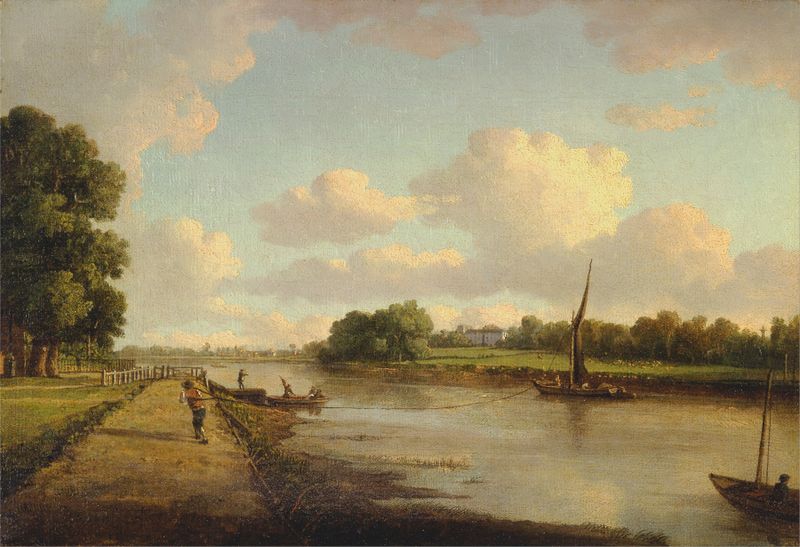
View on the River Thames at Richmond
William Marlow
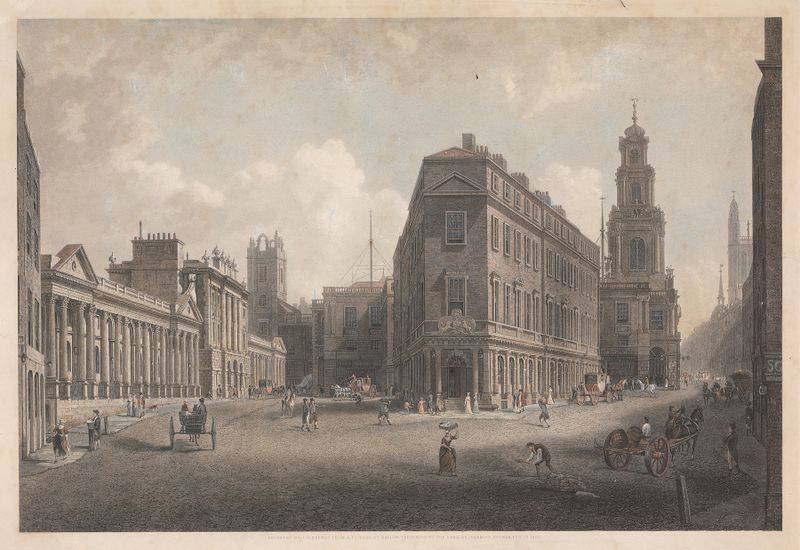
Bank of England Royal Exchange
William Marlow

The Thames At Richmond
William Marlow

The Arno towards the Ponte alle Grigio
William Marlow
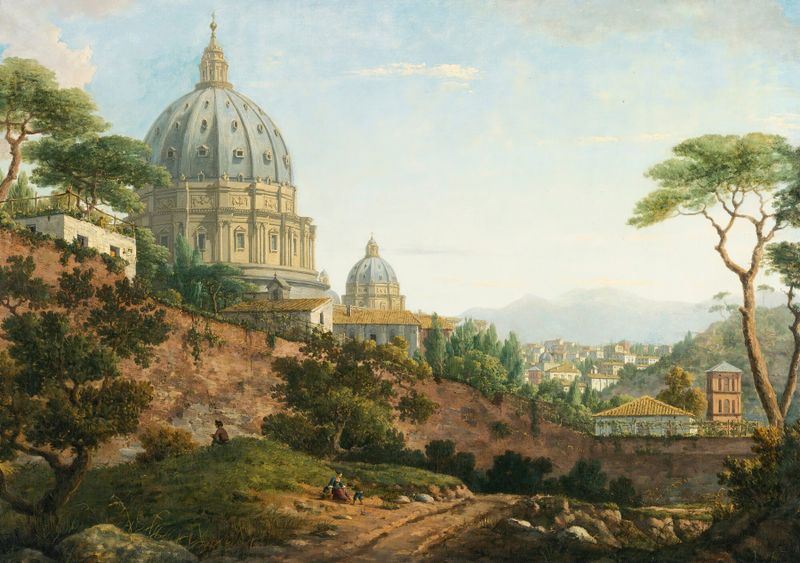
View Of Saint Peter’s, Rome
William Marlow
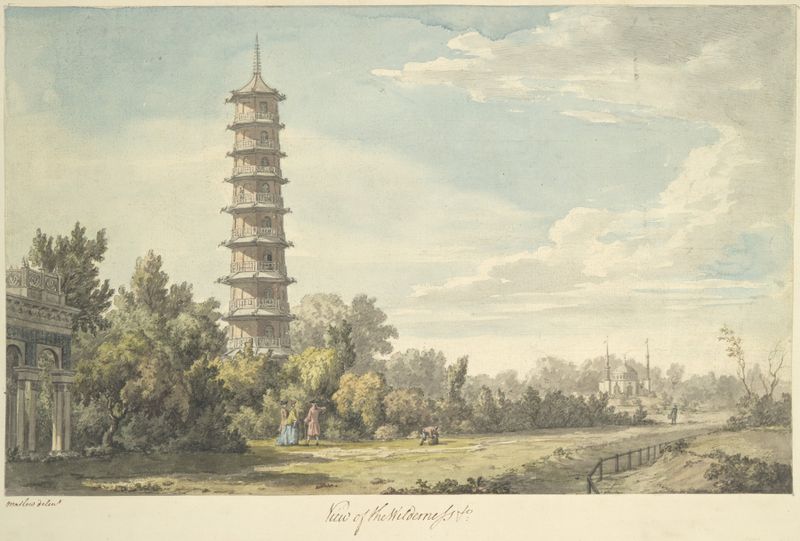
View of the Wilderness at Kew
William Marlow
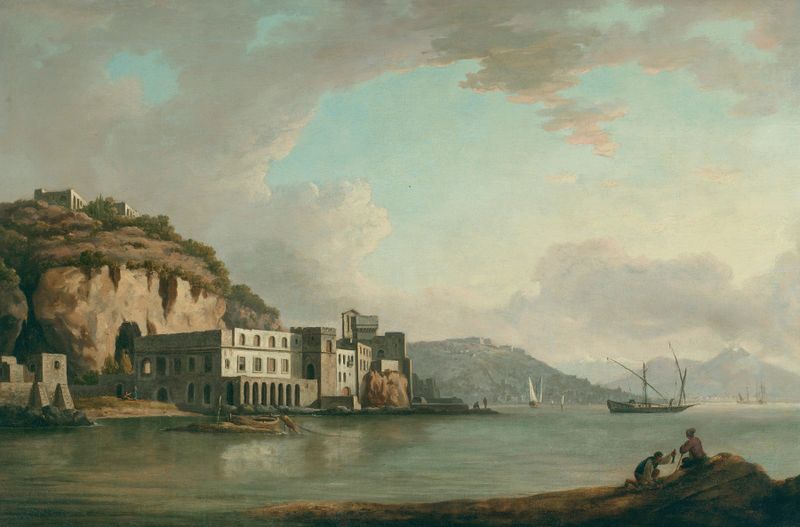
The Bay of Naples with Santa Maria degli Angeli
William Marlow

Nîmes from the Tour Magne
William Marlow
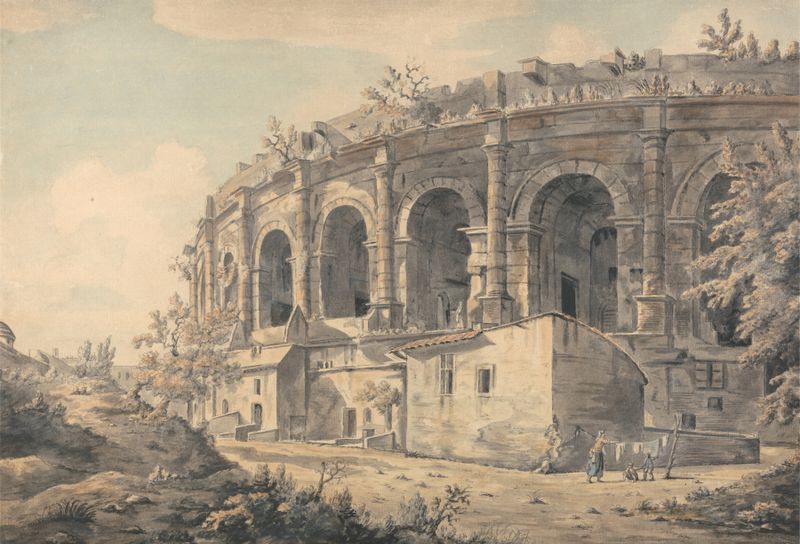
The Amphitheater at Nimes
William Marlow





