
A Cornfield — History & Facts
What if silence could speak through light? In A Cornfield, the stillness becomes a poignant commentary on solitude, painting a scene where nature breathes quietly, yet profoundly. Look to the center, where golden waves of wheat stretch towards the horizon, their delicate stalks bending under an unseen weight. The palette of soft greens and warm yellows creates an inviting yet melancholic atmosphere, while dappled sunlight filters through a delicate haze, casting gentle shadows that dance across the earth. Notice how the lone figure in the distance appears dwarfed by the vastness of the field, an evocative representation of isolation amid the grandeur of the natural world. The contrast between the vibrant flora and the solitary figure speaks volumes about human vulnerability.
While the landscape flourishes, the presence of a single person accentuates the loneliness that can exist even in fertile surroundings. Each brushstroke conveys a silent story of yearning, as if to suggest that beauty can exist hand-in-hand with desolation. The stillness evokes a longing for connection, leaving the viewer to ponder the balance of existence within a boundless and indifferent nature. In 1823, the artist captured this moment amidst a period of personal transition, as he navigated the changing tides of his career and reflected on the evolving art scene in England.
Located in a climate ripe with Romanticism, Munn sought to blend the beauty of the landscape with profound emotional depth, emphasizing the silence that often accompanies solitude.
More Artworks by Paul Sandby Munn
Browse all →
View of Side Farm, Patterdale
Paul Sandby Munn

Landscape with Farmhouse, Figures and Pond
Paul Sandby Munn

Shanklin Chine, Isle of Wight
Paul Sandby Munn
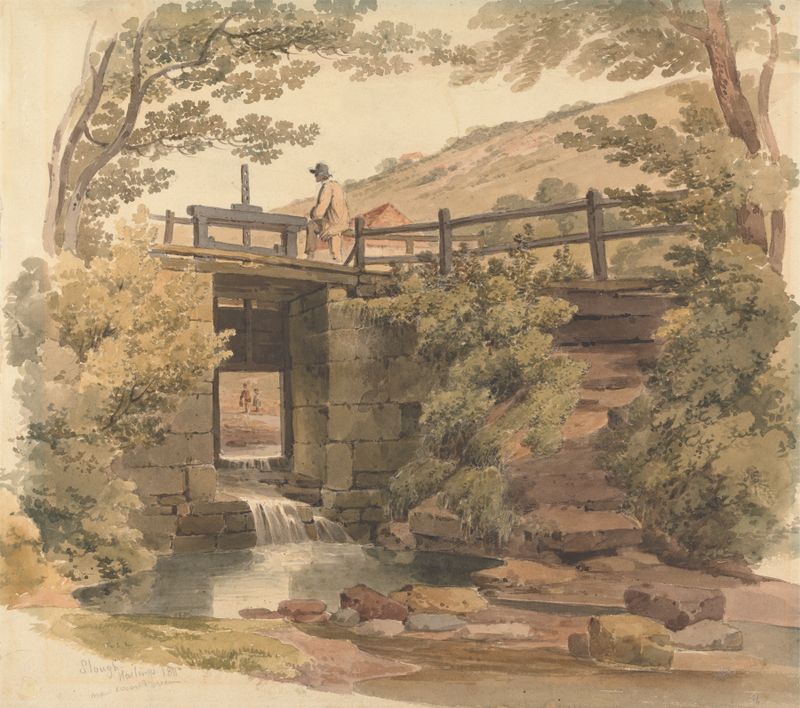
The Sluice Gate near Slough
Paul Sandby Munn
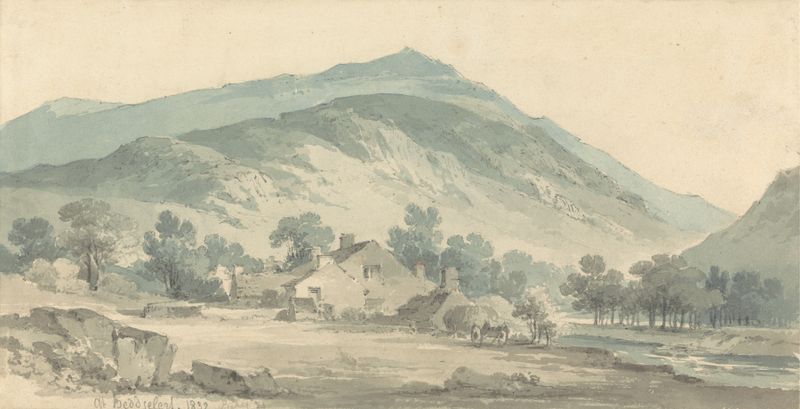
Landscape at Beddgelert, North Wales
Paul Sandby Munn
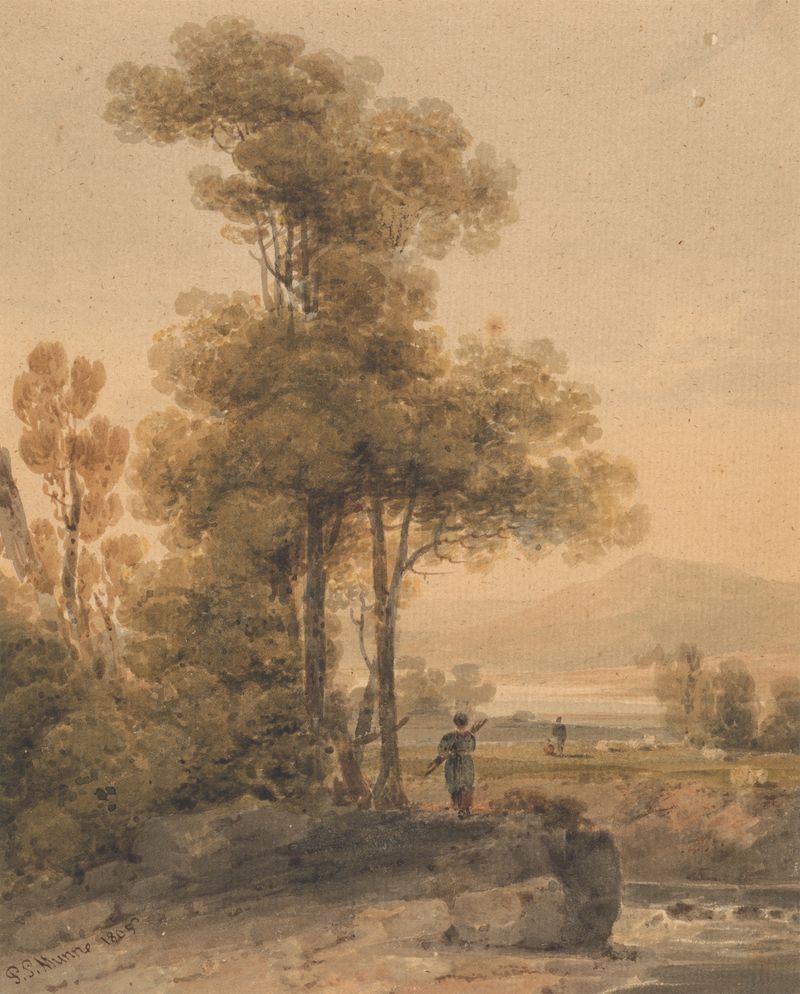
Landscape waith Figures, Cromach Water
Paul Sandby Munn

Ludlow Church
Paul Sandby Munn





