Landscape with Farmhouse, Figures and Pond — History & Facts
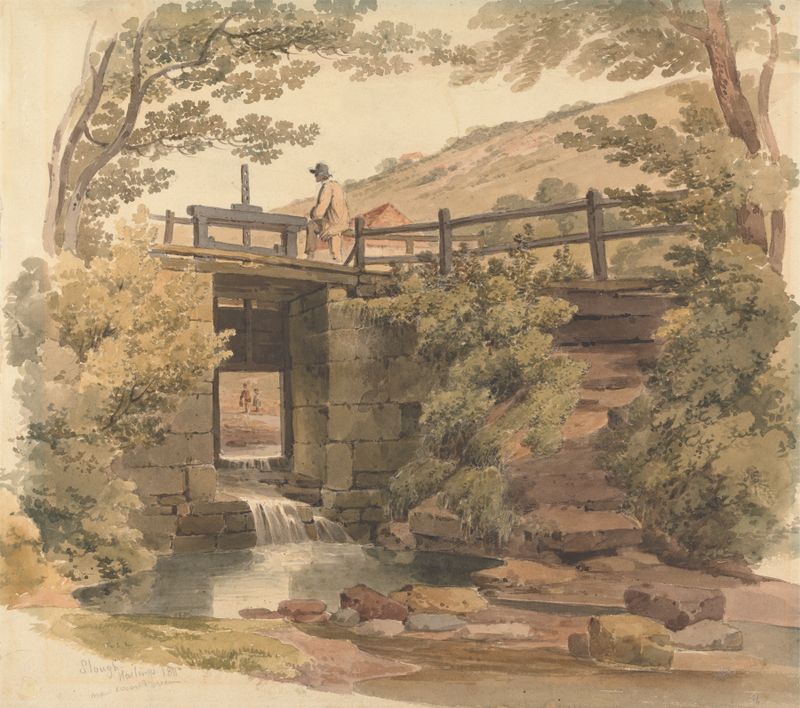
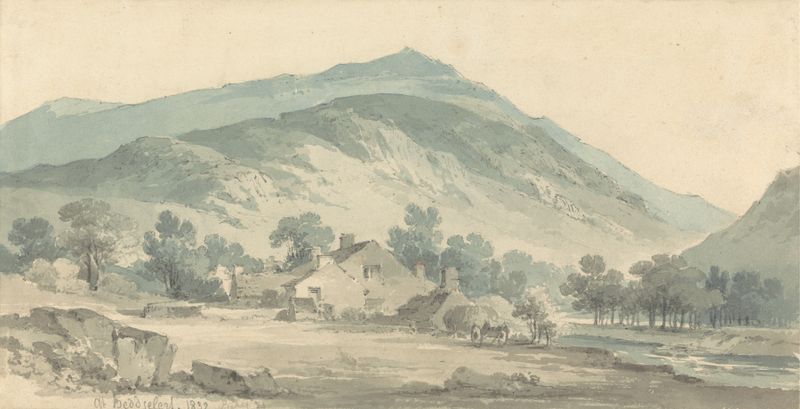
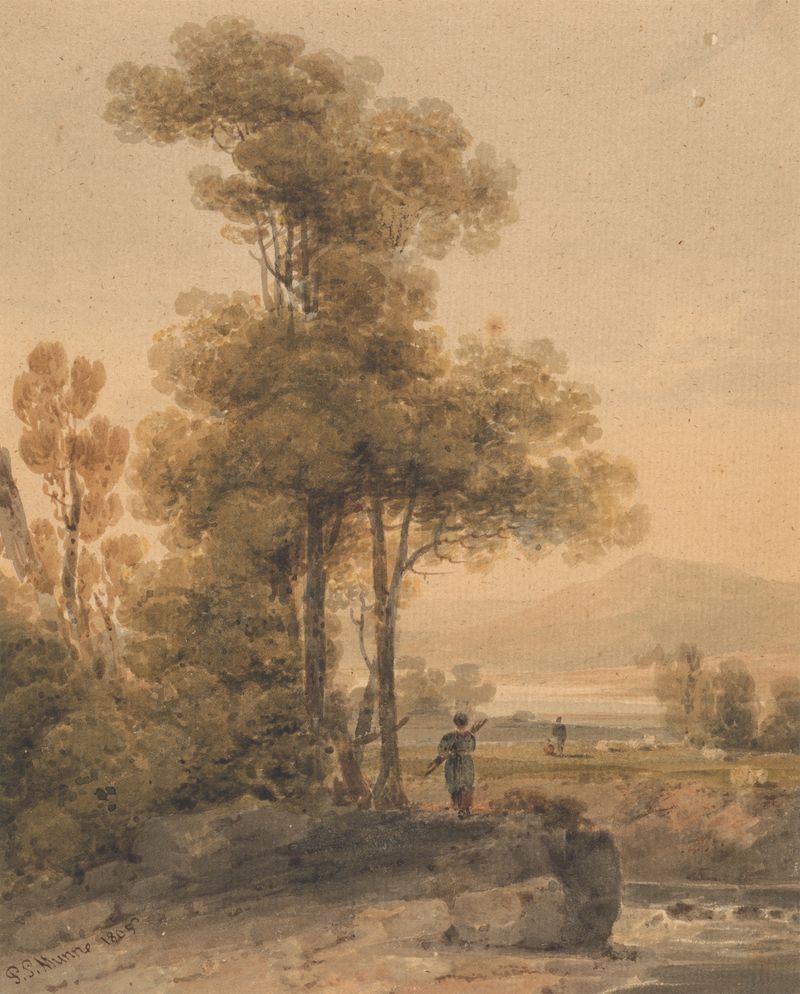
In the quiet corners of nature, rebirth unfolds through the delicate interplay of light and color, urging us to pause and reflect on the cyclical beauty of life. Focus your gaze on the vibrant green hues that cradle the farmhouse, inviting you to wander through the lush landscape. Notice how the soft brushwork harmonizes with the gentle ripples of the pond, creating a serene mirror for the figures that dot the scene. The use of light — a warm golden glow — bathes the entire composition, illuminating the details that speak of daily life and the rustic charm of a countryside existence. But beneath this tranquil facade lies a subtle tension.
The figures, lost in their chore, are emblematic of the everyday struggle between labor and leisure, a juxtaposition of toil and the serenity of nature that surrounds them. The pond, a symbol of renewal, reflects not just the sky above but the promise of a fresh beginning, echoing themes of rebirth that resonate deeply in the human experience. Each element serves as a reminder that life continuously weaves itself into cycles of growth and decay. Painted around the turn of the 19th century, the artist captured this scene as part of a movement that celebrated nature and its restorative powers.
During this period, Munn was immersed in a world where the Industrial Revolution began to reshape landscapes, making his return to pastoral themes a personal journey of belonging amidst the changes. As a prominent figure in British landscape painting, his work emerged from a desire to preserve the beauty of the natural world at a time when it was increasingly threatened.