
The Sluice Gate near Slough — History & Facts
The stillness captured within the frame invites the viewer to question what lies beneath the surface—the illusion of tranquility deftly interwoven with underlying tension. Look to the left at the sluice gate, its weathered wood textured by time, whispering stories of countless seasons passed. Notice how the gentle curve of the waterway leads the eye through the composition, creating a sense of movement despite the stillness. The cool blues and soft greens evoke a serene ambiance, while the delicate brushwork suggests a play of light filtering through leaves, casting ephemeral shadows that dance across the scene. Deeper still, the juxtaposition of nature and human endeavor unfolds.
The gate, a symbol of control and manipulation, stands against the untamed current, a reminder of humanity's attempts to tame the wild. The quiet water reflects the surrounding trees, hinting at the dualities of reality versus perception and stability versus chaos. Each element, from the ripples on the water to the distant horizon, pulls the viewer into a contemplative space where illusion reigns. In 1811, the artist created this work during a period of personal exploration and discovery, finding inspiration in the picturesque landscapes near Slough.
Emerging from the influences of the Romantic movement, he sought to merge nature with human craftsmanship, capturing the delicate balance between serenity and the relentless force of nature. This piece reflects a moment in art history where the interplay of light and shadow became a vehicle for profound expression.
More Artworks by Paul Sandby Munn
Browse all →
View of Side Farm, Patterdale
Paul Sandby Munn

Landscape with Farmhouse, Figures and Pond
Paul Sandby Munn

Shanklin Chine, Isle of Wight
Paul Sandby Munn
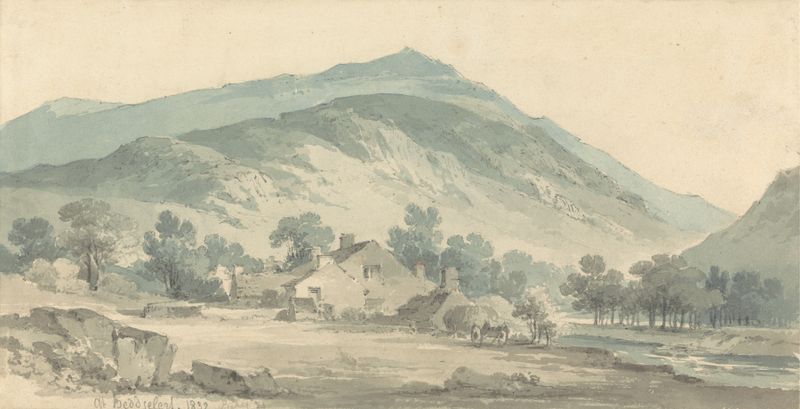
Landscape at Beddgelert, North Wales
Paul Sandby Munn
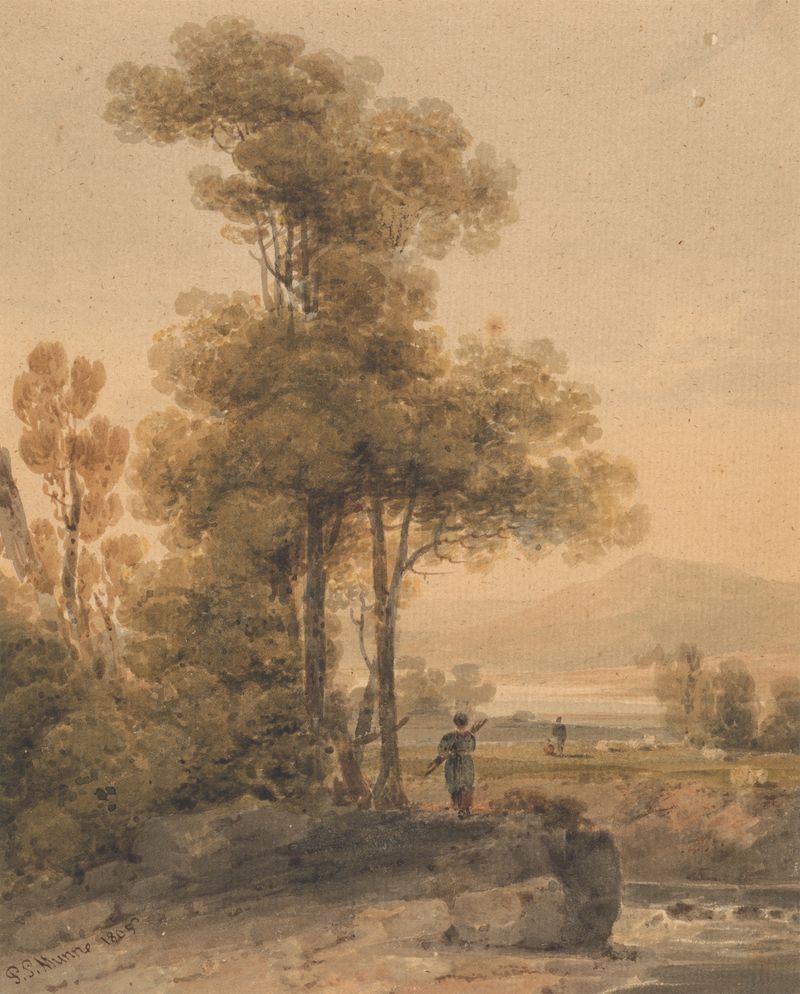
Landscape waith Figures, Cromach Water
Paul Sandby Munn

A Cornfield
Paul Sandby Munn

Ludlow Church
Paul Sandby Munn





