Landscape waith Figures, Cromach Water — History & Facts
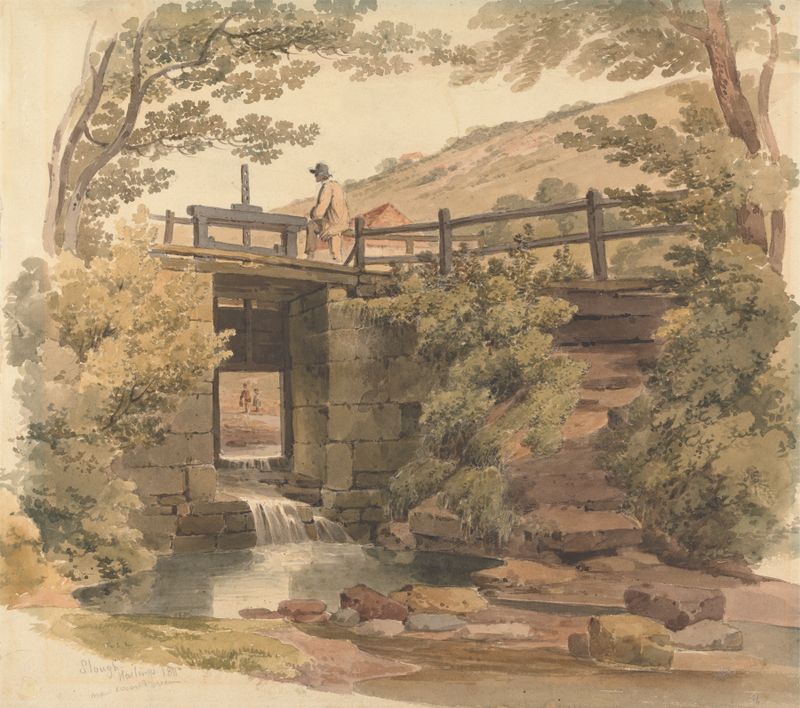
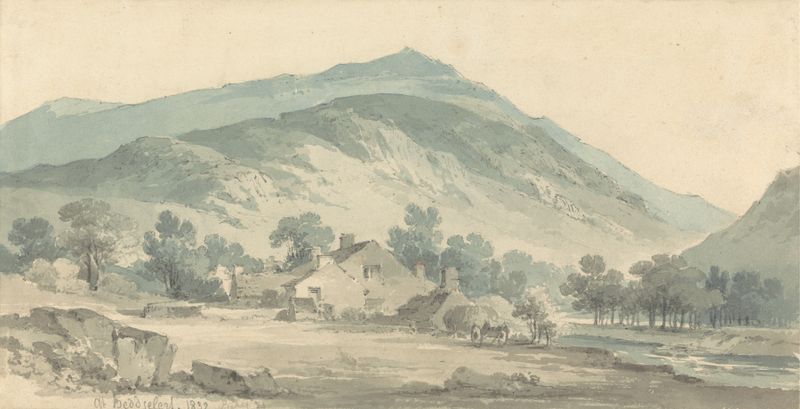
Could a single brushstroke hold eternity? In Landscape with Figures, Cromach Water, the artist captures a fleeting moment of rebirth, where nature and humanity converge in harmony. Look to the center, where the shimmering water reflects a cloud-dotted sky, inviting you into the tranquil embrace of the landscape. Notice how the gentle greens and browns of the trees juxtapose with vibrant patches of wildflowers, leading the eye to a small group of figures enjoying the serenity of the scene. The soft strokes of the brush create a sense of movement, as if the landscape breathes, pulsing with the life of the moment. In the distance, mountains rise majestically, hinting at the enduring strength of nature, while the figures below embody the transient joys of human existence.
The delicate balance between the expansive sky and the grounded earth underscores a powerful contrast: the permanence of nature against the ephemerality of life. Each element speaks to the idea of rebirth—both of the landscape through the seasons and the moments shared by the figures. Painted in 1805, during a time of shifting artistic currents, the work reflects Sandby Munn's deep connection to the British landscape tradition. He was exploring the themes of natural beauty and human presence, placing everyday life within the context of the sublime.
This era marked a growing appreciation for the rural and the picturesque, as artists began to celebrate the natural world as a source of inspiration and reflection during a time of rapid industrial change.