
Shanklin Chine, Isle of Wight — History & Facts
This delicate balance captures the essence of Shanklin Chine, Isle of Wight, where reality intertwines with nature's whispers, urging us to look deeper. Begin by examining the vibrant greens that envelop the scene. Look to the left, where the towering trees rise like ancient sentinels, their foliage a riot of rich, verdant hues. Notice how the artist masterfully uses light to illuminate the path, casting a gentle glow that draws your eye toward the meandering water below.
The subtle play of shadow and luminosity invites contemplation, guiding us through this tranquil landscape. Beneath the surface, the painting speaks of contrasts. The serenity of nature is interrupted by the rush of the stream, a metaphor for the passage of time. The rugged cliffs, stoic yet fragile, suggest the tension between permanence and change, while the dappled sunlight serves as a reminder of fleeting moments.
Each brushstroke encapsulates a harmony that resonates with the viewer, whispering secrets hidden within the folds of the scenery. In 1797, Paul Sandby Munn painted this work during a period of artistic exploration and appreciation for the British landscape. Living in a time when picturesque views were increasingly favored, he sought to capture not just the visual beauty of the Isle of Wight but also its emotional essence. This piece emerged as part of a larger movement that celebrated the relationship between humanity and nature, reflecting both personal and collective experiences of the world at that moment.
More Artworks by Paul Sandby Munn
Browse all →
View of Side Farm, Patterdale
Paul Sandby Munn

Landscape with Farmhouse, Figures and Pond
Paul Sandby Munn
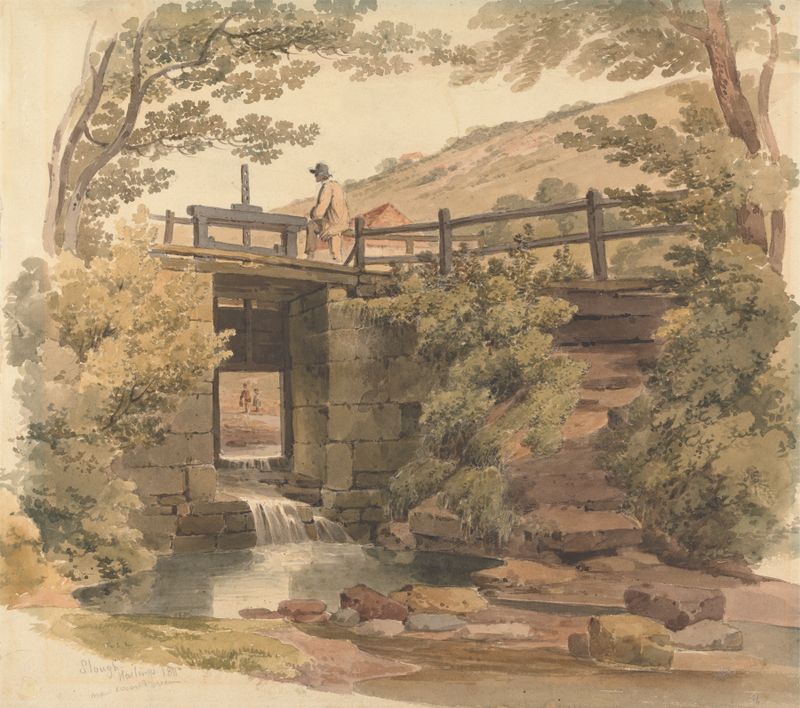
The Sluice Gate near Slough
Paul Sandby Munn
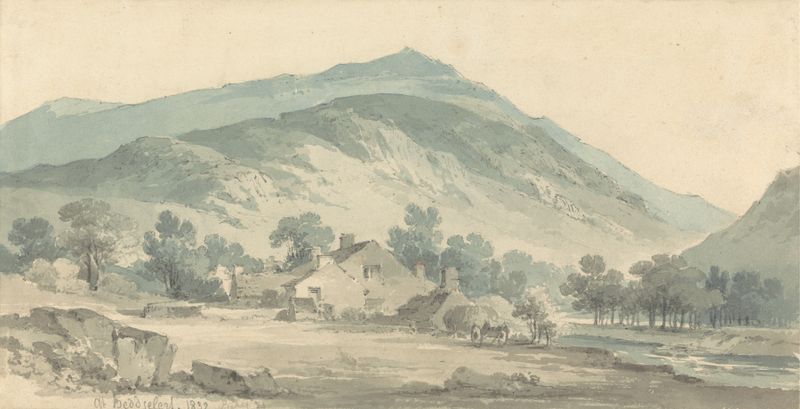
Landscape at Beddgelert, North Wales
Paul Sandby Munn
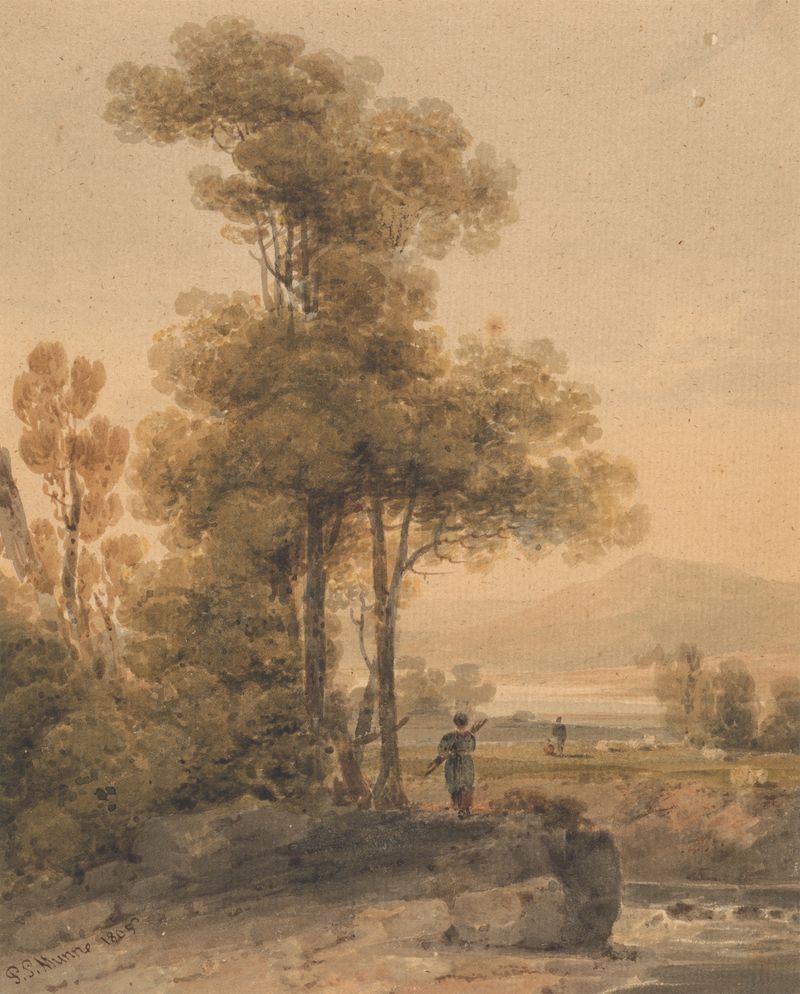
Landscape waith Figures, Cromach Water
Paul Sandby Munn

A Cornfield
Paul Sandby Munn

Ludlow Church
Paul Sandby Munn





