A country path — History & Facts
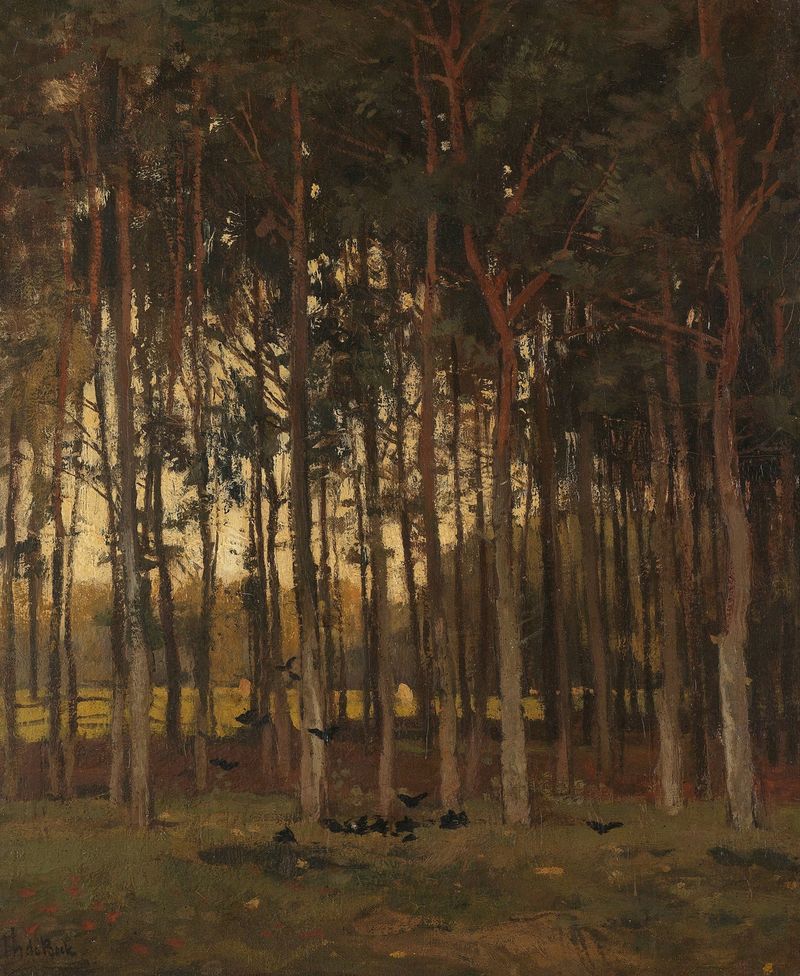
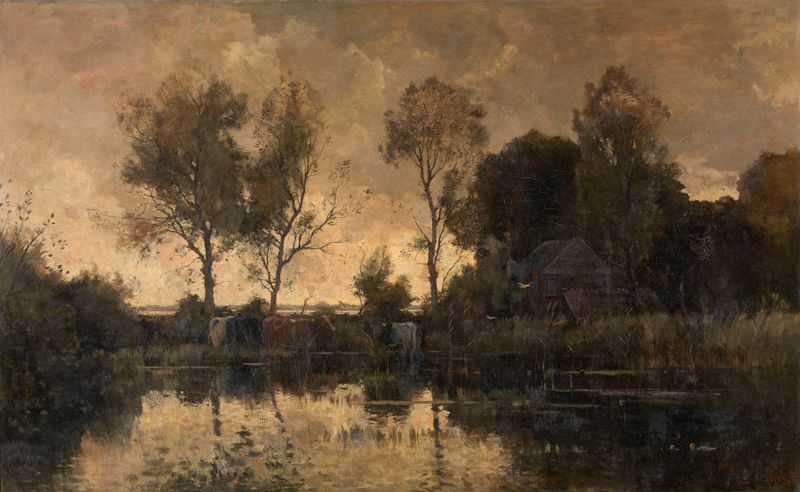
Who listens when art speaks of silence? In the stillness of A country path, an invitation to wander reverberates through the lush greenery and the winding trail that beckons the viewer forward. The sense of movement is palpable, as if the painting captures a fleeting moment of nature alive with whispers and rustling leaves. Observe the gentle curve of the path that draws your eye from the foreground into the serene distance. Focus on the dappled light filtering through the trees, creating a delicate play of shadows on the ground.
The artist's careful brushwork captures the varying greens of the foliage, each stroke resonating with the vibrancy of life, while hints of earthy browns ground the scene. The composition leads the eye naturally, suggesting a journey both physical and contemplative. Beneath the surface, the work reveals deeper layers of meaning—an interplay between solitude and companionship, nature and humanity. The path, though solitary, evokes the potential for connection; it hints at the unseen presence of those who might tread it.
The quiet atmosphere suggests introspection, inviting viewers to ponder their own relationship with nature and the moments of stillness that often pass unnoticed in a fast-paced world. Created during a period when many artists explored the tranquility of rural life, this piece reflects the artist’s fascination with the Dutch landscape. De Bock painted this work in the late 19th century, a time when Impressionism was gaining momentum, allowing him to embrace the fluidity of nature while pushing against earlier, more rigid artistic conventions. His engagement with the scene is an expression of both personal experience and broader cultural shifts in art.