
A female allegorical figure — History & Facts
What first arrests the eye in A female allegorical figure by Aert de Gelder is the commanding presence of the woman at its center, her gaze steady and her posture upright, as if she were about to speak or step forward from the frame. The light catches on her face and the intricate, almost theatrical costume—emerald green and gold, with a hint of armor—inviting viewers to puzzle out her identity and meaning. The staff she holds is no mere accessory; it signals authority, virtue, or perhaps victory, depending on the allegory intended.
The artist’s brushwork lingers on the textures of fabric and metal, making the figure both real and emblematic, while the deep, shadowed background isolates her, heightening the sense of a single, potent idea made flesh. Painted between 1698 and 1710, this work belongs to the late Dutch Golden Age, a period when allegorical portraits flourished among collectors and civic patrons alike. Such images were often commissioned to embody virtues, cities, or abstract concepts, their meanings legible to contemporary viewers steeped in emblem books and classical references. Aert de Gelder, a pupil of Rembrandt, brought a theatrical sensibility to these themes, favoring dramatic costumes and expressive faces over strict realism.
Now in the Dordrechts Museum, this painting stands as both a puzzle and a relic of a world where art was a language of symbols—inviting us to look again, and ask what ideals this figure was meant to embody.
More Artworks by Aert de Gelder

Portrait of a Young Woman
Aert de Gelder

Hermanus Boerhaave (1668-1738), Professor of Medicine at the University of Leiden, with his Wife Maria Drolenvaux (1686-1746) and their Daughter Johanna Maria (1712-91)
Aert de Gelder
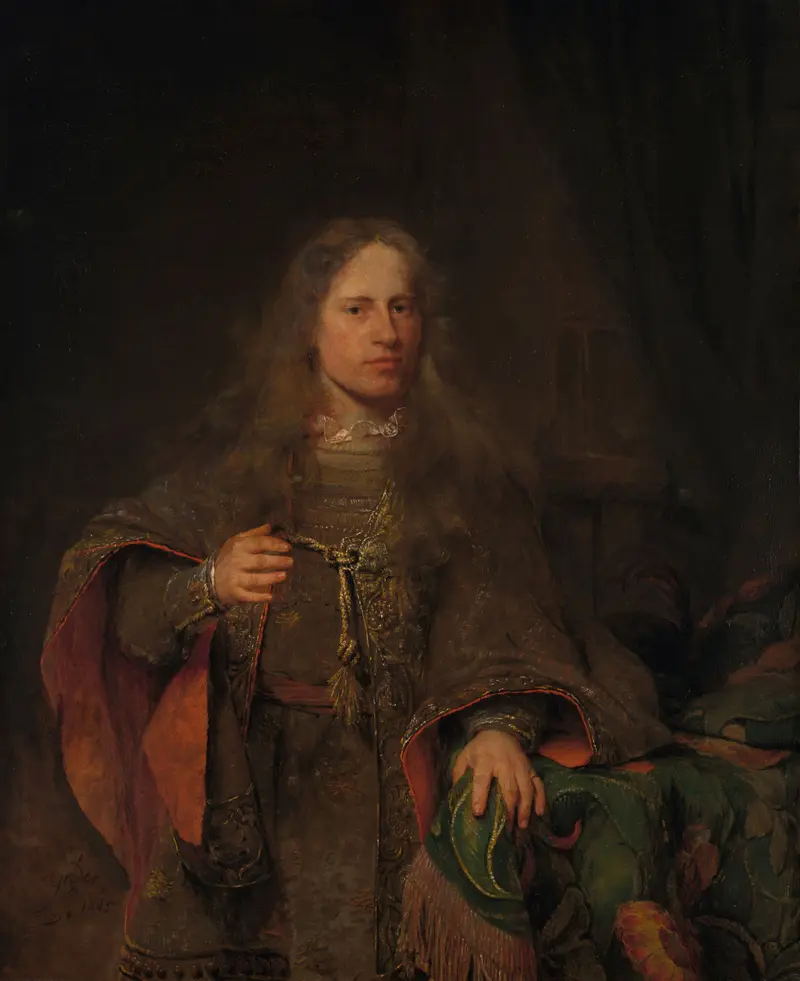
Portrait of Ernest de Beveren, Lord of West-IJsselmonde and De Lindt
Aert de Gelder
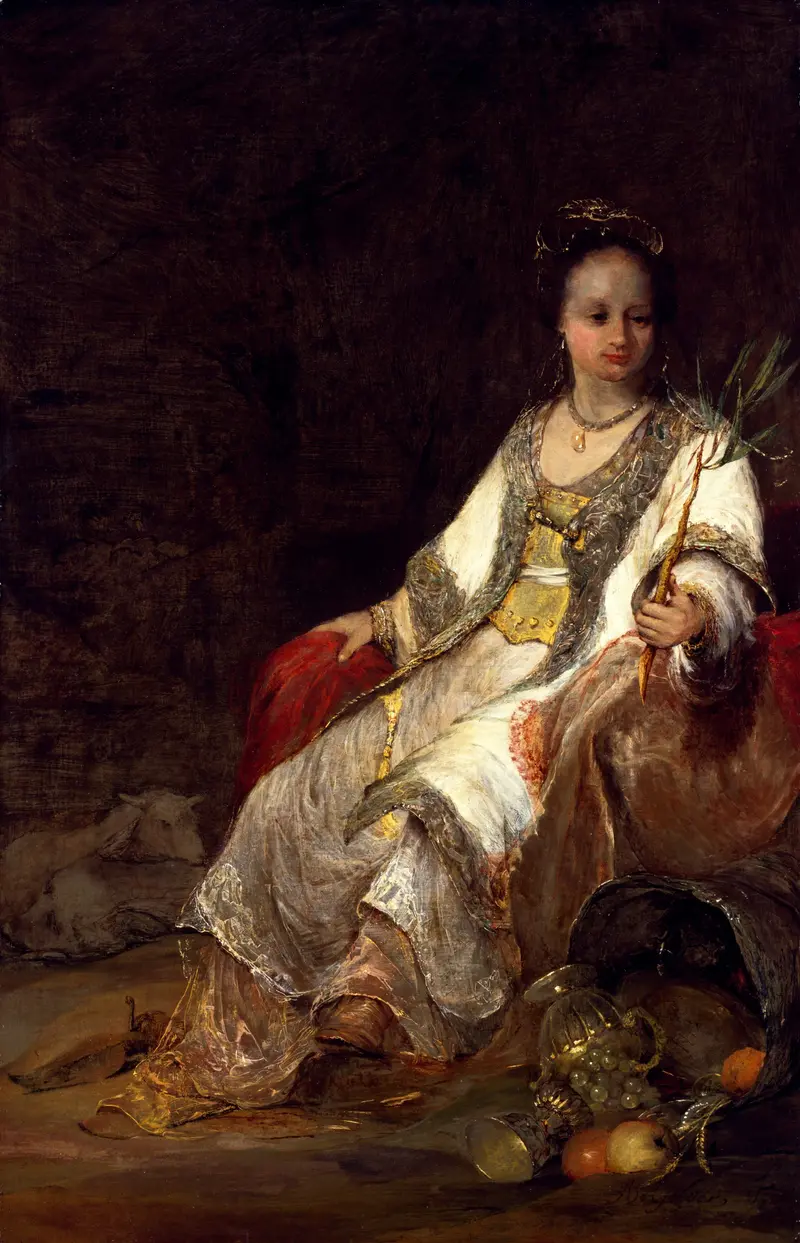
Allegory on Peace
Aert de Gelder
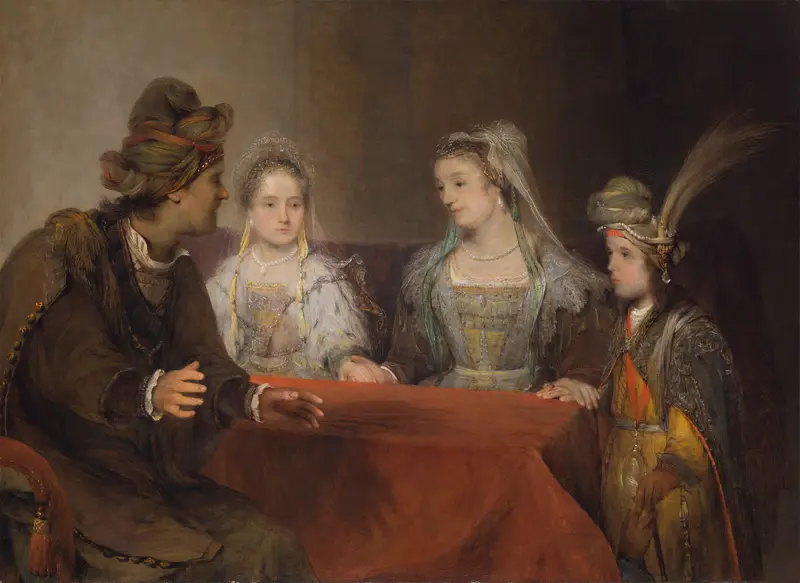
Edna Entrusting Tobias with Sarah
Aert de Gelder
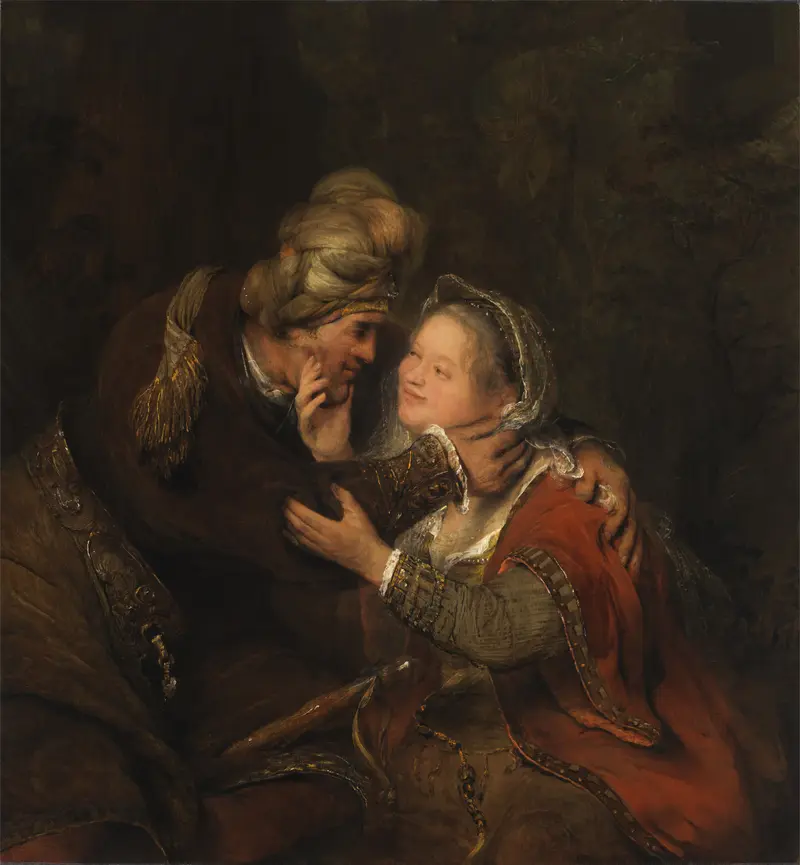
Judah and Tamar
Aert de Gelder
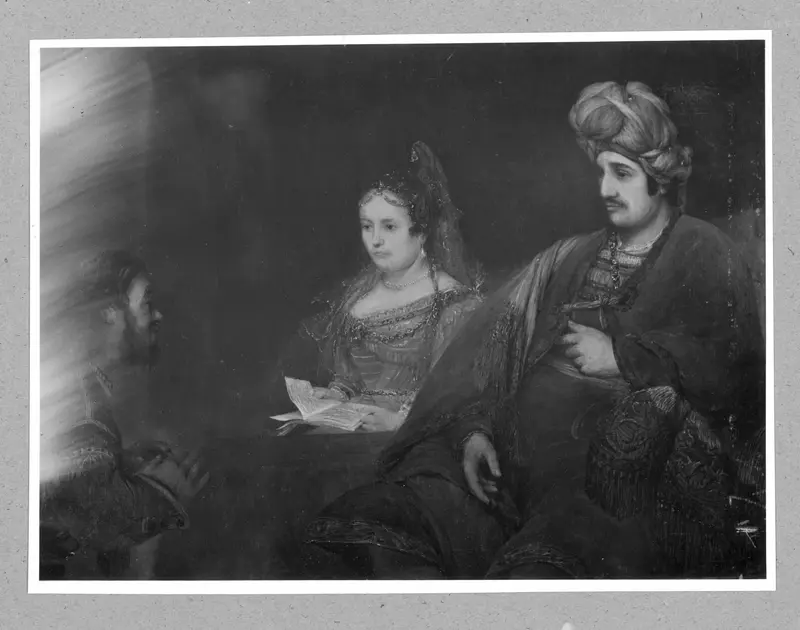
Hamas before Ahasver
Aert de Gelder
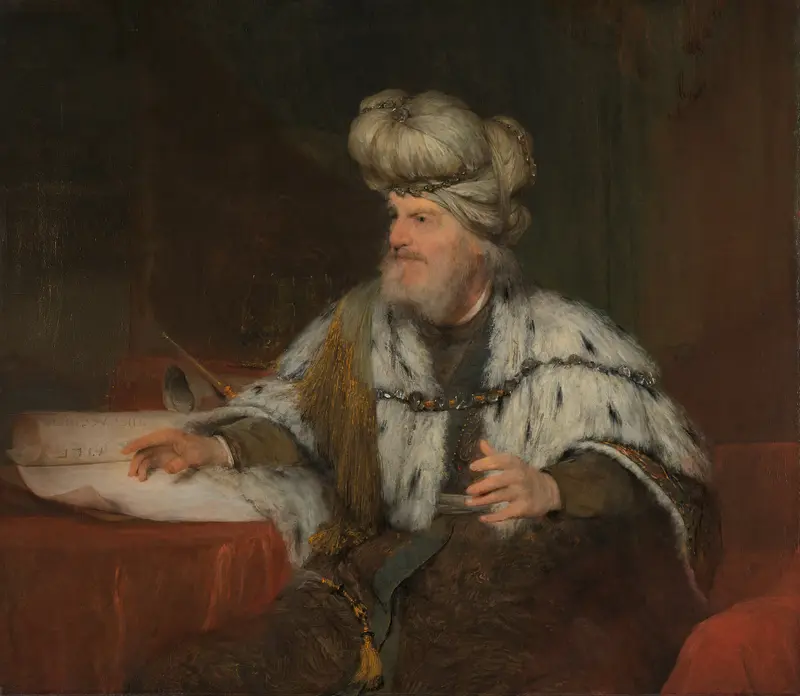
King David
Aert de Gelder
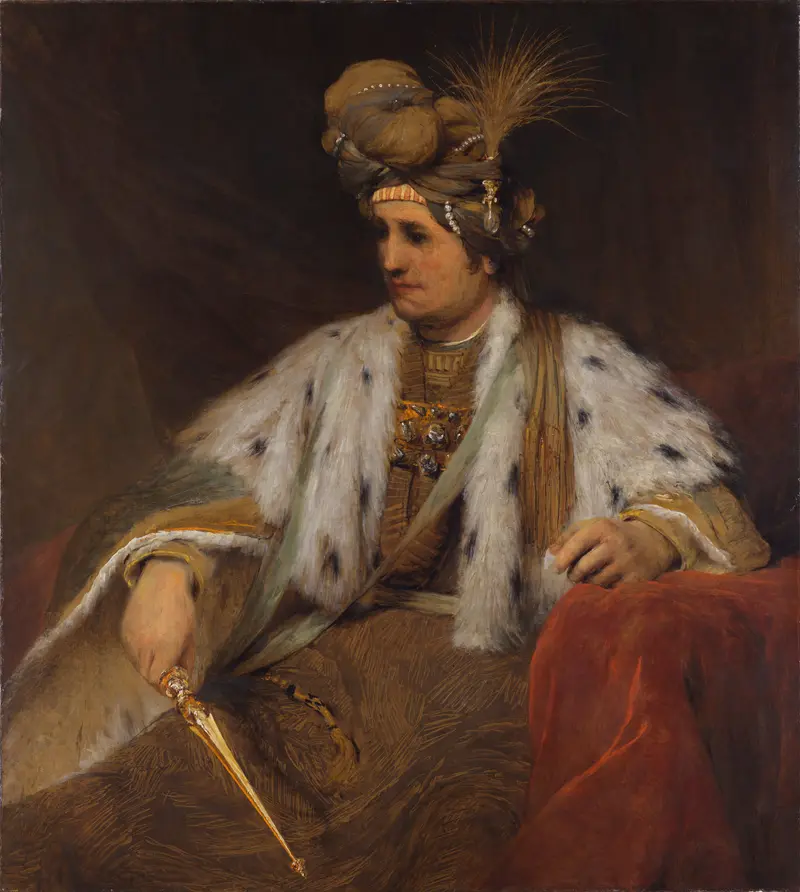
Old Testament Figure, Probably King Solomon
Aert de Gelder
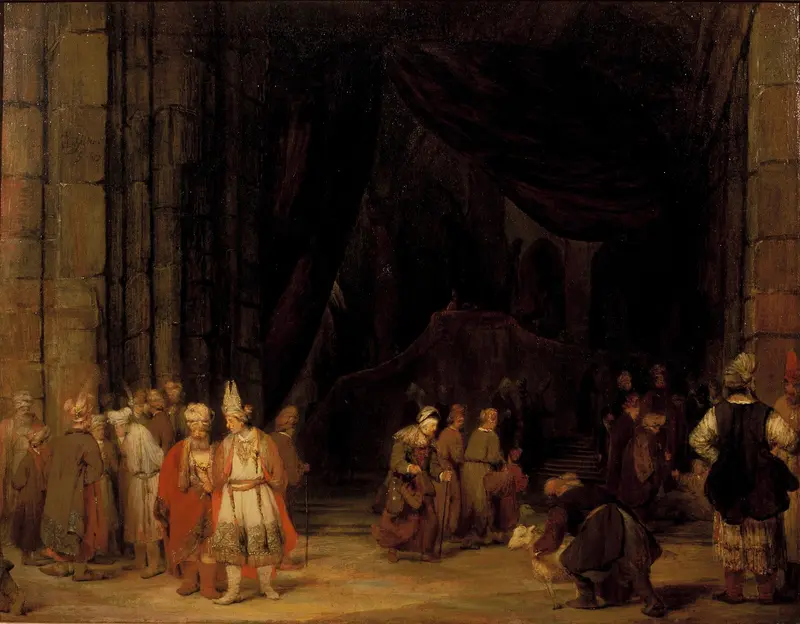
Courtyard of a temple
Aert de Gelder





