
Edna Entrusting Tobias with Sarah — History & Facts
What draws the eye first in Edna Entrusting Tobias with Sarah is the hush of anticipation that seems to vibrate between the four figures gathered around the table. The artist, Aert de Gelder, captures a moment of solemn transition: hands reach across the red cloth, gestures pausing mid-air, as if the next words spoken will change lives. The light falls gently on the faces, illuminating the young woman at the center—her gaze steady, her attire rich with pearls and delicate embroidery—while the older woman beside her offers silent support.
The man’s outstretched hand, fingers splayed in explanation or reassurance, and the strikingly attired youth at the far right, feathered turban catching the light, anchor the scene in a world of ritual and ceremony. Every detail—the careful braids, the layered fabrics, the subtle interplay of glances—invites the viewer to linger and wonder at the relationships and hopes that bind these figures together. Painted in the 1690s, this work belongs to a world where biblical and historical storytelling flourished on Dutch canvases, often commissioned for private devotion or as demonstrations of learning and taste. Aert de Gelder, a late Baroque painter and one of Rembrandt’s last pupils, was known for his ability to infuse familiar narratives with psychological depth and warmth.
The painting’s rich costumes and theatrical gestures reflect the era’s fascination with the exotic and the dramatic, while the intimate scale and subdued palette speak to a more personal, introspective kind of storytelling. Now part of the Leiden Collection, this painting is a testament to a time when artists and patrons alike found meaning in scenes of trust and transition—inviting us, centuries later, to read the silent language of hands and eyes.
More Artworks by Aert de Gelder

Portrait of a Young Woman
Aert de Gelder

Hermanus Boerhaave (1668-1738), Professor of Medicine at the University of Leiden, with his Wife Maria Drolenvaux (1686-1746) and their Daughter Johanna Maria (1712-91)
Aert de Gelder
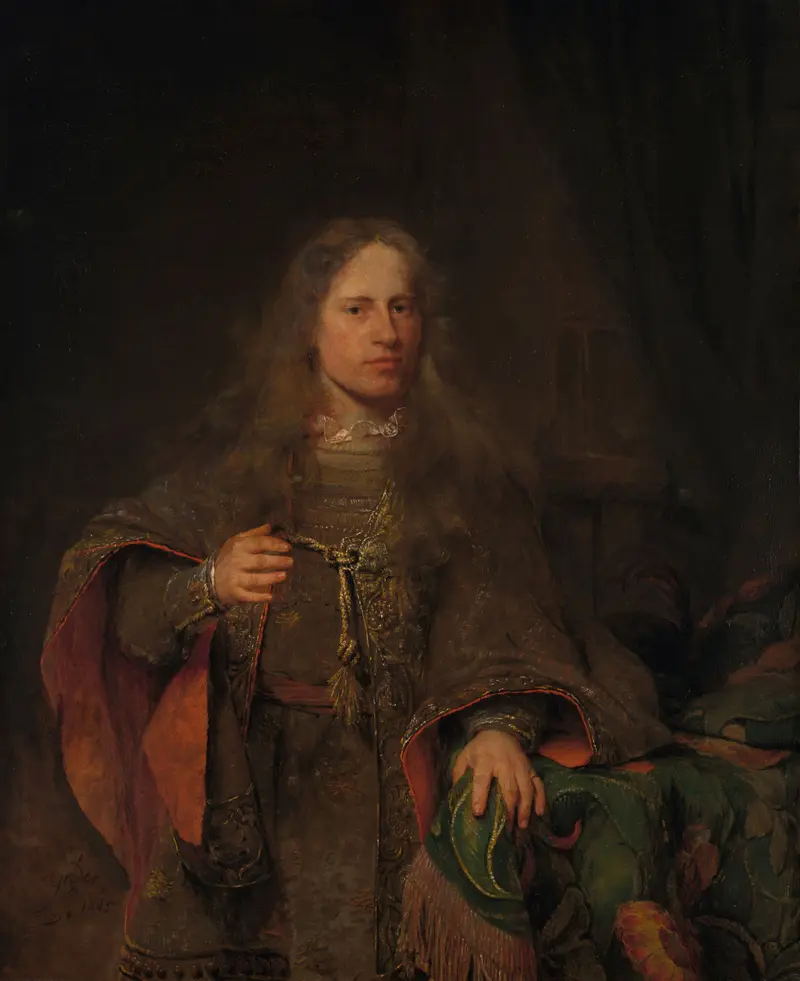
Portrait of Ernest de Beveren, Lord of West-IJsselmonde and De Lindt
Aert de Gelder
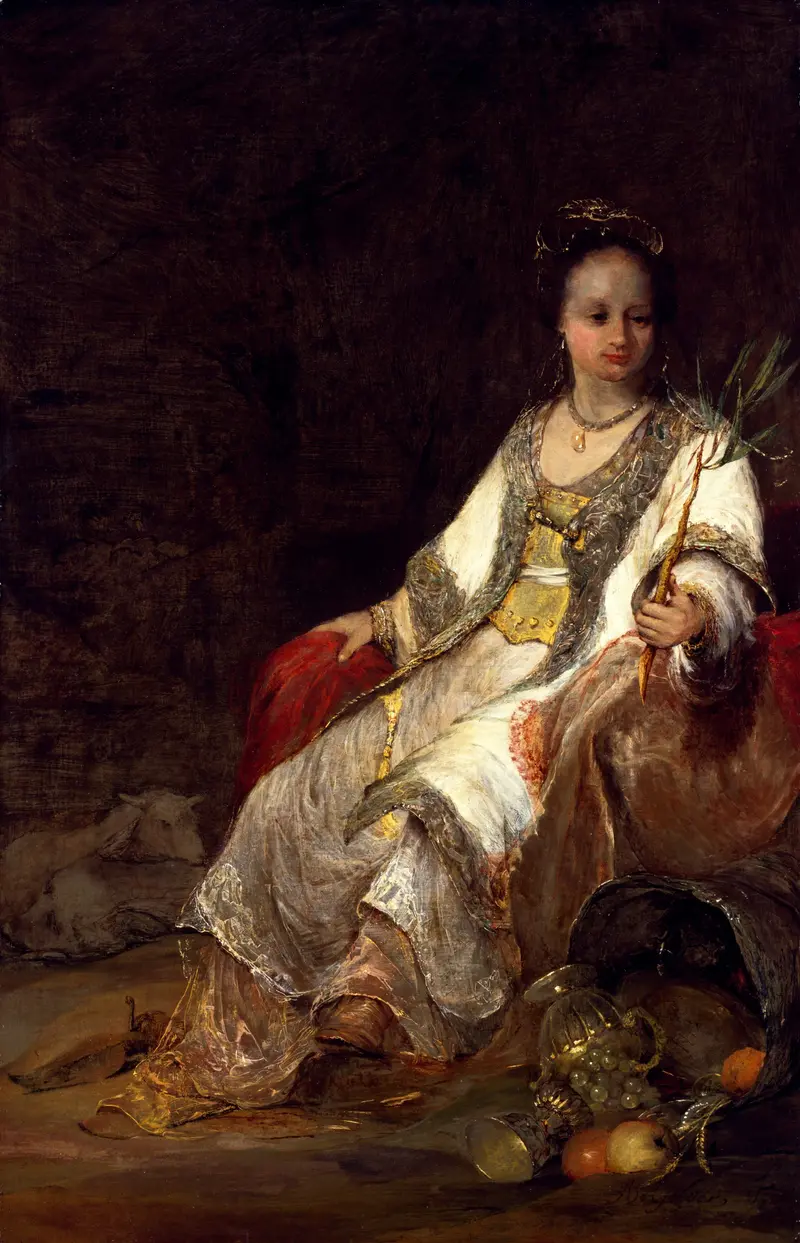
Allegory on Peace
Aert de Gelder
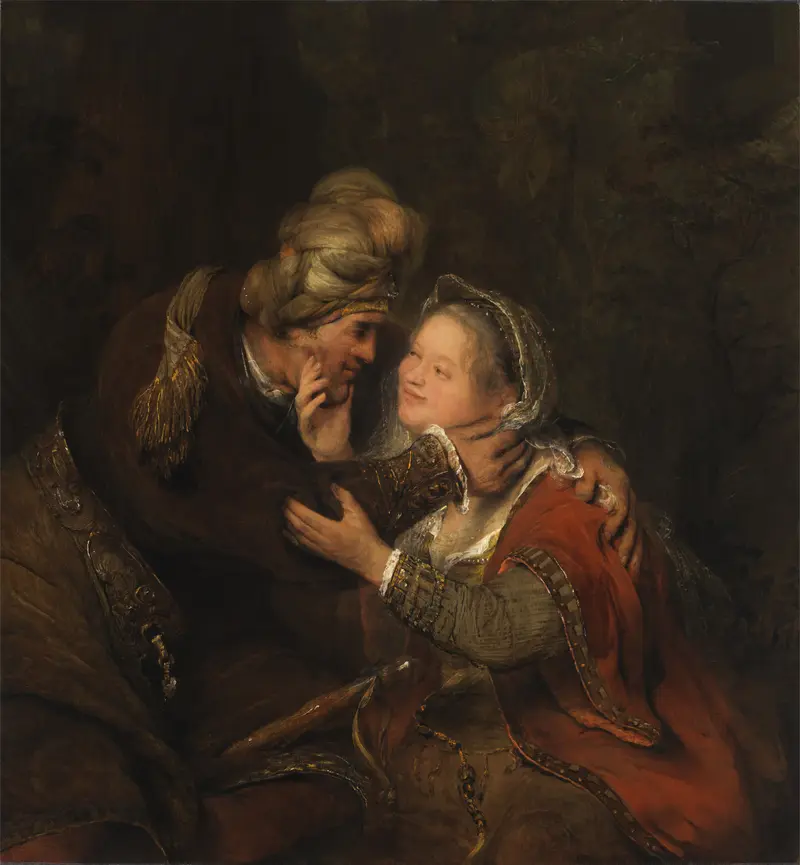
Judah and Tamar
Aert de Gelder
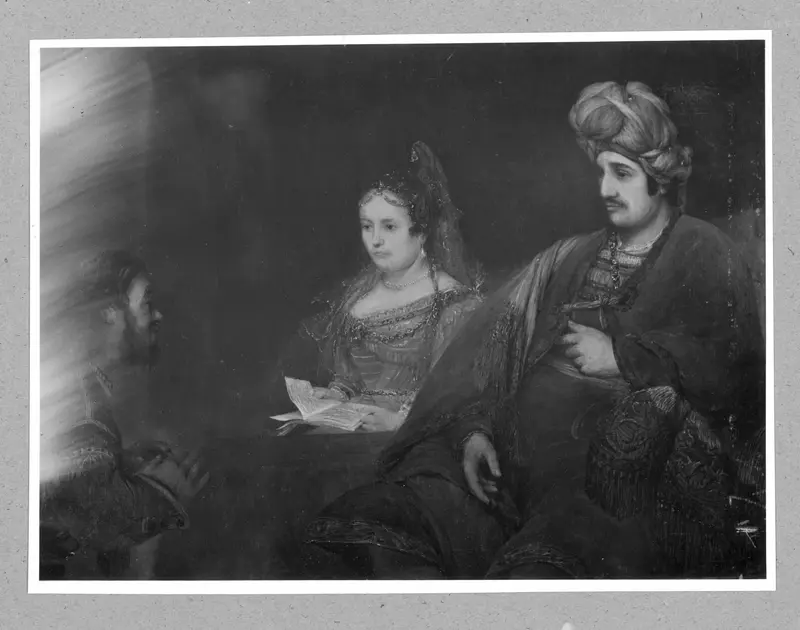
Hamas before Ahasver
Aert de Gelder
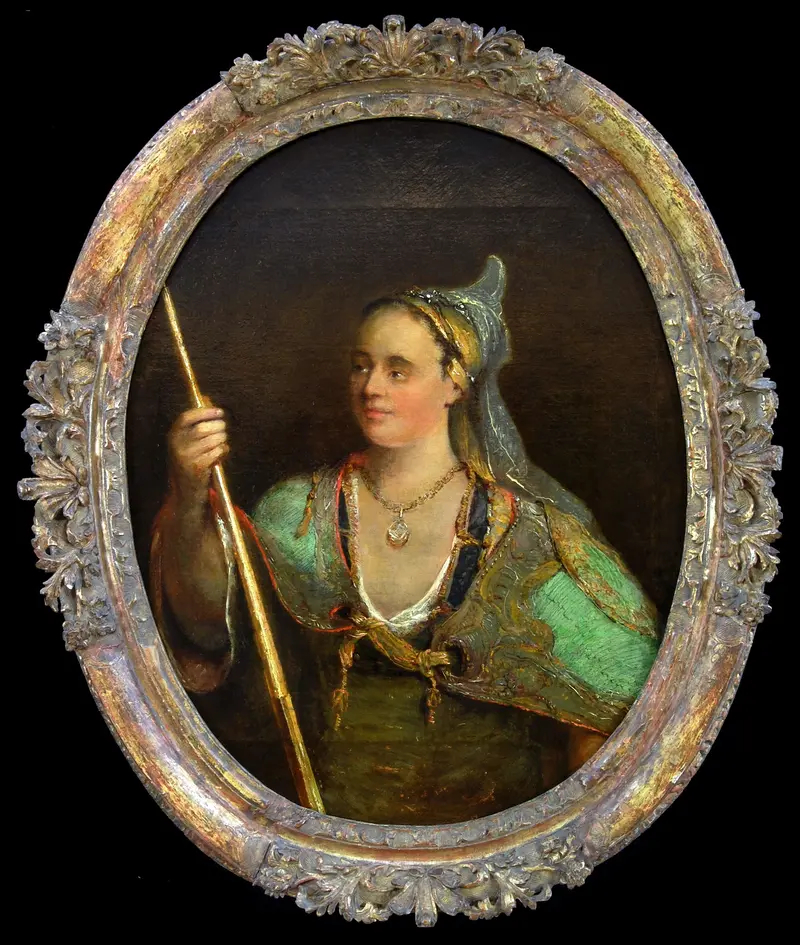
A female allegorical figure
Aert de Gelder
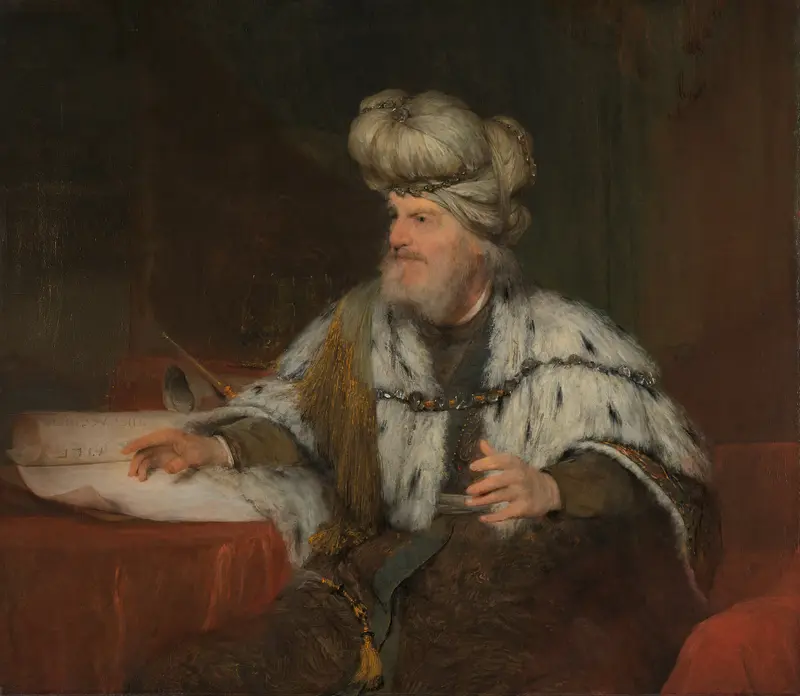
King David
Aert de Gelder
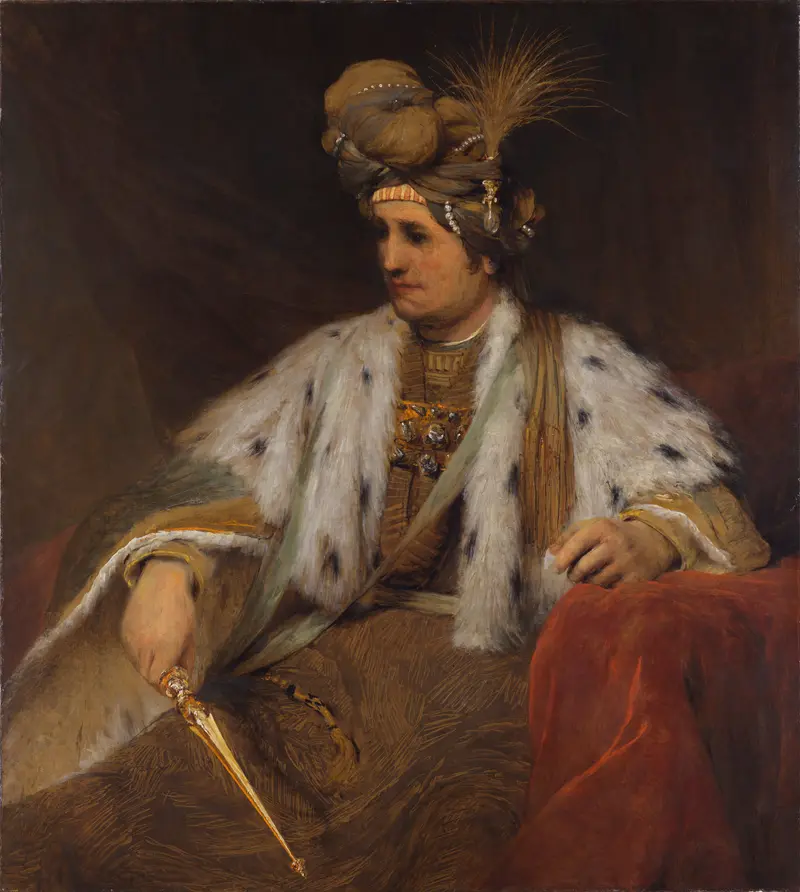
Old Testament Figure, Probably King Solomon
Aert de Gelder
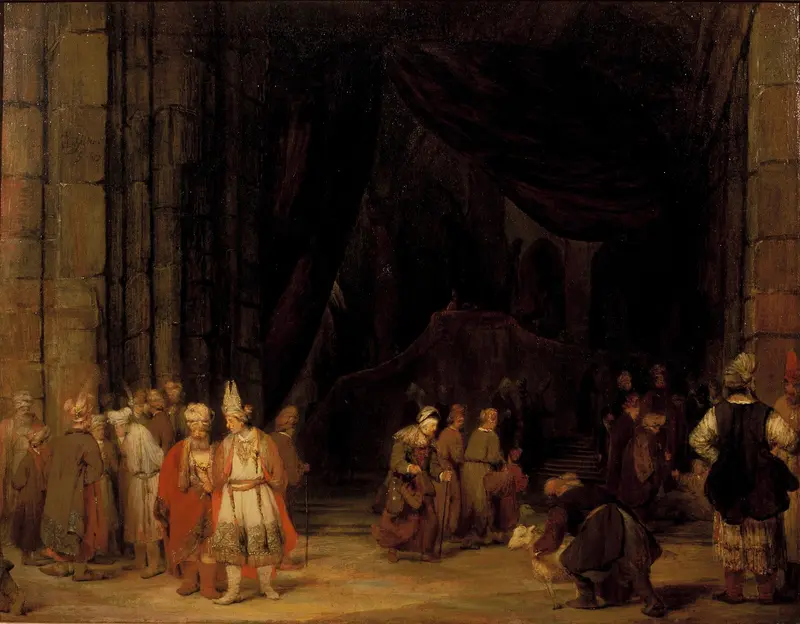
Courtyard of a temple
Aert de Gelder





