
A foggy scene — History & Facts
What secret hides in the quiet of the canvas? A misty veil envelops the familiar, awakening the viewer to the beauty of nature's embrace, where clarity dances gracefully with obscurity. Look to the center, where the soft, diffused light filters through the fog, illuminating fragile silhouettes of distant trees and a solitary boat resting at the water’s edge. The muted palette of grays and blues contrasts with tender hints of amber, guiding your gaze along the undulating horizon. Notice how the brushstrokes mimic the fluidity of the fog, swirling and blending to create an ethereal atmosphere that invites contemplation. A sense of tranquility permeates the scene, yet beneath the surface lies an emotional tension: the struggle between clarity and obscurity, presence and absence.
The solitary boat, almost ghostly in its isolation, symbolizes both longing and exploration, while the fog hints at hidden narratives waiting to unfold. This intersection of beauty and mystery reveals the delicate balance between the known and the unknown, awakening a profound connection with nature. In 1788, Vernet painted this work during a time when the Romantic movement was gaining momentum in Europe, reflecting an increasing fascination with nature’s sublime qualities. Working in France, he was influenced by the interplay of light and atmosphere, which characterized his contributions to landscape painting.
As the world began to grapple with the complexities of the human experience and emotion, Vernet’s ability to capture such nuances through foggy scenes became a testament to his artistic vision and enduring legacy.
More Artworks by Claude-Joseph Vernet
Browse all →
An Italian Harbour in Stormy Weather
Claude-Joseph Vernet
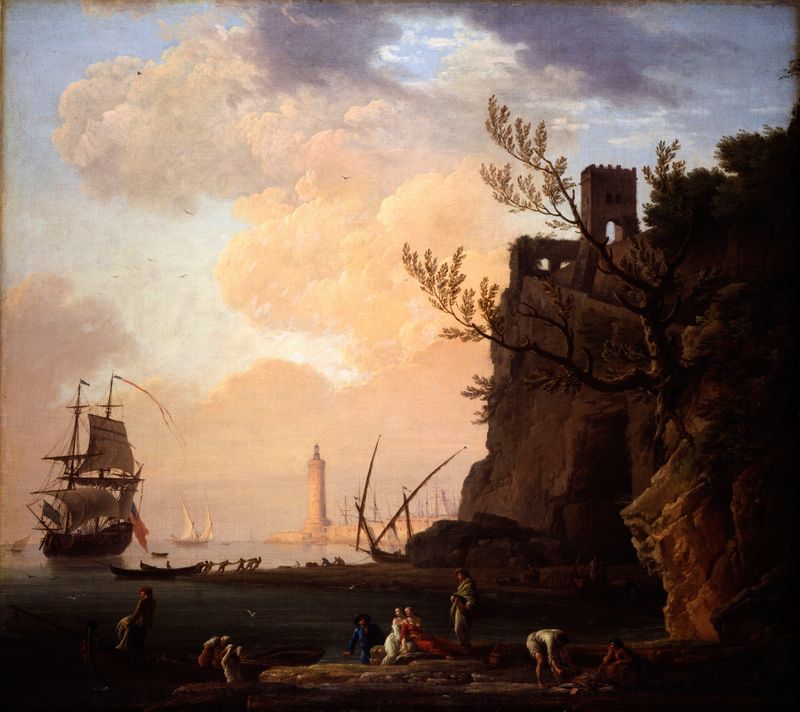
An Italianate Harbour Scene
Claude-Joseph Vernet
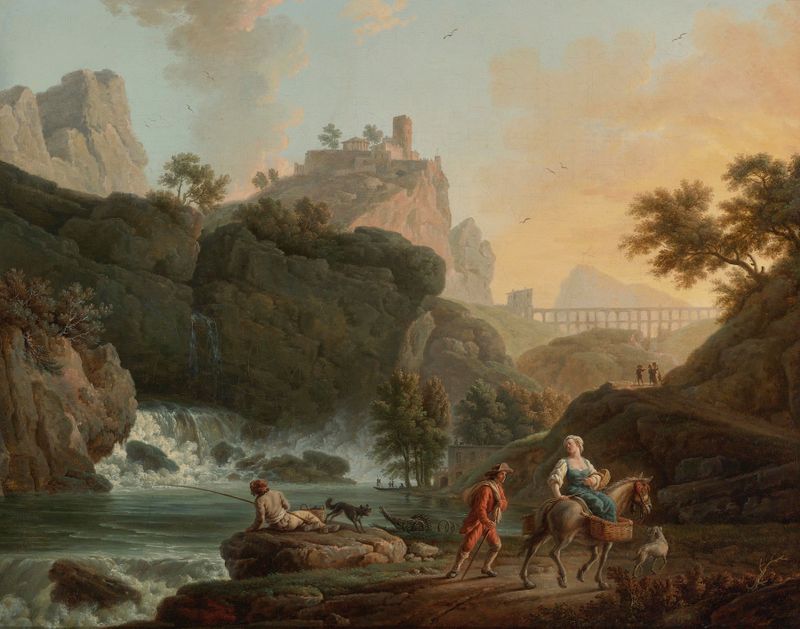
A Rocky Landscape With A fisherman And Travellers By A River With A Waterfall, An Aqueduct In The Distance
Claude-Joseph Vernet
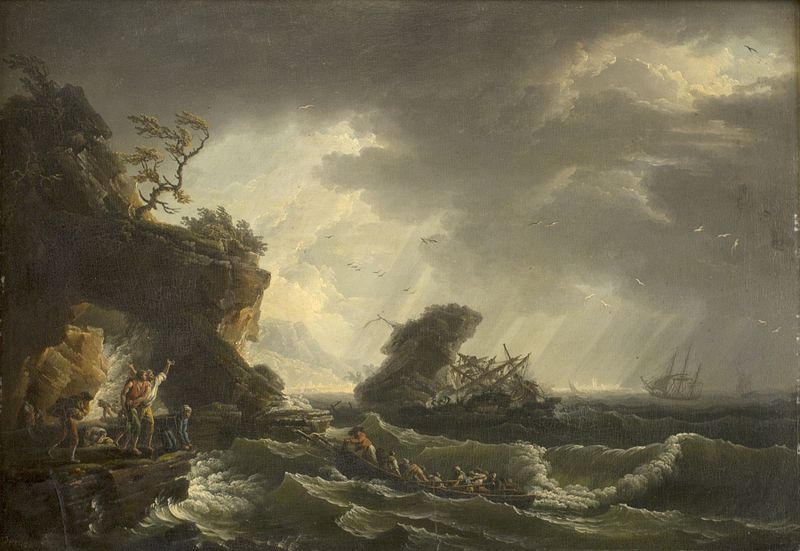
A Shipwreck
Claude-Joseph Vernet

A Mediterranean Harbor At Sunset With Fisherfolk At The Water’s Edge, A Lighthouse And A Man Of War At Anchor In The Bay
Claude-Joseph Vernet
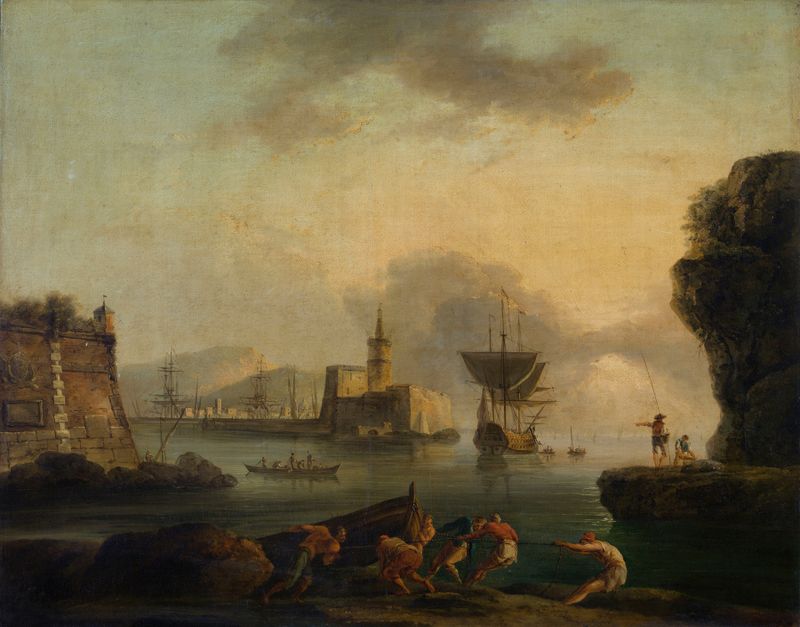
Naples
Claude-Joseph Vernet
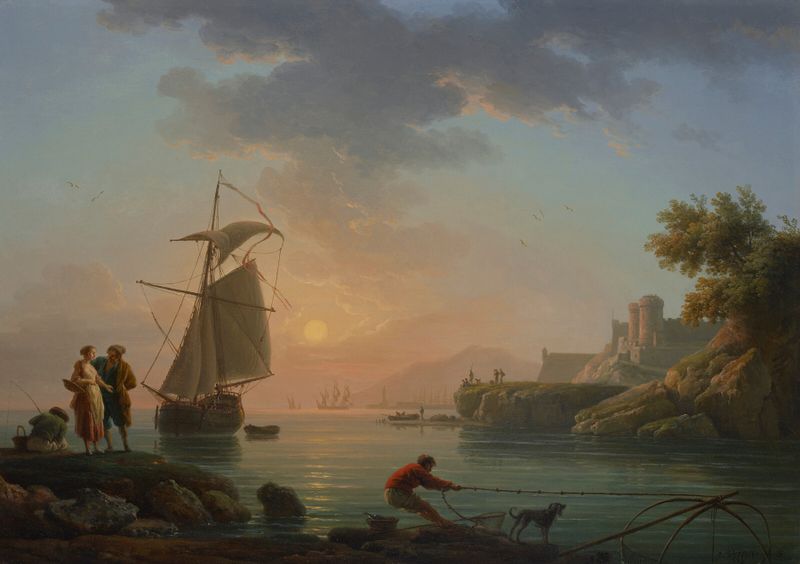
Mediterranean port at sunset, with a fisherman in the foreground
Claude-Joseph Vernet
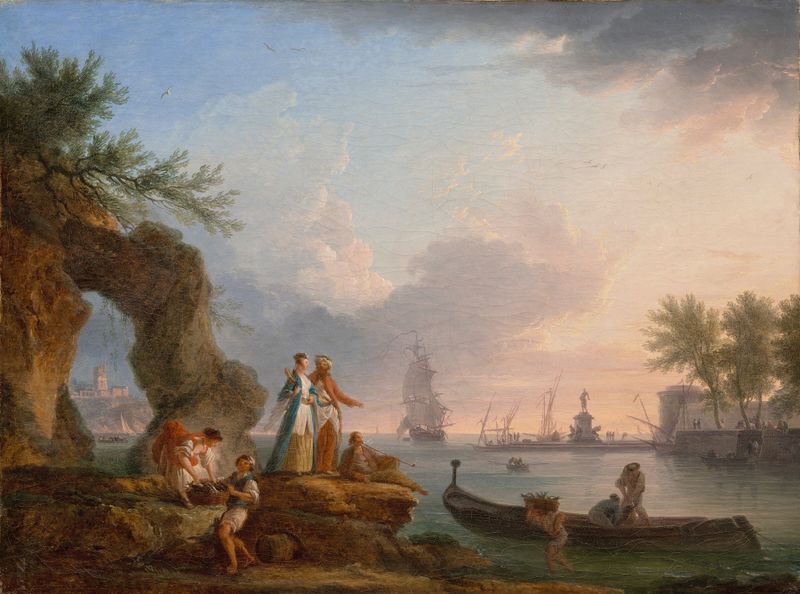
View of a port at sunset with fishermen and a couple in oriental dress
Claude-Joseph Vernet

A Calm at a Mediterranean Port
Claude-Joseph Vernet

A Grand View Of The Sea Shore Enriched With Buildings, Shipping And Figures
Claude-Joseph Vernet





