
A Gypsy Camp — History & Facts
In the quiet stillness of a gypsy camp, layers of unspoken truths linger in the air, waiting to be unveiled. The scene invites us to contemplate the weight of revelation nestled within the heart of a transient community, where each glance and gesture carries untold stories and hidden longings. Focus first on the gathering of figures, centered in the composition, their vibrant clothing contrasting beautifully with the earthy tones of the surroundings. Notice how the dappled light filters through the trees, illuminating the expressions on their faces—some joyful, others contemplative.
The artist employs a soft yet poignant palette, creating a sense of intimacy that envelops the viewer, drawing us into a world that feels as much alive as it is transient. Delve deeper into the subtle interactions captured in the painting. The connection between two figures, perhaps sharing a secret or a quiet moment, hints at the bonds formed amidst a life of movement and uncertainty. The balance of shadow and light not only highlights their features but also accentuates the tension between their free spirits and the constraints imposed by society, revealing a profound commentary on the essence of belonging and isolation. During the time this work was created, the artist was immersed in the evolving landscape of American art, focusing on themes of identity and community.
William Henry Holmes painted A Gypsy Camp at a moment when the fascination with the Romani people and their lifestyle was gaining prominence in cultural discussions. The work reflects not only personal exploration but also a broader shift in artistic representation, capturing the complexity of human experience during an era of change.
More Artworks by William Henry Holmes
Browse all →
Folded Strata, A Great Geological Arch, Colorado
William Henry Holmes
Cliff Houses On The Rio Mancos, Colorado
William Henry Holmes
Mountain Gorge, Colorado
William Henry Holmes
In The Plateau Country, With An Inhabited Pueblo
William Henry Holmes
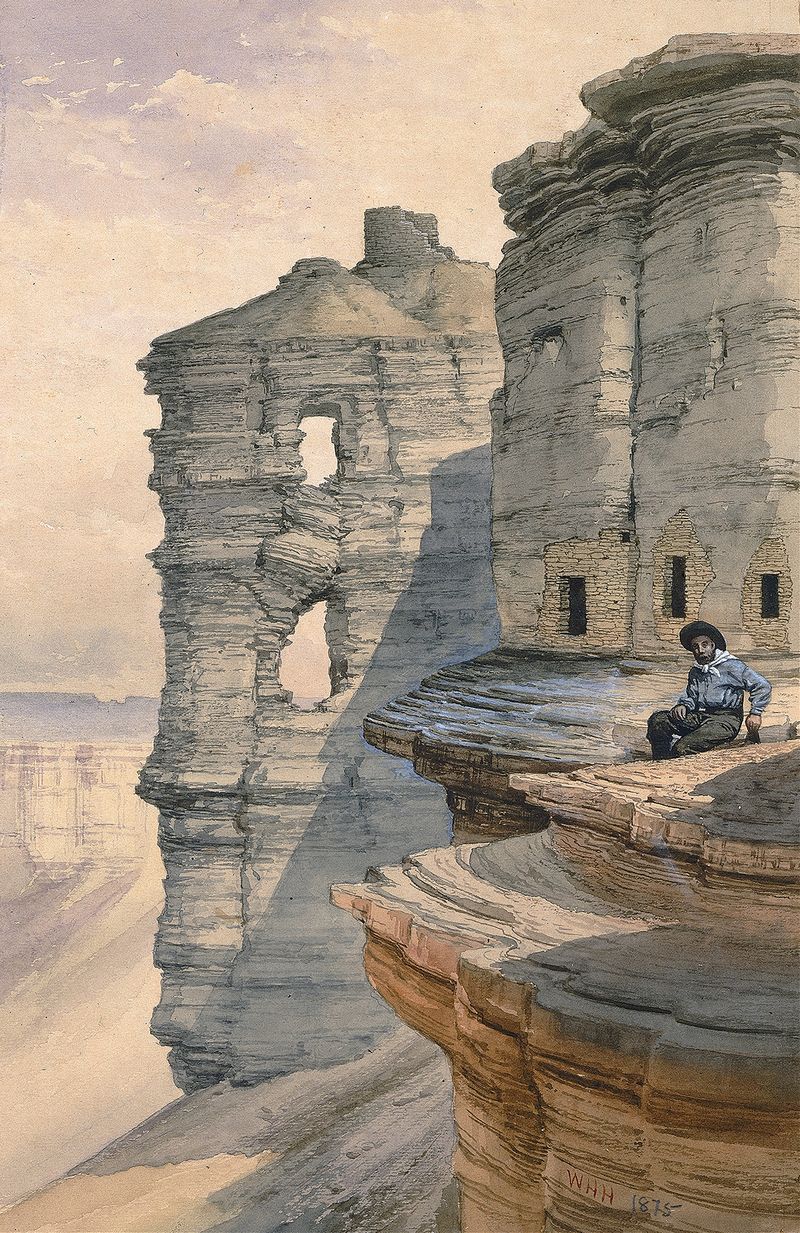
Cliff Houses on the Rio Mancos, Colorado
William Henry Holmes
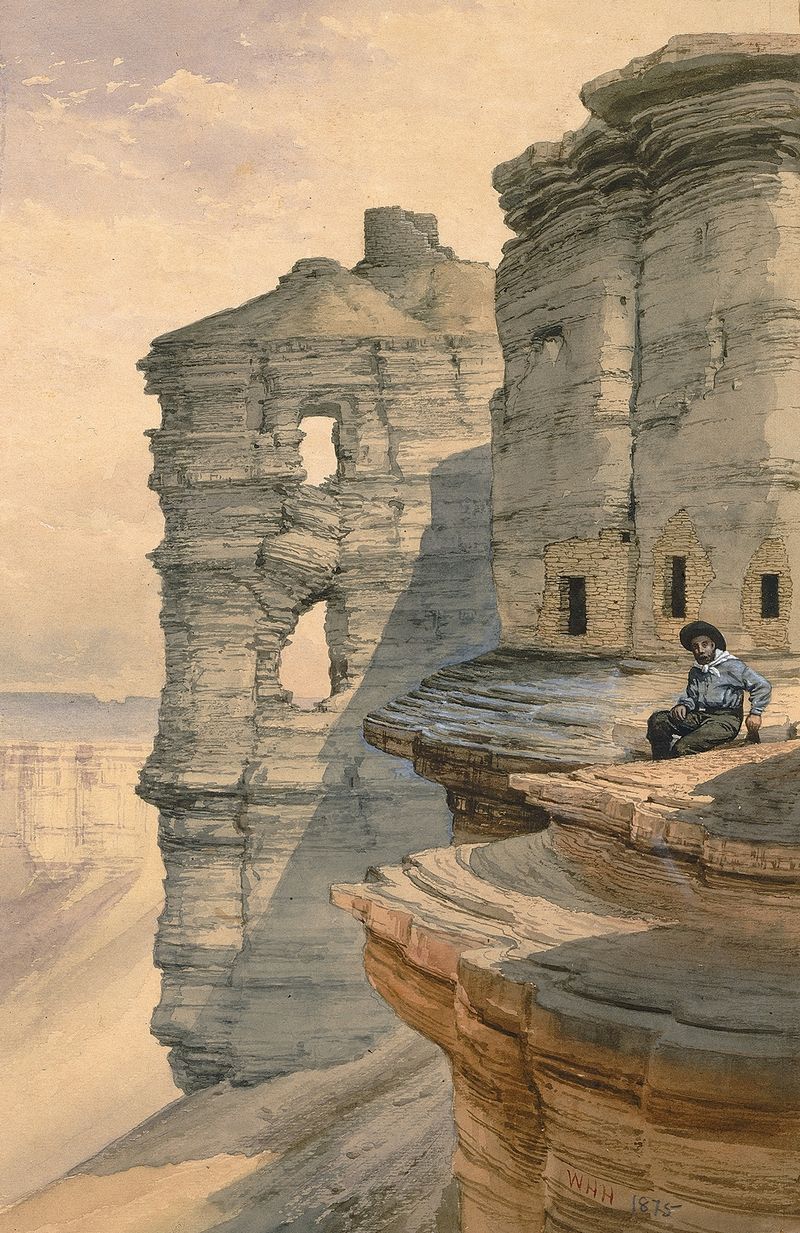
Cliff Houses On The Rio Mancos, Colorado
William Henry Holmes
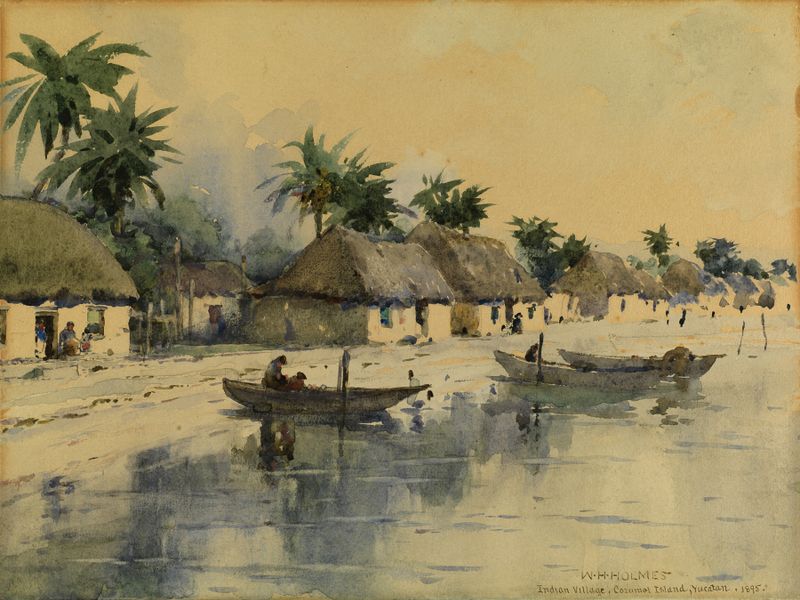
Indian Village, Cozumel Island, Yucatan
William Henry Holmes
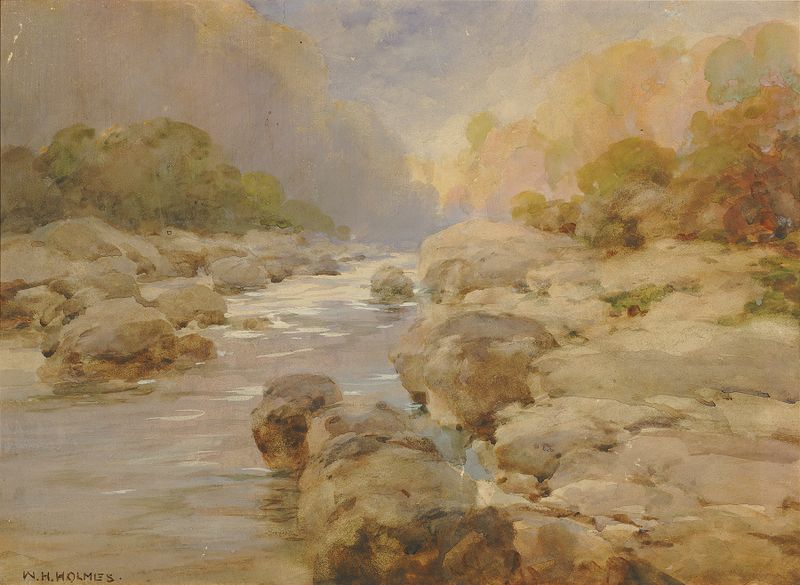
Unmodified Rock Creek, About 1910
William Henry Holmes
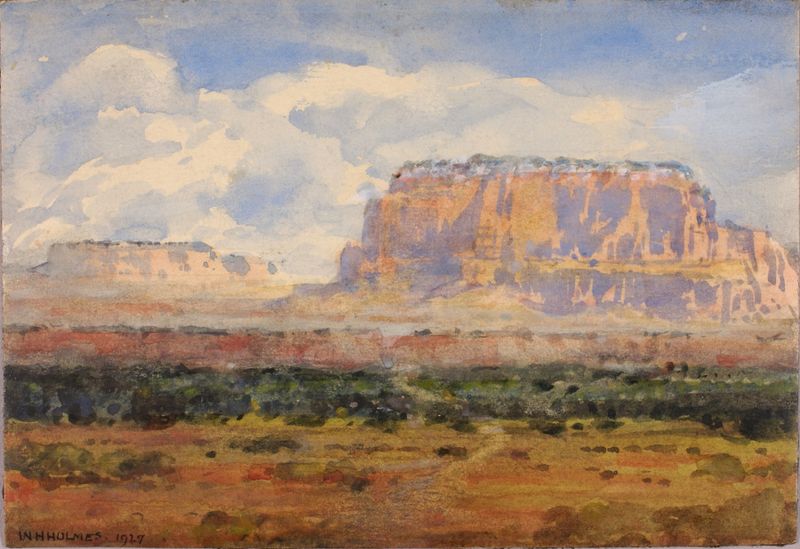
The Enchanted Mesa
William Henry Holmes
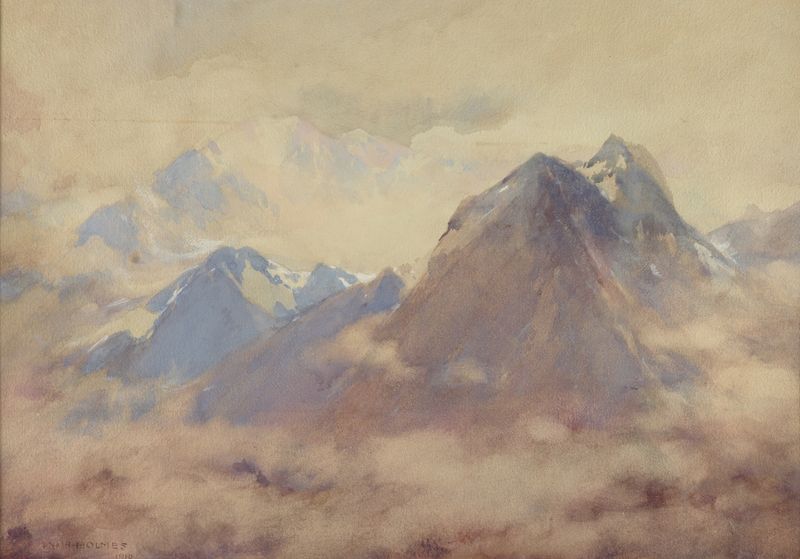
The Almighty’s Own, An Impression Of The High Andes
William Henry Holmes





