
A Halt at the Inn — History & Facts
Could a single brushstroke hold eternity? In A Halt at the Inn, the delicate dance between light and shadow captures the fleeting moments of life, echoing the balance we seek in every encounter. Look to the left at the weary travelers, their postures speaking volumes of exhaustion and anticipation. The artist’s masterful use of warm browns and soft golds envelops the figures, creating a cozy yet transient atmosphere. Notice how the light spills through the inn’s window, illuminating the faces of both guests and innkeeper, drawing the viewer’s eye toward their shared human experience.
Every detail, from the textures of the travelers' clothing to the rustic charm of the inn's wooden beams, enhances the painting's inviting warmth. As you explore further, consider the contrast between the travelers and the innkeeper. The subtle tension of their interactions hints at the unspoken stories that unite them in this moment. The travelers, visibly fatigued, carry the weight of their journeys, while the innkeeper, poised yet attentive, embodies the role of a guardian of respite.
This dynamic illustrates the delicate balance between weariness and hospitality, a reminder of the transient nature of life itself. In the 19th century, Eugène Joseph Verboeckhoven painted this work during a period of both personal and artistic transition. Living and working in Belgium, he was influenced by the Romantic movement, which sought to capture human emotion and experience. Verboeckhoven's focus on rural themes and everyday life reflected his dedication to portraying the beauty of human connection against the backdrop of a rapidly changing world.
More Artworks by Eugène Joseph Verboeckhoven
Browse all →
The Guardian Of The Flock
Eugène Joseph Verboeckhoven
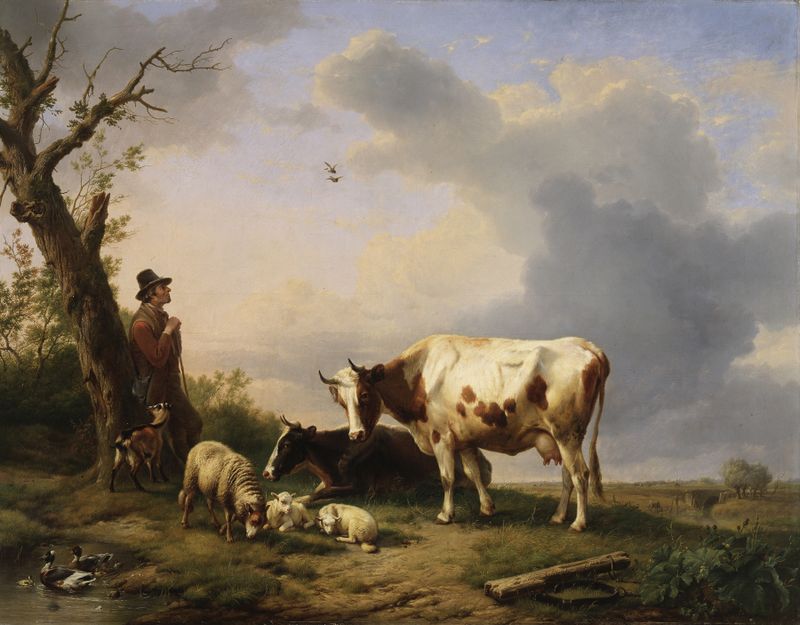
Landscape with animals
Eugène Joseph Verboeckhoven
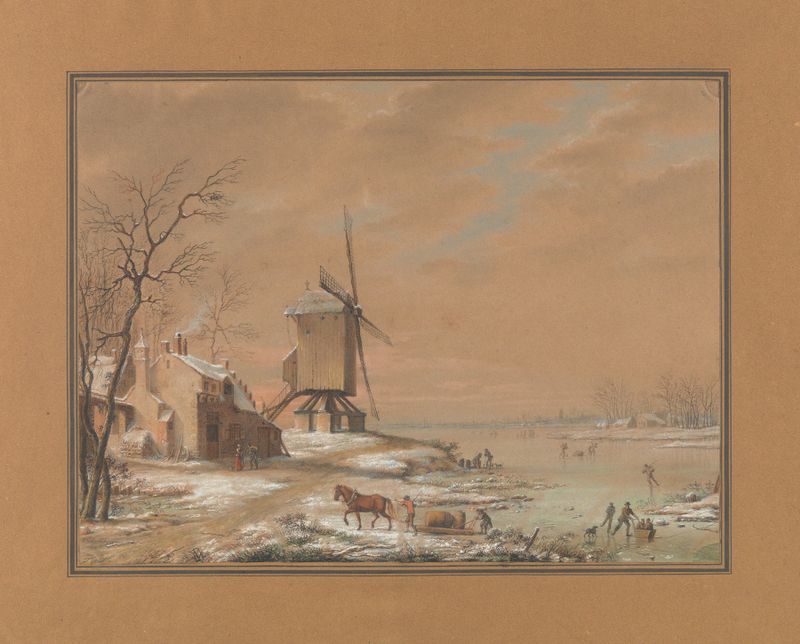
Winterlandschap
Eugène Joseph Verboeckhoven

Sheep and Chicken in a Landscape
Eugène Joseph Verboeckhoven
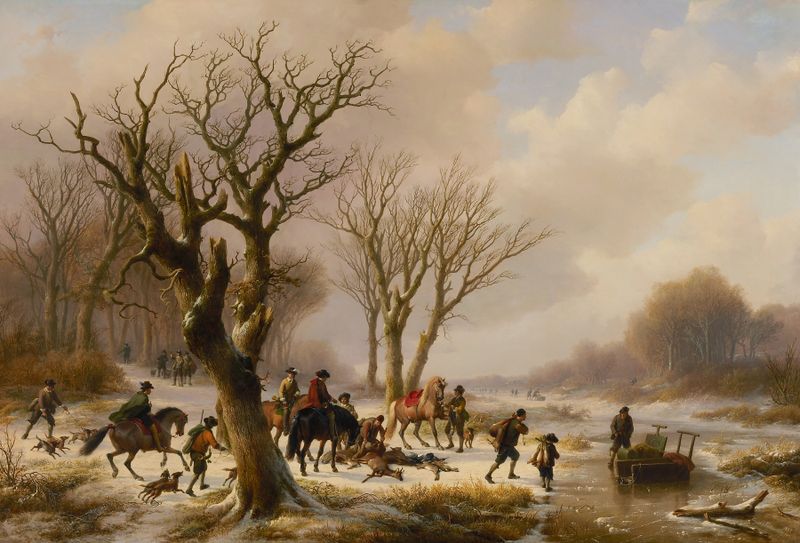
Na de jacht
Eugène Joseph Verboeckhoven
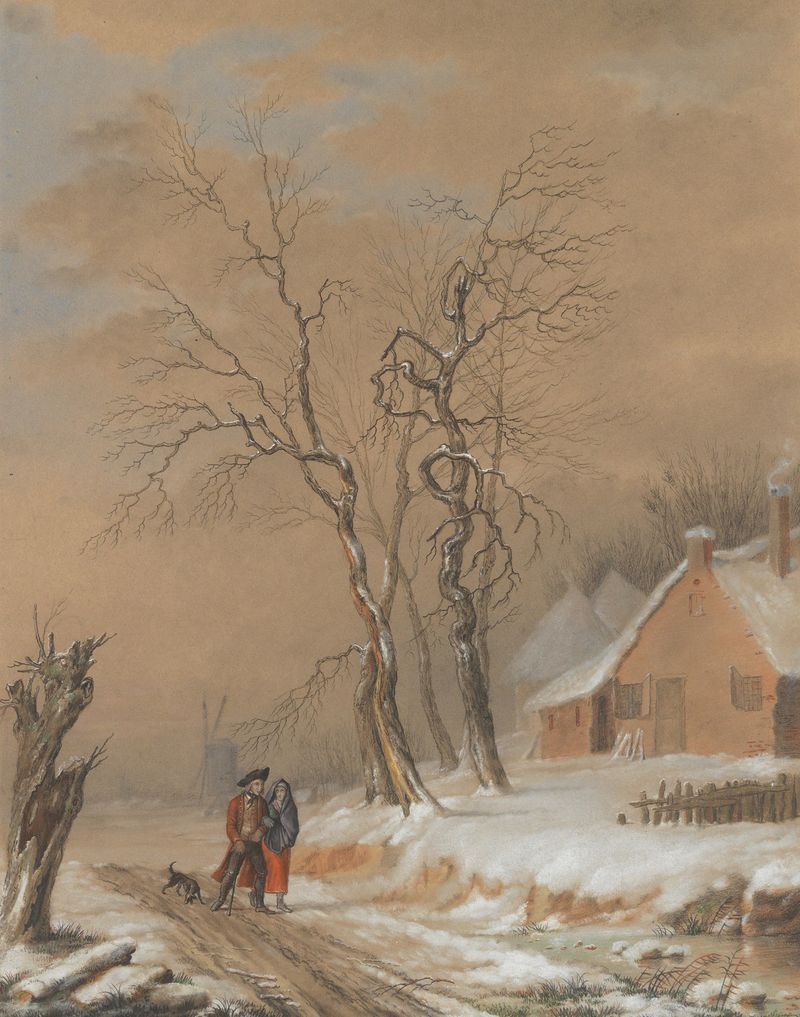
Winter landscape with two figures and a dog
Eugène Joseph Verboeckhoven

Horseman Resting
Eugène Joseph Verboeckhoven
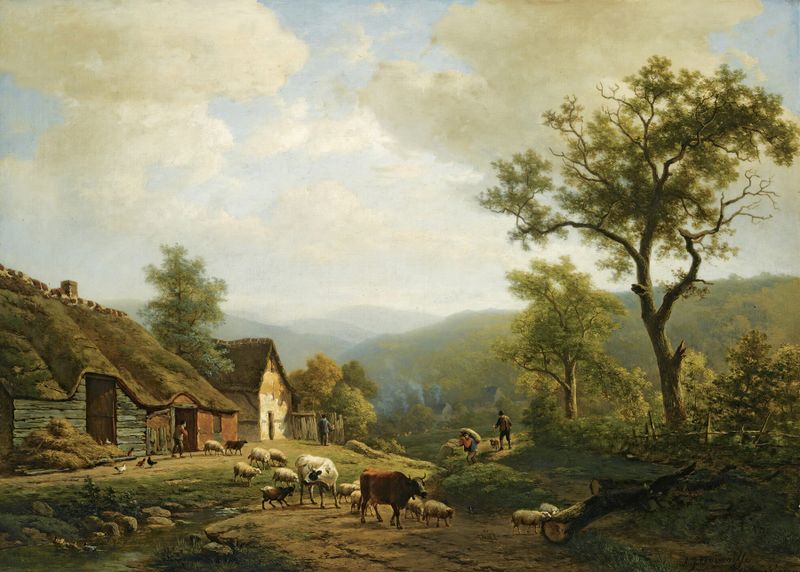
A Hilly Landscape With Cattle Going To The Fields
Eugène Joseph Verboeckhoven
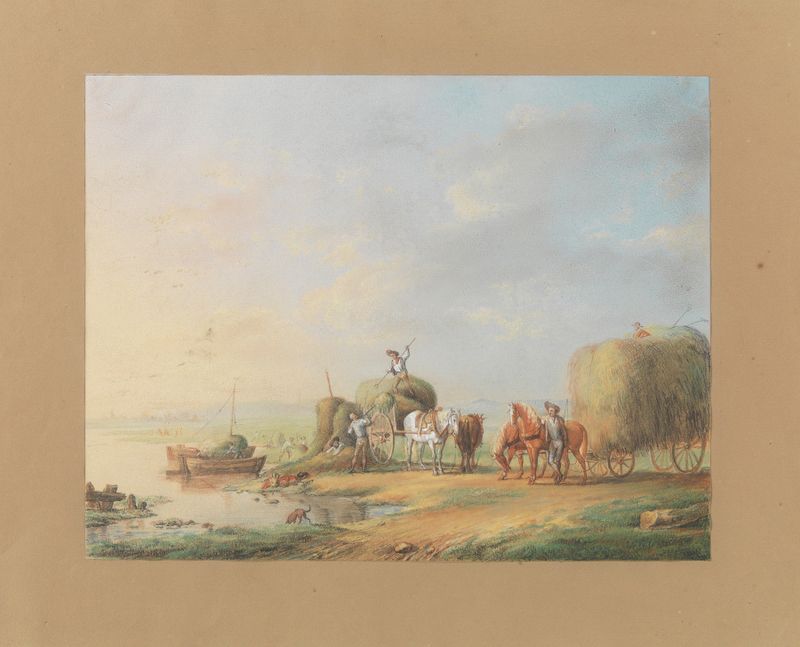
Boeren met paarden en hooiwagens aan de oever van een rivier
Eugène Joseph Verboeckhoven
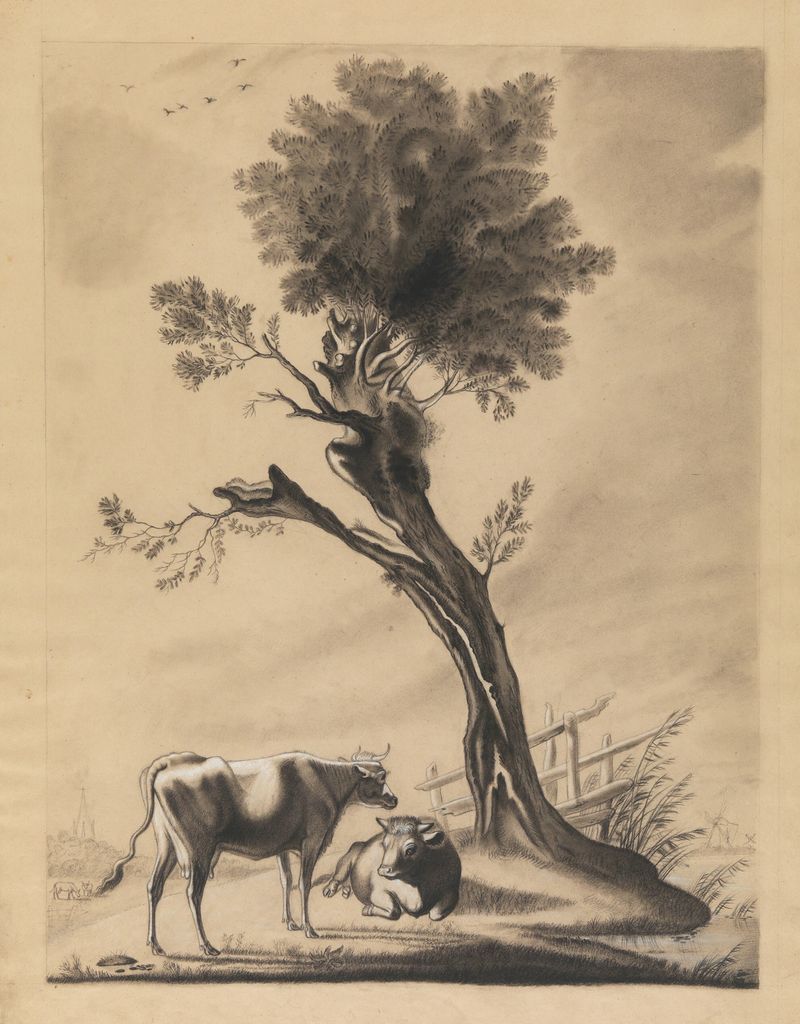
Cows in a landscape
Eugène Joseph Verboeckhoven





