
A Igrejinha (Copacabana) — History & Facts
Did the painter know this moment would outlive them? The stillness of the scene beckons contemplation, cloaked in an obsession with the ephemeral beauty of life and architecture. Focus on the vibrant hues that dance across the canvas, where ochres and blues collide to create a harmonious view of Copacabana. The church stands proudly at the center, its façade bathed in the warm embrace of late afternoon light. Notice how the artist captures the subtle play of shadows, emphasizing the intricate details of the structure while the surrounding landscape breathes life into the scene.
The composition invites your gaze from the majestic church to the inviting ocean beyond, creating a bridge between the sacred and the ephemeral. Hidden within this frame lies a poignant tension between permanence and transience. The church, a bastion of faith and stability, contrasts sharply with the fleeting moment of light and the soft waves lapping at the shore. This juxtaposition speaks to the artist's desire to immortalize a singular moment in time, yet it also whispers of the inevitable passage of all things.
Each brushstroke reveals an underlying yearning, a reminder of the beauty that exists in our temporal world. Eliseu Visconti painted A Igrejinha (Copacabana) in 1912, during a period marked by an evolving Brazilian society. As modernization began to reshape urban landscapes, Visconti's work captured the essence of a time teetering between tradition and change. Living in Rio de Janeiro, he was deeply influenced by the city's charm, striving to preserve its memories against the relentless march of progress.
More Artworks by Eliseu Visconti
Browse all →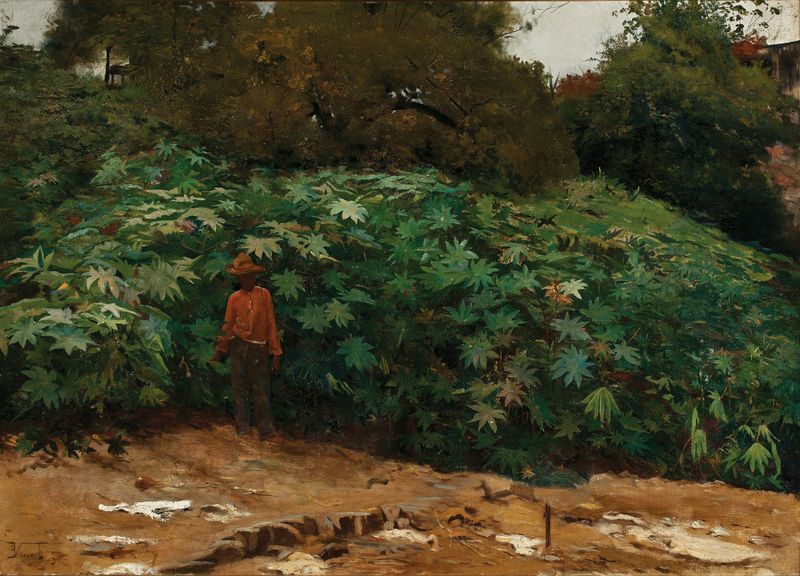
Mamoneiras – Morro de São Bento
Eliseu Visconti
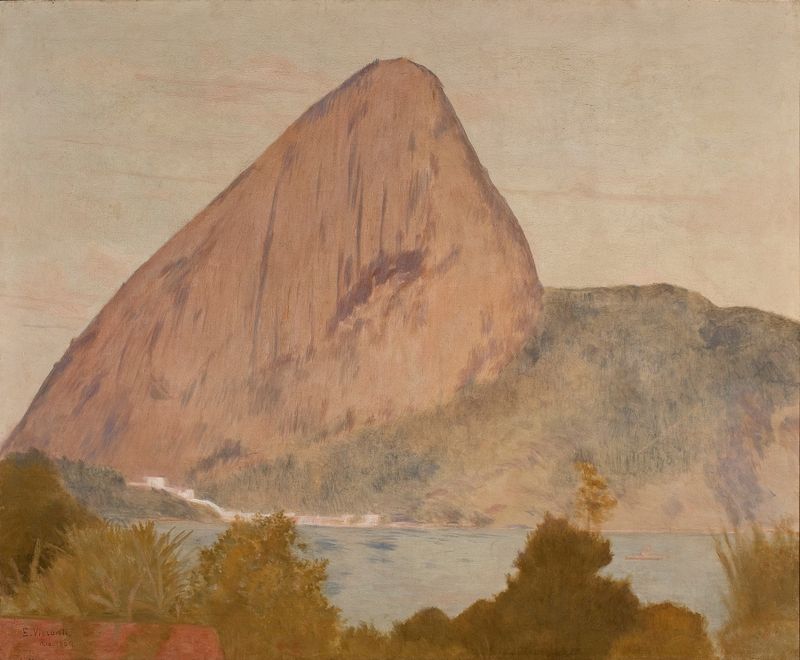
Marina com Pão de Açúcar
Eliseu Visconti

O batismo da boneca
Eliseu Visconti
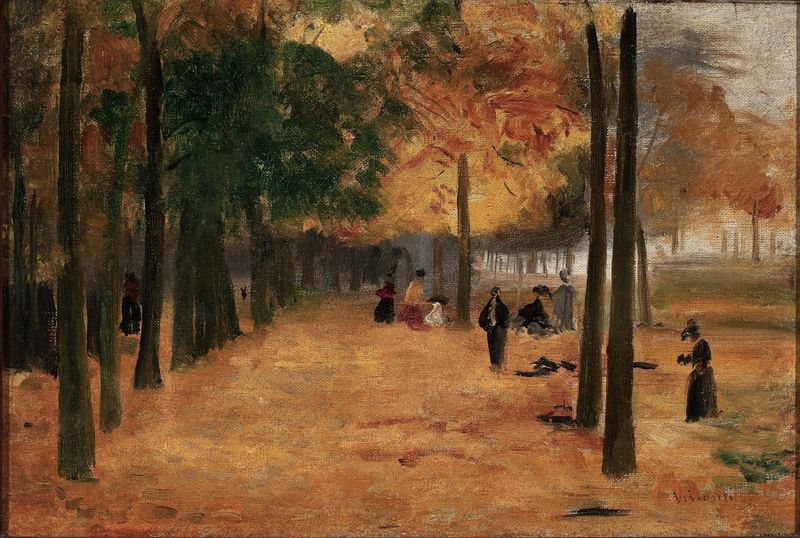
Canto de Luxemburgo (Outono)
Eliseu Visconti
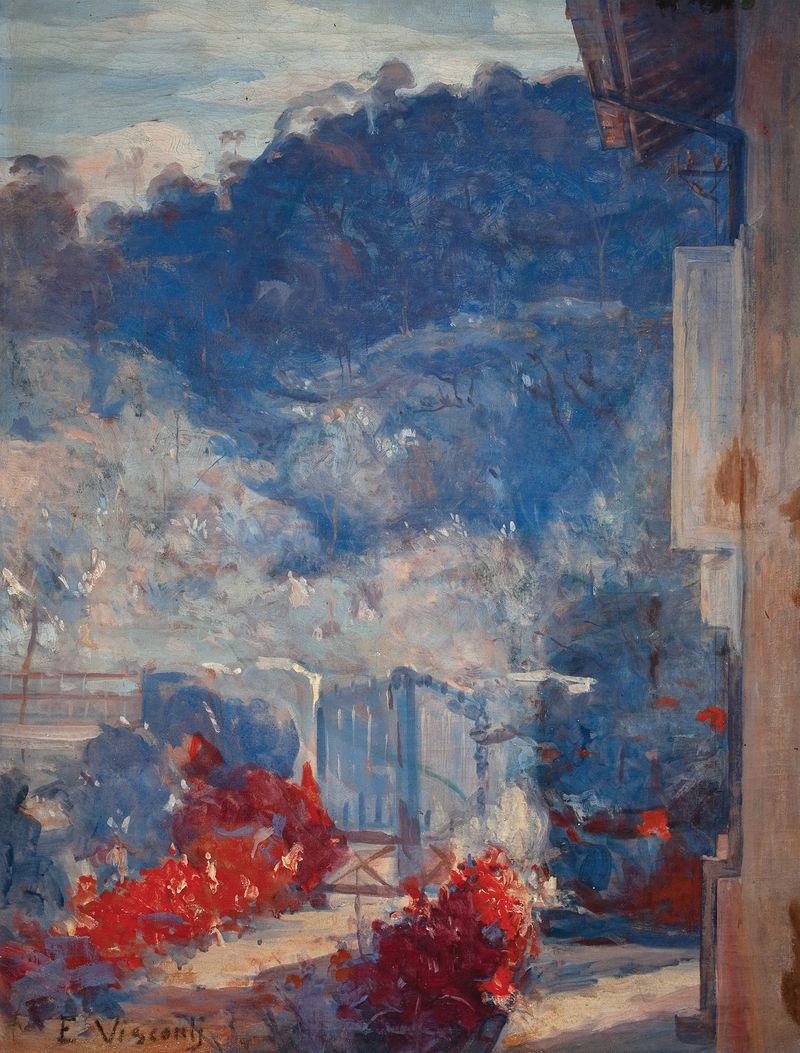
Raios de sol
Eliseu Visconti
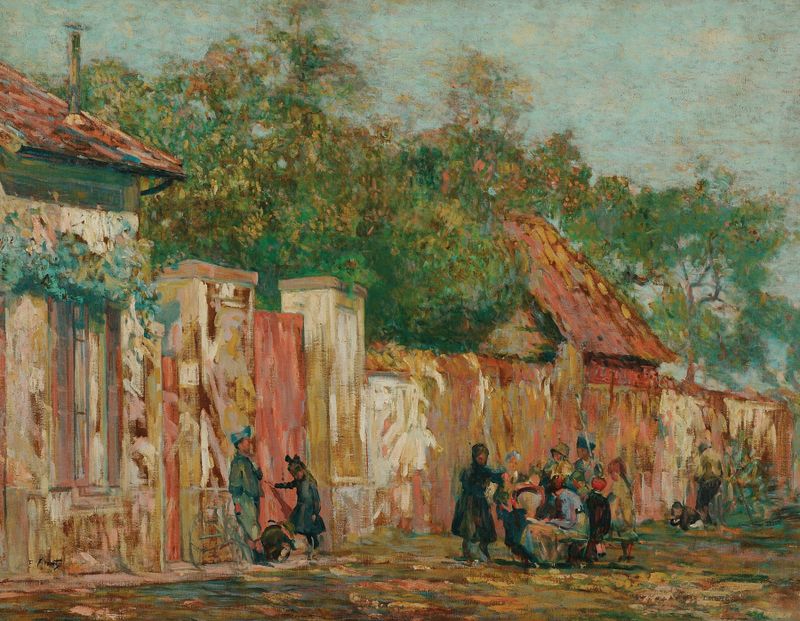
Tarde em Saint Hubert
Eliseu Visconti

Efeito matinal
Eliseu Visconti

A caminho da escola
Eliseu Visconti

Flores da rua
Eliseu Visconti
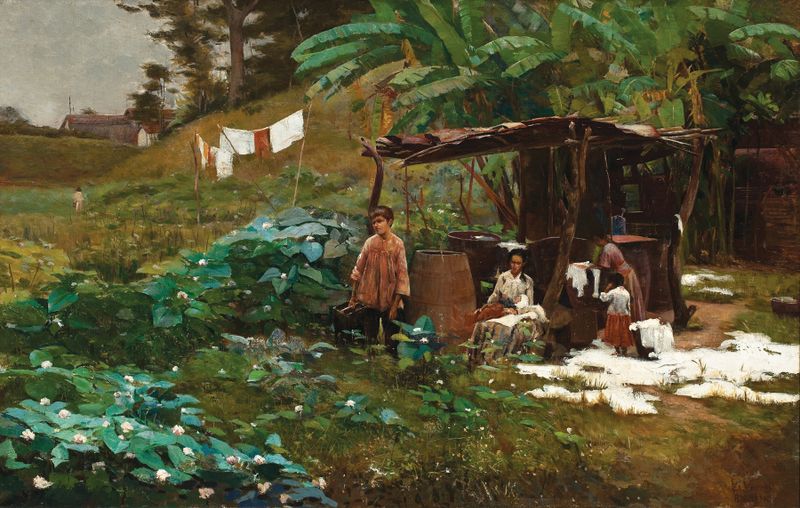
As lavadeiras
Eliseu Visconti
More Architecture Art
Browse all →
The statue of Liberty
Frédéric Auguste Bartholdi

View of Houses in Delft, Known as ‘The Little Street’
Johannes Vermeer

View of Houses in Delft, Known as ‘The Little Street’
Johannes Vermeer

The Cathedral in Rouen. The portal, Grey Weather
Claude Monet

The yellow house
Vincent van Gogh

The Church in Auvers-sur-Oise, View from the Chevet
Vincent van Gogh