
O batismo da boneca — History & Facts
What if silence could speak through light? In the stillness of creation, a moment unfolds, whispering stories that don’t need words. Look at the center of the canvas where the soft, diffused light bathes a delicate doll cradled in gentle hands. The warmth of the surrounding colors, muted pastels and earthy tones, draws your gaze, contrasting with the pristine white of the doll’s attire. Notice how the figures’ fingers tentatively touch the doll’s surface, as if in a reverent act of introduction, suggesting a ritual of love and care that transcends the ordinary. The juxtaposition of innocence and fragility is palpable, underscored by the serene expressions of the figures.
Each detail—the lifelike texture of the doll’s fabric, the tender grip of the hands—conveys a deeper narrative about childhood and the sacredness of imagination. The stillness evokes a sense of nostalgia, recalling the significance of rituals in shaping identities, while the overarching light symbolizes hope and the promise of new beginnings. Eliseu Visconti painted O batismo da boneca in 1933, during a transformative period in Brazilian art. This was a time when artists were beginning to explore national identity and the integration of local themes into their work.
Visconti was influenced by the modernist movements of the time, seeking to capture the essence of Brazilian society through both form and content, reflecting a mixture of tradition and contemporary innovation.
More Artworks by Eliseu Visconti
Browse all →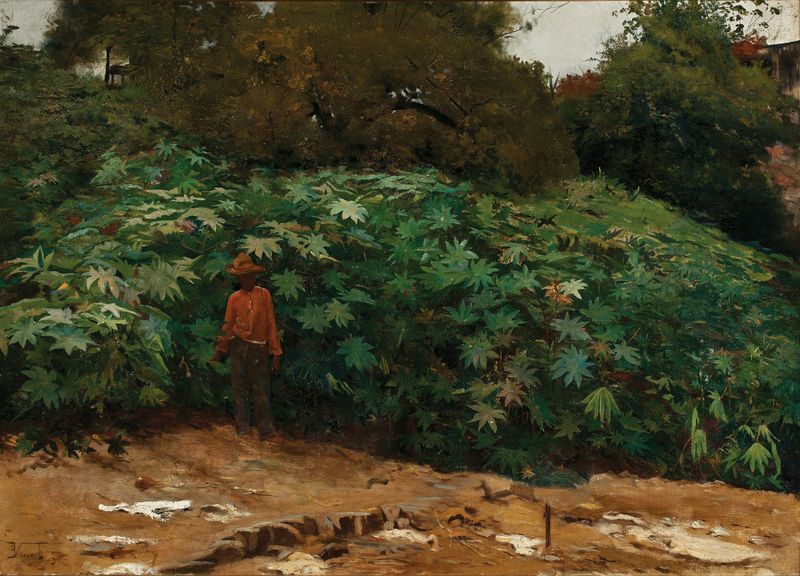
Mamoneiras – Morro de São Bento
Eliseu Visconti

Marina com Pão de Açúcar
Eliseu Visconti
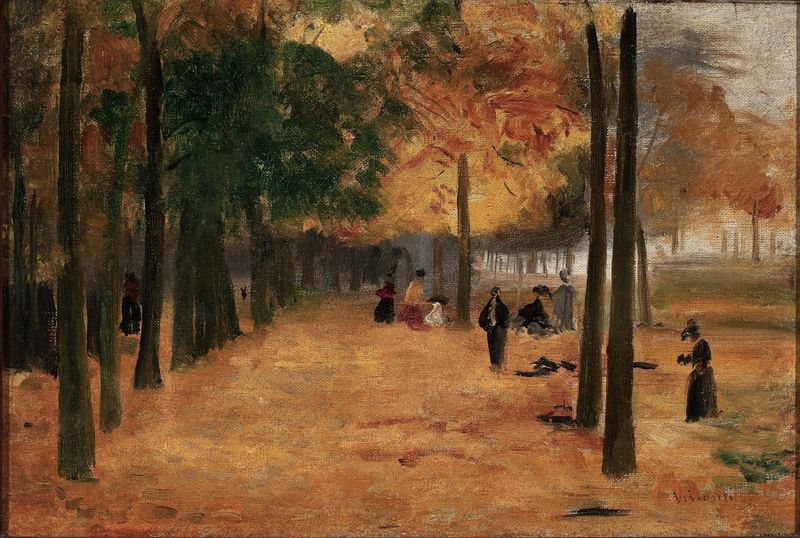
Canto de Luxemburgo (Outono)
Eliseu Visconti
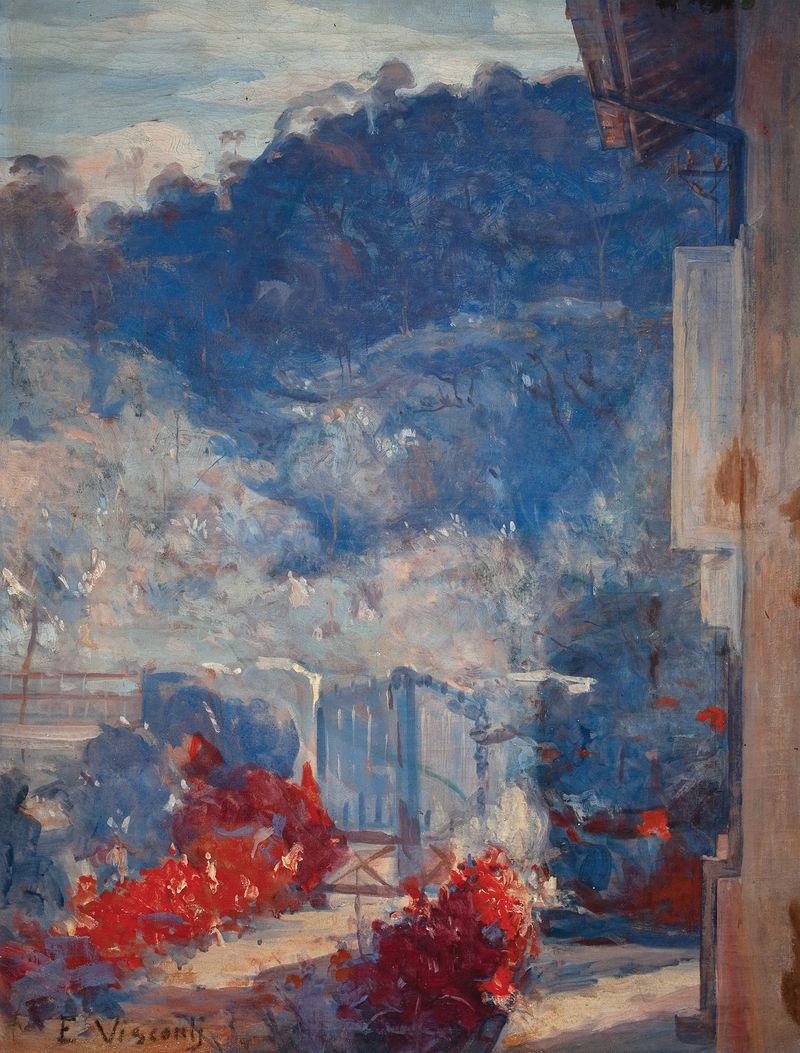
Raios de sol
Eliseu Visconti
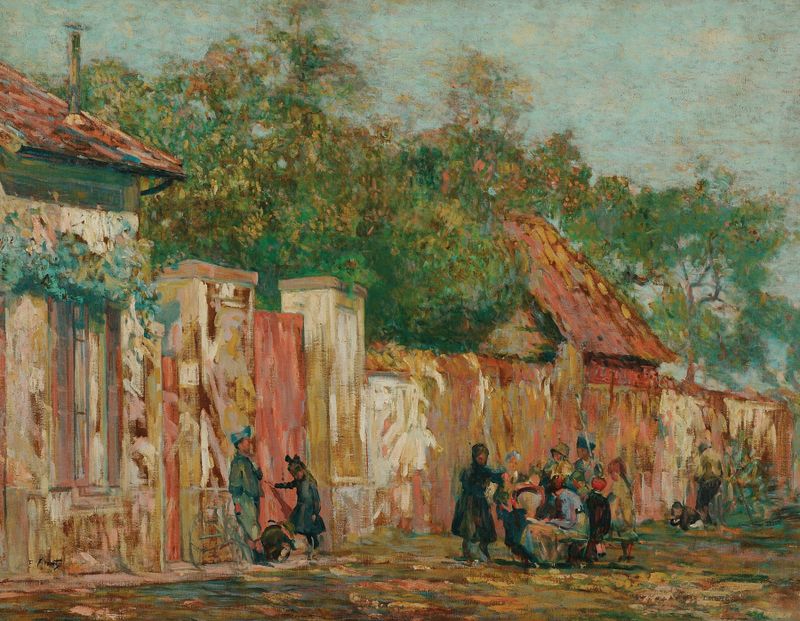
Tarde em Saint Hubert
Eliseu Visconti

Efeito matinal
Eliseu Visconti
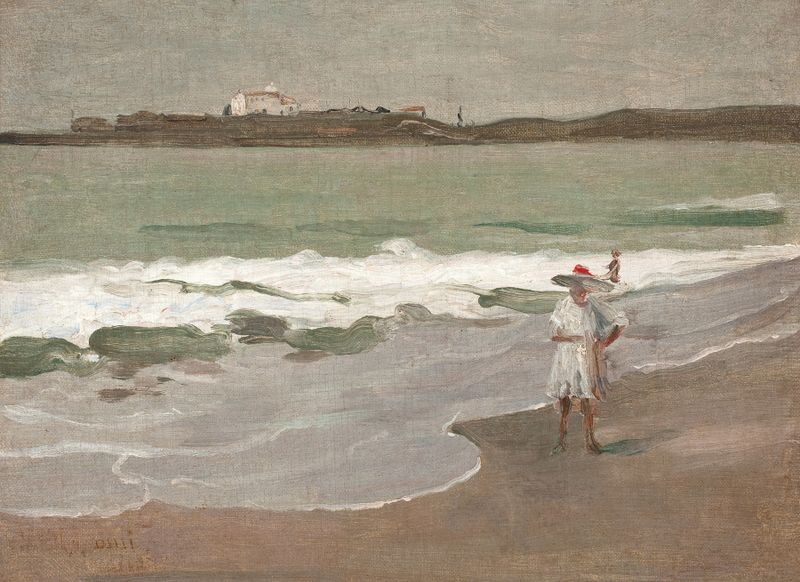
A Igrejinha (Copacabana)
Eliseu Visconti

A caminho da escola
Eliseu Visconti

Flores da rua
Eliseu Visconti
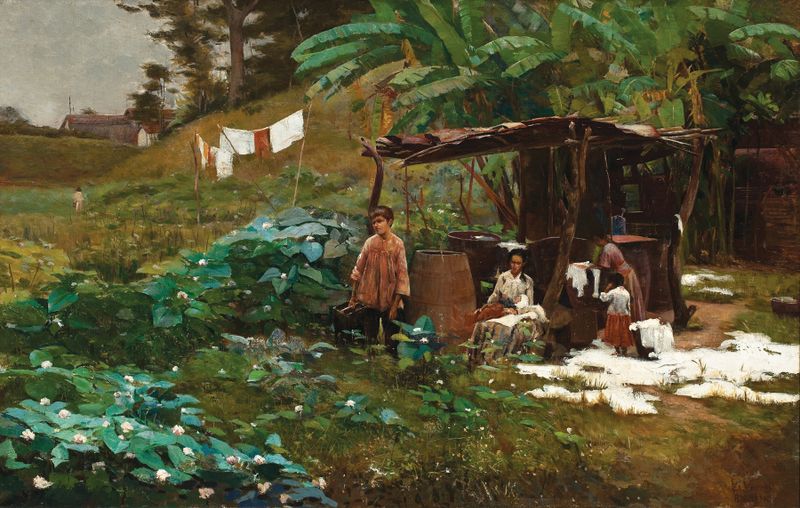
As lavadeiras
Eliseu Visconti





