
Canto de Luxemburgo (Outono) — History & Facts
In the quiet heart of a season, melancholy whispers through the golden hues of autumn, echoing the fleeting nature of time. Look to the center of the painting, where an ethereal figure stands enveloped in a cascade of warm, ochre leaves. The play of light, dappled and soft, dances around her, illuminating the delicate contours of her form. Her expression captures both a sense of longing and contemplation, drawing the viewer into a world that feels both intimate and distant.
Notice the subtle contrasts in the foliage, which hints at decay, yet celebrates the vibrant beauty of a season caught in transition. The layering of colors evokes a bittersweet nostalgia, as the rich, earthy tones juxtapose the fleeting vibrancy of the leaves. This interplay suggests a deeper reflection on loss and the passage of time, where every falling leaf signifies not just the end, but the beauty inherent in change. The pensive posture of the figure, coupled with the serene landscape, evokes an emotional tension — a moment suspended between despair and acceptance. Eliseu Visconti painted this piece in 1895, during a period marked by his deep exploration of color and light within the Symbolist movement.
Living in Brazil, he was influenced by the rich landscapes of his homeland, as well as the broader European art movements that sought to express the emotional depth of human experience. In Canto de Luxemburgo (Outono), he captures not just the essence of autumn, but the universal sentiments of nostalgia and reflection that resonate through time and space.
More Artworks by Eliseu Visconti
Browse all →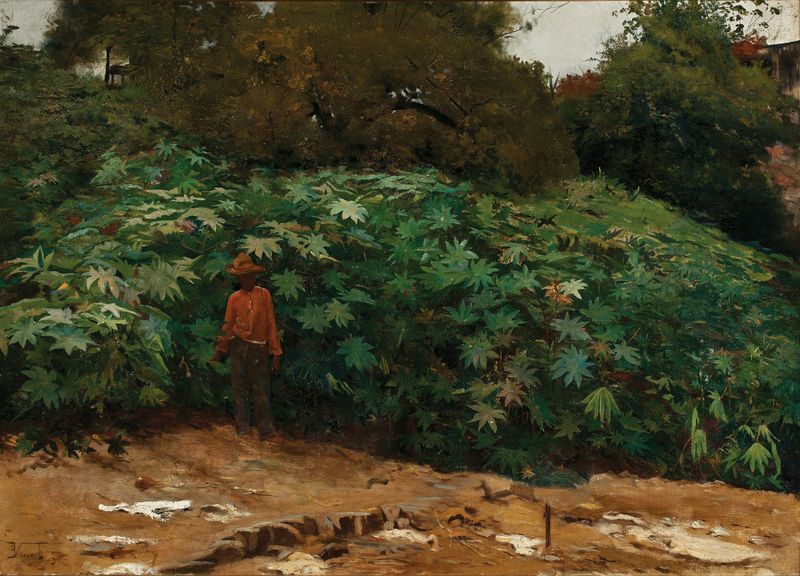
Mamoneiras – Morro de São Bento
Eliseu Visconti
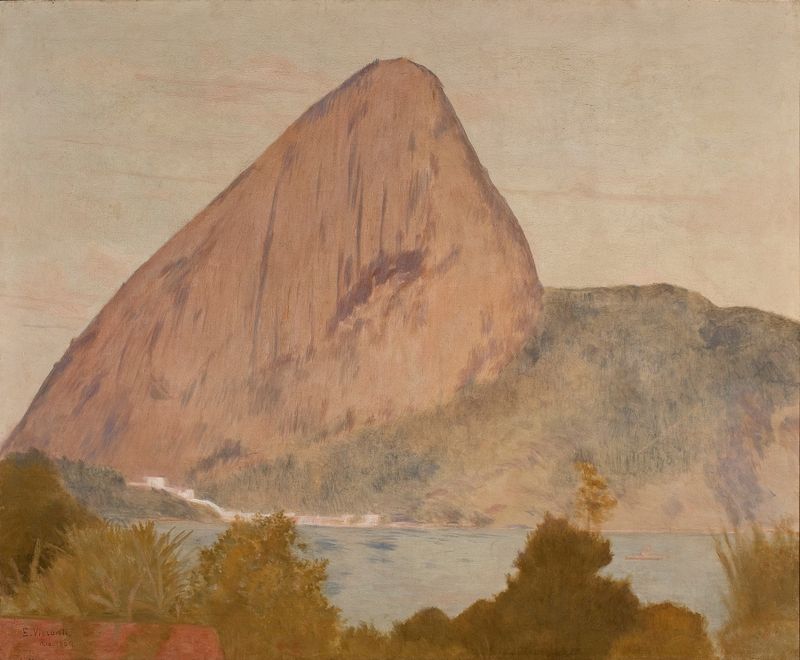
Marina com Pão de Açúcar
Eliseu Visconti

O batismo da boneca
Eliseu Visconti
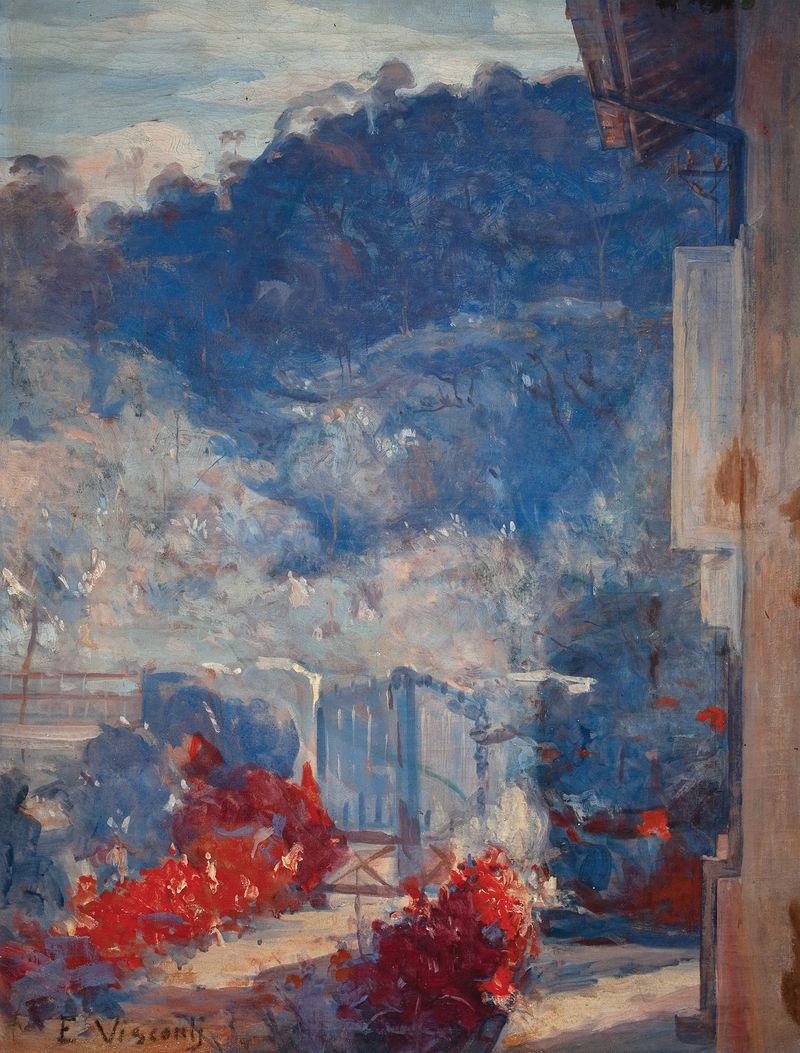
Raios de sol
Eliseu Visconti
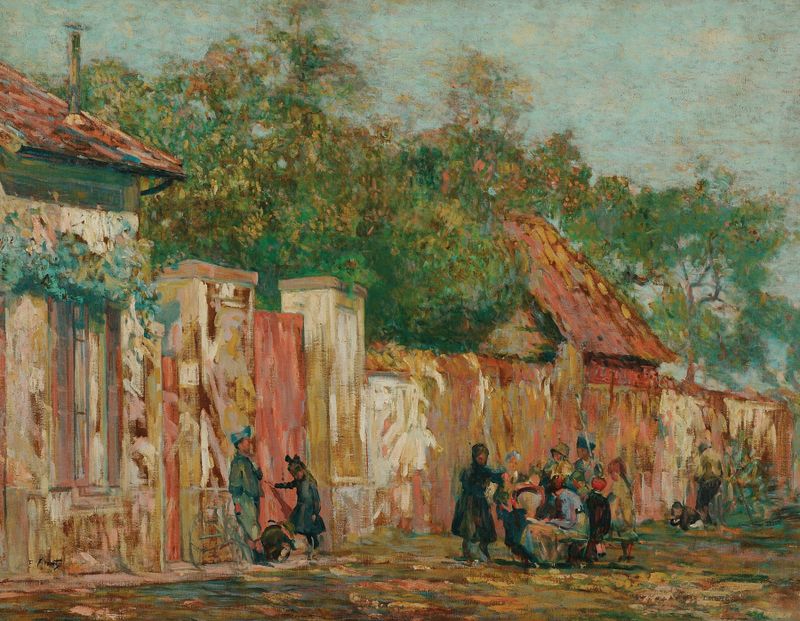
Tarde em Saint Hubert
Eliseu Visconti

Efeito matinal
Eliseu Visconti
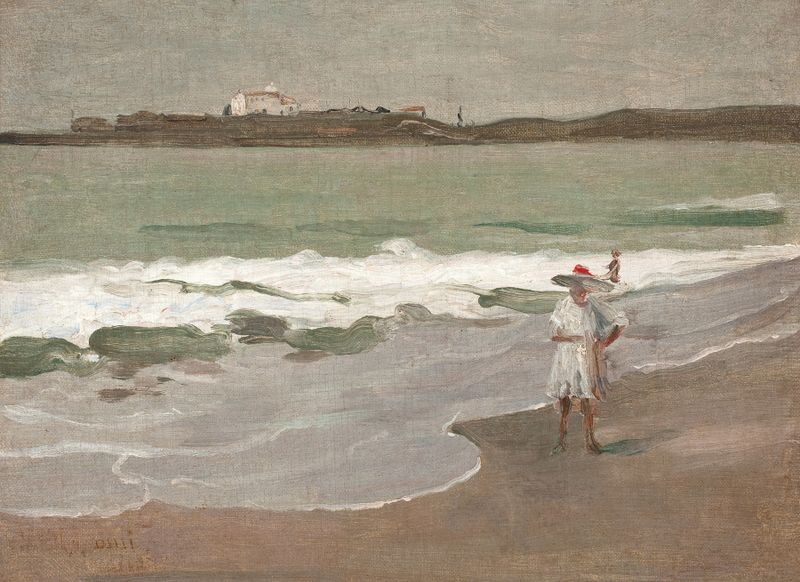
A Igrejinha (Copacabana)
Eliseu Visconti

A caminho da escola
Eliseu Visconti

Flores da rua
Eliseu Visconti
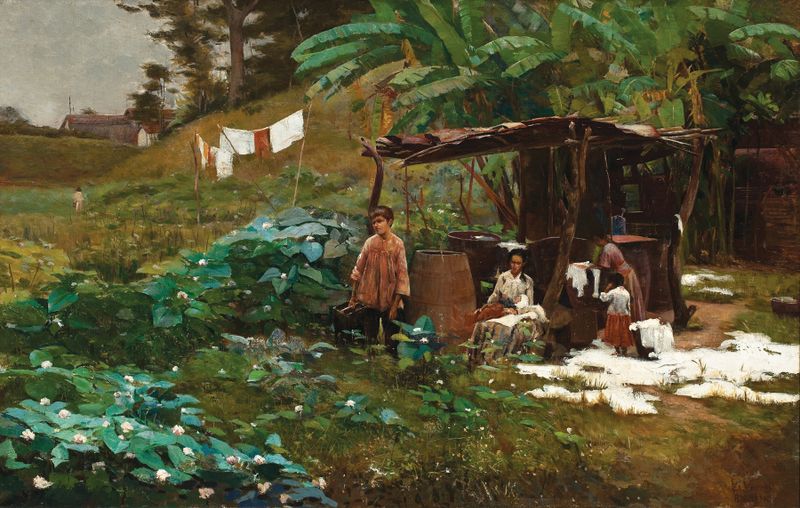
As lavadeiras
Eliseu Visconti





