
Marina com Pão de Açúcar — History & Facts
Where does light end, and longing begin? In the delicate strokes of 1904, a world unfolds where nature's grandeur dances with the whispers of the soul. Look to the left at the shimmering waters, where luminous reflections merge with the golden hues of the sunset. The iconic silhouette of Pão de Açúcar rises majestically against the sky, its contours softened by the fading light. Notice how the gentle brushwork creates a sense of movement in the waves, while the lush greenery frames the scene, inviting viewers into this serene coastal embrace. Beneath the surface of this tranquil vista lies a tension between reality and illusion.
The radiant light that bathes the landscape suggests warmth and hope, yet it also hints at the ephemeral nature of beauty — a reminder that all things eventually fade. The contrast of the vivid colors and the subtle shadows evokes a sense of yearning, as if the viewer is caught in a moment of fleeting bliss that will soon slip away like the tide. Eliseu Visconti painted this piece during a transformative period in Brazilian art, influenced by the growing integration of European styles and the local environment. Working in Rio de Janeiro, he sought to capture the essence of his homeland, reflecting both the optimism of the time and the complexities of modernity.
This work embodies that quest, blending impressionistic techniques with a deep appreciation for the natural world, marking a pivotal moment in his artistic journey.
More Artworks by Eliseu Visconti
Browse all →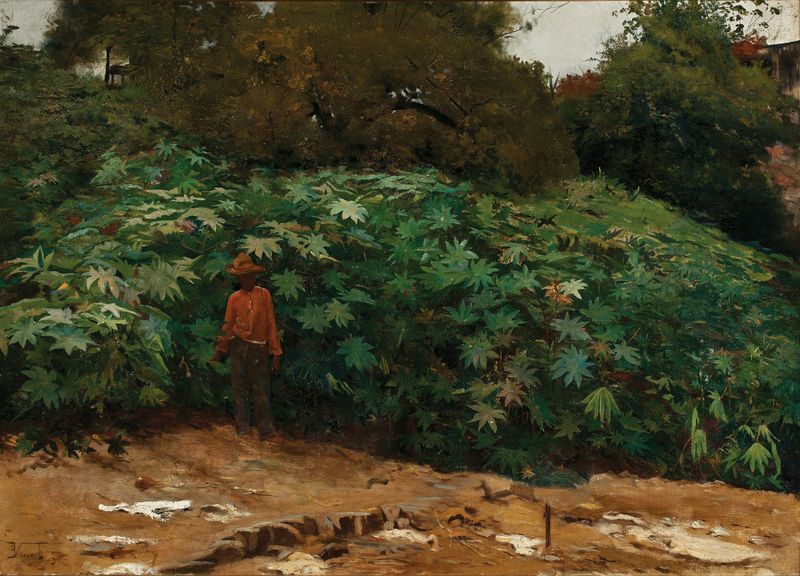
Mamoneiras – Morro de São Bento
Eliseu Visconti

O batismo da boneca
Eliseu Visconti
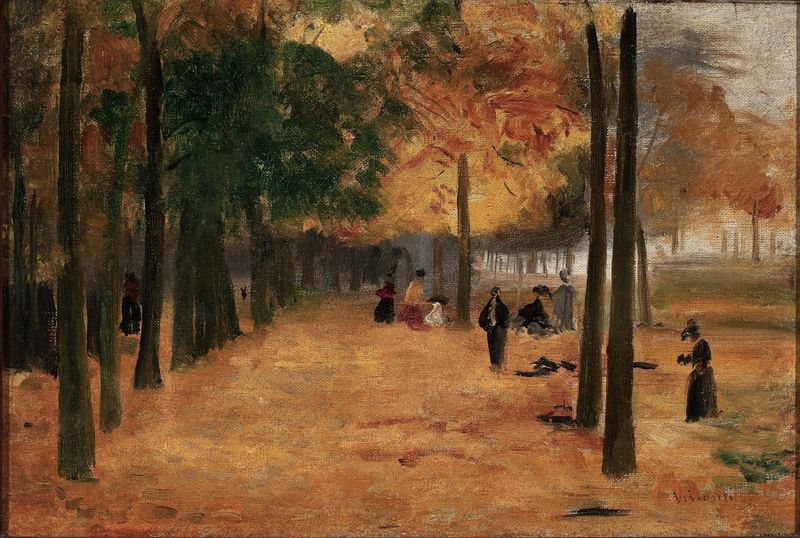
Canto de Luxemburgo (Outono)
Eliseu Visconti
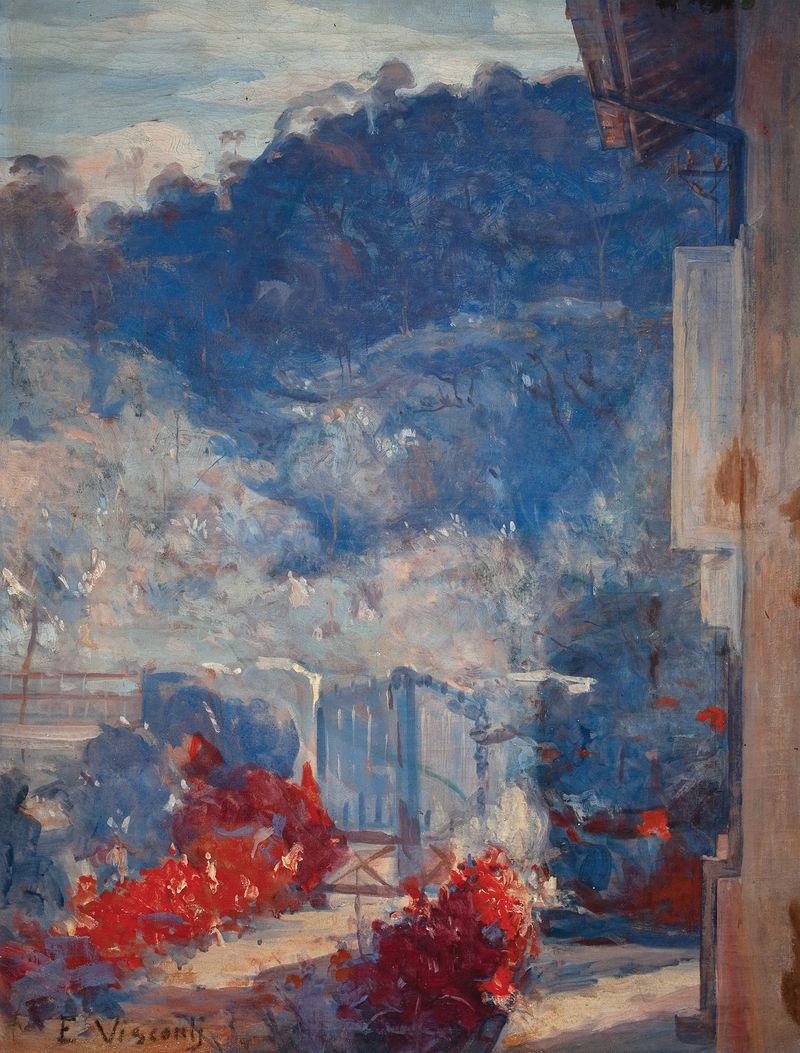
Raios de sol
Eliseu Visconti
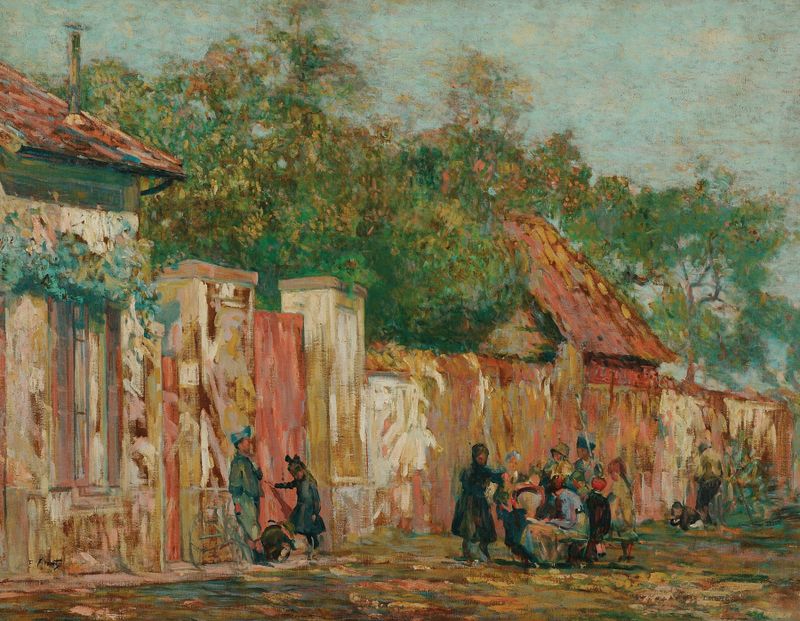
Tarde em Saint Hubert
Eliseu Visconti

Efeito matinal
Eliseu Visconti
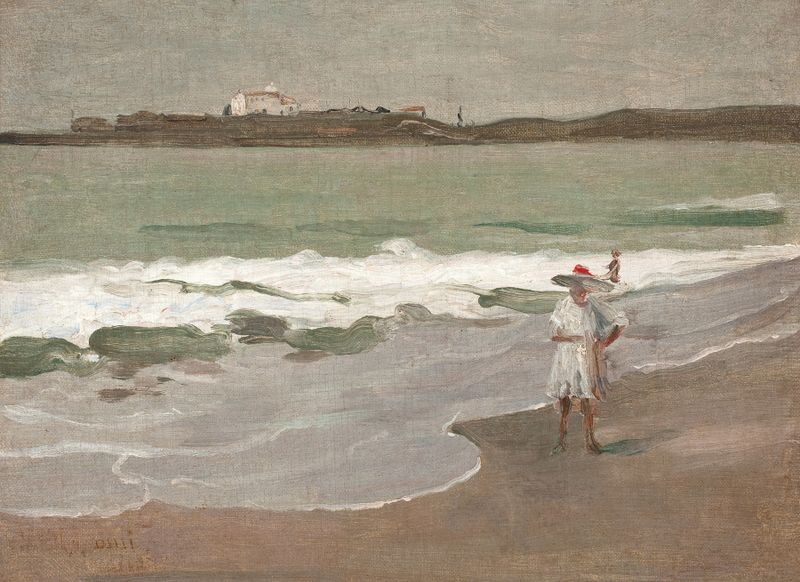
A Igrejinha (Copacabana)
Eliseu Visconti

A caminho da escola
Eliseu Visconti

Flores da rua
Eliseu Visconti
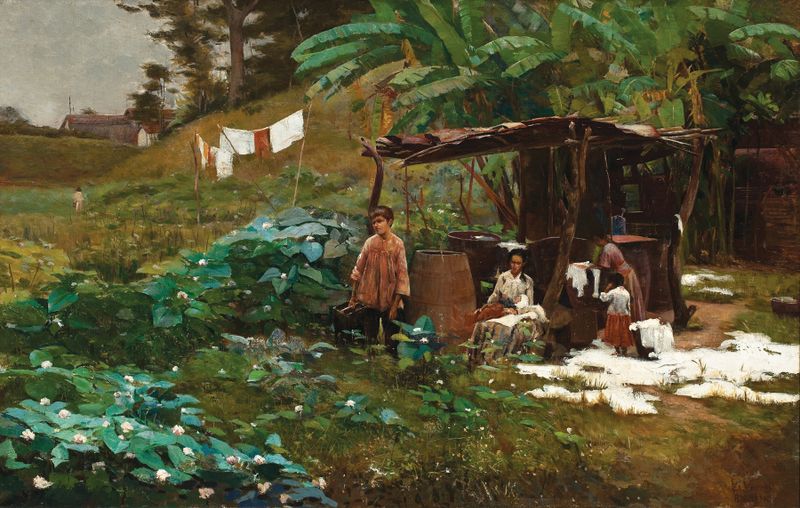
As lavadeiras
Eliseu Visconti





