
A Keelhauling, according to the non attested Tradition, of the Ship’s Doctor of Admiral Jan van Nes — History & Facts
Where does light end, and longing begin? In the shadows of maritime history lies a tale of legacy, woven through the sails and solemn faces of those who dared to dream and perish at sea. Focus first on the tension in the center of the canvas, where a doctor's figure is caught between fate and despair, illuminated by the pale glow of sunlight piercing through tumultuous clouds. Notice the stark contrast between the deep, ominous blues of the ocean and the vibrant, fleshy tones of the figures, emphasizing the violent struggle against the elements. The meticulous brushwork captures the anxious motion of the waves, drawing your eye back and forth, as if you are witnessing this harrowing moment unfold. Delve deeper into the scene, where small details amplify the emotional weight.
The doctor’s grim expression reflects a profound heartache that transcends time, while the ropes coiling around him symbolize both entrapment and the relentless grip of duty. In this moment, Verschuier encapsulates the duality of maritime life — an exploration of bravery faced with the fragility of existence. Each figure's posture tells a story steeped in sacrifice, as they navigate the murky waters between honor and despair. Painted between 1660 and 1686, this piece emerged during a time of great naval exploration and conflict in the Netherlands.
Verschuier, a lesser-known but skilled artist, was influenced by the dramatic narratives of maritime life, reflecting the turbulent relationships between sailors, their superiors, and the sea itself. This work serves as a haunting reminder of the shadows cast by ambition, revealing both the glory and the cost of survival on the high seas.
More Artworks by Lieve Pietersz. Verschuier
Browse all →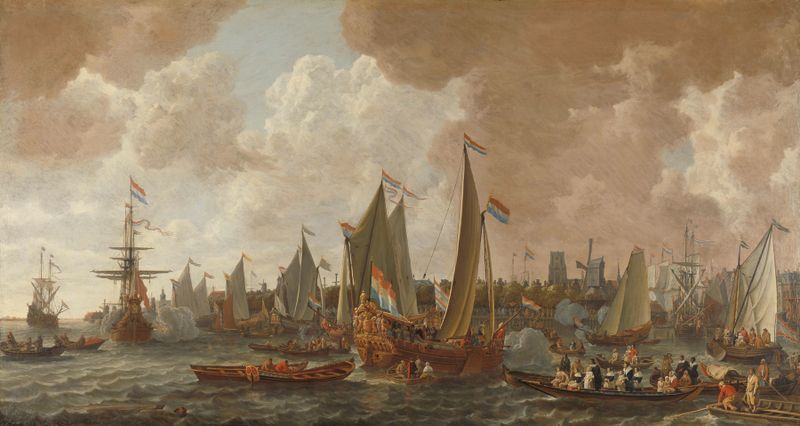
More Historical Art
Browse all →
The Night Watch Militia Company of District II under the Command of Captain Frans Banninck Cocq
Rembrandt van Rijn
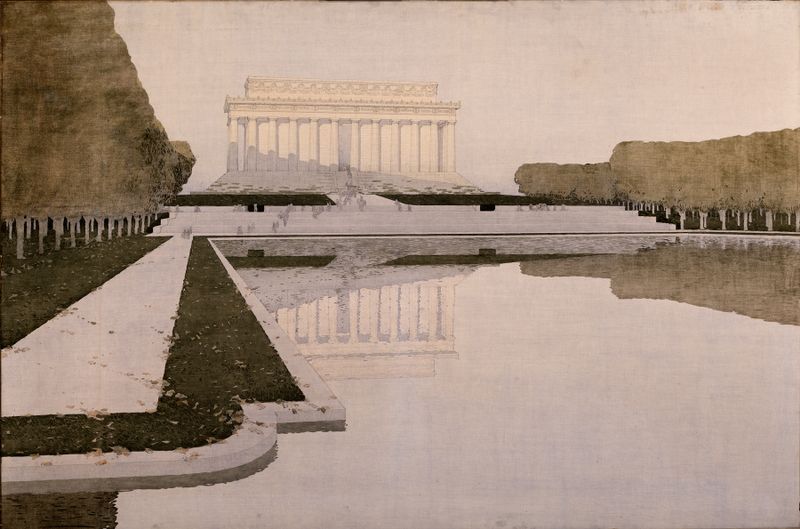
Lincoln Memorial
Henry Bacon
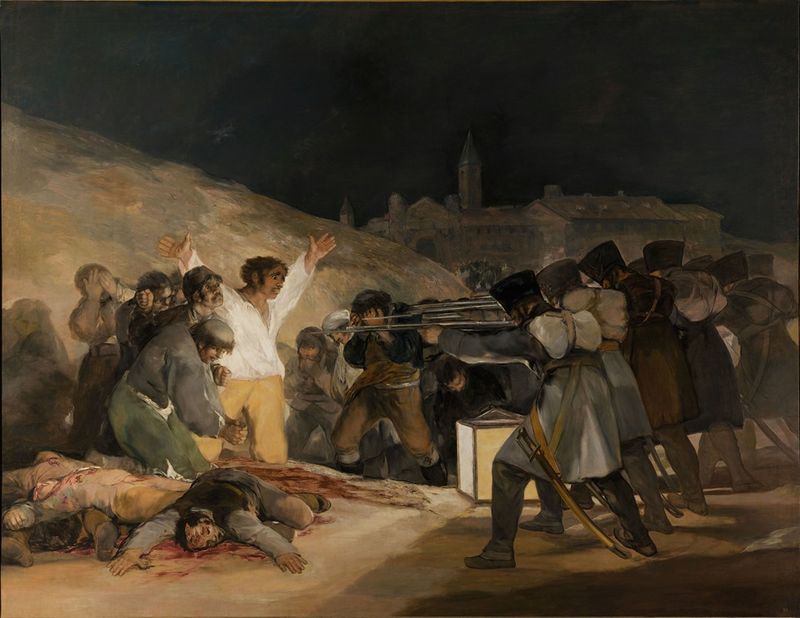
The Third of May 1808
Francisco de Goya

Isaac and Rebecca, Known as ‘The Jewish Bride’
Rembrandt van Rijn
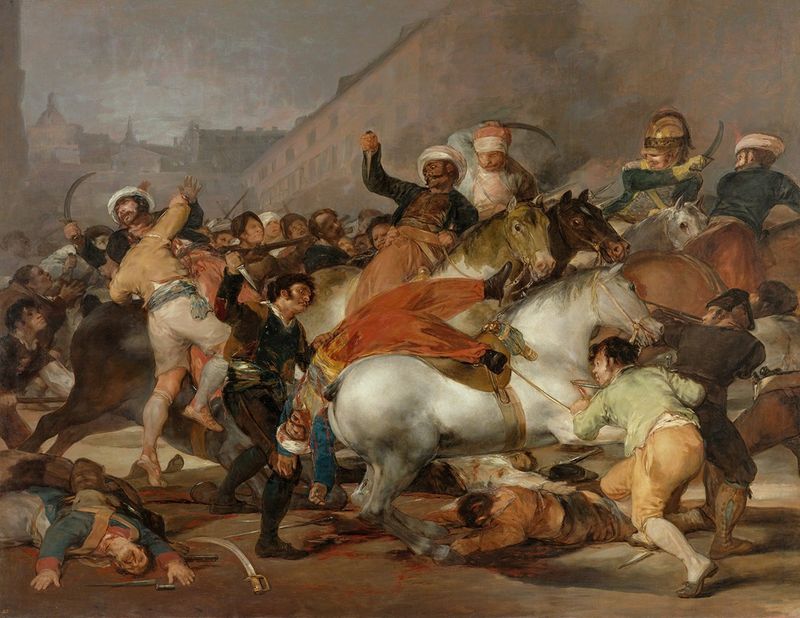
The Charge of the Mamelukes (1814)
Francisco de Goya

De vier ruiters van de apocalyps
Albrecht Dürer