
A Longshoreman — History & Facts
In A Longshoreman, John George Brown presents a vivid portrayal of a dock worker. The painting features rich, earthy tones that reflect the gritty environment of the docks. The figure of the longshoreman is central, showcasing his muscular build and worn clothing, indicative of a hard day's work.
The background hints at the bustling activity of the port, with crates and ships subtly rendered. The painting is executed in oil on canvas, a medium that allows for detailed texture and depth. Brown's technique captures the play of light on the figure, emphasizing the contours of the longshoreman's physique. The brushwork is precise, lending a sense of realism to the scene.
Viewers can appreciate the artist's attention to detail, from the folds of the clothing to the expressions on the worker's face. John George Brown was known for his depictions of working-class life, often focusing on laborers and their daily struggles. This work, created in the 1880s, reflects the social changes of the time, highlighting the importance of dock workers in the industrial era. An interesting fact about this painting is that it exemplifies Brown's commitment to realism, capturing not just the physicality of the subject but also the dignity of labor.
His works often resonate with themes of resilience and hard work.
More Artworks by John George Brown
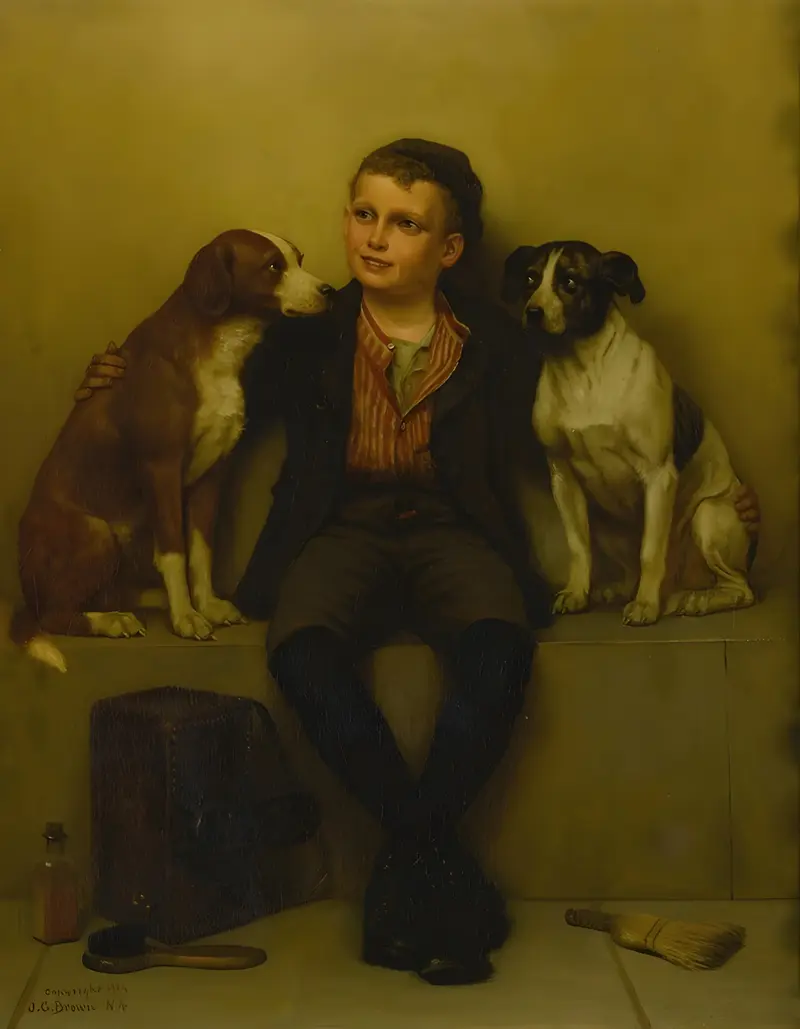
The Rivals
John George Brown
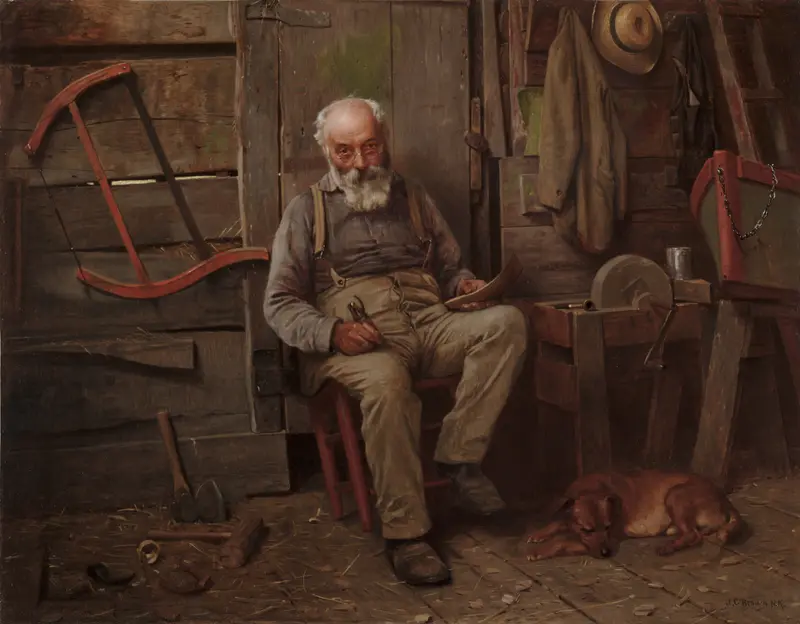
Boat Builder
John George Brown

In the Shade
John George Brown
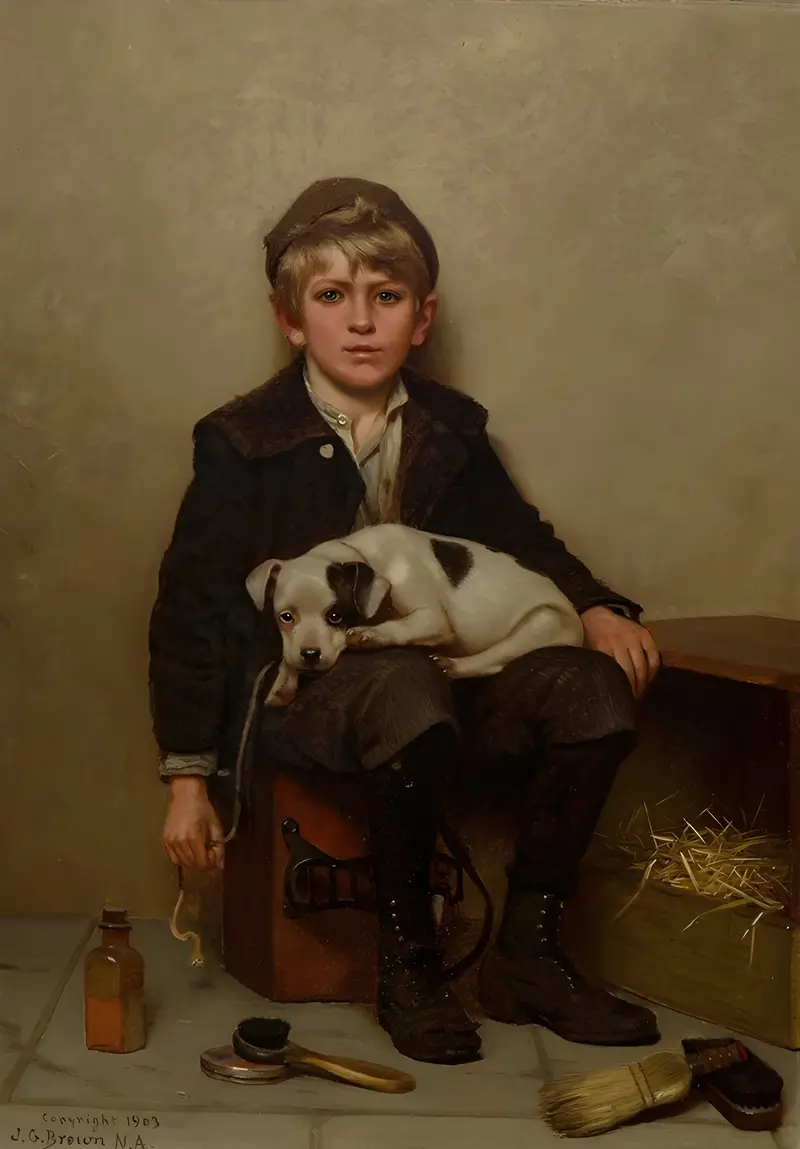
Shoeshine Boy
John George Brown
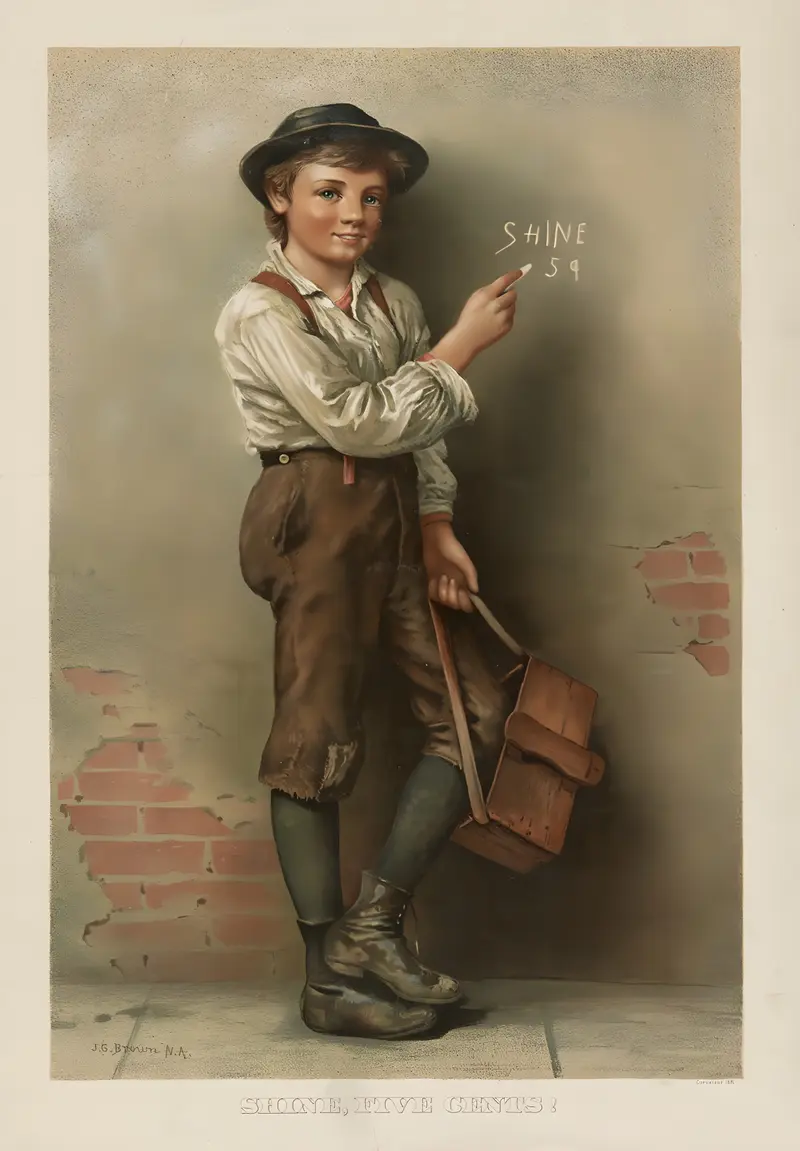
Shine, five cents!
John George Brown

A Sure Catch
John George Brown
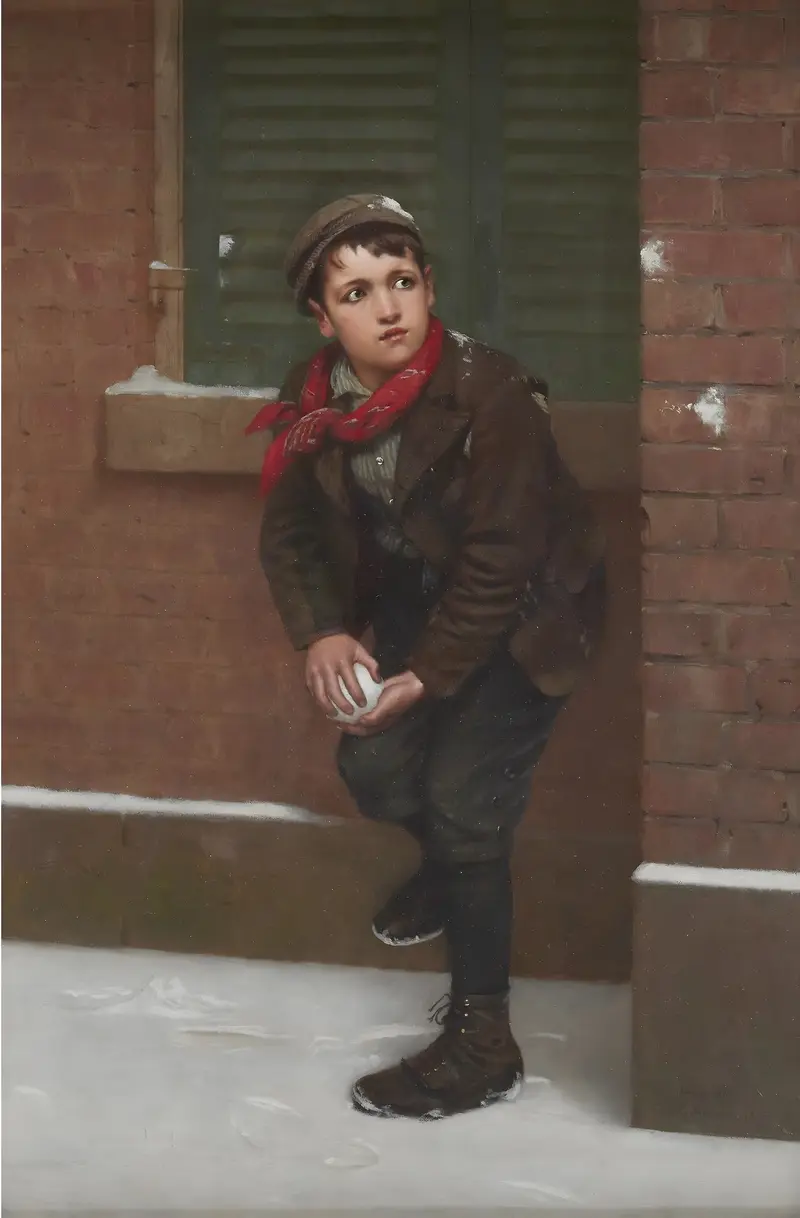
Anticipating the Perfect Moment
John George Brown
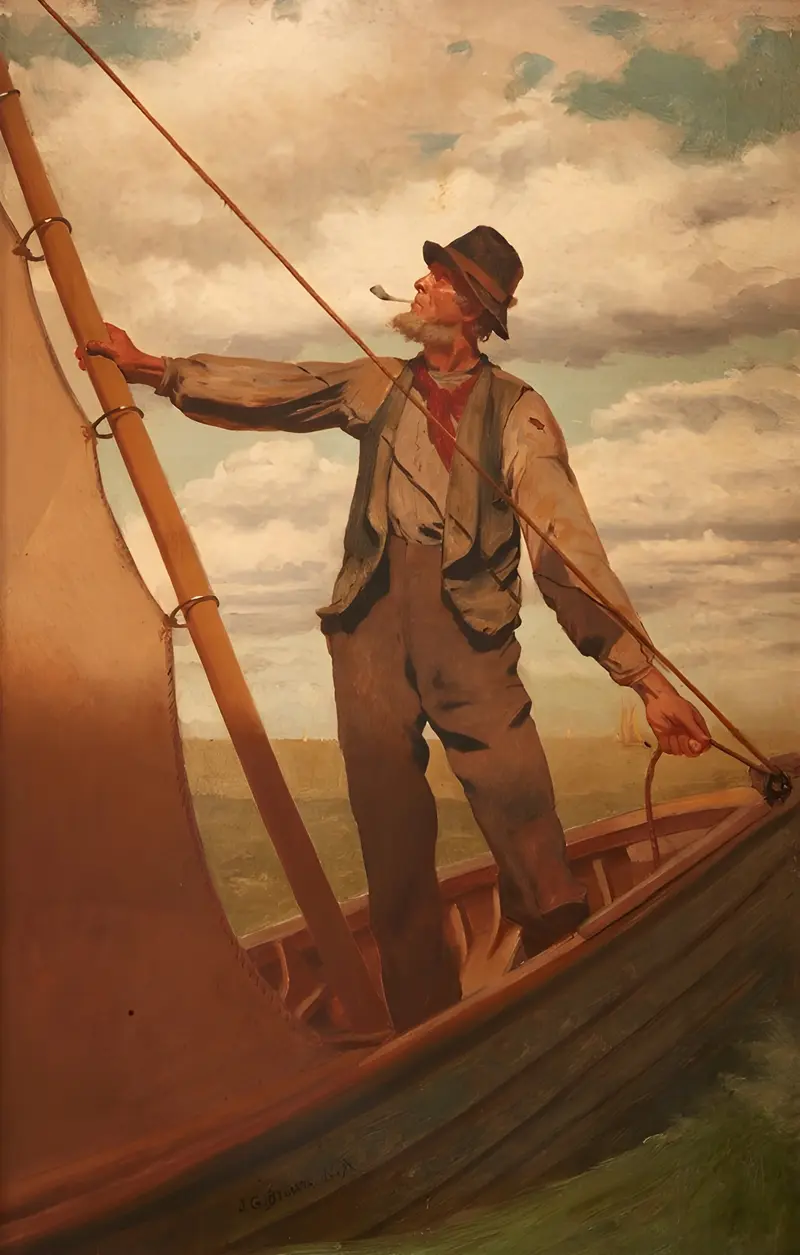
Hoisting the Sail
John George Brown
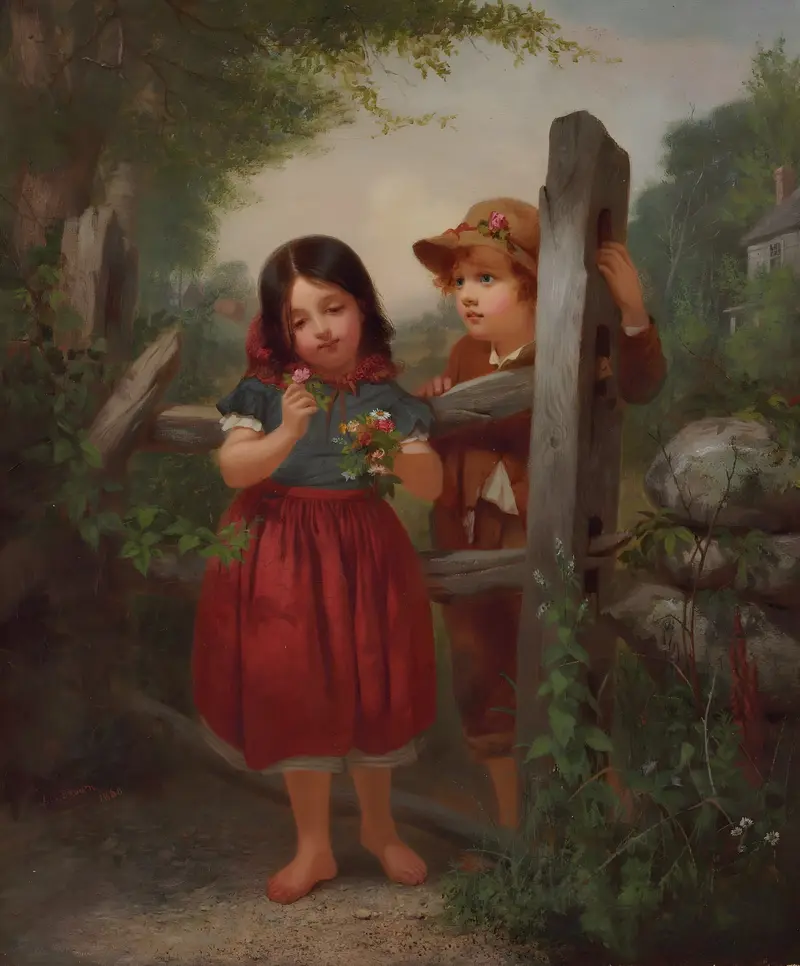
The Bouquet
John George Brown
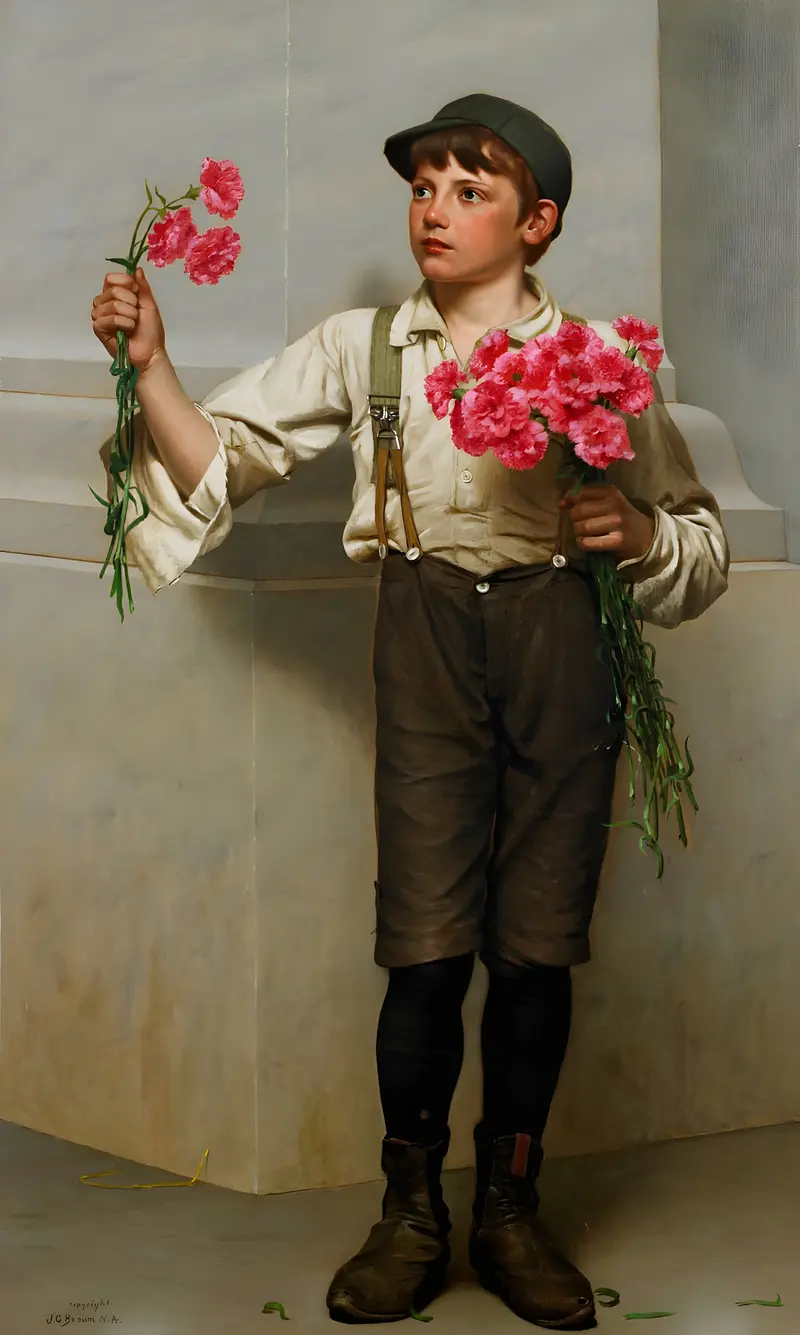
Three For Five
John George Brown
More Genre Scene Art

Banquet of the Officers of the St George Civic Guard
Frans Hals

Rembrandt and Saskia in the Scene of the Prodigal Son
Rembrandt van Rijn

Bal du moulin de la Galette
Pierre-Auguste Renoir

Quadrille at the Moulin Rouge
Henri de Toulouse-Lautrec

A Burial at Ornans
Gustave Courbet

When Will You Marry?
Paul Gauguin