
A Quarry — History & Facts
Could beauty survive in a century of chaos? In A Quarry, nature’s raw splendor emerges triumphantly amidst the rugged landscape, an ecstasy captured in form and hue. Look to the center where a chiseled cliff rises dramatically against a cascade of soft, muted greens. Notice how the brushwork blends seamlessly, evoking a sense of texture that invites the viewer to reach out and touch the rough stone. The interplay of light and shadow, with dappled sunlight filtering through the foliage, creates a dynamic rhythm that pulls the eye deeper into the scene, almost as if walking through the quarry itself. Amidst the grandeur lies a subtle tension: the juxtaposition of the earth’s strength against the gentle caress of light suggesting a fleeting beauty.
The scattered boulders hint at the labor that has shaped this landscape, yet they also symbolize nature's resilience, reclaiming space in quiet defiance. This duality—of destruction and creation—echoes through the piece, revealing an emotional depth that resonates long after the viewer has departed. Painted in 1827, A Quarry reflects Théodore Rousseau's immersion in the Barbizon School, where he sought to depict nature with a reverence that defied the industrial ambitions of his time. Living in rural France, Rousseau was captivated by the harmony of landscapes, steering away from Romanticism’s grandiosity towards a more intimate interaction with the natural world.
This painting stands as a testament to his dedication, an artistic refuge amid an era of profound change.
More Artworks by Théodore Rousseau
Browse all →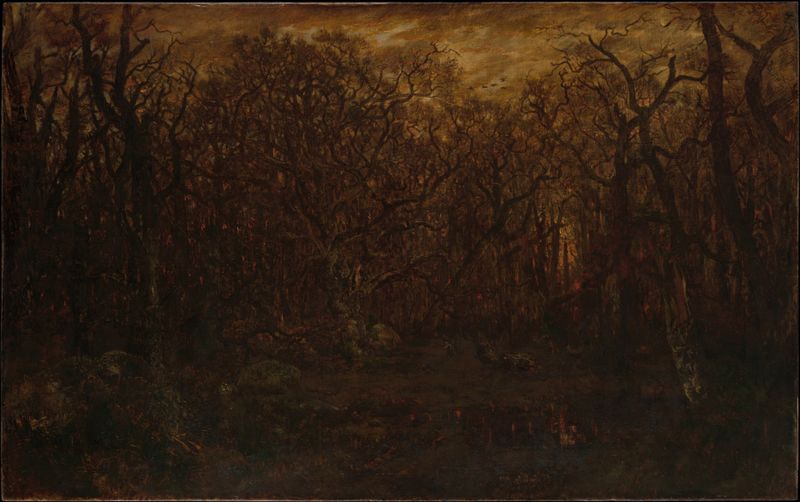
The Forest in Winter at Sunset
Théodore Rousseau
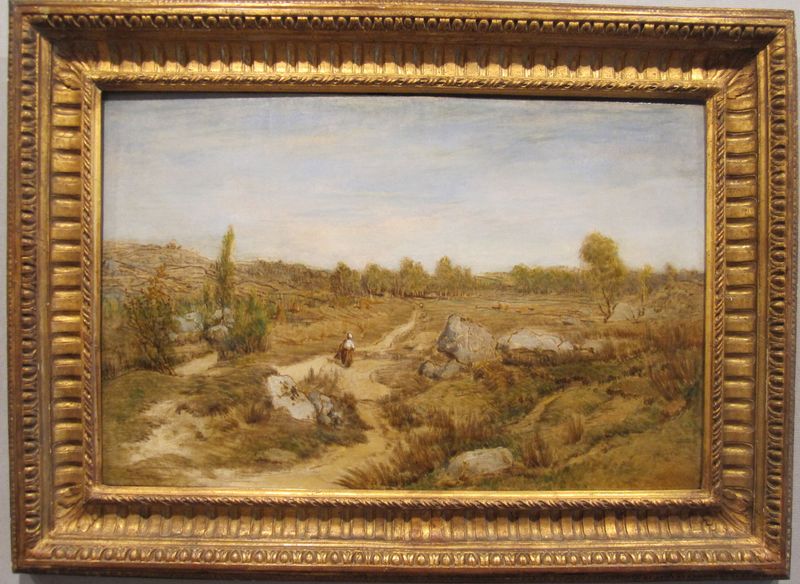
Valley of the Rouars in the Gorges d’Apremont
Théodore Rousseau
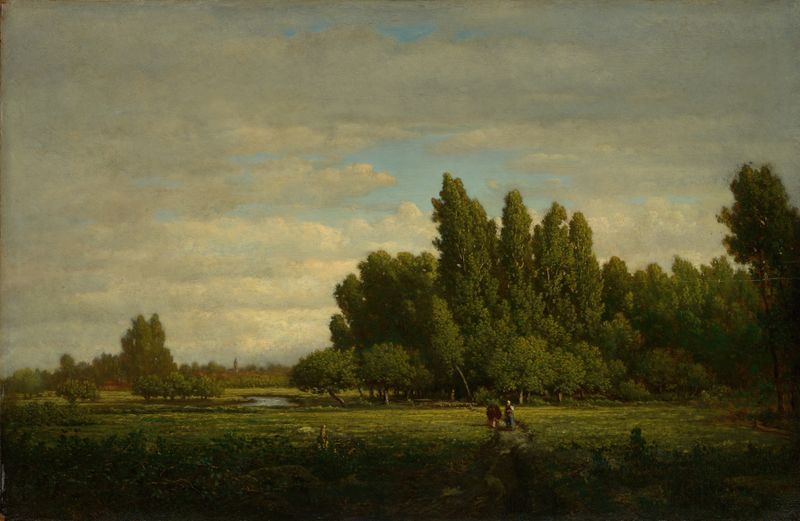
A Meadow Bordered by Trees
Théodore Rousseau
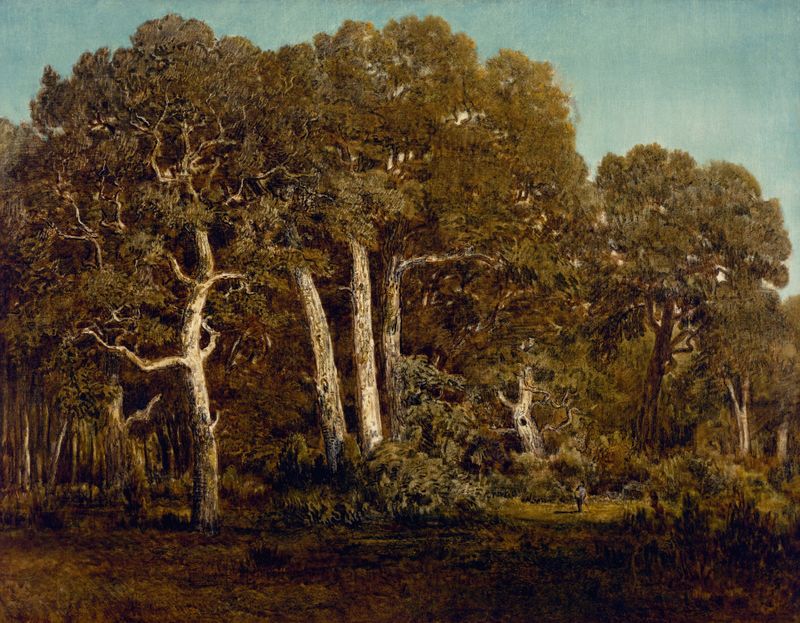
The Great Oaks of Old Bas-Bréau
Théodore Rousseau
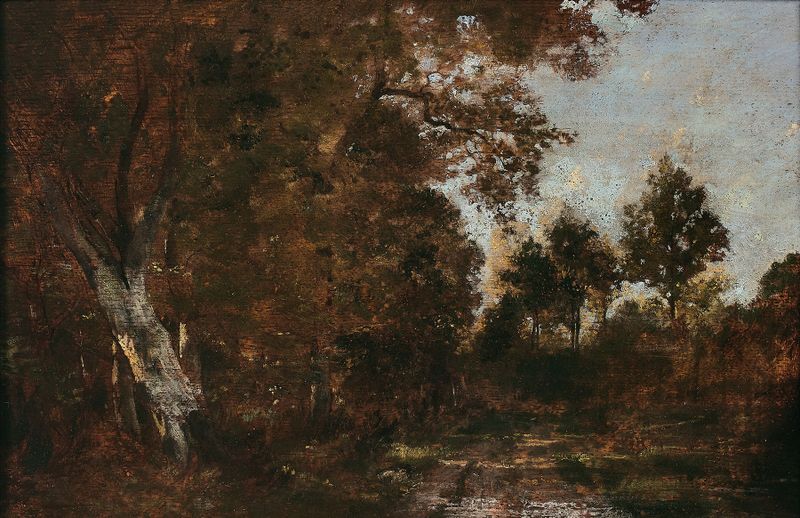
Paysage de sous-bois
Théodore Rousseau
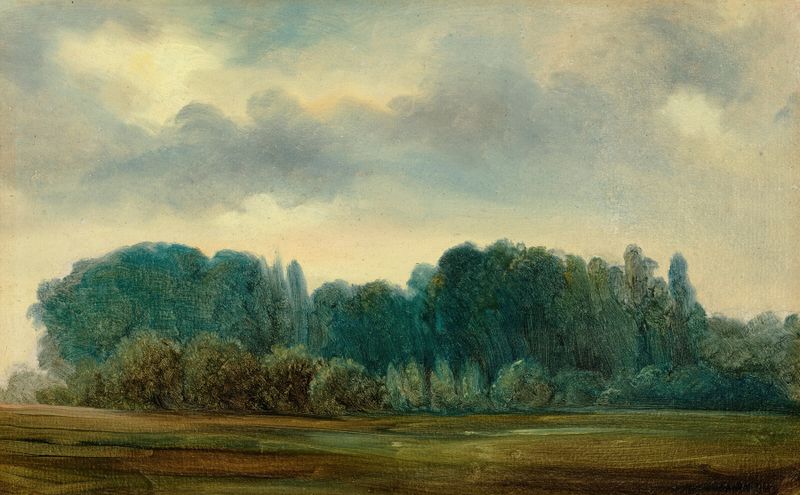
Paysage
Théodore Rousseau
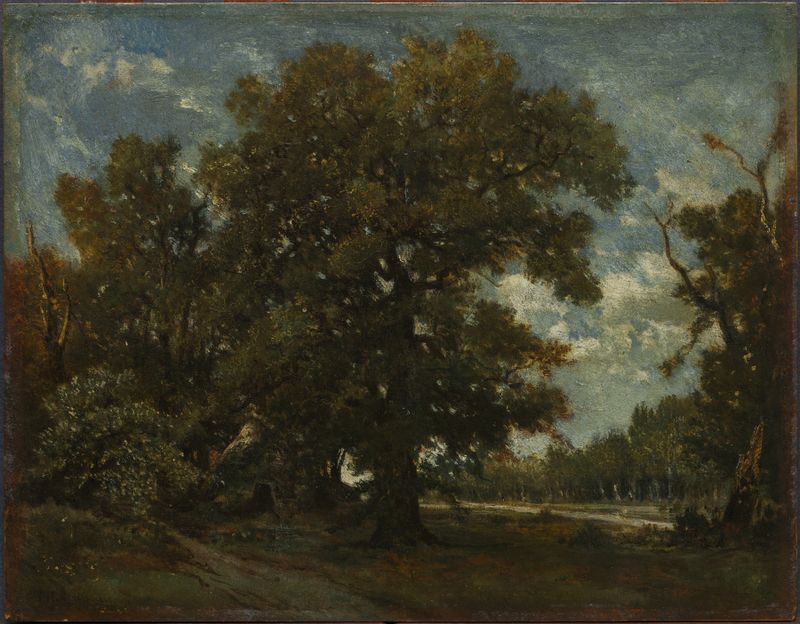
The Oak Tree
Théodore Rousseau
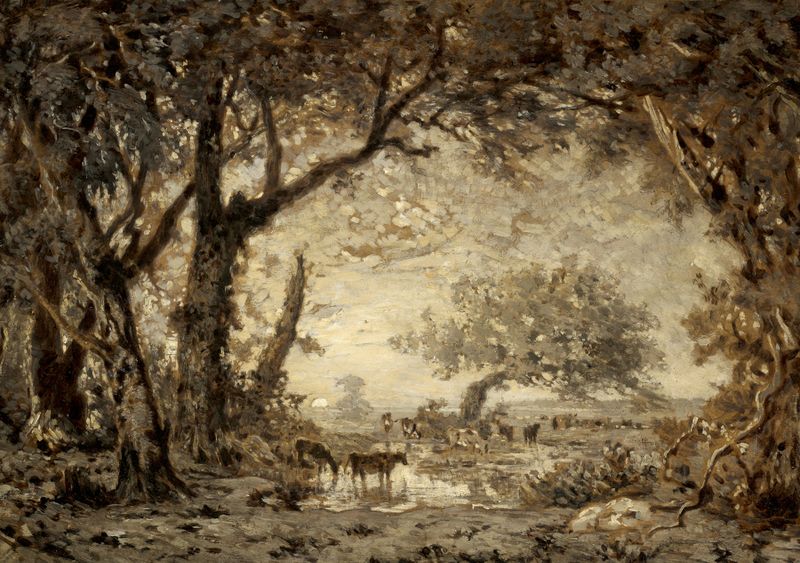
Sunset from the Forest of Fontainebleau
Théodore Rousseau
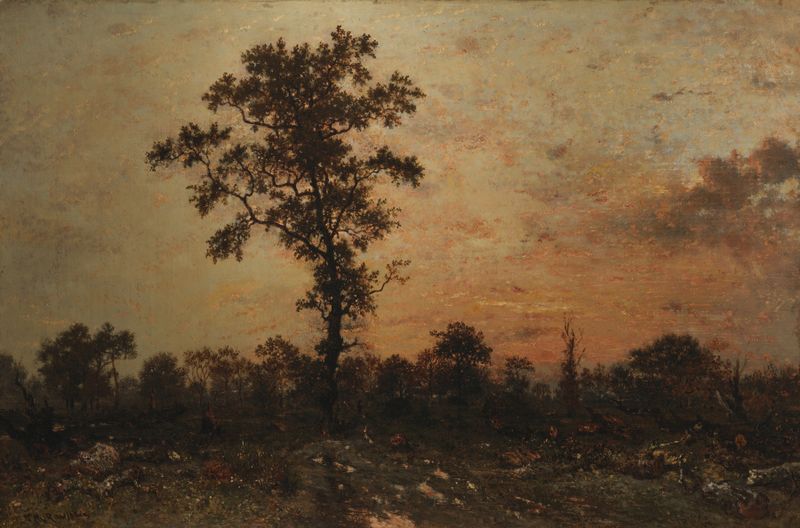
Edge of the Forest, Sun Setting
Théodore Rousseau
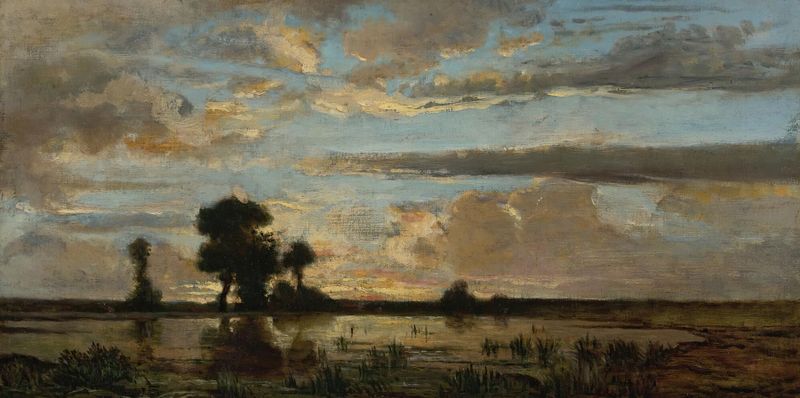
Soleil Couchant
Théodore Rousseau





