
A River in a Meadow — History & Facts
It holds our yearnings, capturing moments that feel both fleeting and eternal, much like the gentle flow of a river in a meadow. Look to the left at the soft stream meandering through the landscape, its waters glinting under the dappled sunlight. The artist’s brushstrokes are tender yet deliberate, evoking a sense of peacefulness amidst nature's grandeur. Notice how the vibrant greens of the grass and the subtle yellows of the wildflowers create a harmonious balance, inviting the viewer to step into this serene world.
The composition leads the eye from the gently curving river to the horizon, where a delicate sky meets the earth in a tender embrace. Within this tranquil scene lies a contrast of movement and stillness. The river embodies the passage of time, flowing ceaselessly, while the meadow stands immutable, holding memories of seasons past. This juxtaposition speaks to the universal human experience of longing — for moments that slip away and for the natural beauty that surrounds us yet feels perpetually out of reach.
Each detail, from the swaying grasses to the rippling water, resonates with an underlying emotional depth that invites contemplation. In 1840, when Rousseau painted this piece, he was deeply immersed in the Barbizon School, a movement that sought to capture the raw beauty of the French countryside. Art was shifting towards realism, emphasizing the importance of nature and everyday life. Rousseau's work during this time reflects not only his personal connection to the landscape but also the broader cultural transition towards a more authentic representation of the world.
More Artworks by Théodore Rousseau
Browse all →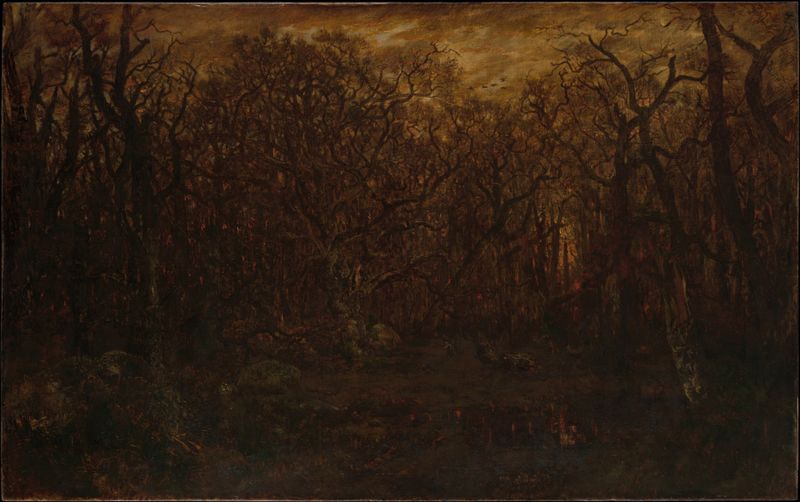
The Forest in Winter at Sunset
Théodore Rousseau
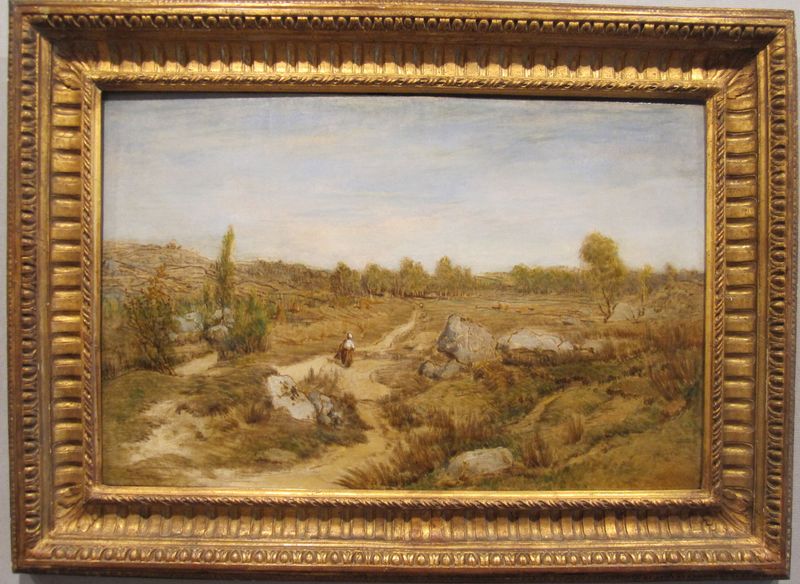
Valley of the Rouars in the Gorges d’Apremont
Théodore Rousseau
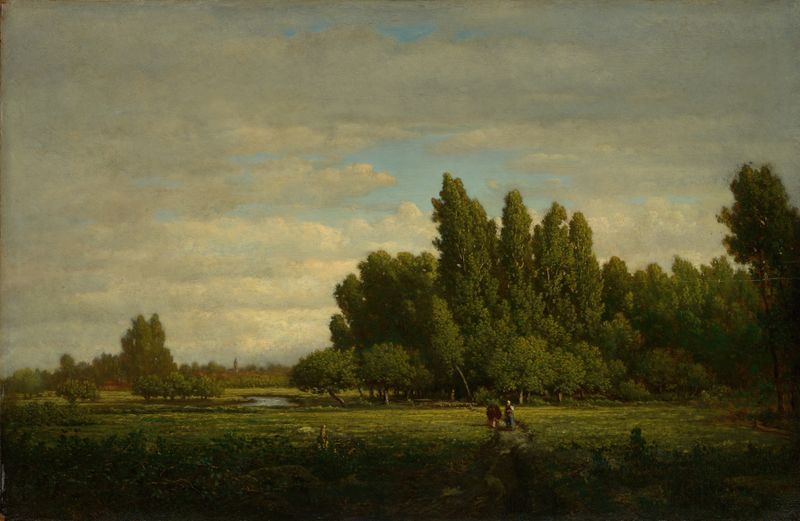
A Meadow Bordered by Trees
Théodore Rousseau
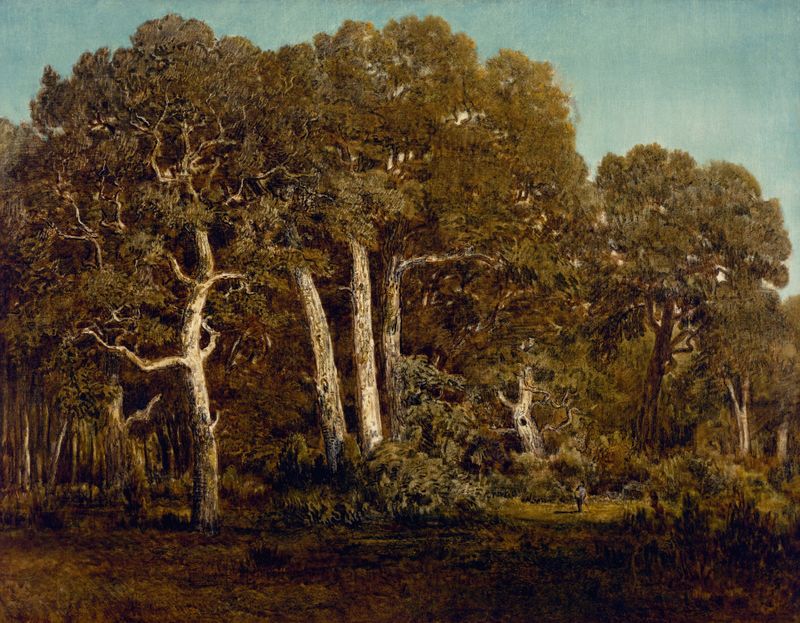
The Great Oaks of Old Bas-Bréau
Théodore Rousseau
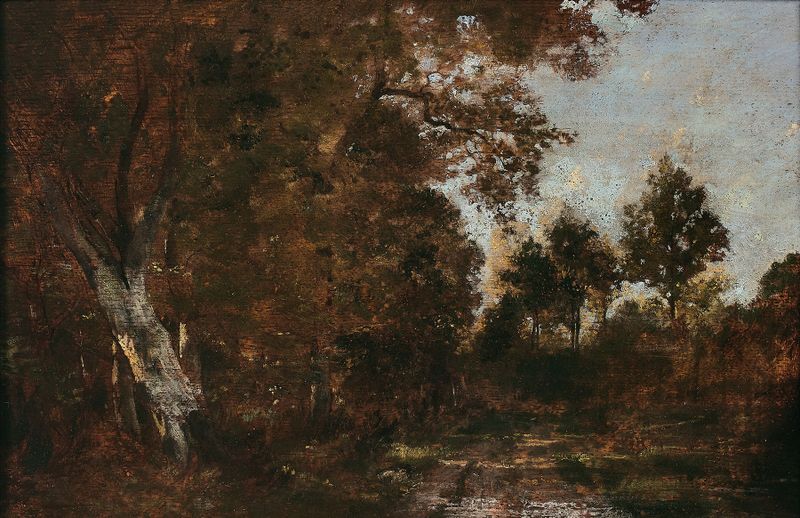
Paysage de sous-bois
Théodore Rousseau
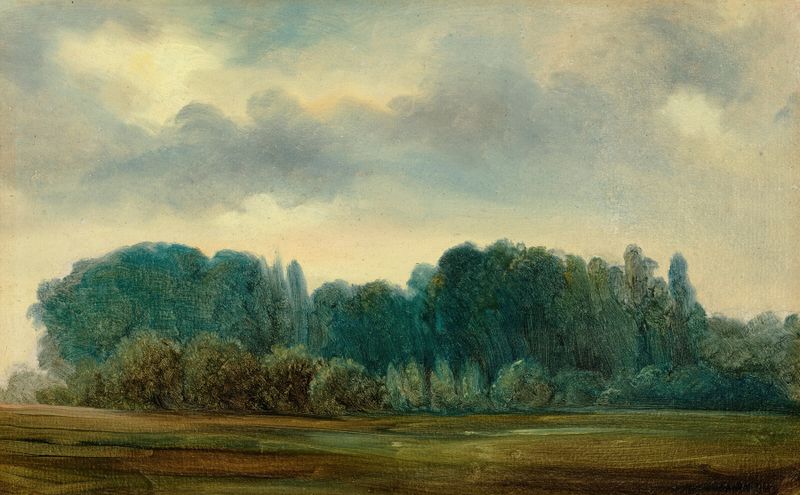
Paysage
Théodore Rousseau
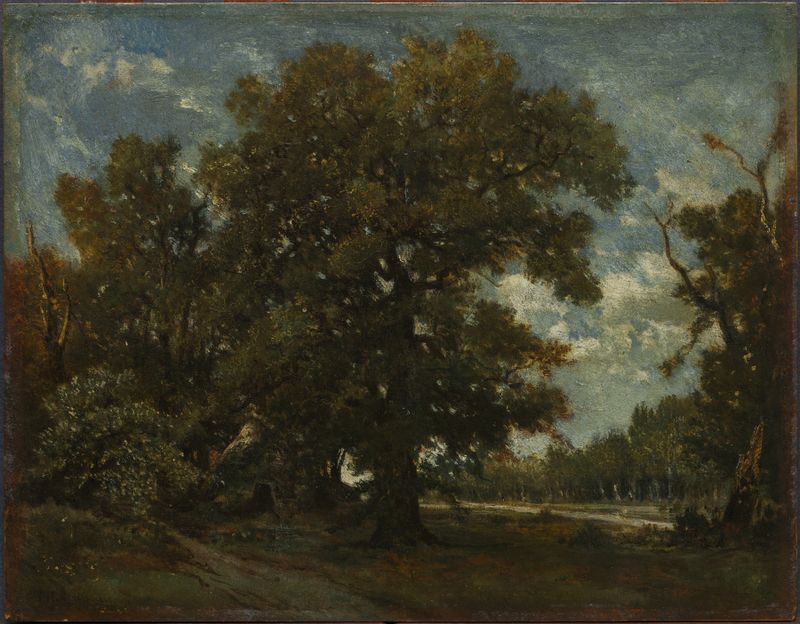
The Oak Tree
Théodore Rousseau
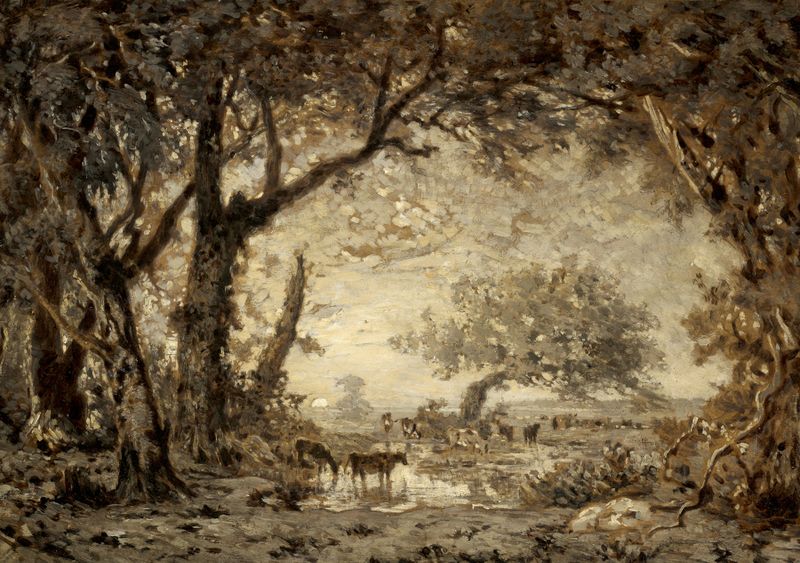
Sunset from the Forest of Fontainebleau
Théodore Rousseau
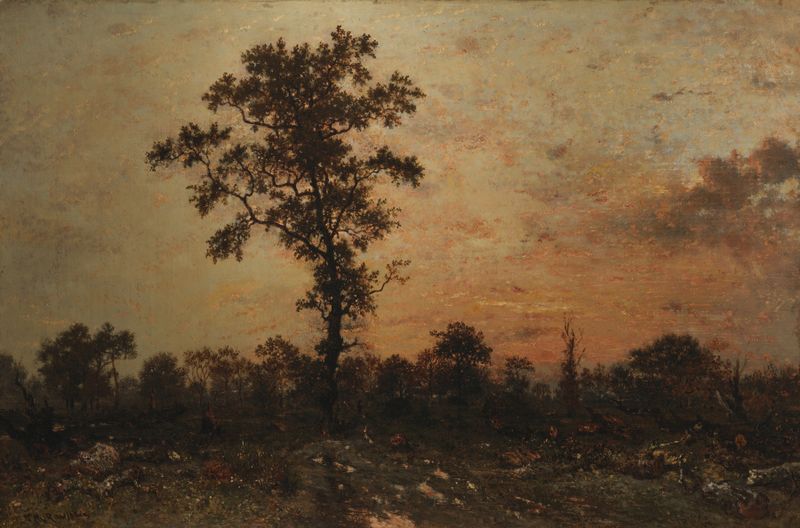
Edge of the Forest, Sun Setting
Théodore Rousseau
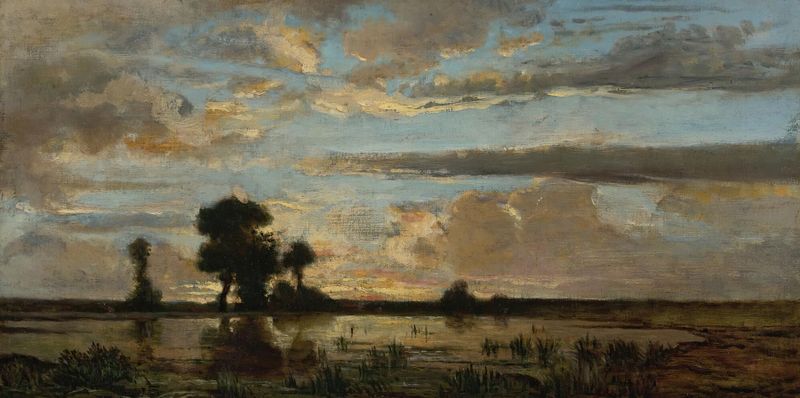
Soleil Couchant
Théodore Rousseau





