
A Road in France — History & Facts
A ribbon of pale road slices quietly through the rolling French countryside, drawing the viewer’s gaze from the shaded foreground up toward the distant, sunlit horizon. In A Road in France, Arthur Bowen Davies uses a restrained, almost monochrome palette to let the landscape itself do the speaking—trees stand like silent witnesses along the route, their trunks and branches rendered with a delicacy that suggests both stillness and the gentle movement of air. The light is carefully rationed, falling most brightly on the far-off farmhouse, which sits like a promise at the end of the journey.
The eye is led, step by step, from the cool shadows at the painting’s edge to the open sky, invited to travel the length of the road and wonder what lies just beyond. Works like this, painted in watercolor and associated with the tradition of landscape drawing, flourished in the late nineteenth and early twentieth centuries as artists sought to capture the changing face of rural Europe. Such images were often created for portfolios, travel records, or as studies for larger compositions, and they reflect a period when the countryside was both a retreat and a subject of deep fascination. The presence of A Road in France in the Metropolitan Museum of Art’s collection today—thanks to its open access policy—reminds us how many such views were made, and how few are now attributed to a single moment or commission.
What remains certain is the quiet invitation this work offers: to follow the road, to pause among the trees, and to let the landscape unfold in its own time.
More Artworks by Arthur Bowen Davies

Mirror of Illusion
Arthur Bowen Davies
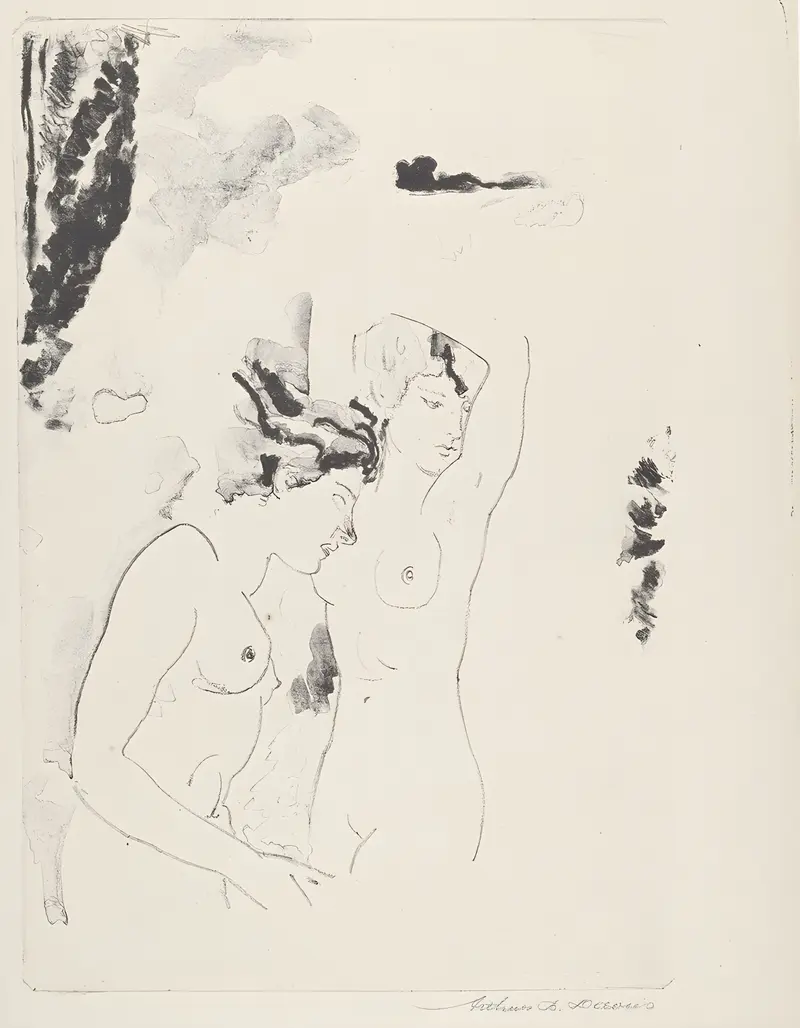
Nymphs of the Stream
Arthur Bowen Davies

Woman Dancing
Arthur Bowen Davies
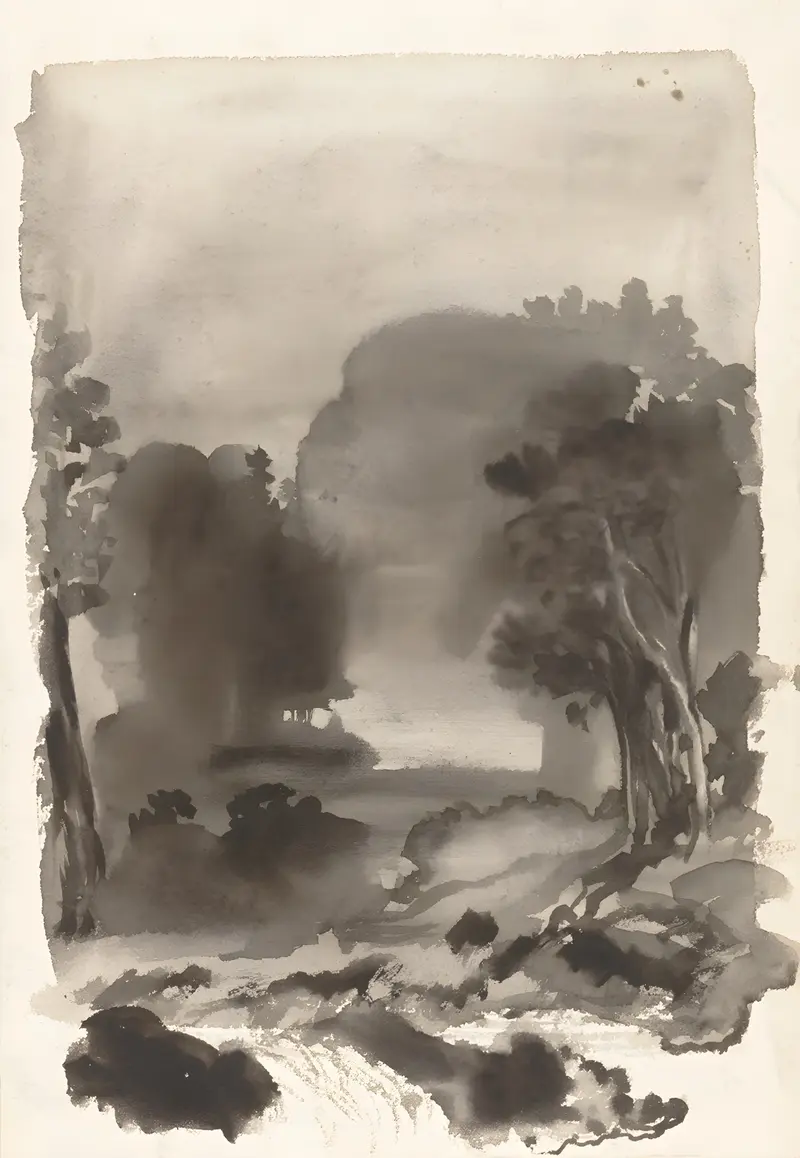
Landscape 2
Arthur Bowen Davies
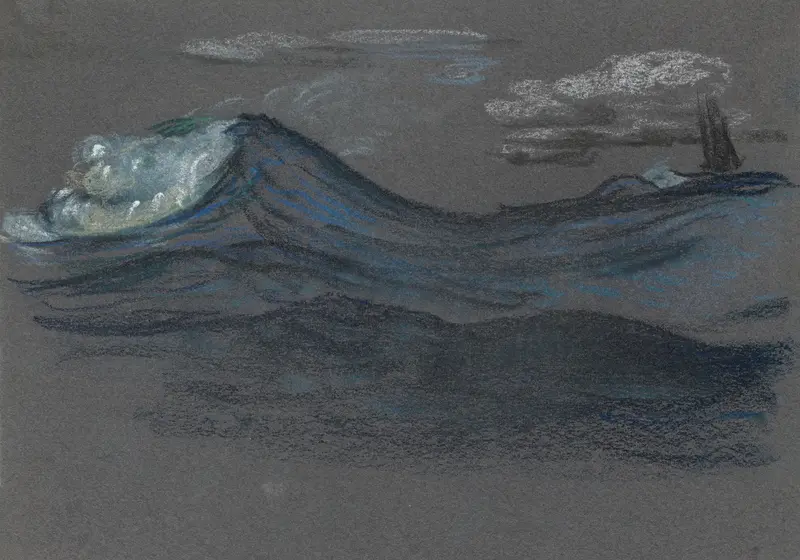
Ocean Swells
Arthur Bowen Davies
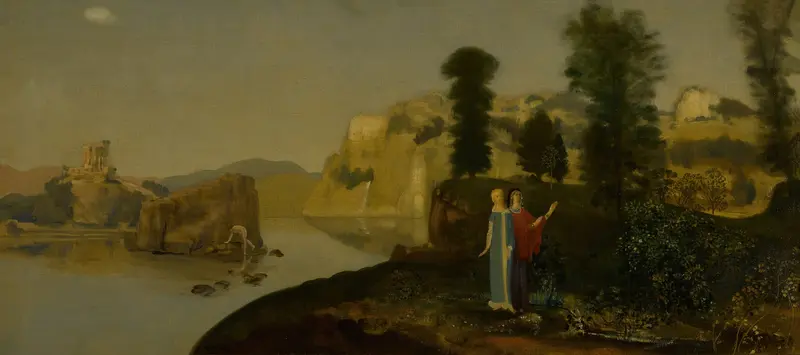
Silver Springs
Arthur Bowen Davies
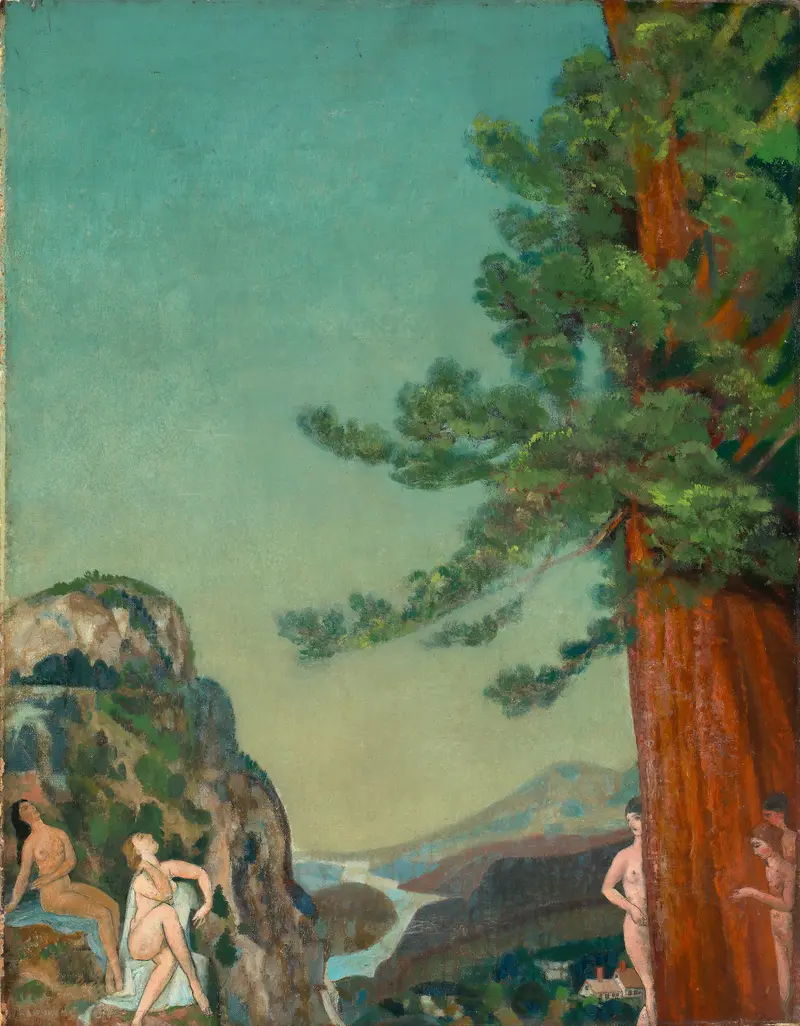
On the Cliffs
Arthur Bowen Davies

Landscape
Arthur Bowen Davies
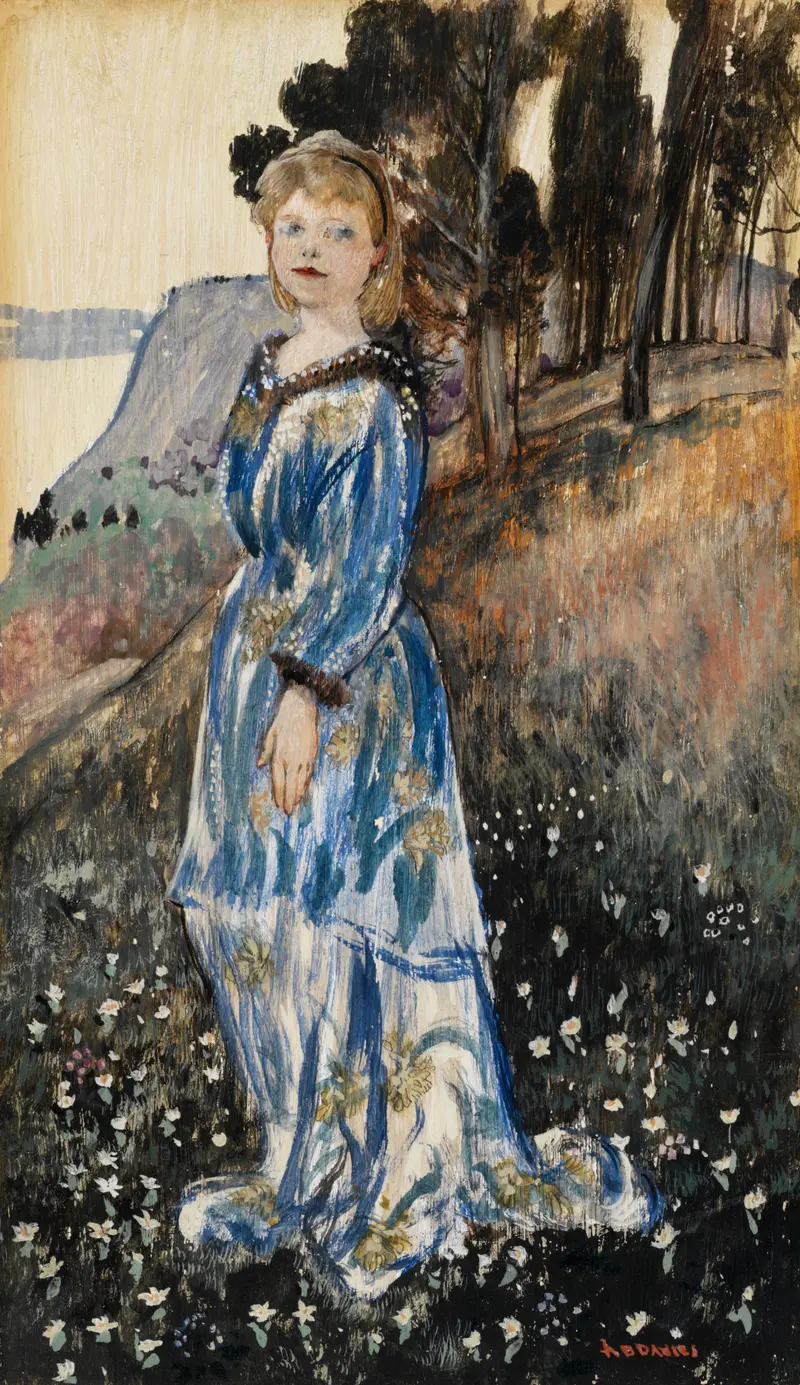
Flora
Arthur Bowen Davies
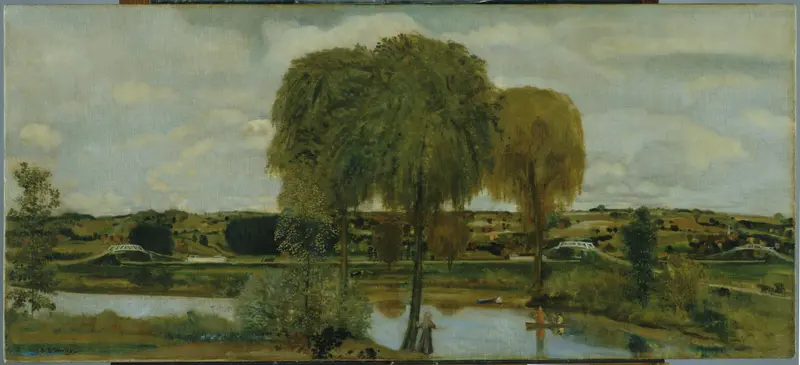
Along the Erie Canal
Arthur Bowen Davies
More Landscape Art

The Starry Night
Vincent van Gogh

View of Delft
Johannes Vermeer

Water Lilies
Claude Monet

The Grand Canal, Venice, looking north-west from the Ca' Corner to the Ca' Contarini degli Scrigni, with the campanile of Santa Maria della Carità
Canaletto

Windsor Castle
Canaletto

The Grand Canal looking North-East from the Palazzo Dolfin-Manin to the Rialto Bridge
Canaletto