
A Ruined Castle Gateway, Possibly The Archway Of Huis Ter Kleef — History & Facts
In the stillness of this moment, the remnants of a once-magnificent structure speak volumes of desire, loss, and time’s relentless march. A ruined castle gateway, overgrown and battered, stands not merely as a relic but as a poignant symbol of what once was and what can no longer be. Look to the left at the crumbling stones that frame the entrance; their rough texture contrasts sharply with the delicate play of light cascading through the archway. The palette, dominated by rich greens and browns, evokes a sense of nature reclaiming its territory, while hints of blue sky peek through the clouds, suggesting a glimmer of hope amid decay.
Notice how the artist uses chiaroscuro to accentuate the depth of the arch, inviting you to step inside this forgotten world, where shadows dance and echoes linger. The interplay of nature and architecture reveals a deeper narrative. Each crack in the stone tells a story of neglect, yet the vibrant greenery suggests an enduring desire for renewal. The juxtaposition of strength and fragility in the gateway reflects the human condition itself—how beauty can exist within ruin, and how dreams can persist even in desolation.
Despite its dilapidated state, the archway remains a portal of possibility, urging viewers to consider the stories that lie beyond its threshold. Created during the Dutch Golden Age, this piece captures Jacob van Ruisdael's fascination with landscapes and structures. While the exact date remains uncertain, he painted this work in the mid-17th century, a time when the Netherlands was flourishing in art and trade. Amidst a backdrop of burgeoning artistic expression, Ruisdael's landscapes often served as reflections on the transience of life and the enduring power of nature, echoing sentiments of longing and nostalgia inherent in this striking composition.
More Artworks by Jacob van Ruisdael
Browse all →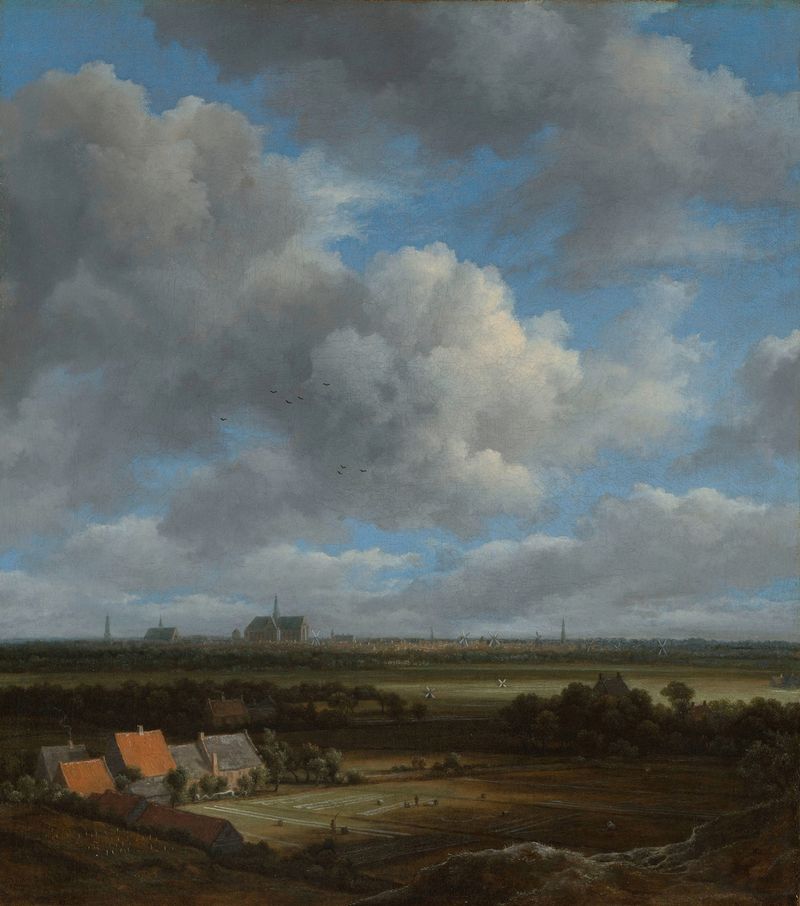
View of Haarlem from the Northwest, with the Bleaching Fields in the Foreground
Jacob van Ruisdael
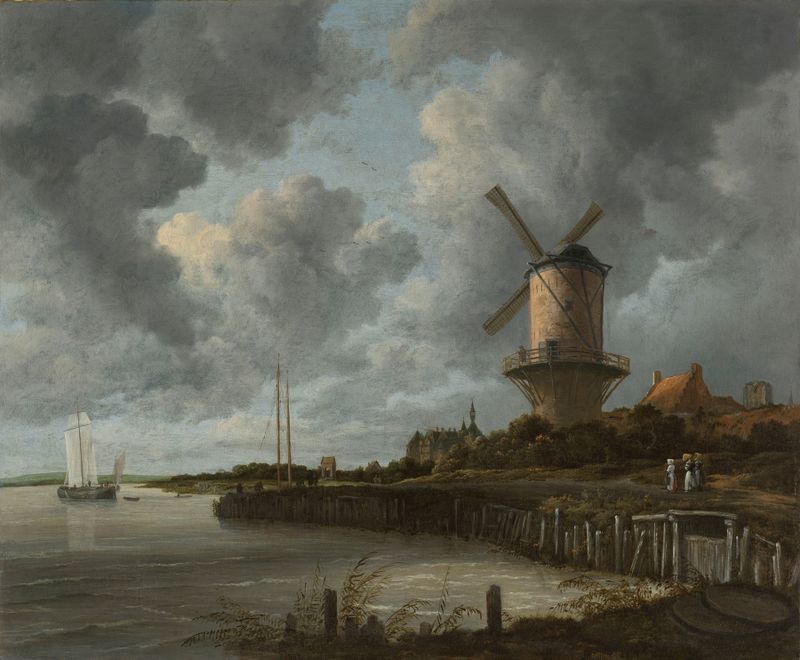
The Windmill at Wijk bij Duurstede
Jacob van Ruisdael
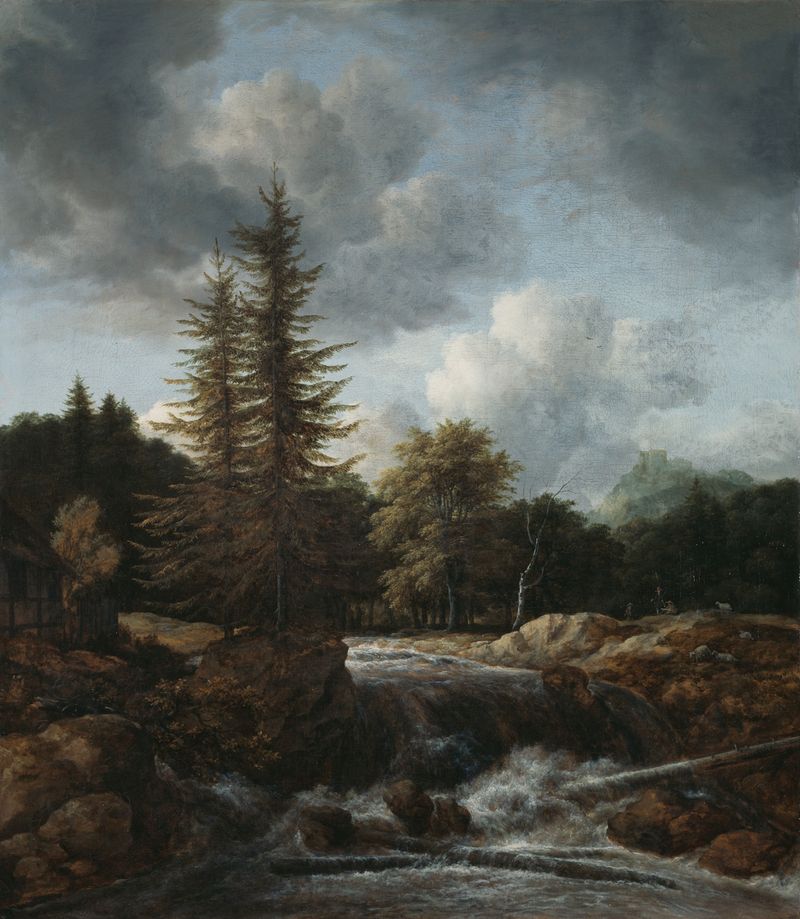
Landscape with Waterfall
Jacob van Ruisdael
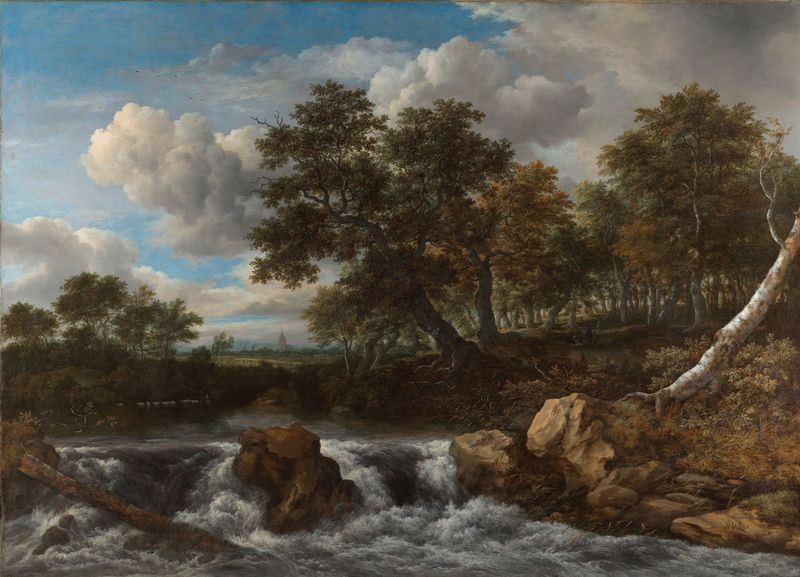
Landscape with Waterfall
Jacob van Ruisdael
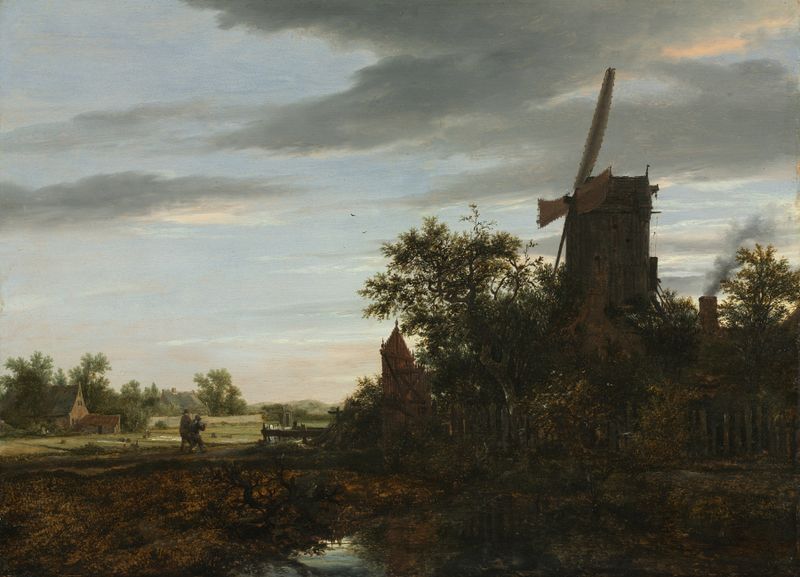
Landscape with a Windmill
Jacob van Ruisdael

Wooded hillside with a view of Bentheim Castle
Jacob van Ruisdael
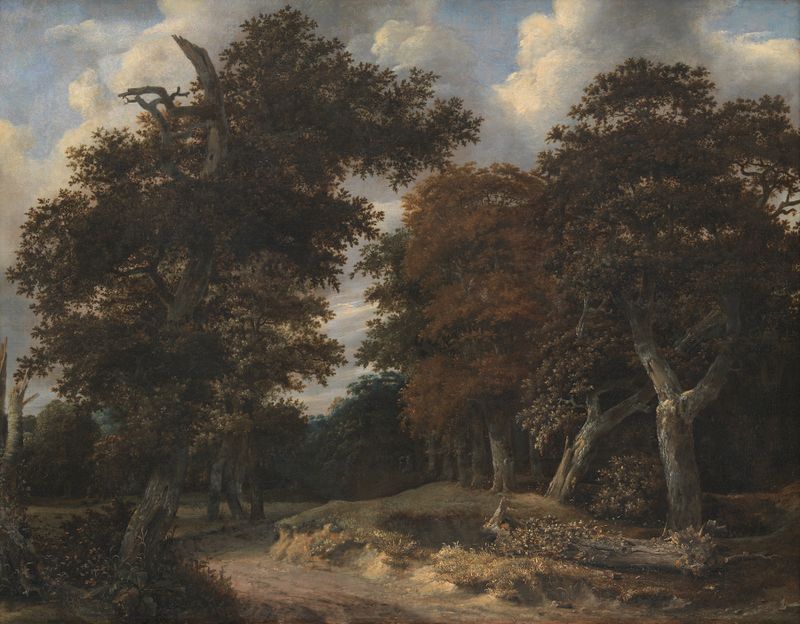
Road through an Oak Forest
Jacob van Ruisdael

Landscape with a Church
Jacob van Ruisdael

The Forest Stream
Jacob van Ruisdael

The Jewish Cemetery
Jacob van Ruisdael
More Architecture Art
Browse all →
The statue of Liberty
Frédéric Auguste Bartholdi

View of Houses in Delft, Known as ‘The Little Street’
Johannes Vermeer

View of Houses in Delft, Known as ‘The Little Street’
Johannes Vermeer

The Cathedral in Rouen. The portal, Grey Weather
Claude Monet

The yellow house
Vincent van Gogh

The Church in Auvers-sur-Oise, View from the Chevet
Vincent van Gogh