
A Scene in Tulbing with Tulbing Castle (formerly Mönchshof Seitenstetten Abbey) — History & Facts
Could beauty survive in a century of chaos? In a world where dreams often fade beneath the weight of reality, one painting offers a glimpse into a serene, yet timeless landscape. Look to the gentle curves of the hills, where verdant fields melt into the horizon. The artist's delicate brushwork captures the soft glow of afternoon light as it dances across the charming Tulbing Castle. Notice how the clouds, light and airy, seem to cradle this steadfast structure, creating a harmony of nature and architecture that invites contemplation.
The vibrant greens and earthy tones evoke a sense of tranquility, inviting you to linger and explore every detail. Within this idyllic scene lies a tension between the serene and the impending. The castle stands as a silent witness, its sturdy walls suggesting resilience against the chaos of the outside world. Flashes of vibrant color in the trees may symbolize fleeting moments of joy, while their shadows hint at deeper sorrows left unaddressed.
Each brushstroke conveys an emotional undertone, a narrative of hope persisting amid uncertainty. In 1873, Ludwig Halauska created this work during a period of significant change in Europe, where the echoes of industrialization began to stir unease. While the world around him was evolving rapidly, Halauska chose to capture the timeless beauty of a tranquil landscape, offering a moment of respite for his viewers. This painting reflects both the dreamlike quality of rural life and the artist's yearning for serenity amidst the tumult of his era.
More Artworks by Ludwig Halauska
Browse all →
Der Schneeberg in Niederösterreich von Gutenstein aus gesehen
Ludwig Halauska

A View of Klamm Castle near Imst in the Inntal in Tyrol
Ludwig Halauska
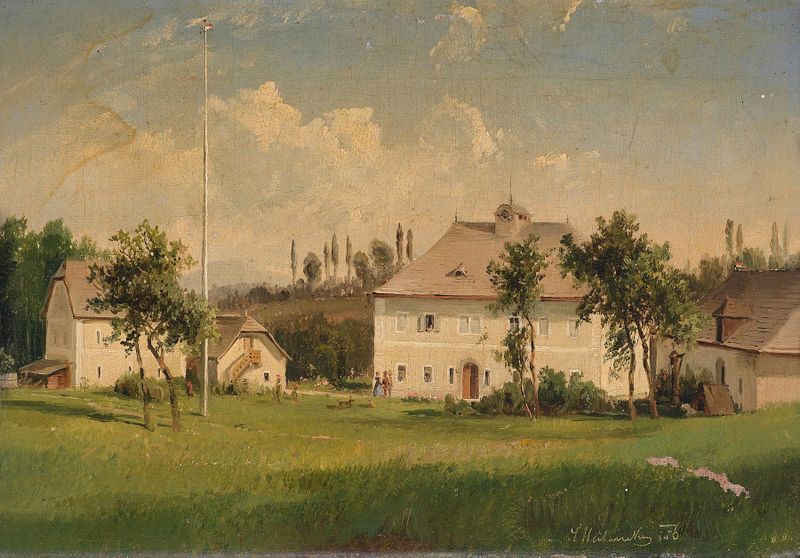
Blick auf einen Gutshof
Ludwig Halauska

Blick auf das Dorf Tutschach bei Aflenz
Ludwig Halauska
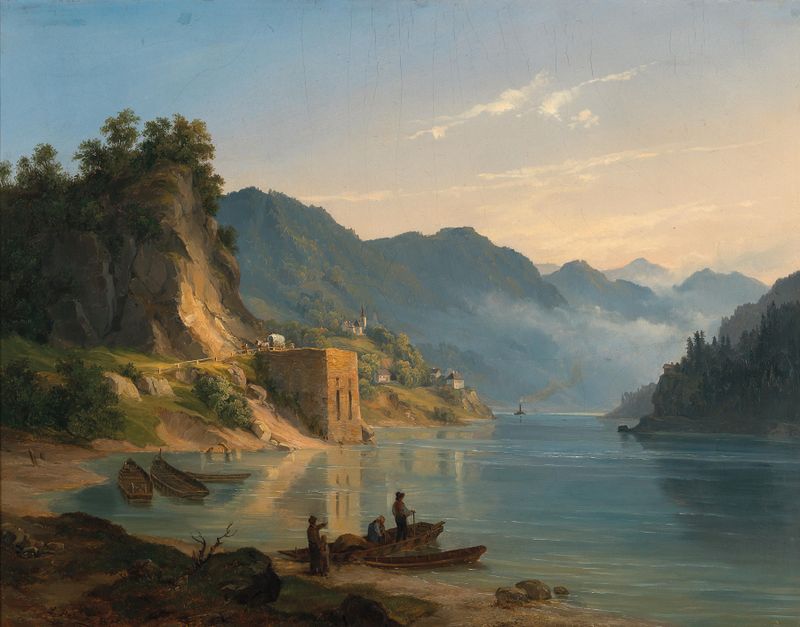
St. Nikola im Strudengau
Ludwig Halauska

Blick auf das Dorf Tutschach bei Aflenz mit dem Jauringbach im Vordergrund
Ludwig Halauska

Landschaft bei Flintsbach am Inn
Ludwig Halauska
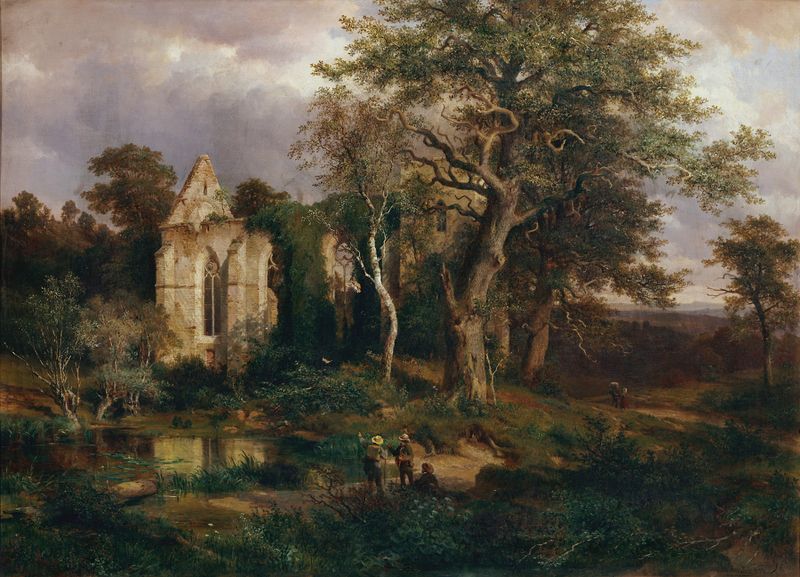
Kirchenruine
Ludwig Halauska

Partie aus Mittenwald am Karwendelgebirge
Ludwig Halauska

Sommerlandschaft
Ludwig Halauska





