
A Scene on the English Coast — History & Facts
Is this a mirror — or a memory? In A Scene on the English Coast, the tumultuous waves crash against jagged cliffs, blurring the boundaries between reality and the tumult of the mind. The undulating water seems to echo a fraying sanity, inviting us to lose ourselves in its depths as we ponder the fragility of perception. Look to the foreground, where the painter’s masterful brushstrokes conjure a tempest that dances in swirls of blues and greys. Notice how the light breaks through the clouds, illuminating patches of violent white foam while casting the rocky outcrops into shadow.
The horizon subtly pulls the eye, a line of demarcation between chaos and calm—Turner's composition teeters on the edge of both, reflecting an internal struggle as much as a coastal tableau. Here, contrasts are rife. The turbulent sea suggests madness, while the distant horizon represents a tranquil resolution just out of reach. The interplay of light and dark creates a visual dialogue, revealing not only the ferocity of nature but also hinting at the artist's own existential battles.
Each wave carries a whisper of suppressed emotion, evoking a sense of melancholy that resonates deeply within the viewer. Turner painted this work during a period of profound personal and artistic transformation, possibly in the early 1830s. At this time, he was grappling with the shift in the art world towards impressionism, while simultaneously facing the loss of loved ones. The merging of nature with human emotion in his work reflects his desire to capture not just a scene, but the essence of fleeting moments—an exploration of beauty amidst chaos.
More Artworks by Joseph Mallord William Turner
Browse all →
Dort or Dordrecht- The Dort Packet-Boat from Rotterdam Becalmed
Joseph Mallord William Turner
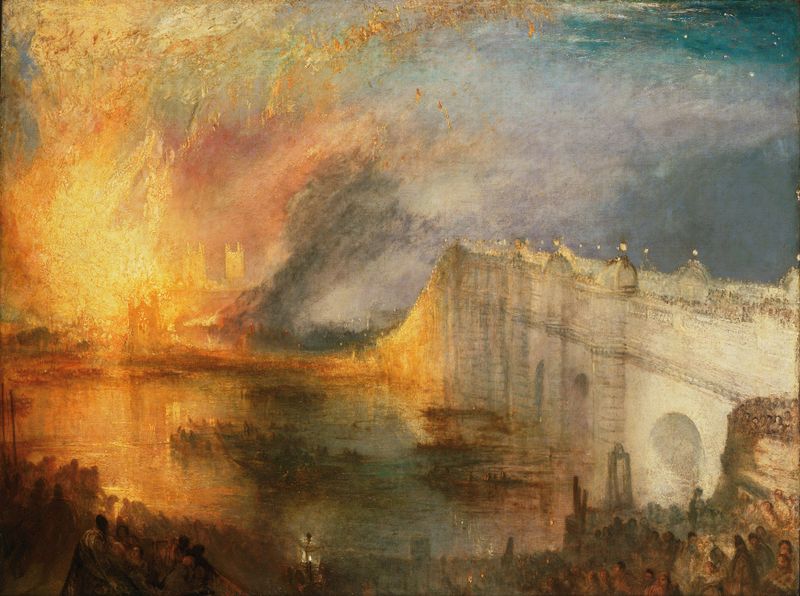
The Burning of the Houses of Lords and Commons, October 16, 1834
Joseph Mallord William Turner
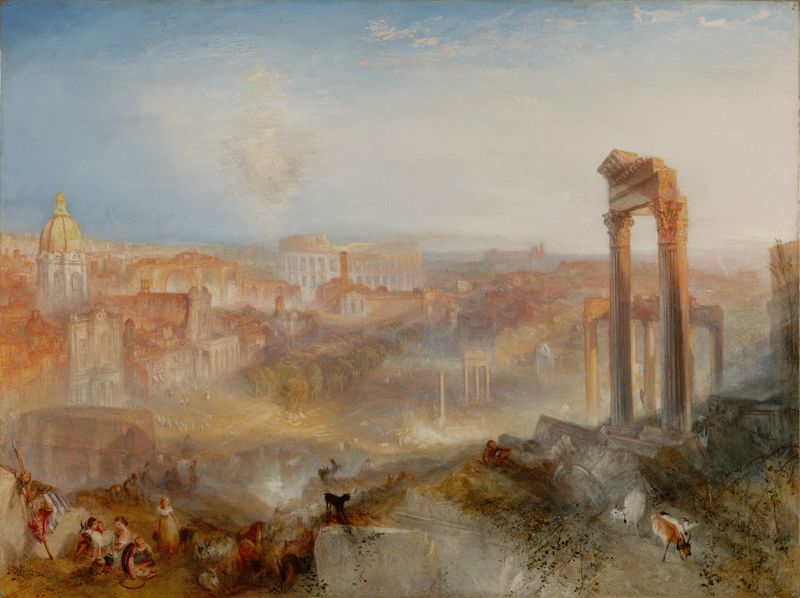
Modern Rome – Campo Vaccino
Joseph Mallord William Turner
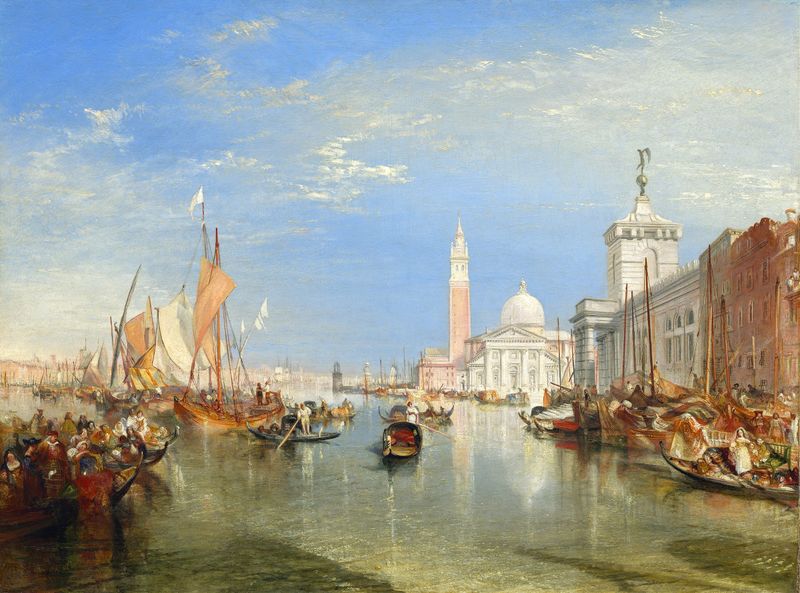
Venice – The Dogana and San Giorgio Maggiore
Joseph Mallord William Turner

The Burning of the Houses of Lords and Commons, 16 October 1834
Joseph Mallord William Turner
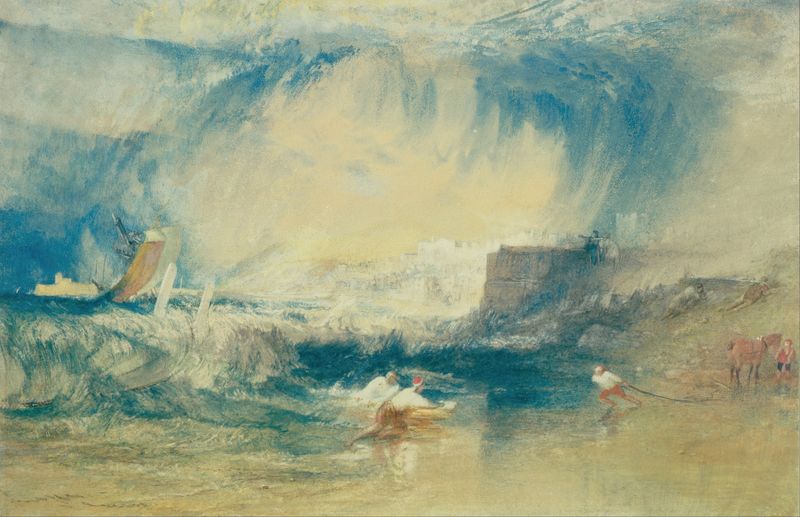
Lyme Regis, Dorsetshire, England
Joseph Mallord William Turner
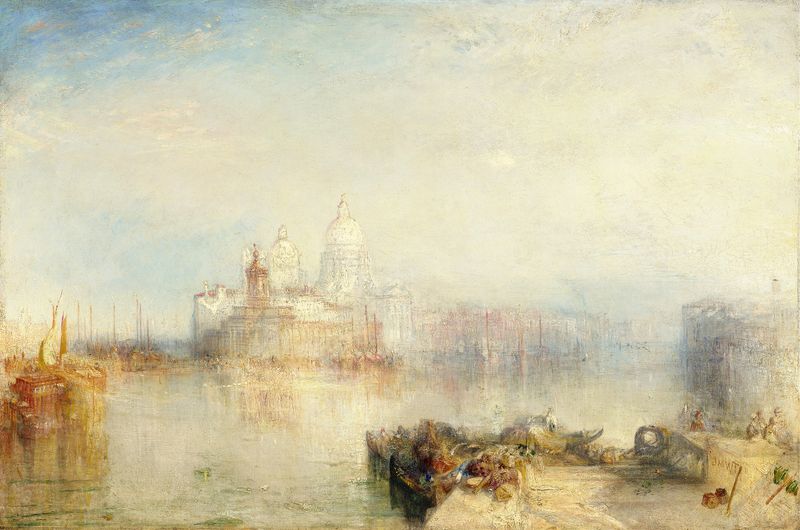
The Dogana and Santa Maria della Salute, Venice
Joseph Mallord William Turner
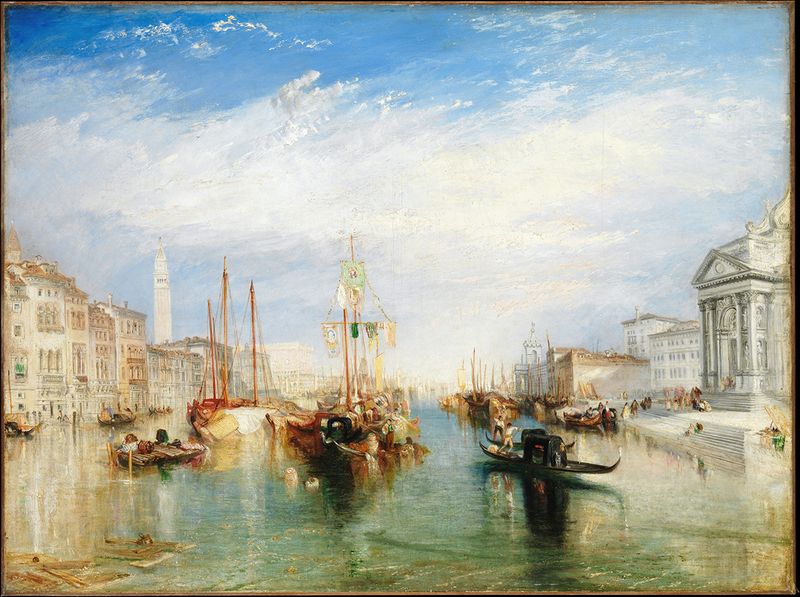
Venice, from the Porch of Madonna della Salute
Joseph Mallord William Turner
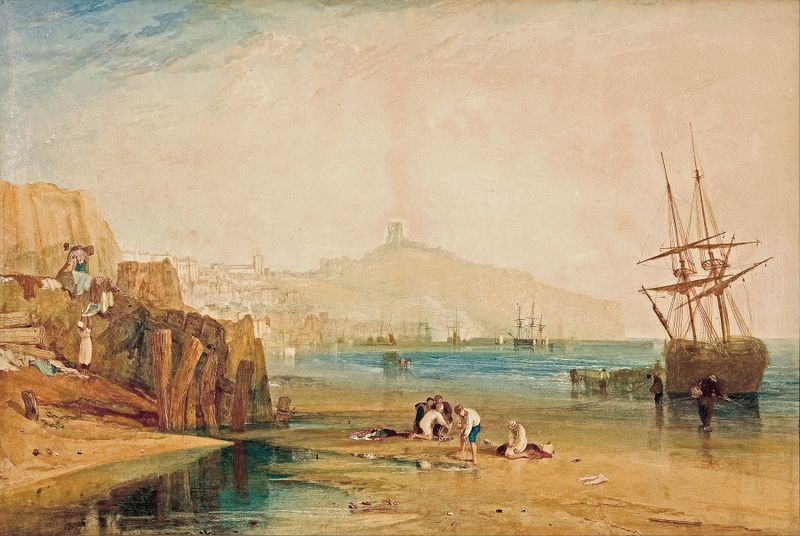
Scarborough town and castle; morning; boys catching crabs
Joseph Mallord William Turner
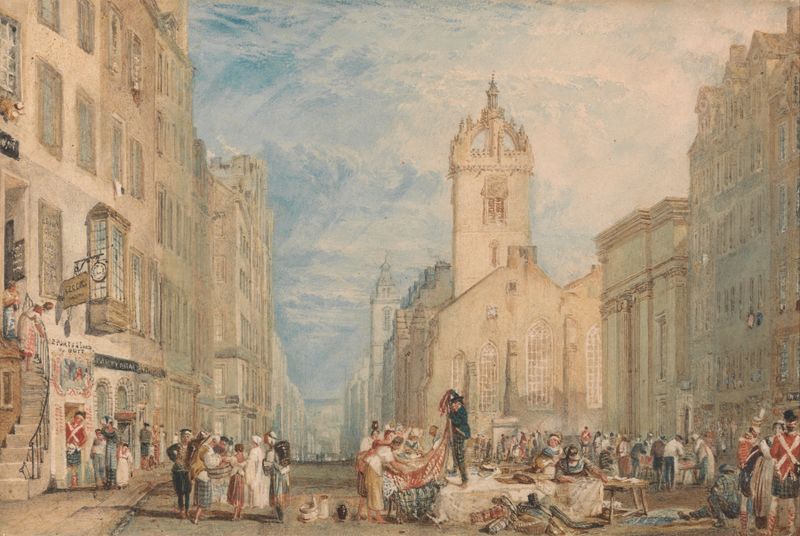
High Street, Edinburgh
Joseph Mallord William Turner




