A scholar in his study — History & Facts
When did color learn to lie? Each hue whispers secrets, concealing truths just beyond the visible spectrum, and perhaps this is the fear of knowledge—its power to deceive as much as it reveals. Focus on the figure seated at the desk, an embodiment of contemplation. The rich, earthy tones of the woodwork and his deep robe create a profound contrast against the pale light that spills softly through an unseen window. Notice how his fingers tremble near an open book, the pages catching the light, almost as if they hold secrets too weighty for the scholar's fragile grasp.
The chiaroscuro technique enhances the drama, illuminating his face and hinting at an inner turmoil that words cannot express. Delve deeper into the painting's emotional landscape. The scholar’s furrowed brow and tightly clenched mouth reveal a tension between enlightenment and dread, perhaps an apprehension of what knowledge may unravel. The shadows lurking in the corners of the room evoke a sense of isolation, suggesting that the pursuit of wisdom often leads to solitude.
The open book, a bridge between self and truth, becomes a source of both enlightenment and anxiety, pointing to the eternal struggle between intellectual curiosity and the fear of what lies beneath the surface. Created around 1652 amid the flourishing of the Dutch Golden Age, the artist was grappling with both personal and artistic challenges. During this time, Rembrandt was exploring the complexity of human emotion and experience in his work. This piece, painted in Amsterdam, reflects not only his mastery of light and shadow but also his deep empathy for the human condition, a hallmark of his evolving style and philosophic inquiry.
More Artworks by Rembrandt van Rijn
Browse all →
The Night Watch Militia Company of District II under the Command of Captain Frans Banninck Cocq
Rembrandt van Rijn

The Return of the Prodigal Son
Rembrandt van Rijn

The Hundred Guilder Print: the figures leaning on the wall in the centre left
Rembrandt van Rijn

The Hundred Guilder Print: the central piece with Christ preaching, the plate arched
Rembrandt van Rijn

Isaac and Rebecca, Known as ‘The Jewish Bride’
Rembrandt van Rijn
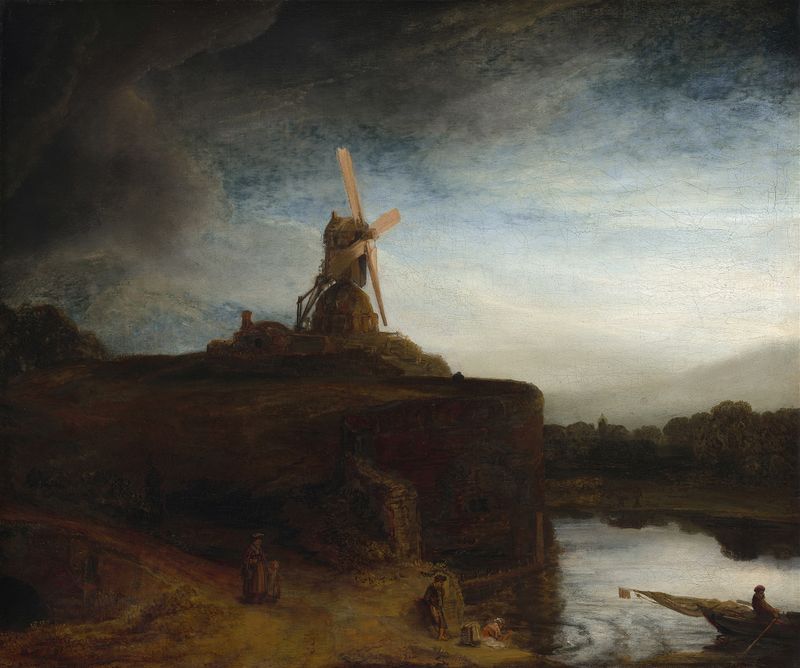
The Mill
Rembrandt van Rijn

The Sampling Officials of the Amsterdam Drapers’ Guild, Known as ‘The Syndics’
Rembrandt van Rijn

The return of the prodigal son
Rembrandt van Rijn
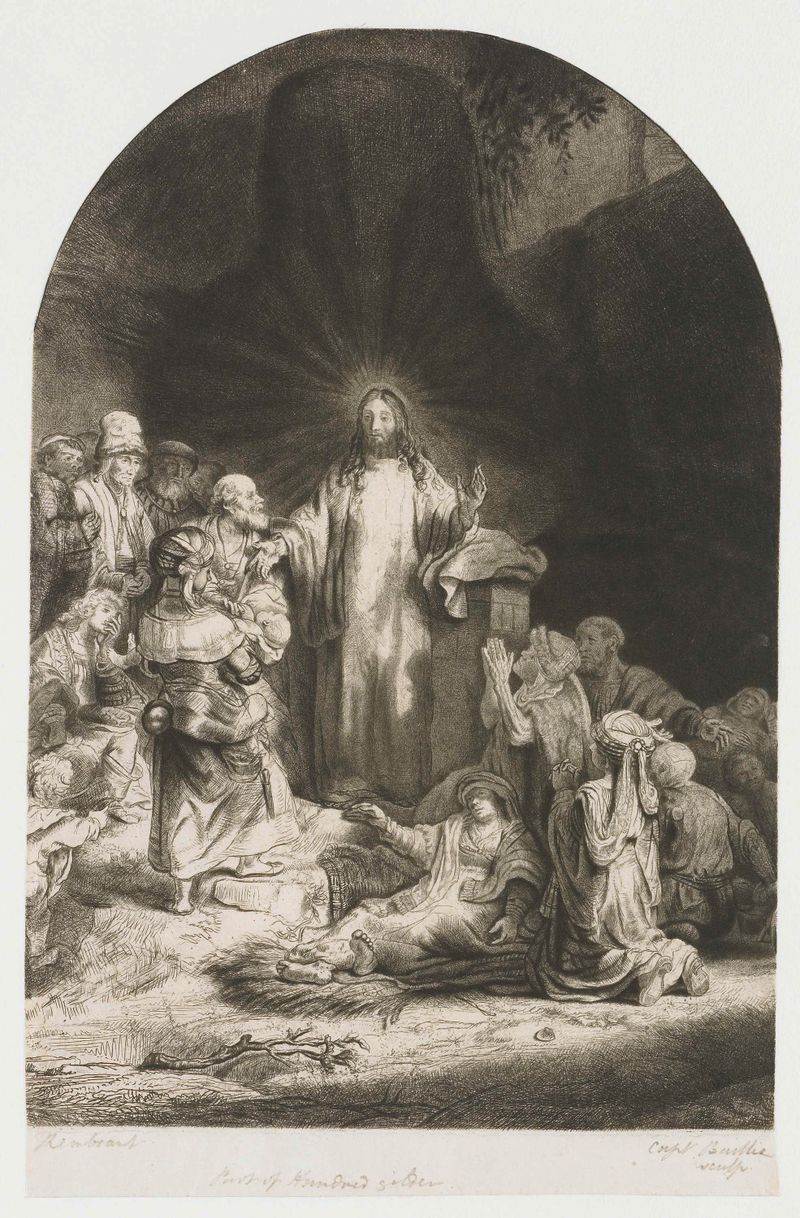
The Hundred Guilder Print: the central piece with Christ preaching, the plate arched
Rembrandt van Rijn

The Hundred Guilder Print: the man seen on the back in the lower left corner
Rembrandt van Rijn