
A sheperdess with her flock in a mountainous landscape — History & Facts
What draws the eye first is the hush of a mountain morning, where a young shepherdess cradles a lamb in her arms, half-shadowed beneath ancient trees. The light slips in from the left, gilding the goat’s white coat and catching the russet of the resting cow, while the shepherdess herself seems almost to emerge from the earth, her face turned gently toward her charge. Each animal is more than a detail—they are actors: the dog alert at her feet, the sheep nuzzling close, the goat pausing mid-step.
The broken trunk in the foreground, tangled with ivy, suggests the wildness and unpredictability of the land, yet the scene is one of calm vigilance, the figures gathered in a moment of rest before the day’s work resumes. The palette moves from the cool blue of distant mountains to the deep greens and browns of the forest floor, inviting the viewer to linger in the quiet transition between wild nature and human care. Painted by Adam Pijnacker around 1650, this work belongs to a Dutch tradition that found poetry in the everyday lives of shepherds and their flocks, often set in imagined Italianate landscapes. In the mid-seventeenth century, such scenes were prized by collectors eager for glimpses of pastoral harmony and the grandeur of untamed nature, filtered through the lens of Dutch realism.
Pijnacker was known for his landscapes, often suffused with dramatic light and careful observation of the natural world, and this painting—now in the Rijksmuseum—captures that blend of observation and idealization. Little is recorded about the journey of this particular canvas, but its survival offers a window into a world where the rhythms of rural life were both familiar and worthy of contemplation. Stand before it, and you may find yourself listening for the distant bleat of a goat or the soft tread of the shepherdess on mossy ground.
More Artworks by Adam Pijnacker

Italianate River Landscape
Adam Pijnacker
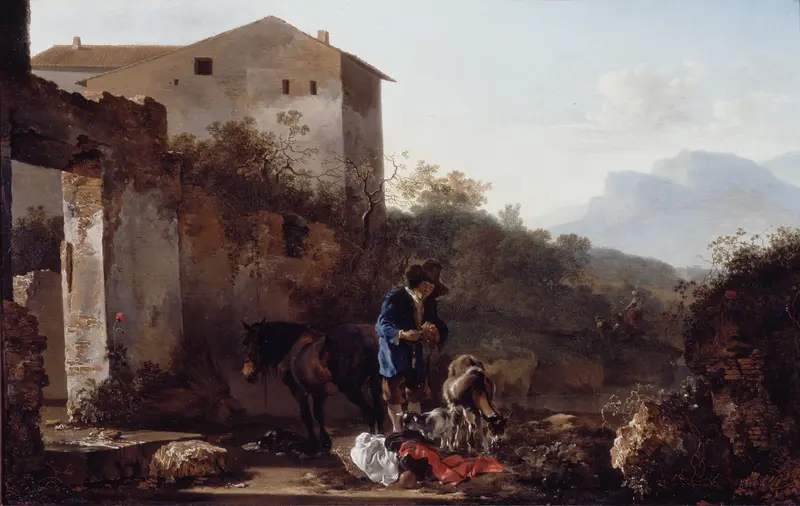
Landscape with a Goatherd
Adam Pijnacker
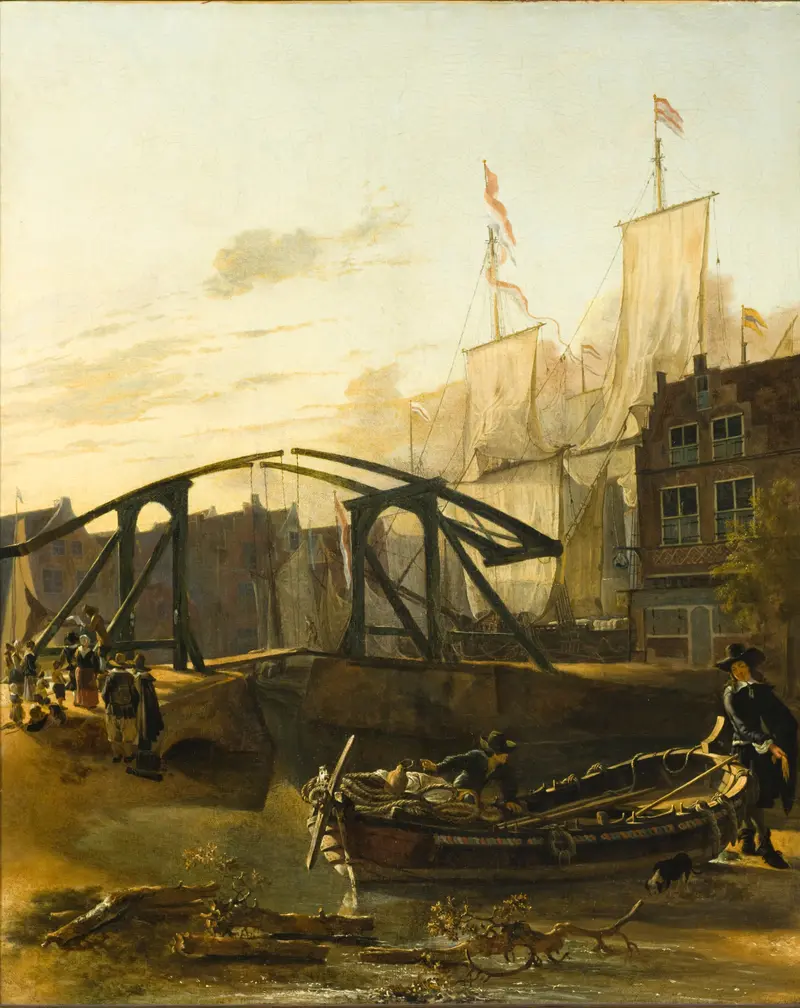
View of a Harbor in Schiedam
Adam Pijnacker
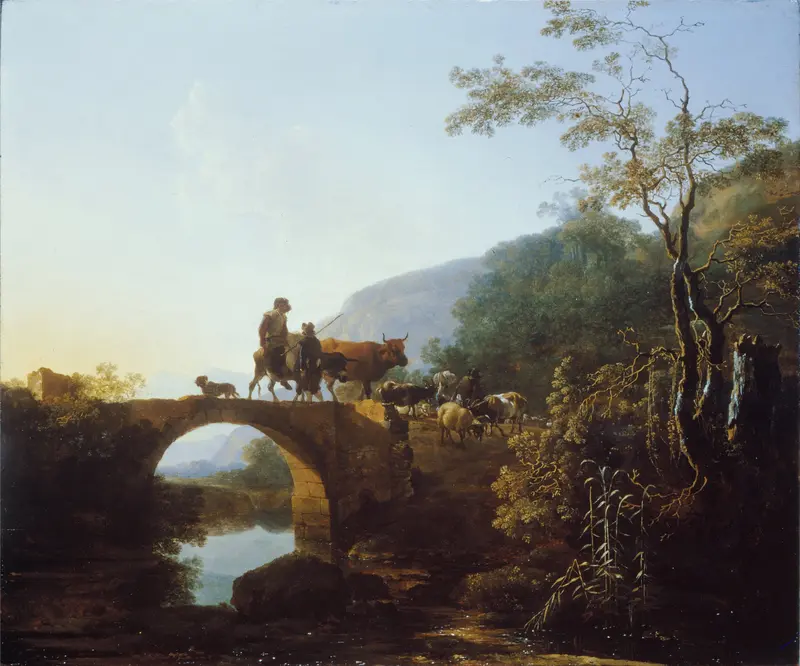
Bridge in an Italian Landscape
Adam Pijnacker
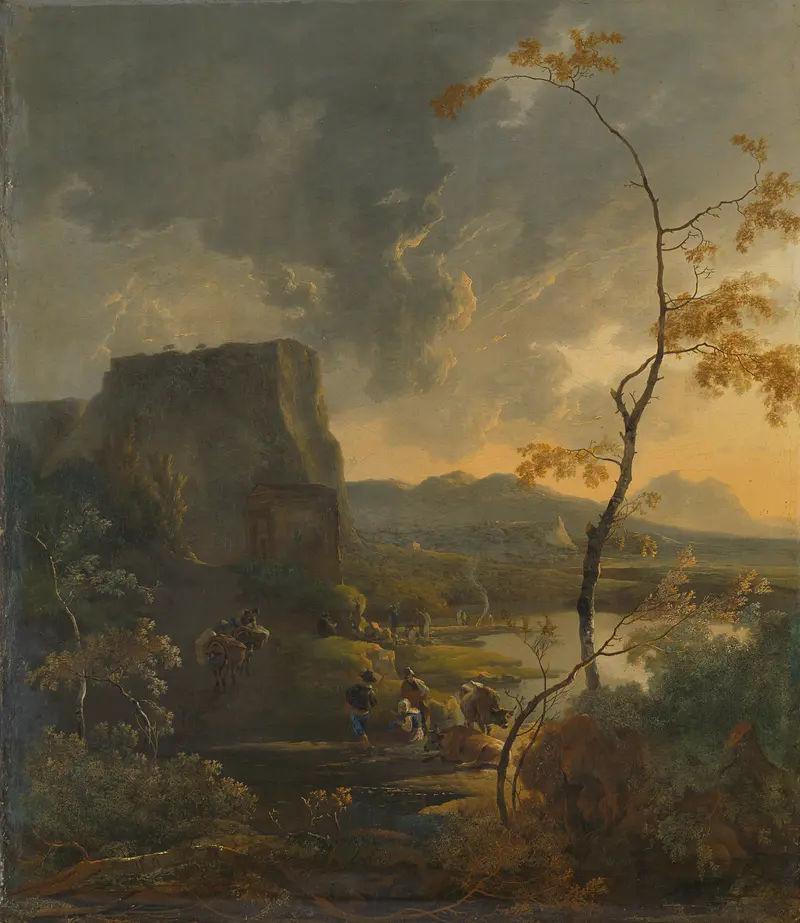
Italian Landscape with Ancient Tempietto
Adam Pijnacker
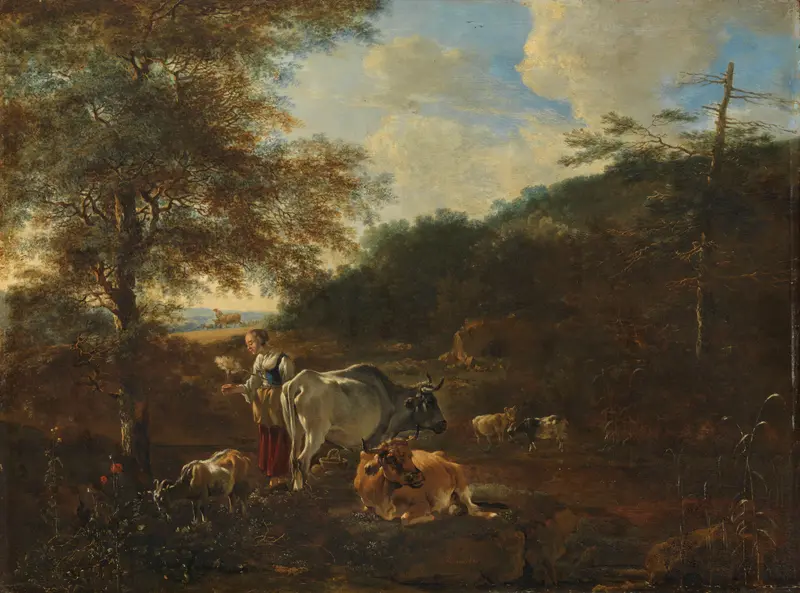
Landscape with cattle
Adam Pijnacker
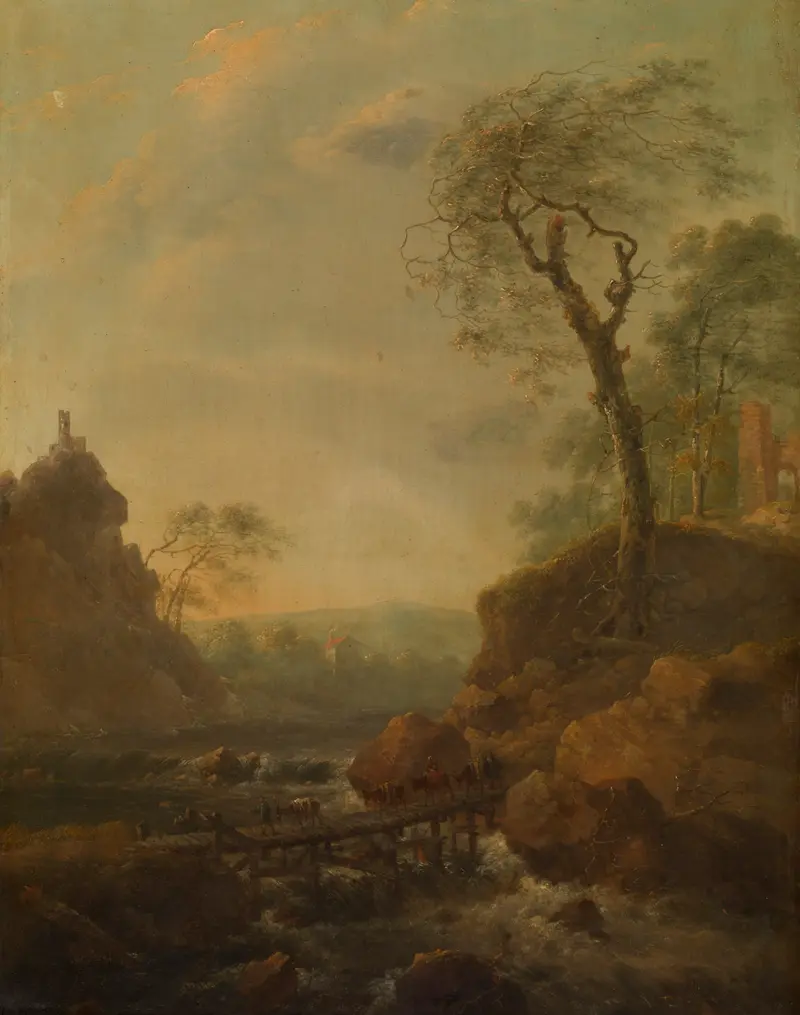
Landscape
Adam Pijnacker
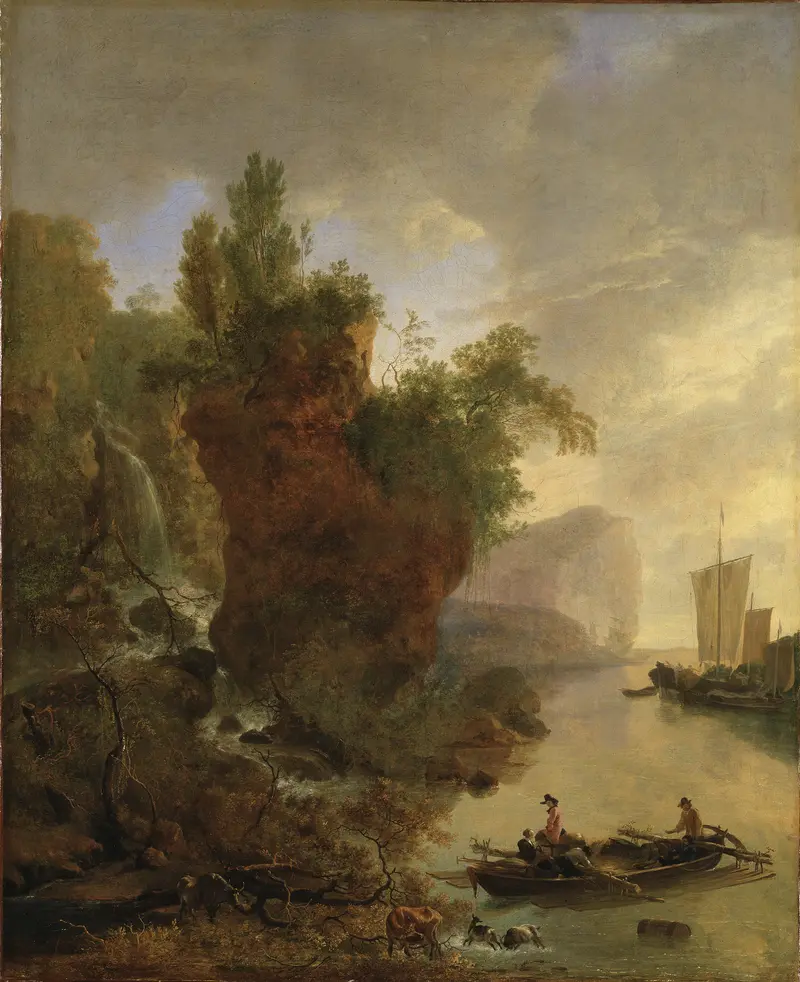
Bay with a Rocky Coast
Adam Pijnacker
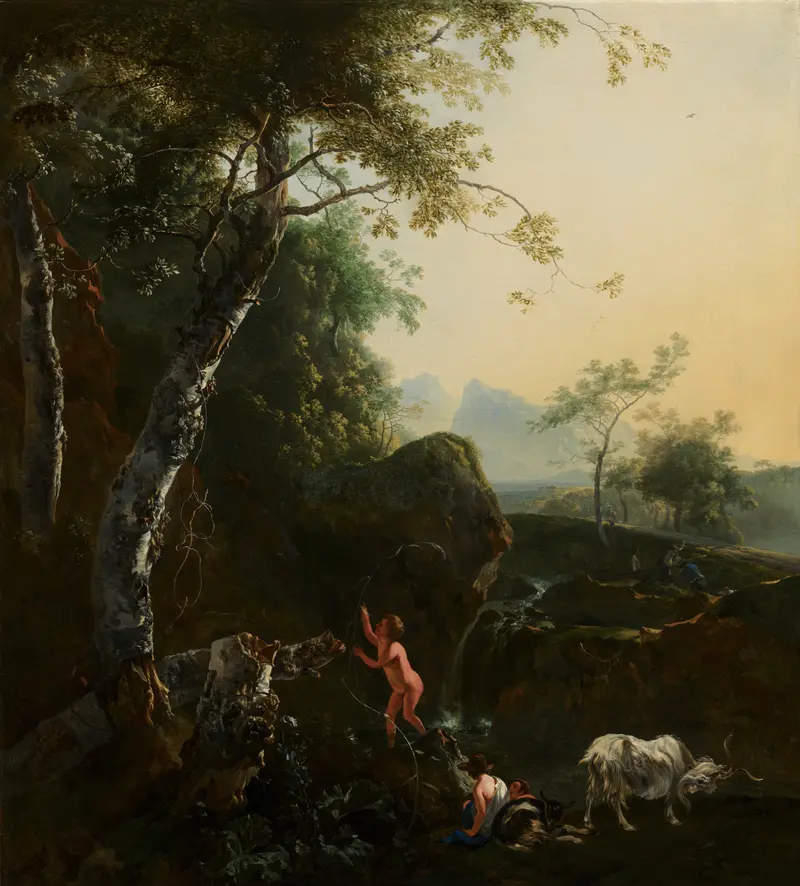
Mountainous Landscape with Waterfall
Adam Pijnacker
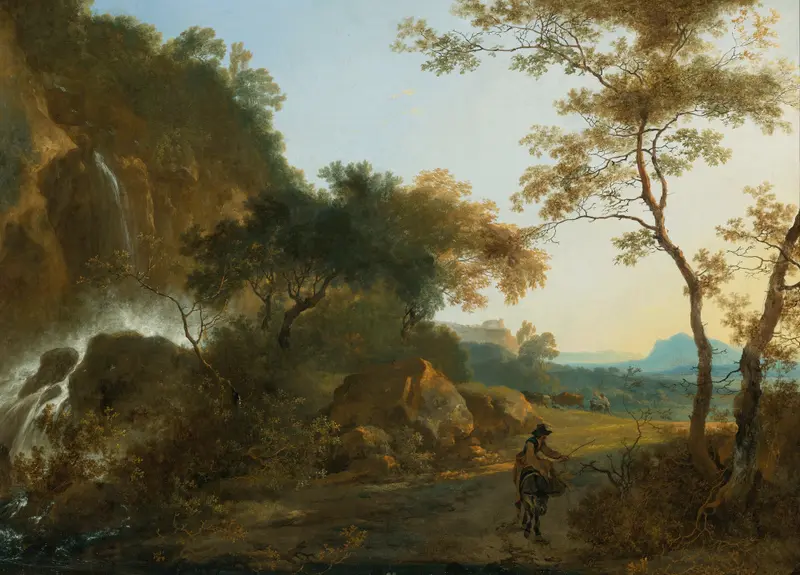
An Italianate Landscape With A Traveller On A Path By A Waterfall
Adam Pijnacker
More Landscape Art

The Starry Night
Vincent van Gogh

View of Delft
Johannes Vermeer

Water Lilies
Claude Monet

The Grand Canal, Venice, looking north-west from the Ca' Corner to the Ca' Contarini degli Scrigni, with the campanile of Santa Maria della Carità
Canaletto

Windsor Castle
Canaletto

The Grand Canal looking North-East from the Palazzo Dolfin-Manin to the Rialto Bridge
Canaletto