
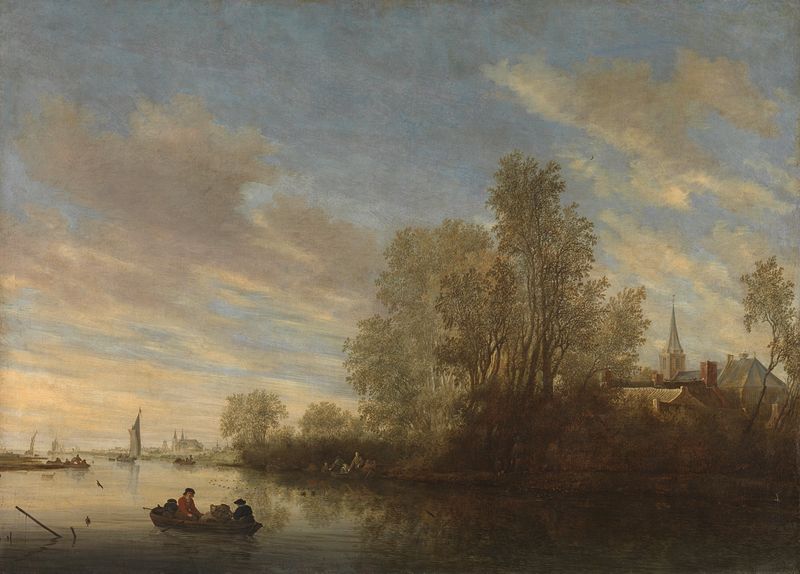
A smalschip in an estuary with two fishermen in the foreground — History & Facts
When did color learn to lie? Beneath the surface of every painted scene lies a truth that often escapes our notice, a revolution waiting to be unveiled. Look to the center of the canvas, where the modest smalschip drifts gently in the estuary, its wooden hull kissing the water's edge. Pay attention to the fishermen in the foreground, their figures framed by the verdant hues of the landscape. The masterful interplay of light and shadow reveals the textures of their weathered skin, suggesting both toil and resilience amidst the tranquility of nature.
Soft, muted tones dominate the scene, elevating the serenity while subtly hinting at the struggles of those who depend on the water. As you immerse yourself deeper, consider the juxtaposition of nature's beauty and human labor. The fishermen's stoic expressions speak volumes, hinting at the silent battles they face in their daily lives. Note the contrast between the calm water and the turbulent skies above, evoking a sense of uncertainty and anticipation, as if nature itself holds its breath, waiting for a shift.
This tension between harmony and struggle resonates throughout the painting, inviting viewers to reflect on the relationship between mankind and the elements. Created during the Dutch Golden Age, the artist captured this moment when the maritime economy flourished, signifying both prosperity and vulnerability. Though the exact date of this work remains unknown, the period was marked by innovation in art and trade. With a deep engagement in landscape painting, the artist contributed significantly to the genre, reflecting the era's complex relationship with both nature and commerce.
More Artworks by Salomon van Ruysdael
Browse all →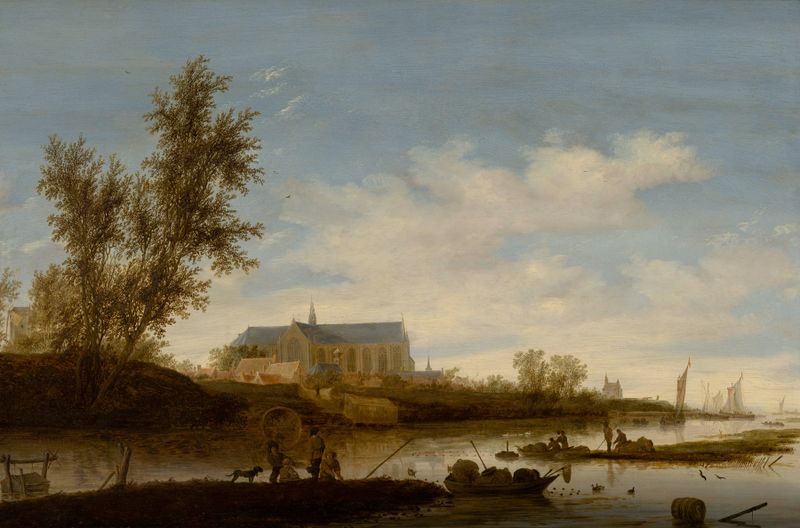
River landscape with fishermen in the foreground, the Laurenskerk in Alkmaar beyond
Salomon van Ruysdael

River Landscape with a View of Naarden
Salomon van Ruysdael
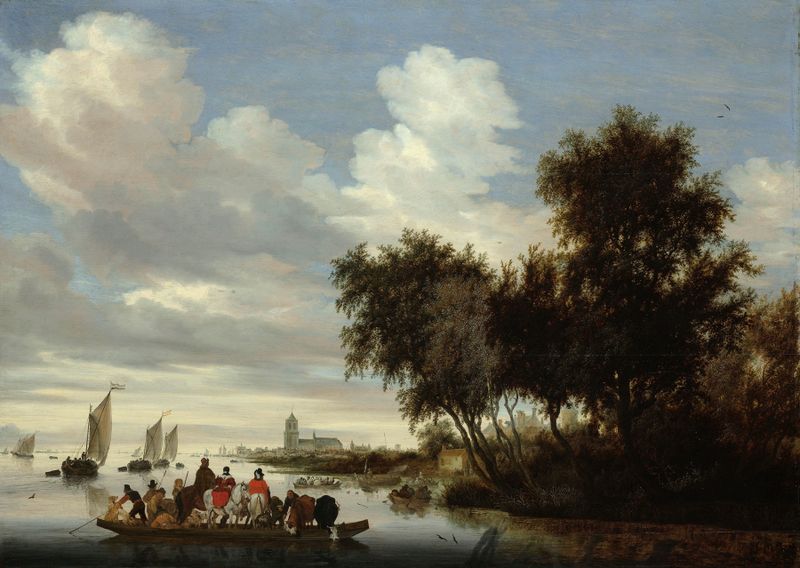
River Landscape with Ferry
Salomon van Ruysdael
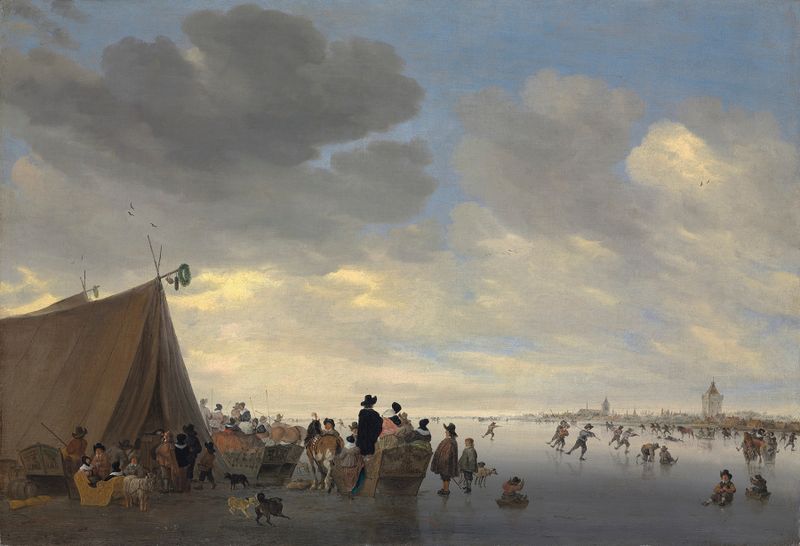
Skaters on the frozen river Lek, the town of Vianen beyond
Salomon van Ruysdael
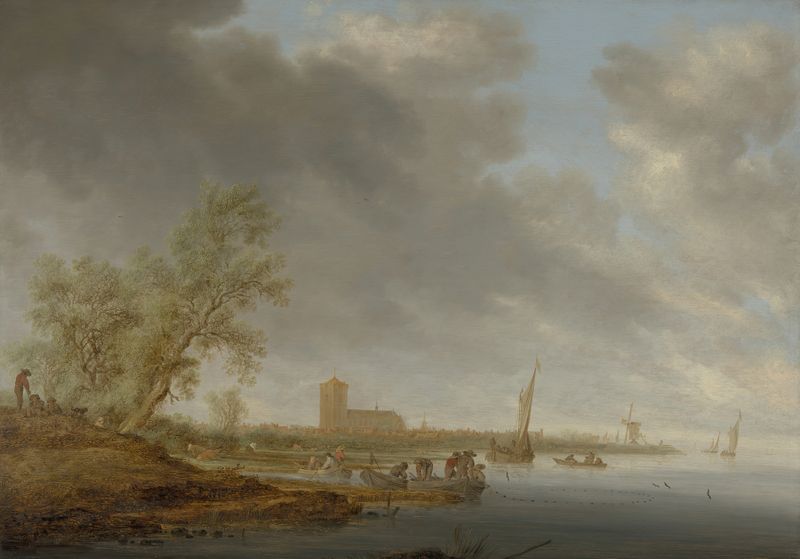
River Landscape with a View of Naarden
Salomon van Ruysdael
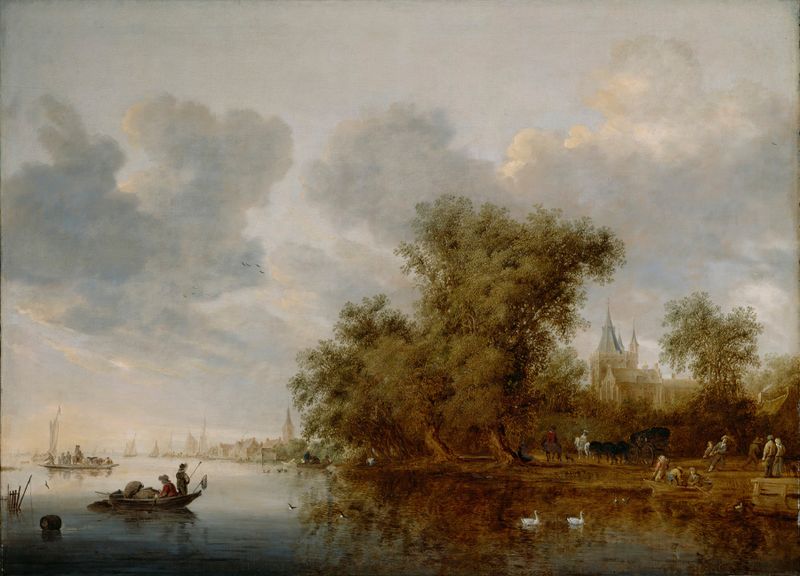
River Landscape
Salomon van Ruysdael
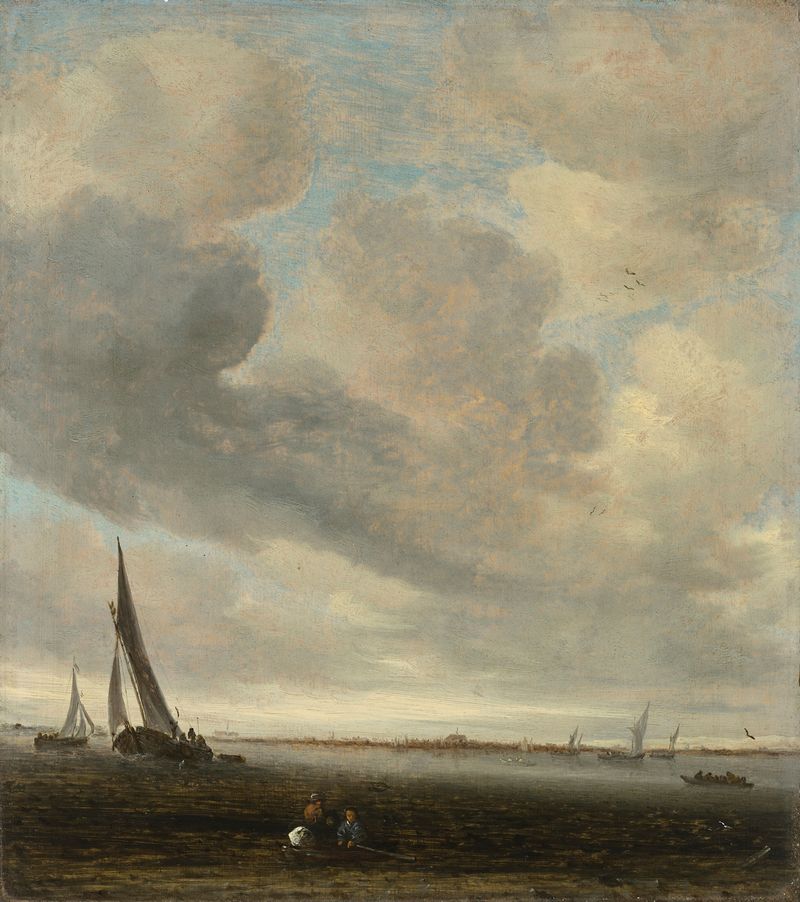
An estuary scene with a distant view of Haarlem
Salomon van Ruysdael
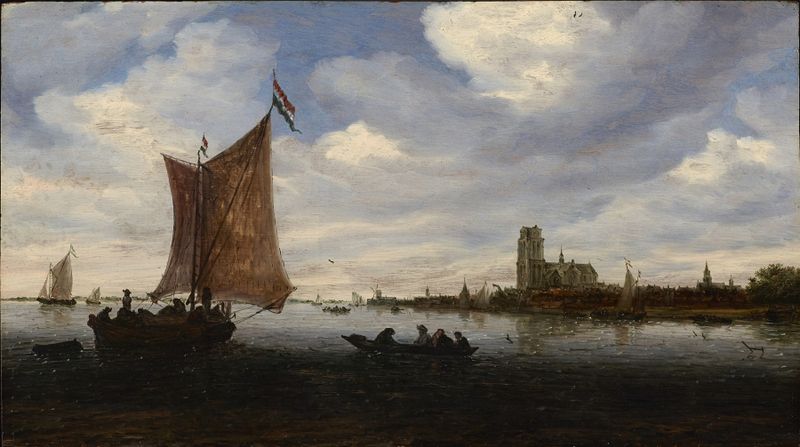
View of Dordrecht
Salomon van Ruysdael
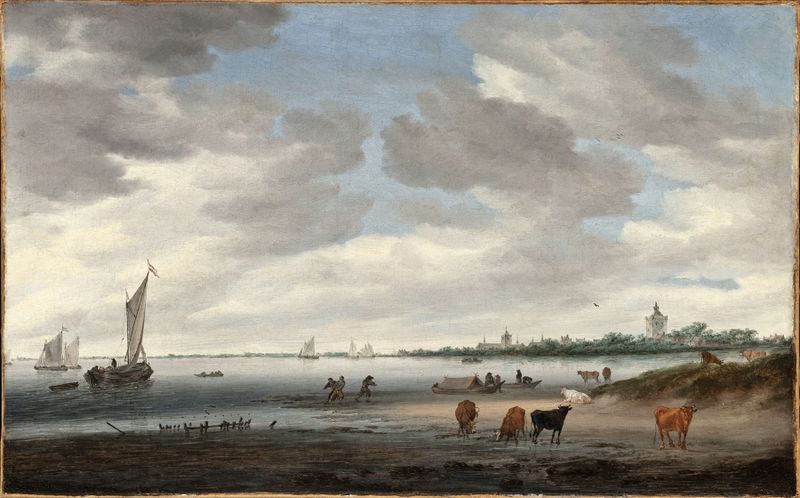
View of the River Lek and the Town of Vianen
Salomon van Ruysdael
River View near Deventer
Salomon van Ruysdael





