
A South Carolina Cabin — History & Facts
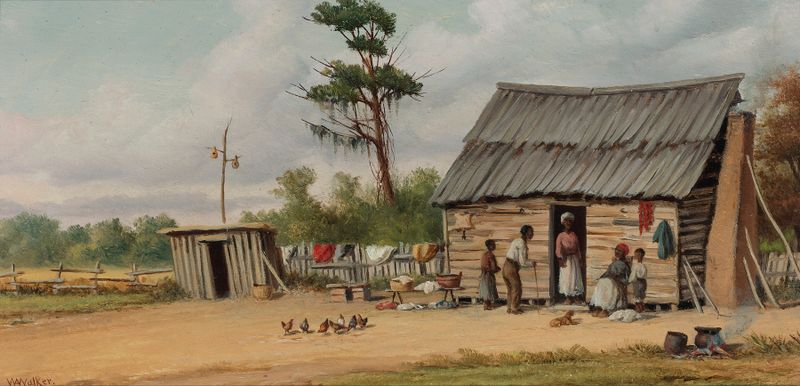
This sentiment lingers in the air, echoing the quiet sorrow that resides within the heart of a home. A humble cabin, steeped in the weight of time, stands as a testament to resilience and loss, its weathered façade whispering stories of those who once sought solace within its walls. Look to the center of the canvas, where the cabin's unvarnished wood tells tales of the elements it has withstood. The earth tones, rich browns and muted greens, paint a scene grounded in the natural world, drawing the eye to the delicate interplay of light and shadow that caresses the structure.
Notice how the soft glow of a fading sun casts elongated shadows, enhancing the sense of nostalgia, while thick foliage encircles the cabin, almost as if it's cradling the memory of lives lived and loved within. The juxtaposition of the sturdy cabin against the surrounding wilderness elicits a profound tension—stability amidst the wild unpredictability of life. Each crevice and surface imperfection hints at past hardships, the forgotten laughter echoing in the stillness. The painter’s choice to spotlight the cabin invites reflections on the passage of time, evoking the universal experience of loss that ties us all to the land and to each other. In the midst of the late 19th century, William Aiken Walker painted this work in South Carolina during a period characterized by social change and the fading echoes of the Civil War.
As the region grappled with its past, Walker's focus on evocative landscapes and structures mirrored the sentiments of a society in transition, seeking both identity and healing through the simplicity of the everyday.
More Artworks by William Aiken Walker
Browse all →
Louisiana Cabin Scene
William Aiken Walker
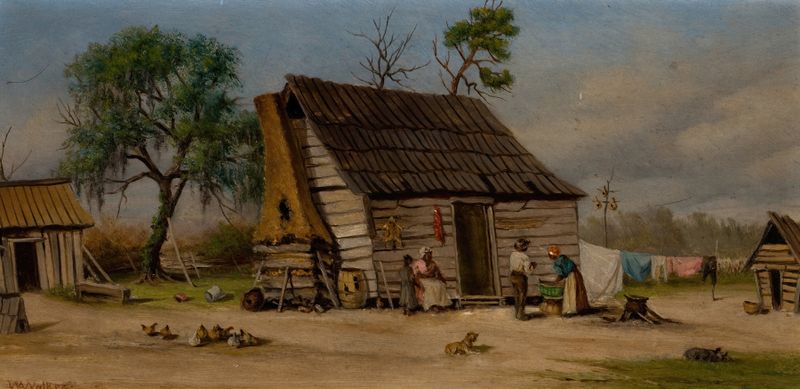
Cabin Scene
William Aiken Walker

Cabin Scene
William Aiken Walker

Cabin Scene, Wash Day
William Aiken Walker

Sharecroppers Gathering in the Yard
William Aiken Walker
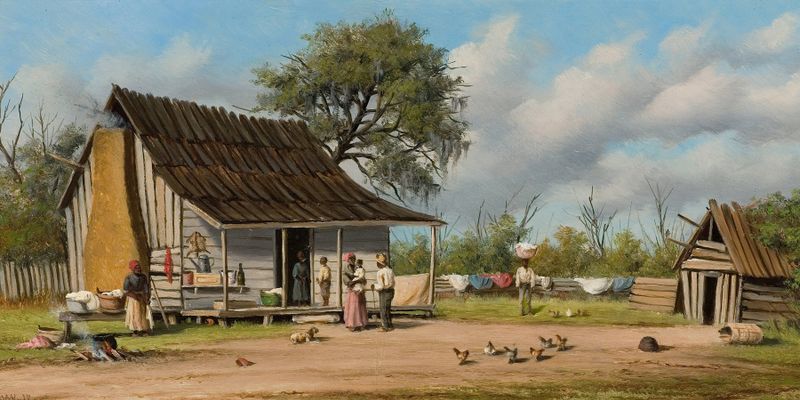
Cabin Scene
William Aiken Walker
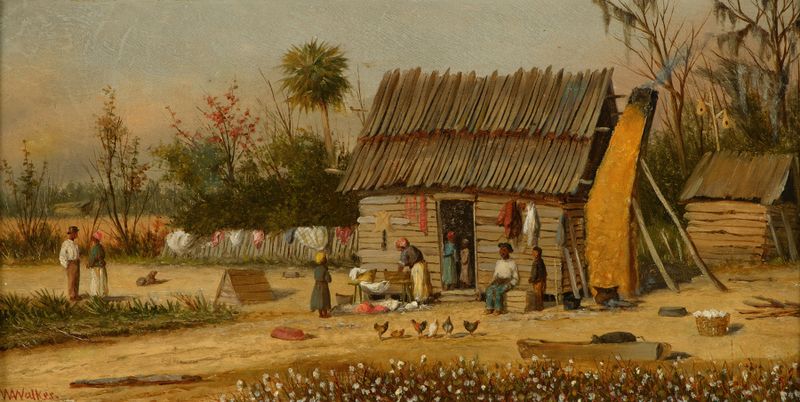
Wash Day
William Aiken Walker
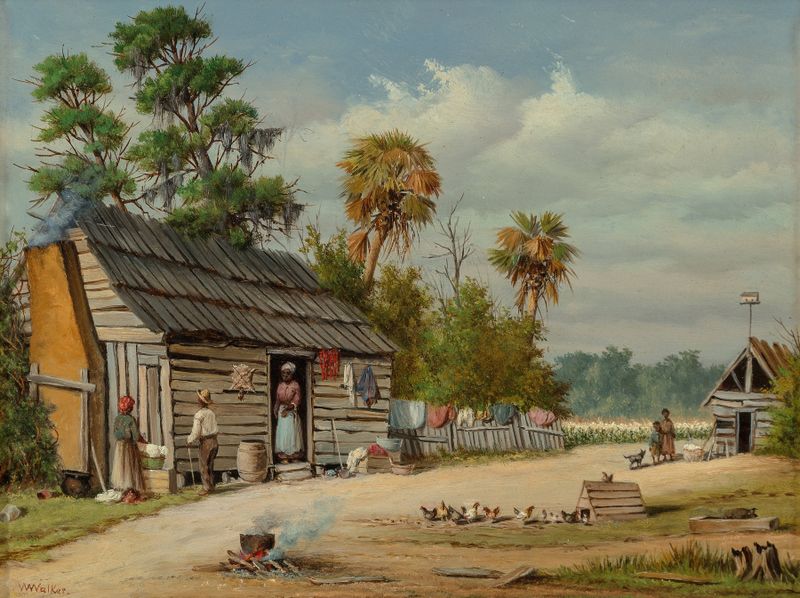
Cabin
William Aiken Walker
The Old Cabin
William Aiken Walker

Cabin Scene
William Aiken Walker
More Architecture Art
Browse all →
The statue of Liberty
Frédéric Auguste Bartholdi

View of Houses in Delft, Known as ‘The Little Street’
Johannes Vermeer

View of Houses in Delft, Known as ‘The Little Street’
Johannes Vermeer

The Cathedral in Rouen. The portal, Grey Weather
Claude Monet

The yellow house
Vincent van Gogh

The Church in Auvers-sur-Oise, View from the Chevet
Vincent van Gogh