
Cabin Scene — History & Facts
In our hurried lives, we often overlook the quiet moments that cradle our existence, yet they are the essence of serenity. Look to the center of the painting, where a humble cabin stands nestled among trees, warmly bathed in soft, golden light. The juxtaposition of the vibrant greens and browns creates a harmony that feels both inviting and grounding. Notice how the gentle brushwork captures the textures of the wooden walls, while dappled sunlight filters through the branches above, illuminating the rustic charm of the scene. This artwork speaks of stillness, evoking an emotional contrast between the simplicity of rural life and the chaotic world outside its borders.
The cabin, a symbol of refuge, suggests a connection to nature and the past, while the vibrant foliage surrounding it hints at the ever-changing seasons of life. Small details, like the wisps of smoke curling from the chimney, suggest warmth—a life lived at a slower pace, steeped in nostalgia and peace. William Aiken Walker painted this piece during an era when the American landscape was celebrated, capturing the essence of Southern life. The exact date remains uncertain, but his work flourished in the late 19th century, amidst significant changes in the art world.
As the Impressionist movement gained momentum, Walker’s paintings echoed the tranquility of simpler times, reminding viewers of the beauty found in solitude and nature’s embrace.
More Artworks by William Aiken Walker
Browse all →
A South Carolina Cabin
William Aiken Walker

Louisiana Cabin Scene
William Aiken Walker

Cabin Scene
William Aiken Walker

Cabin Scene, Wash Day
William Aiken Walker

Sharecroppers Gathering in the Yard
William Aiken Walker
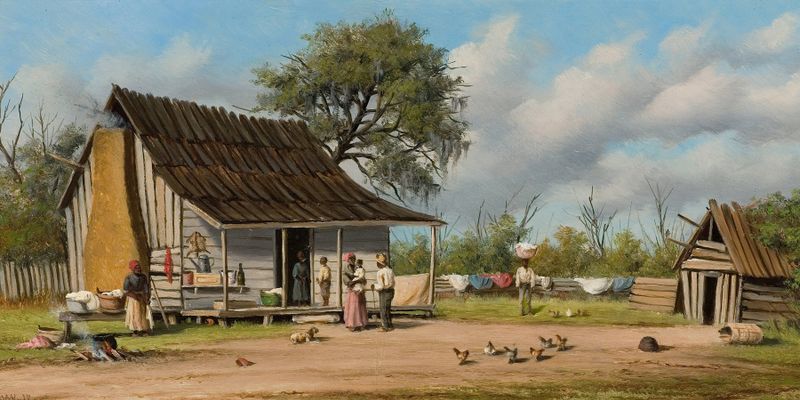
Cabin Scene
William Aiken Walker
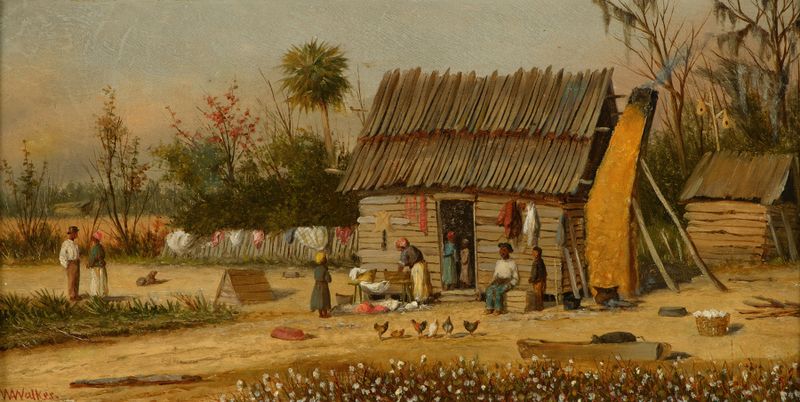
Wash Day
William Aiken Walker
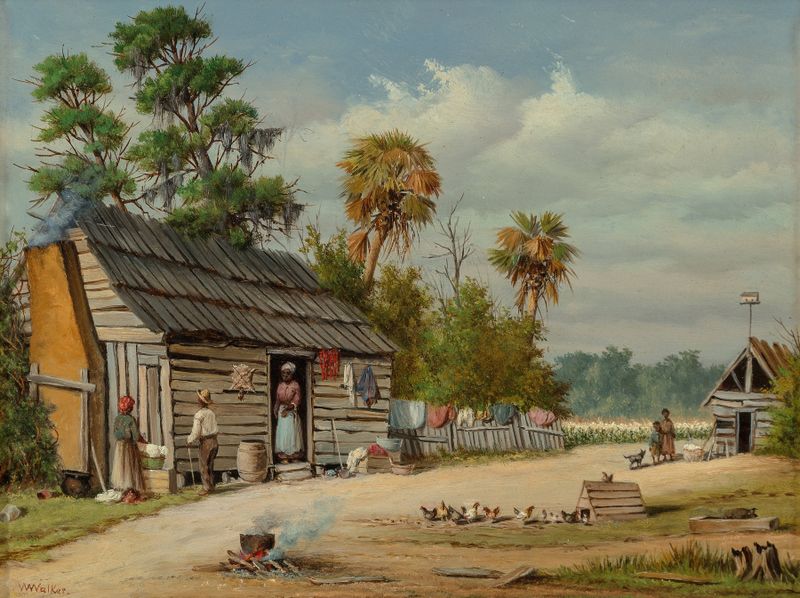
Cabin
William Aiken Walker
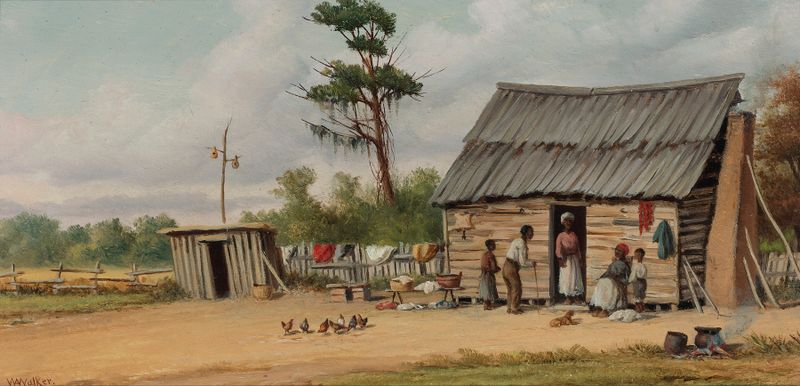
The Old Cabin
William Aiken Walker

Cabin Scene
William Aiken Walker





