
Cabin Scene — History & Facts
Did the painter know this moment would outlive them? The gentle solitude captured within the frame beckons the viewer to linger, revealing the quiet resilience of hope amidst nature’s embrace. Focus your attention on the soft hues of the cabin nestled among the trees. Notice how the sunlight filters through the leaves, casting playful patterns on the weathered wooden walls, inviting warmth and nostalgia. The subtle contrast between the vivid greens and the earthy browns evokes a sense of tranquility, while the tender brushstrokes reveal a connection to both nature and human habitation, creating a sense of harmony. Upon closer inspection, you'll find glimpses of life’s fragility—the delicate way the cabin leans into the landscape, as though it’s absorbing the whispers of the wind.
The surrounding foliage hints at both shelter and solitude, a space where dreams can thrive amidst the simplicity of existence. These details reflect the emotional tension between isolation and the comforts of home, urging us to ponder the stories that unfold within these walls. During this period, the artist was deeply influenced by the American landscape and the burgeoning realism movement, painting scenes that captured the essence of rural life. Working in the late 19th century, he sought to convey the beauty of humble surroundings, signaling a time when art was beginning to embrace the everyday experiences of ordinary people.
This painting, emblematic of those ideals, resonates with an enduring sense of hope that transcends the passage of time.
More Artworks by William Aiken Walker
Browse all →
A South Carolina Cabin
William Aiken Walker

Louisiana Cabin Scene
William Aiken Walker
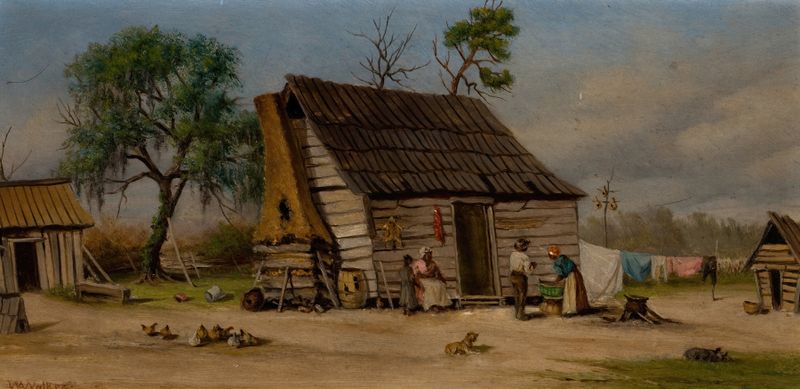
Cabin Scene
William Aiken Walker

Cabin Scene
William Aiken Walker

Cabin Scene, Wash Day
William Aiken Walker

Sharecroppers Gathering in the Yard
William Aiken Walker
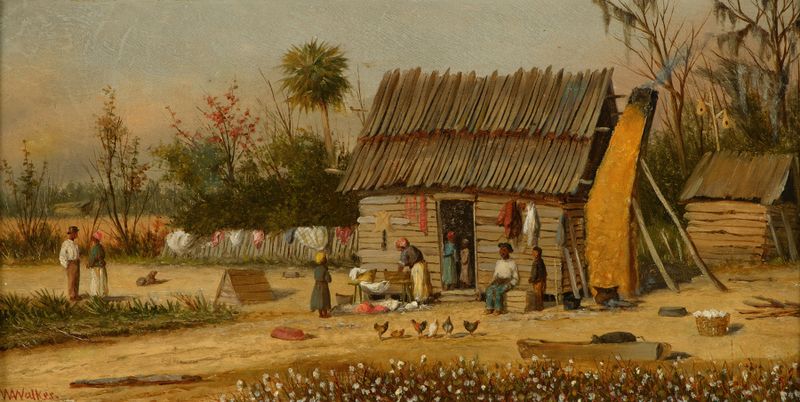
Wash Day
William Aiken Walker
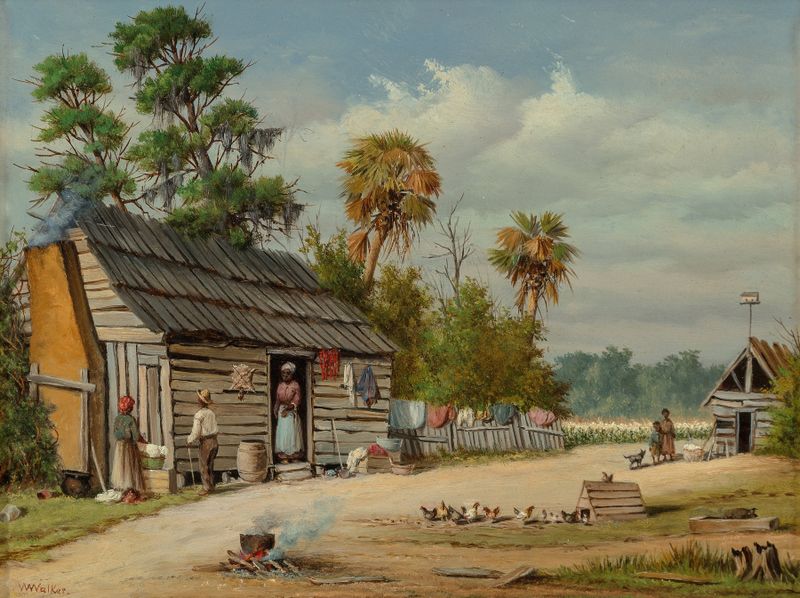
Cabin
William Aiken Walker
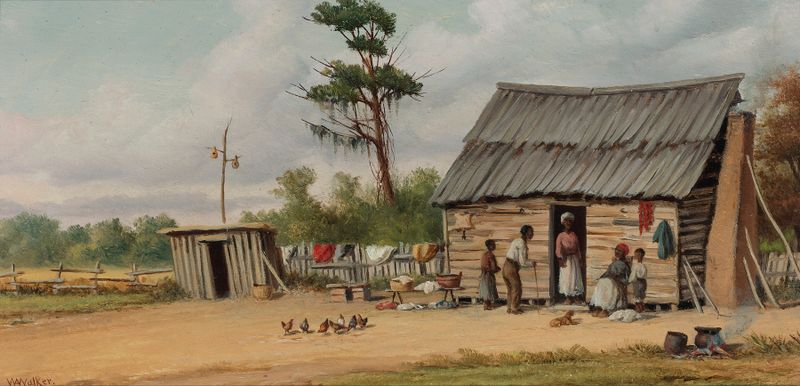
The Old Cabin
William Aiken Walker

Cabin Scene
William Aiken Walker





