
The Old Cabin — History & Facts
In the stillness of forgotten places, yearning breathes life into the untouched remnants of the past. Look to the left at the dilapidated wooden structure, its weathered façade a canvas of peeling paint and subtle shadows that tell stories of survival. Notice how the soft greens of the surrounding foliage contrast with the cabin's earthy hues, evoking a sense of nostalgia and abandonment. The sunlight filters through the trees, casting dappled light that dances upon the ground, illuminating the fragile beauty of nature reclaiming its territory. Hidden meanings whisper from the small details: the sagging roof speaks of years gone by, while the creeping vines suggest a delicate balance between decay and resilience.
The juxtaposition between the vibrant life of the wild and the stillness of the cabin highlights a profound emotional tension—the longing for what once was, and the inevitability of change. Every inch of this scene vibrates with the echoes of human presence, inviting contemplation and connection. William Aiken Walker created this evocative piece during a time when America was experiencing rapid industrialization and urban growth. While he painted in the late 19th century, his focus on rural settings and the simplicity of life in the South reflected a longing for a bygone era.
Surrounded by the transformations of his time, Walker’s work captures a poignant moment, illuminating the intersection of nature, memory, and the human spirit.
More Artworks by William Aiken Walker
Browse all →
A South Carolina Cabin
William Aiken Walker

Louisiana Cabin Scene
William Aiken Walker
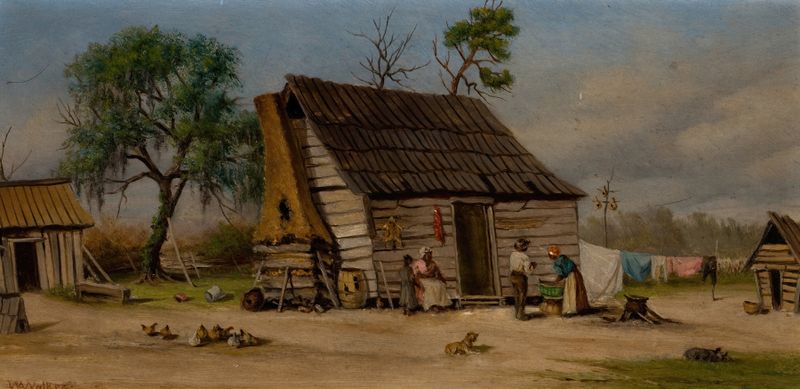
Cabin Scene
William Aiken Walker

Cabin Scene
William Aiken Walker

Cabin Scene, Wash Day
William Aiken Walker

Sharecroppers Gathering in the Yard
William Aiken Walker
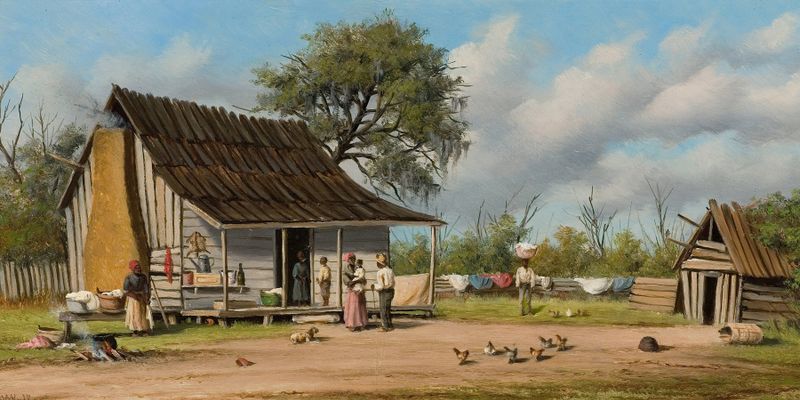
Cabin Scene
William Aiken Walker
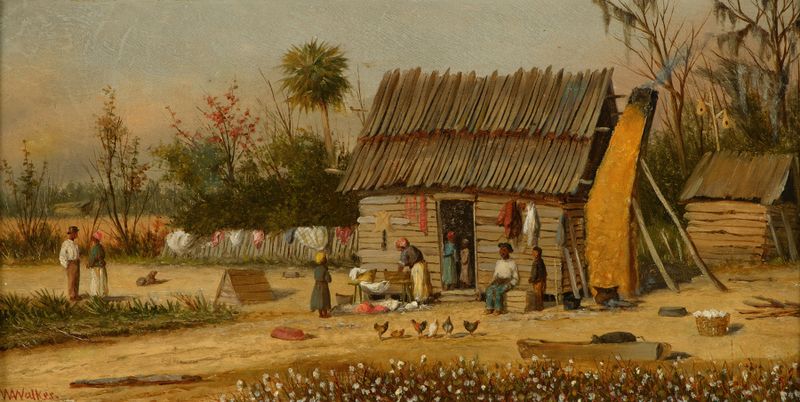
Wash Day
William Aiken Walker
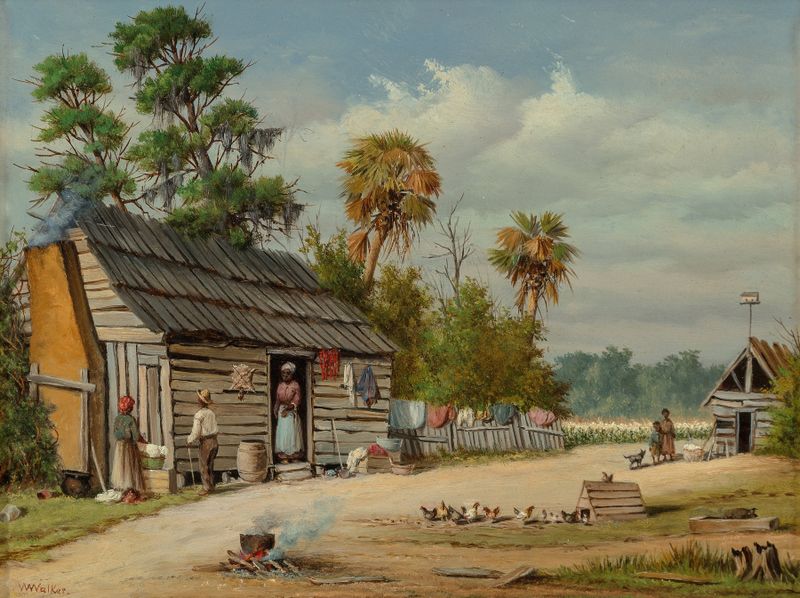
Cabin
William Aiken Walker

Cabin Scene
William Aiken Walker





