
Louisiana Cabin Scene — History & Facts
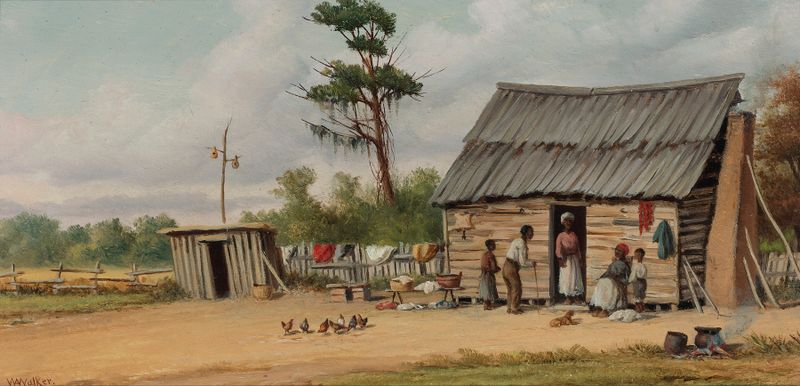
In moments of solitude, we often find reflections that illuminate our deepest truths, and William Aiken Walker's work encapsulates this essence beautifully. Focus on the quiet cabin nestled among the lush greenery; its weathered wood tells tales of resilience. Notice how the soft, dappled light filters through the trees, casting playful shadows that dance across the scene. The rich earthy colors ground the composition, while the contrast between the vibrant foliage and the muted tones of the cabin evokes a sense of harmony between nature and human existence.
It invites the viewer to pause and reflect on the simplicity of life. Delving deeper, one can sense the tension between isolation and community. The cabin, though welcoming, stands alone amidst the vast landscape, symbolizing both comfort and solitude. The gentle sway of the surrounding plants suggests a whisper of life, yet there’s an air of stillness that speaks to the passage of time.
This duality captures the intricate balance of human emotions, where solitude can breed peace or loneliness, a poignant reminder of our connection to nature and ourselves. During the late 19th century, a period rich with artistic exploration, Walker painted this piece while living in the American South. Known for his depictions of rural life and landscapes, he sought to highlight the beauty found in simplicity. It was a time when artists were beginning to move away from grand historical themes toward intimate portrayals of everyday existence, reflecting a shift in society’s values and perceptions.
More Artworks by William Aiken Walker
Browse all →
A South Carolina Cabin
William Aiken Walker
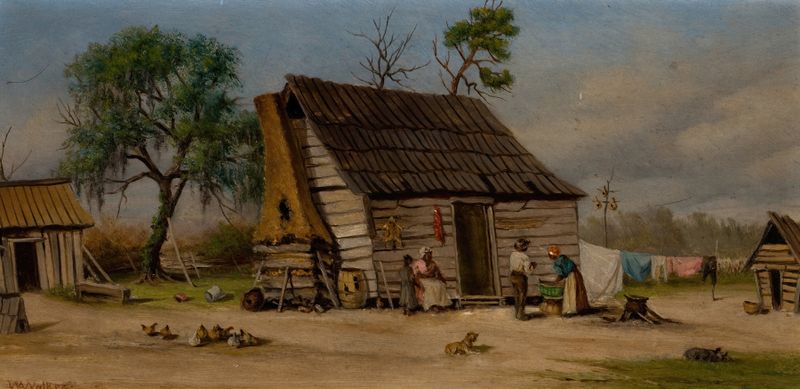
Cabin Scene
William Aiken Walker

Cabin Scene
William Aiken Walker

Cabin Scene, Wash Day
William Aiken Walker

Sharecroppers Gathering in the Yard
William Aiken Walker
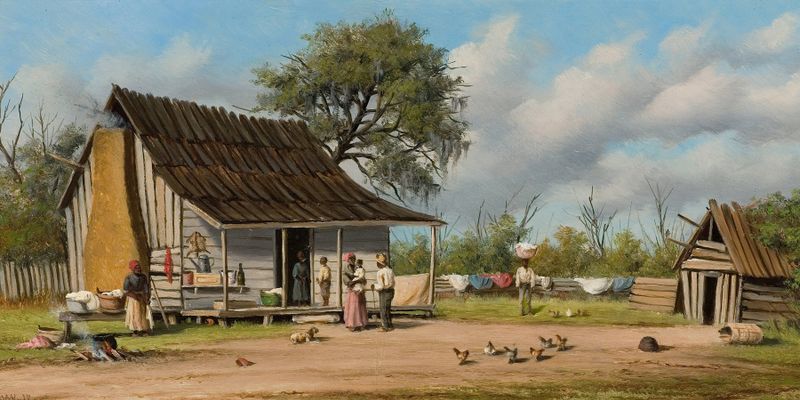
Cabin Scene
William Aiken Walker
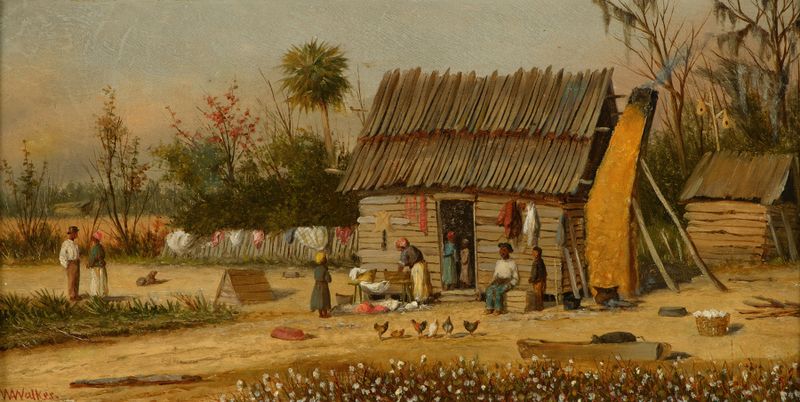
Wash Day
William Aiken Walker
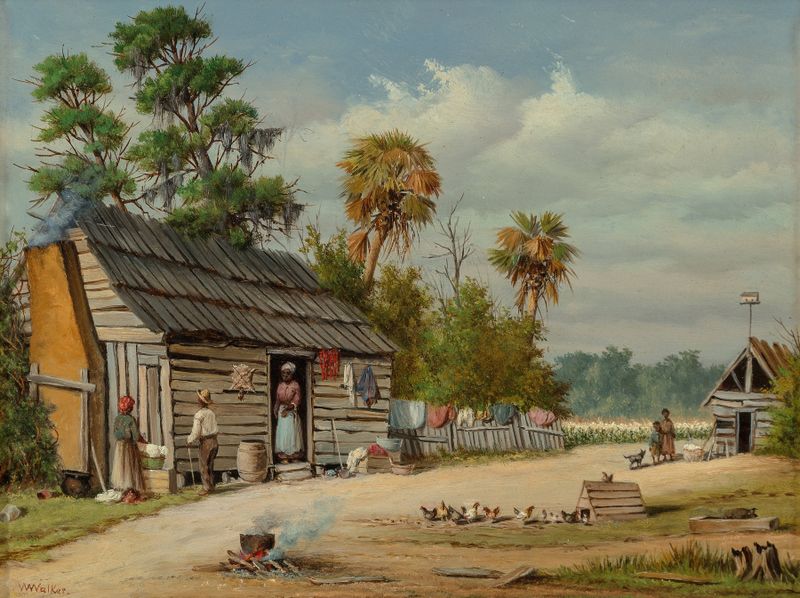
Cabin
William Aiken Walker
The Old Cabin
William Aiken Walker

Cabin Scene
William Aiken Walker





