
A Storm at Sea — History & Facts
Is this a mirror — or a memory? The tumultuous waves beckon the viewer into a world of nature's fury, where chaos and beauty collide in sublime wonder. Look to the swirling vortex of clouds that occupies the upper third of the canvas, where shades of gray and white attempt to dance amidst the encroaching darkness. Notice how the light spills through the gaps, illuminating crests of the waves below in shimmering strokes of aqua and emerald. The tumultuous brushwork captures movement and emotion, allowing the viewer to almost feel the wind's rage and the ship's struggle against the elements. Yet, within the chaos lies a poignant contrast: the fragile boat, barely clinging to existence in the tempest, represents mankind's vulnerability against nature's might.
The interplay of light and darkness evokes a duality of hope and despair, suggesting that even in moments of peril, there is beauty to be found. The horizon, though obscured by storm clouds, hints at a distant calm, whispering of resilience amid turmoil. Joseph Mallord William Turner painted this masterpiece during a period of immense personal and professional growth, likely between 1819 and 1831. Living in London, he was influenced by the Romantic movement, which emphasized emotion and individualism.
This time was marked by the Industrial Revolution's rise, prompting Turner to explore the relationship between man and nature in a rapidly changing world, reflecting both awe and terror in his work.
More Artworks by Joseph Mallord William Turner
Browse all →
Dort or Dordrecht- The Dort Packet-Boat from Rotterdam Becalmed
Joseph Mallord William Turner
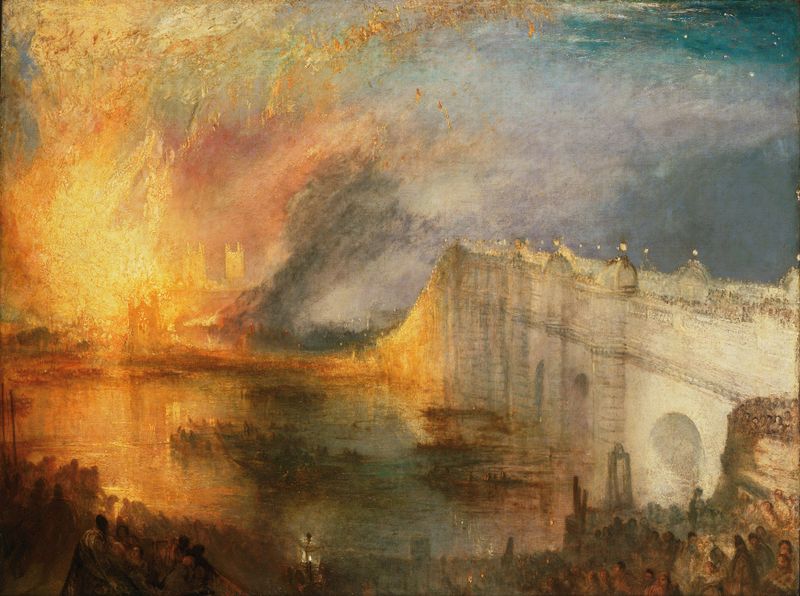
The Burning of the Houses of Lords and Commons, October 16, 1834
Joseph Mallord William Turner
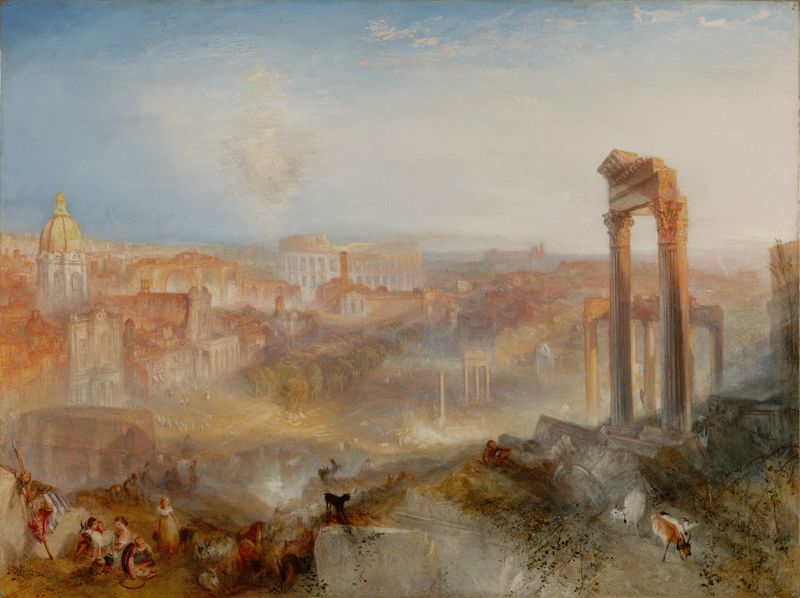
Modern Rome – Campo Vaccino
Joseph Mallord William Turner
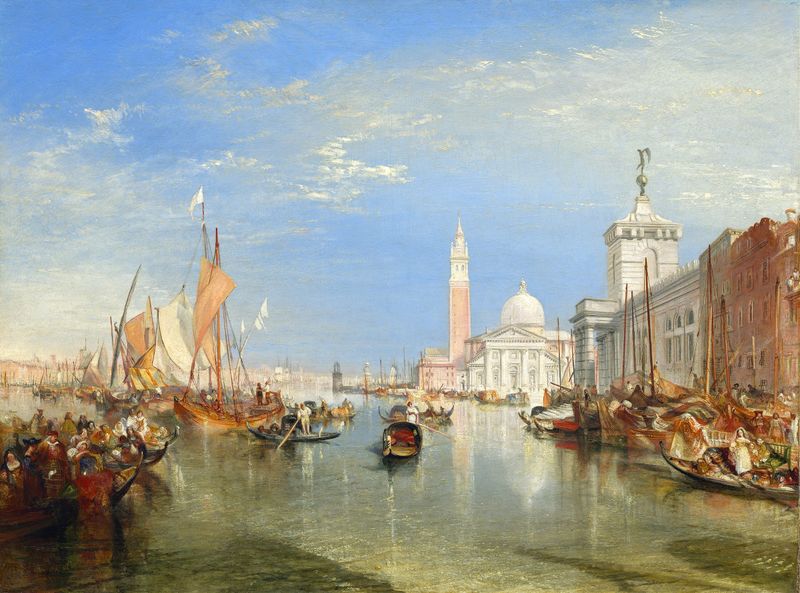
Venice – The Dogana and San Giorgio Maggiore
Joseph Mallord William Turner

The Burning of the Houses of Lords and Commons, 16 October 1834
Joseph Mallord William Turner
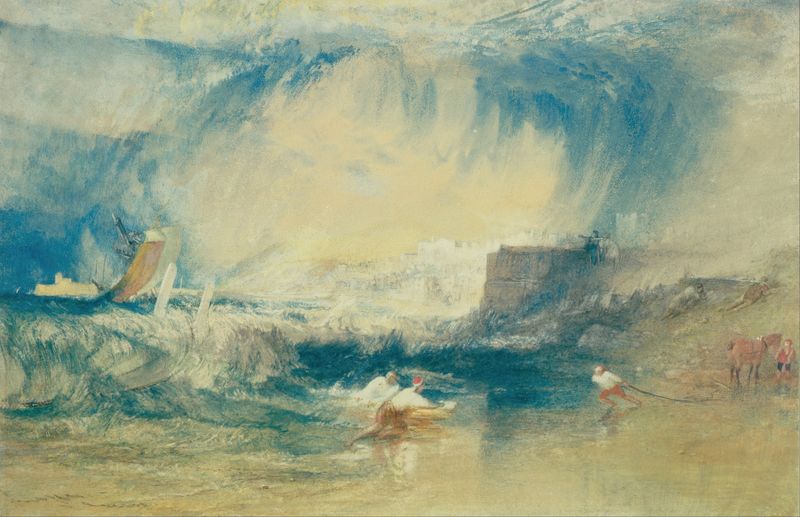
Lyme Regis, Dorsetshire, England
Joseph Mallord William Turner
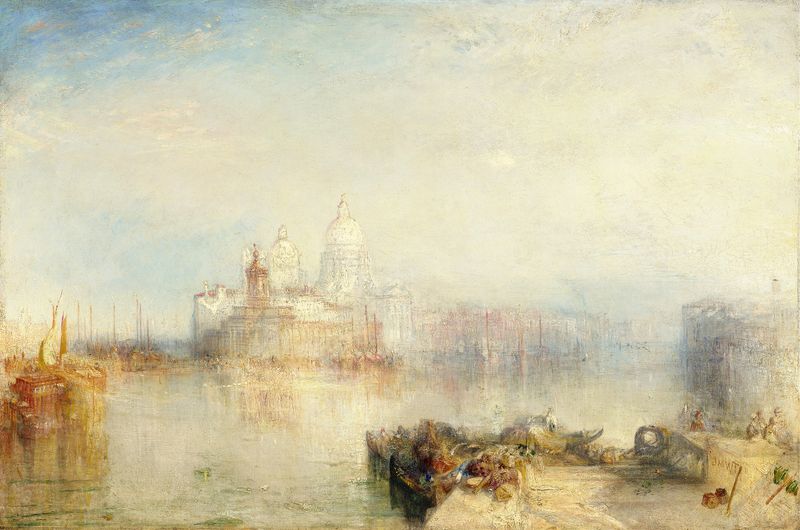
The Dogana and Santa Maria della Salute, Venice
Joseph Mallord William Turner
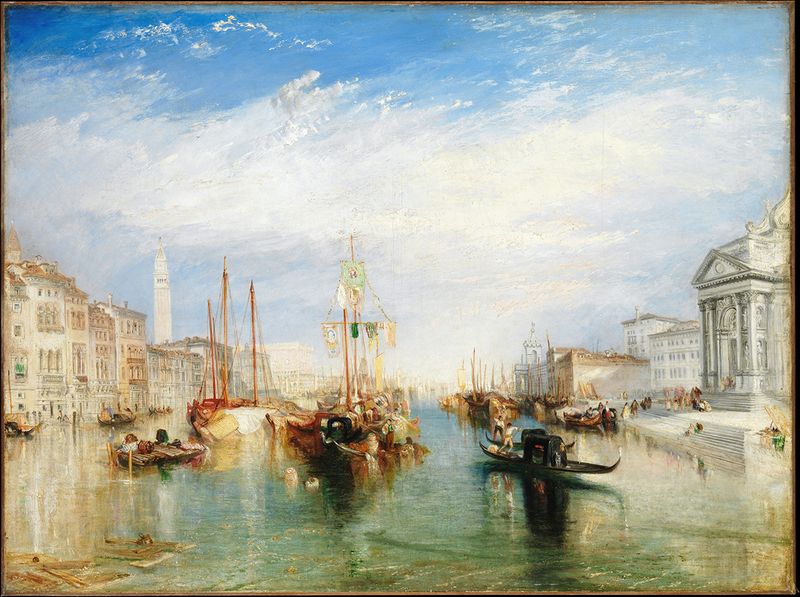
Venice, from the Porch of Madonna della Salute
Joseph Mallord William Turner
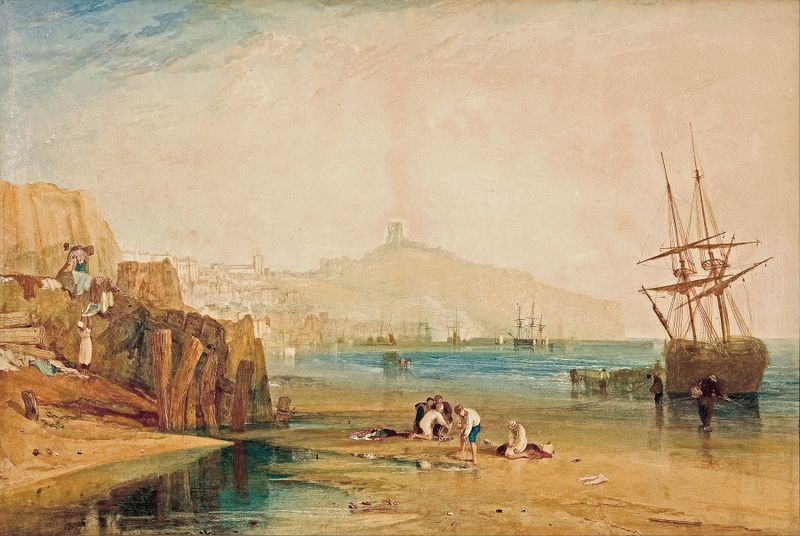
Scarborough town and castle; morning; boys catching crabs
Joseph Mallord William Turner
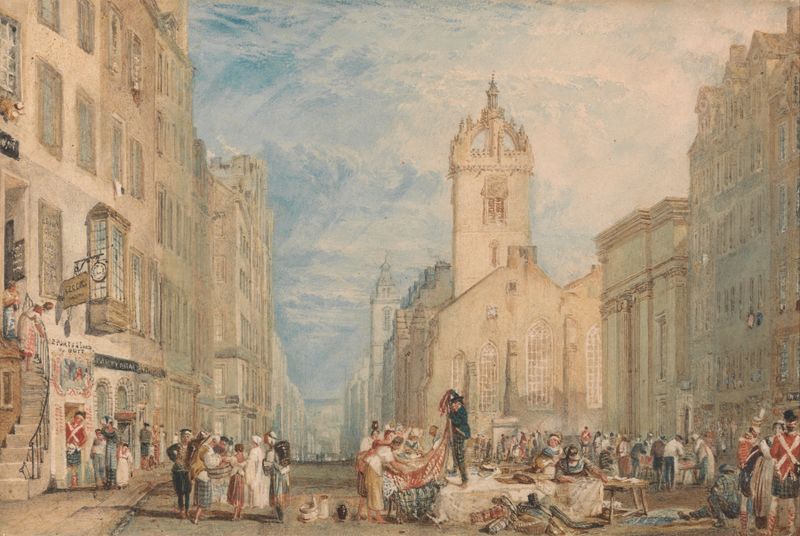
High Street, Edinburgh
Joseph Mallord William Turner




