
A Street in Florence with the Duomo and Campanile in the Background — History & Facts
Focus your gaze on the foreground, where a narrow cobblestone street guides you into the heart of Florence. The gentle curves of the path draw your eye naturally toward the grand Duomo and the elegant Campanile rising majestically in the background. Notice how the warm, earthy tones of the buildings speak of time and history, while the cool blues of the sky create a striking contrast, suggesting the fleeting nature of moments lost in time. Delve deeper into the composition, and you’ll uncover the emotional tension between the bustling life of the street and the stillness of the towering architecture.
The juxtaposition of animated figures—perhaps locals or travelers—against the monumental backdrop evokes a sense of transience and permanence, while the nearly ethereal glow of sunlight filtering through creates an ephemeral quality that hints at memories both cherished and faded. Each detail, from the distant chatter to the meticulous rendering of the Duomo’s intricate façade, draws you deeper into the artist's emotional landscape. In 1765, while creating this work, Marlow was navigating the vibrant art scene of England and Italy, absorbing the Enlightenment’s influence. This period marked a growing fascination with the picturesque, as artists sought to capture the sublime beauty of landscapes and architecture.
It was a time filled with exploration and exchange of ideas, shaping the way artists represented not just their subjects, but the sentiments connected to them.
More Artworks by William Marlow
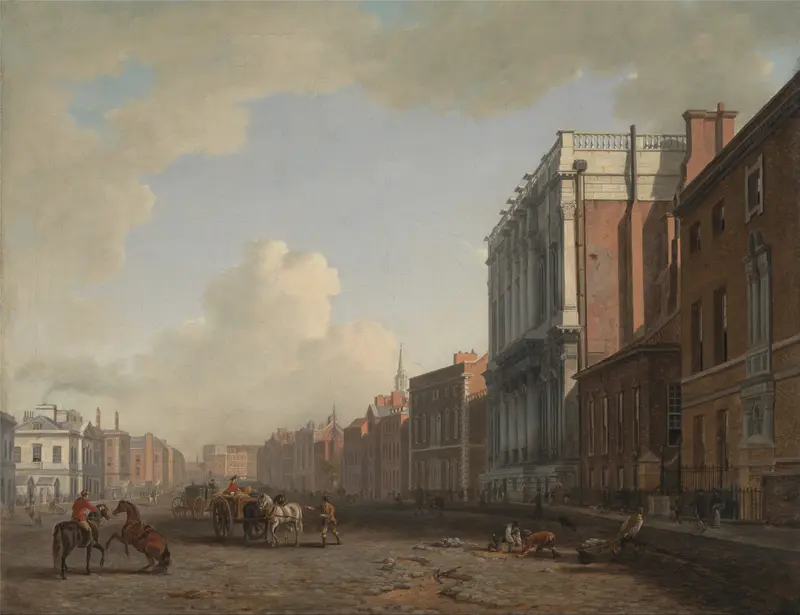
Whitehall
William Marlow

Bank of England Royal Exchange
William Marlow
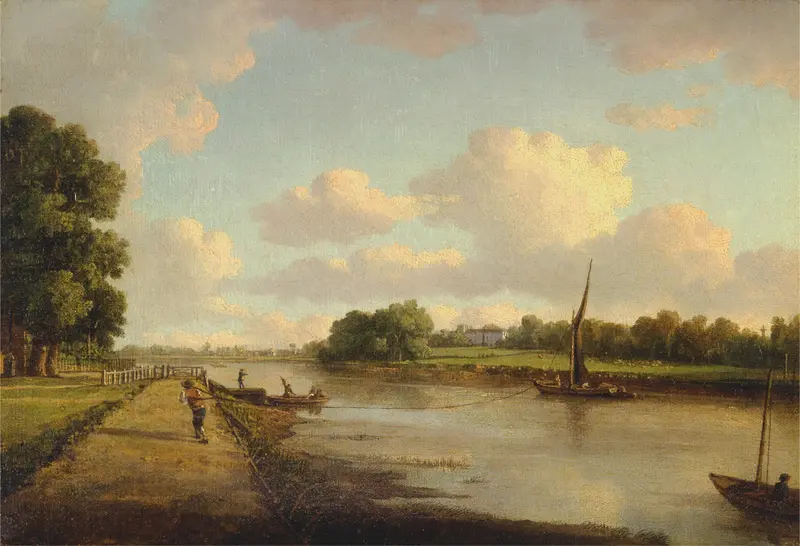
View on the River Thames at Richmond
William Marlow
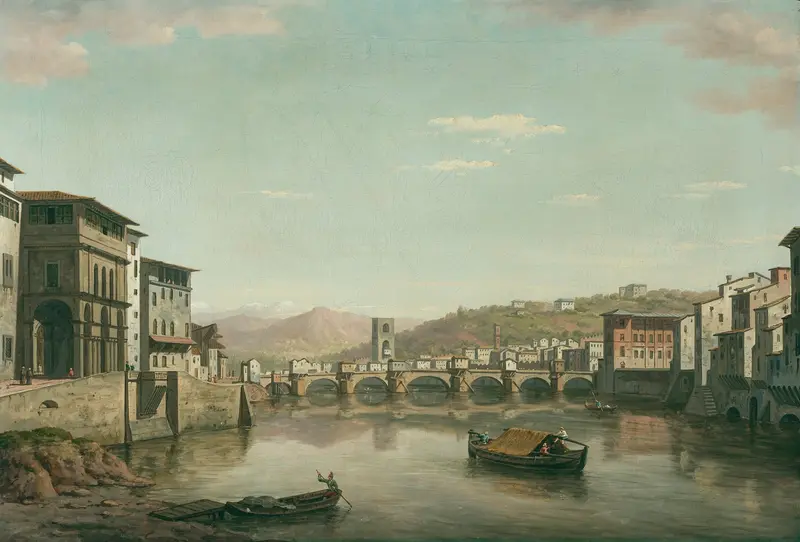
The Arno towards the Ponte alle Grigio
William Marlow
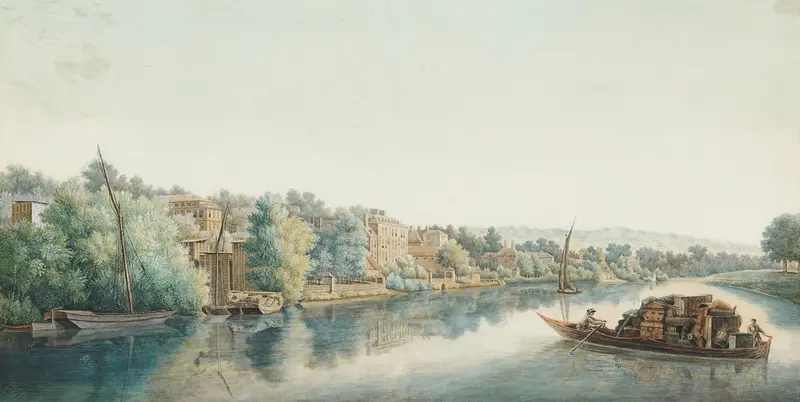
The Thames At Richmond
William Marlow
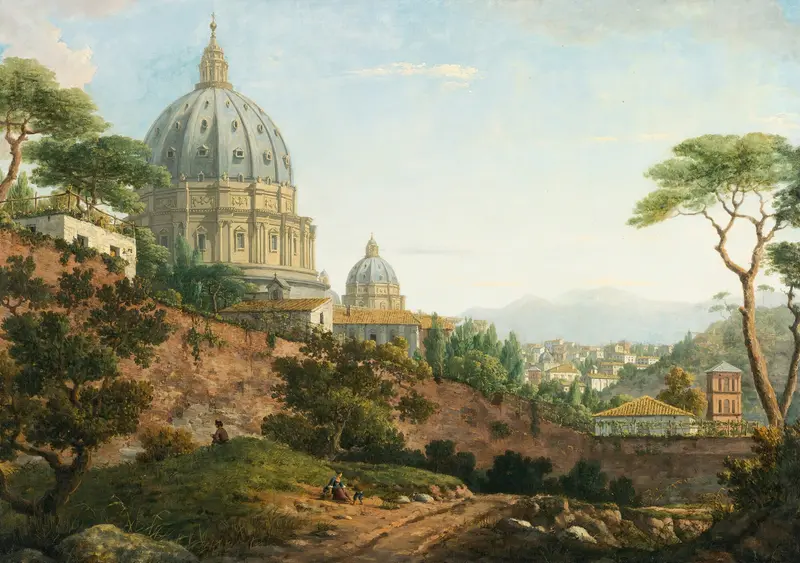
View Of Saint Peter’s, Rome
William Marlow
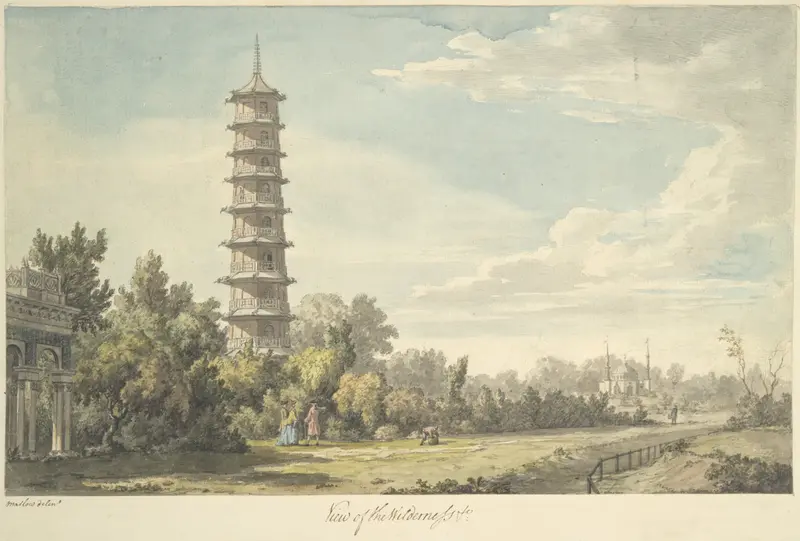
View of the Wilderness at Kew
William Marlow
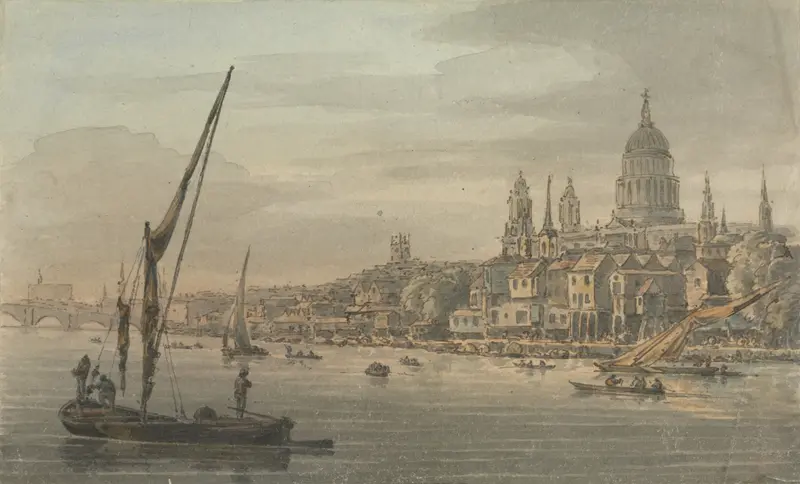
The City and St. Paul’s from the South Bank
William Marlow
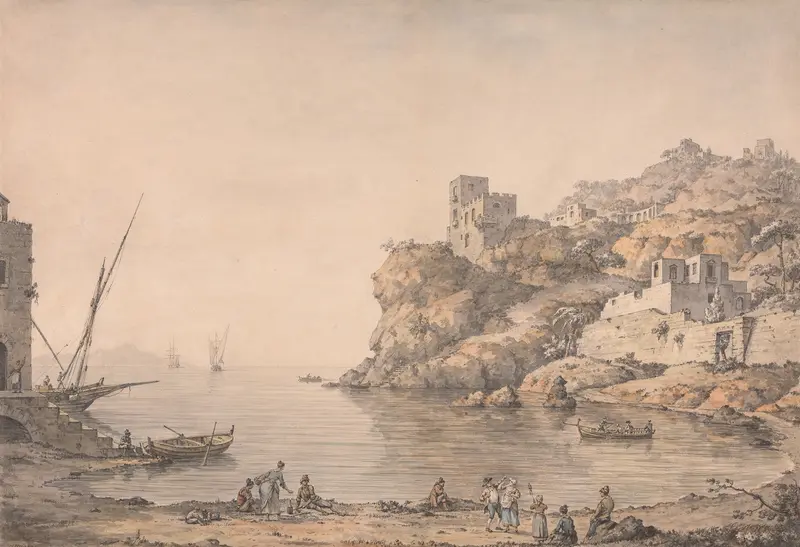
The Coast Near Naples
William Marlow
Castle on the Rhône River, France
William Marlow





