
A Study of a Tree — History & Facts
What stops the viewer here is not the grandeur of a sweeping landscape, but the sheer presence of a single tree—its bark catching the light, its branches stretching upward, its roots anchored in shadow. The painter of A Study of a Tree invites us to pause, to look closely, to consider the individuality of this trunk and its patchwork of moss and lichen. The eye is led up the pale, dappled bark, following the play of sunlight as it breaks through the leafy canopy above.
Every leaf is a small act of observation, every shadow a quiet decision; the background recedes into a gentle haze, so that the tree stands alone, monumental and alive. Painted by Achille Etna Michallon between about 1816 and 1822, this work belongs to a moment when artists were turning away from grand mythologies and seeking truth in nature itself. In early nineteenth-century France, studies like this were often made outdoors, sometimes as exercises for larger compositions, sometimes as ends in themselves—evidence of a new respect for the ordinary world. Michallon was among the first French painters to advocate for direct observation, and his works helped lay the groundwork for the later flowering of landscape painting.
Today, this study is held by the National Galleries Scotland, a quiet testament to the era when artists first treated the humble tree as a worthy subject in its own right. Look again at the bark: it is not just a surface, but a record of attention, patience, and discovery.
More Artworks by Achille Etna Michallon

Forest interior
Achille Etna Michallon
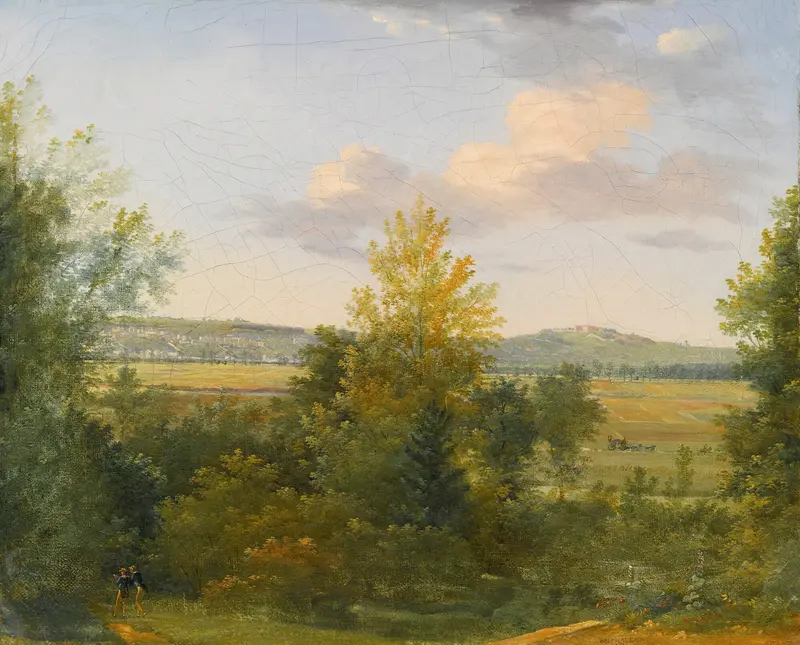
Pastoral landscape with two travellers
Achille Etna Michallon

Die Mündung der Rance bei Saint-Servan (Bretagne)
Achille Etna Michallon

View of a Waterfall through a Ravine
Achille Etna Michallon
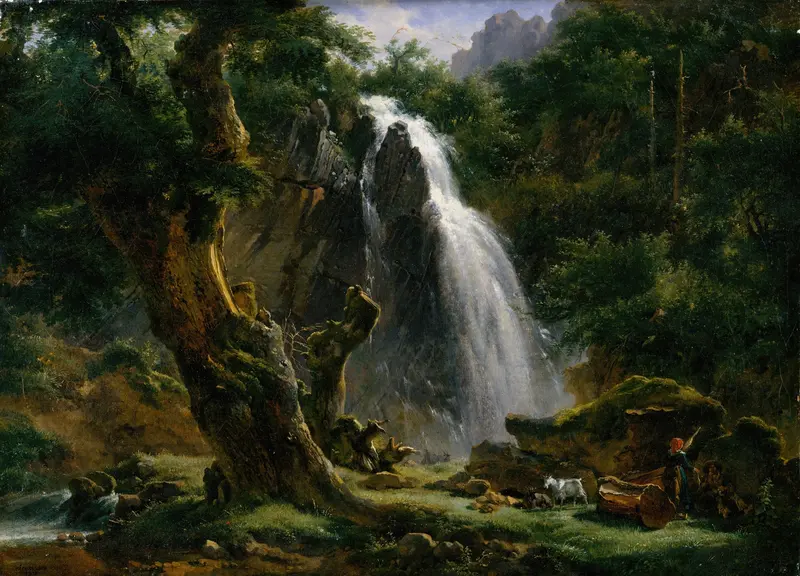
Waterfall at Mont-Dore
Achille Etna Michallon
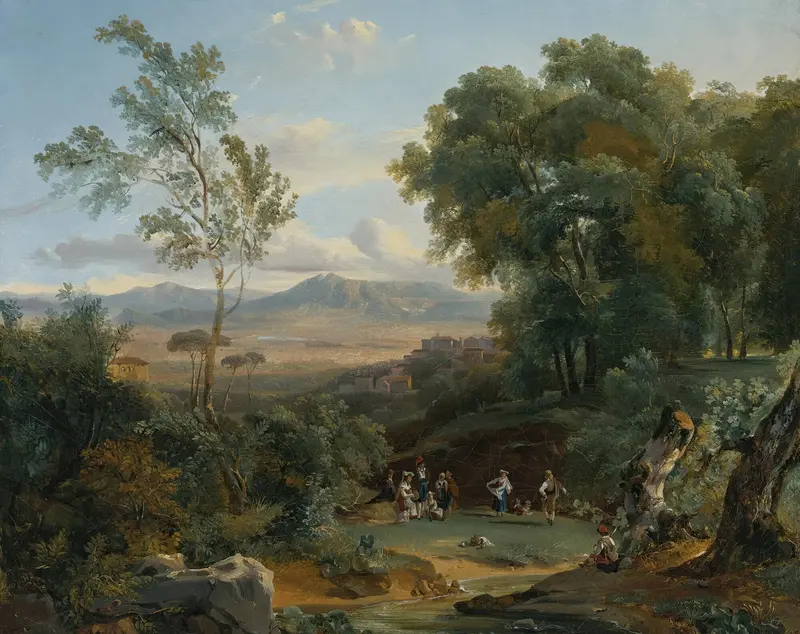
Landscape With A View Of Frascati
Achille Etna Michallon
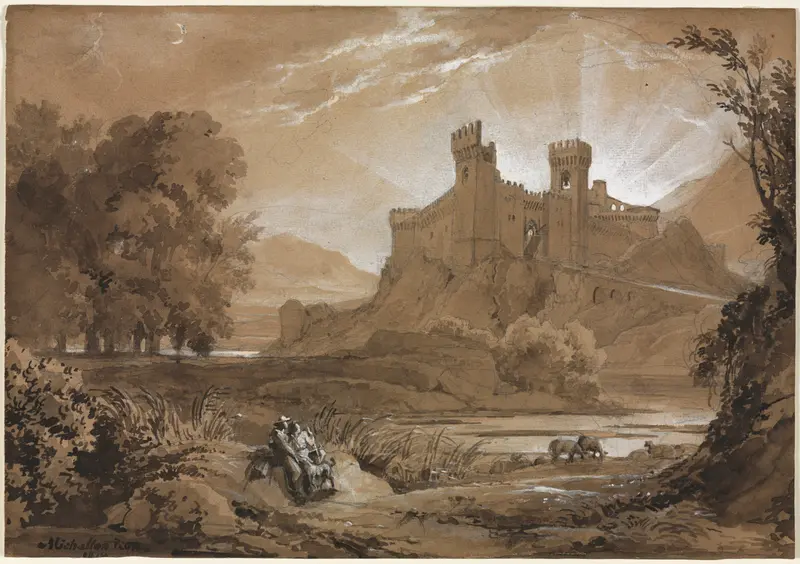
Landscape with Castle and Shepherds
Achille Etna Michallon
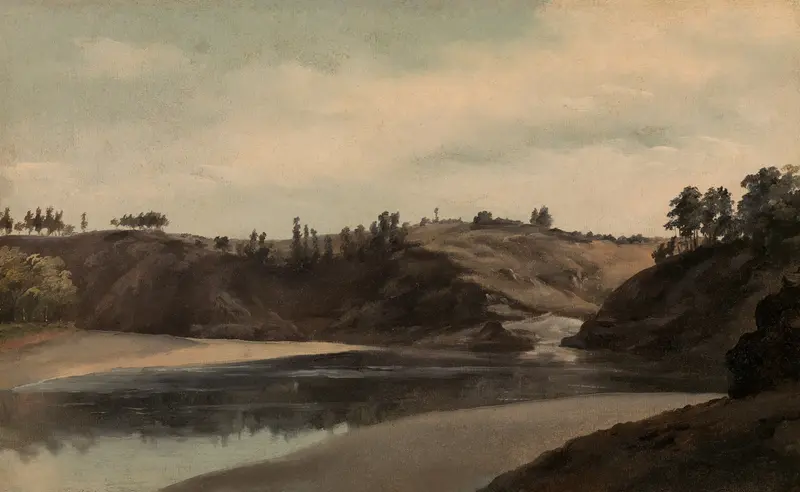
River landscape in Brittany
Achille Etna Michallon
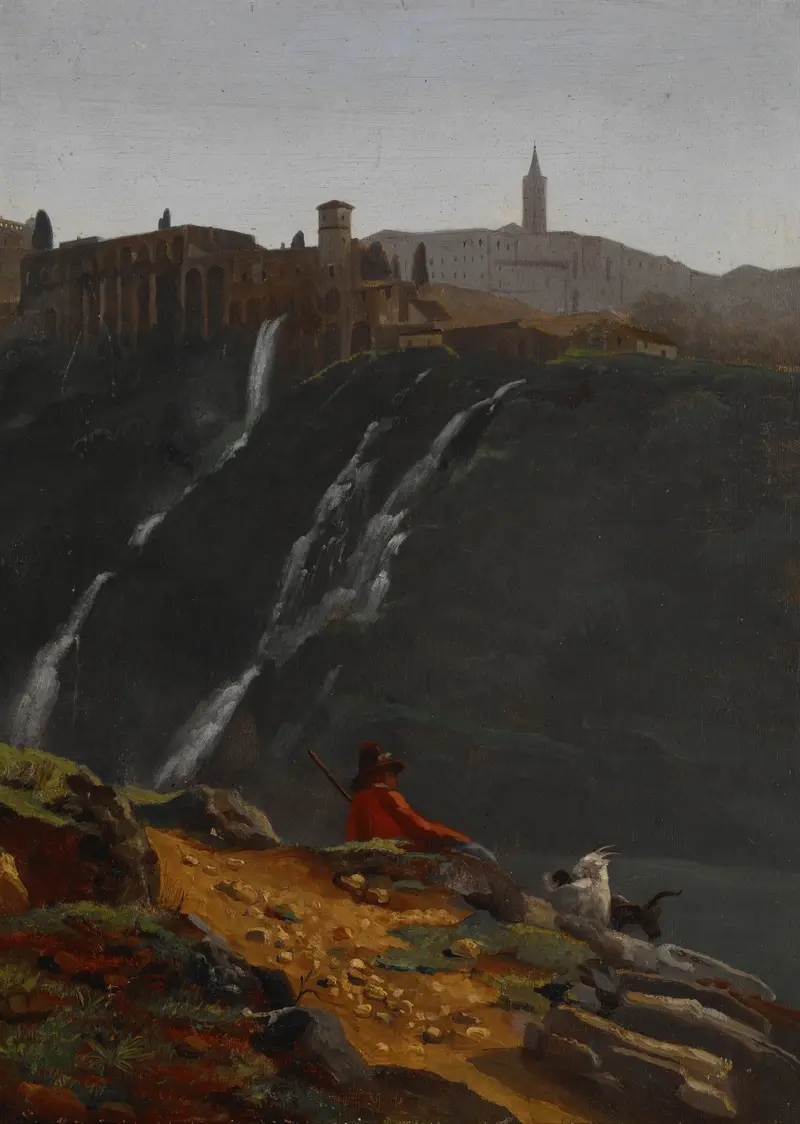
Goatherd Opposite the Falls of Tivoli
Achille Etna Michallon
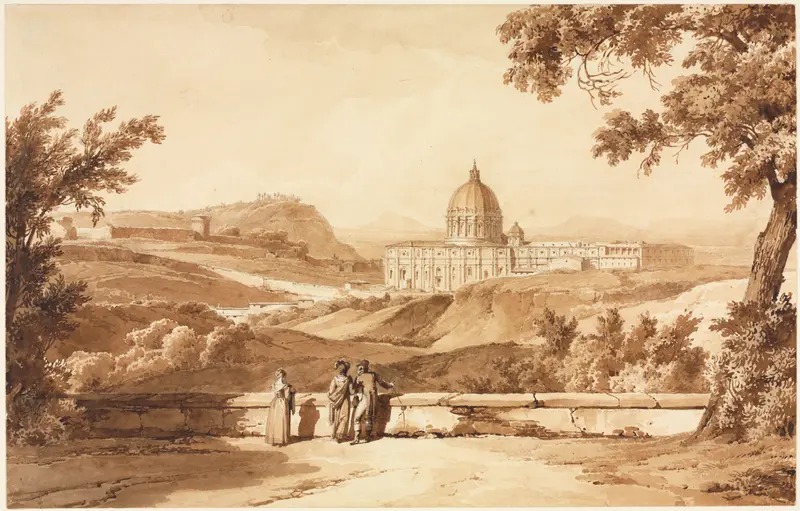
View of St. Peters, Rome
Achille Etna Michallon
More Landscape Art

The Starry Night
Vincent van Gogh

View of Delft
Johannes Vermeer

Water Lilies
Claude Monet

The Grand Canal, Venice, looking north-west from the Ca' Corner to the Ca' Contarini degli Scrigni, with the campanile of Santa Maria della Carità
Canaletto

Windsor Castle
Canaletto

The Grand Canal looking North-East from the Palazzo Dolfin-Manin to the Rialto Bridge
Canaletto